


Trump Administration to Launch Tariff Refund Portal as Billions Could Flow Back to Businesses
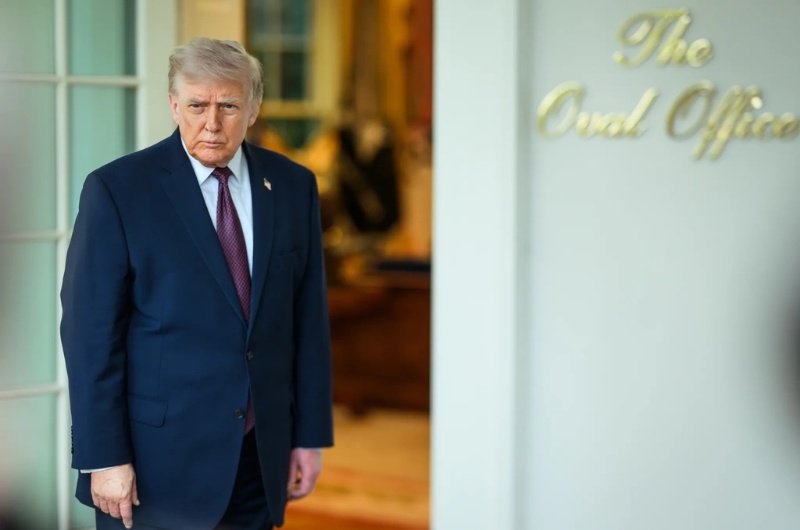
The Trump administration is preparing to launch a new tariff refund portal on April 20, opening the door for billions of dollars in repayments to U.S. businesses that paid tariffs later ruled unlawful. The platform is expected to streamline claims and allow eligible importers to seek electronic refunds through a centralized system. More than 330,000 importers were impacted across millions of shipments, with total repayments potentially reaching into the hundreds of billions. Officials are expected to begin with simpler claims first, while more complex cases could take longer to review and process. For many companies, the refunds could provide a meaningful financial boost at a time when higher operating costs and economic uncertainty continue to weigh on margins. Smaller businesses may face a different calculation, deciding whether the time and expense of filing claims is worth the potential payout. The Readovia Lens This policy update is a reminder that trade decisions can ripple through the economy for years, influencing prices, supply chains, and business stability long after the headlines fade. It is also a reminder that justice prevails — even though it may sometimes arrive late. And it underscores the enduring power of the Supreme Court to enforce policy, reshape markets, and help preserve a healthy business landscape with a single ruling. ——————– Related: $166 Billion Tariff Refund Expected as New U.S. System Prepares to Launch
Federal Student Loan Rules Are Changing in 2026 — What Borrowers Need to Know

Millions of Americans with federal student loans may soon face a very different repayment system. Beginning July 1, 2026, new borrowers are expected to enter a simplified structure built around fewer repayment options and updated borrowing limits for certain graduate programs. At the center of the shift is a new income-driven model known as the Repayment Assistance Plan (RAP), designed to align monthly payments more closely with income while reducing the risk of runaway balances. Supporters say the goal is to make repayment easier to understand and more manageable over time. Advertisement The changes also tighten borrowing rules for many future graduate students. New annual and lifetime caps are expected to apply to several advanced degree programs, while the Grad PLUS loan pathway will be phased out for future borrowers. Undergraduate federal loan limits are expected to remain unchanged. Current borrowers with loans taken out before the new rules begin may have more flexibility, but experts say now is the time to review repayment plans, understand deadlines, and avoid being caught off guard by future transitions. The Readovia Lens Student debt has shaped major life decisions for an entire generation. When repayment rules change, the impact can reach far beyond monthly bills — influencing careers, homeownership, family planning, and how people move through adulthood. Caption: New federal student loan rules set to begin in 2026 could reshape repayment options and borrowing limits for millions of Americans.
$166 Billion Tariff Refund Expected as New U.S. System Prepares to Launch

A new U.S. tariff refund system is expected to launch April 20, potentially returning billions of dollars to businesses after key tariffs were ruled unlawful in court. The system, known as the Consolidated Administration and Processing of Entries, or CAPE, is being introduced by U.S. Customs and Border Protection to automate what could become one of the largest trade repayment efforts in recent history. The goal is to replace a slow, case-by-case claims process with a more centralized digital framework built to handle refunds at scale. At the center of the issue are tariffs previously imposed under the International Emergency Economic Powers Act. In February, the U.S. Supreme Court determined those tariffs had been applied beyond the limits of the law, setting in motion a massive refund process for affected importers. The numbers involved are substantial. Estimates indicate as much as $166 billion in tariff collections could be eligible for repayment. Officials have reportedly already identified roughly $127 billion through electronic filing records, giving the government a major starting point as the first phase begins. The rollout will happen in stages rather than all at once. The opening phase is expected to focus on simpler claims, including unliquidated entries and certain recently liquidated transactions. More complicated claims, older filings, and cases requiring deeper review are expected to move into later phases. For businesses, timing matters almost as much as the total amount. Once claims are validated, many refunds are expected to be issued within roughly 60 to 90 days, though some payments could arrive sooner depending on the claim type and documentation already on file. More than 56,000 importers have reportedly registered, covering over 53 million shipments tied to the broader refund effort. That level of volume helps explain why a fully automated system is being introduced instead of relying on traditional manual processing. Why does this matter beyond trade circles? Tariffs often become hidden costs inside the economy. They can influence retail prices, manufacturing expenses, supply chain decisions, hiring plans, and business expansion. Returning some of that money could improve liquidity for companies that absorbed those costs over time. There is also a broader policy lesson. Government actions tied to trade and emergency powers can create effects that last for years, even after the original political debate fades. Court rulings, agency systems, and refund programs can become the final chapter of decisions made long before. Oversight will remain important as the process begins. The Court of International Trade is expected to monitor implementation as refunds move forward, adding another layer of scrutiny to one of the most significant tariff reversals in years. The next key question is execution. If the system works smoothly, billions could begin moving back into the private sector in the months ahead. If delays emerge, pressure could quickly build for faster action and expanded access. The Readovia Lens This is a rare example of policy, courts, and technology colliding in a way that could directly affect business balance sheets across America.
Trump Ultimatum to Federal Reserve Chair Powell: Step Down or Be Removed
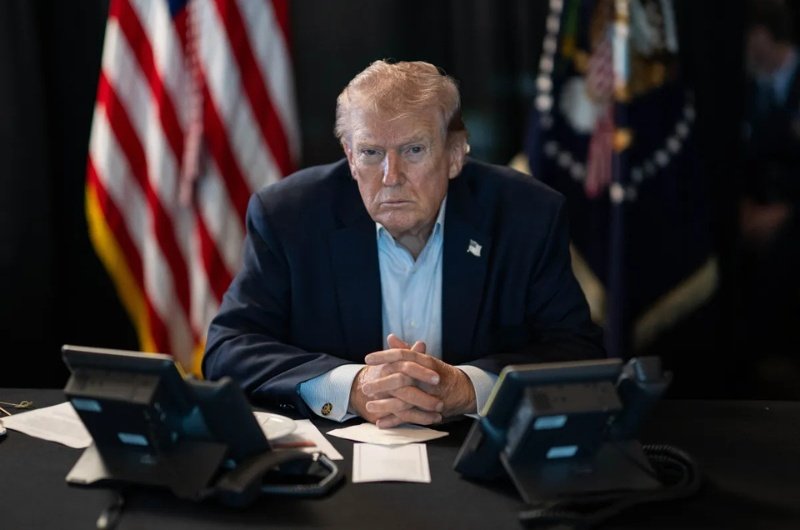
President Donald Trump intensified pressure on Federal Reserve Chair Jerome Powell on Wednesday, saying Powell should leave when his current term as chair ends next month or risk being removed. The remarks quickly pushed the future leadership of the central bank back into focus. Trump has selected former Fed governor Kevin Warsh as his preferred replacement, but the nomination must still move through the Senate. If confirmation takes longer than expected, investors could be left watching a leadership transition unfold during a sensitive moment for the economy. The Federal Reserve plays a major role in financial life across the country. Its decisions influence borrowing costs for mortgages, credit cards, auto loans, and business financing. That is why any uncertainty surrounding the Federal Reserve often reaches far beyond Washington. For households and companies alike, financial stability matters. Markets tend to respond best when leadership changes are orderly and policy decisions appear grounded in economic data rather than political pressure. The next chapter now shifts to Capitol Hill, where lawmakers will weigh Warsh’s nomination. Until then, Wall Street may be watching the Federal Reserve storyline almost as closely as the next inflation report.
Nvidia’s Hot Streak Signals Fresh Confidence in AI Stocks

Nvidia shares climbed Tuesday, giving the company a 10-day winning streak and one of its strongest runs in months. The move suggests investors are feeling confident again about the future of artificial intelligence and the companies helping power it. Part of the excitement comes from a better mood across the market. New inflation data helped ease concerns about interest rates, while lower bond yields made growth stocks more attractive. Technology companies were among the biggest winners. Advertisement Nvidia remains a favorite because its chips sit at the center of the AI boom. They help run data centers, advanced software, and the computing systems behind many of today’s smartest tools. When investors want exposure to AI, Nvidia is often one of the first names they consider. That said, no stock moves up forever without pauses. After a run like this, some pullback or profit-taking would be normal. Investors will be watching upcoming earnings reports for clues about where the market goes next. The bigger takeaway is simple: Wall Street still believes AI could be one of the most important growth stories of this era, and Nvidia continues to be a major symbol of that trend.
3 Smart Money Moves to Make Before Summer Spending Begins

Summer has a way of arriving with sunshine, plans, and expenses. Between weddings, graduations, travel, higher utility bills, and those quick “why not?” purchases, the season can put pressure on even a solid budget. The good news: a few smart moves now can make the months ahead feel a lot lighter. 1. Build a Summer Buffer Set aside a small amount now for seasonal extras. It does not need to be huge. Even a modest cushion can help cover surprise costs without reaching for a credit card when invitations, tickets, or weekend plans start stacking up. Advertisement 2. Audit Your Auto-Spending Some subscriptions are more committed than relationships. Take ten minutes to review memberships and recurring charges. You may still be paying for services you stopped using months ago. Canceling a few can free up money fast. 3. Choose Your Big Spend Now Pick the one thing that matters most this summer. Maybe it is travel, family fun, home upgrades, or paying down debt. When you decide in advance where your money should go, random spending has less power to hijack the plan. The Readovia Lens A strong summer budget gives your money purpose before the season starts pulling it in every direction.
Birthright Citizenship Fight Returns to Supreme Court in High-Stakes Legal Clash
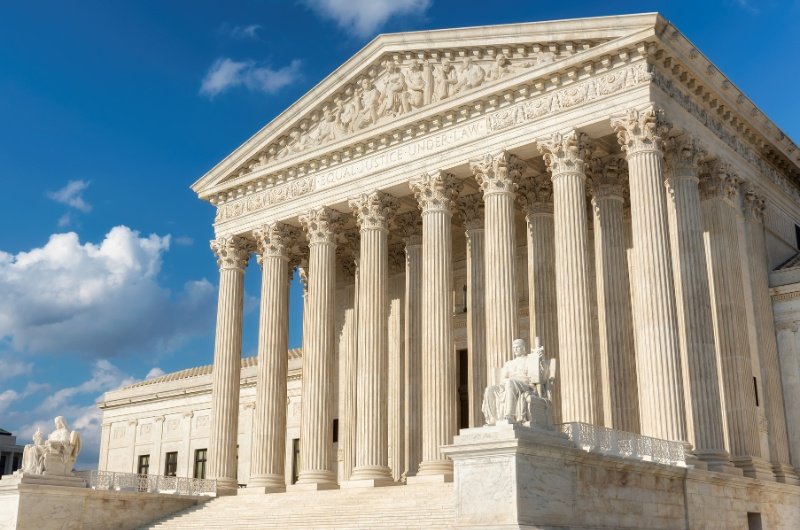
The U.S. Supreme Court is once again at the center of a high-stakes legal fight over birthright citizenship, placing one of the nation’s most debated constitutional questions back in the national spotlight. The case has renewed attention on whether citizenship granted by birth on U.S. soil can be limited through executive action or whether such a change would require a broader constitutional path. At the center of the debate is the Fourteenth Amendment, which has long been understood to guarantee citizenship to most people born in the United States. Supporters of that interpretation argue the language is clear and foundational, while critics say the amendment has been applied too broadly in the modern era. Any ruling or major development tied to the issue could carry sweeping consequences for immigration policy, federal authority, and future legal challenges. It could also shape the national conversation heading into a heated political season, where border security and citizenship remain defining issues for many voters. For now, the broader policy remains unchanged. But the renewed focus from the nation’s highest court ensures the debate over who becomes an American citizen at birth is far from settled. The Readovia Lens Some court cases resolve disputes. Others reopen questions the country thought were already answered. This one may do both.
The Next AI Leap: Completing Tasks Without Human Assistance

AI is entering a new era as intelligent agents begin completing real tasks across apps, websites, and workflows with less human input than ever before. A growing wave of AI systems is being designed to move beyond conversation and into action. Instead of waiting for one instruction at a time, the latest AI systems can break goals into steps, choose tools, and carry out actions in sequence. That means the future of AI may look less like asking questions in a chat window and more like assigning work to a digital operator. A real-world example could look like this: create a blog post about summer travel trends, design a matching image, upload it to WordPress, optimize the SEO fields, and schedule it for tomorrow. What once required multiple apps and a long checklist may increasingly happen through one request and a capable AI agent. The opportunity is massive, but so are the questions. Businesses are now weighing productivity gains against concerns around permissions, reliability, and security. Researchers also note that while progress is accelerating, many agents still struggle with complex real-world tasks and need oversight. The Readovia Lens AI is moving from assistant to operator. That evolution could unlock enormous productivity — but it also raises a deeper challenge: how much autonomy society is willing to hand over.
United Pitches American Airlines Deal That Could Redraw the Friendly Skies

United Airlines CEO Scott Kirby reportedly raised the idea of merging with American Airlines during discussions with Trump administration officials — a move that could dramatically reshape the U.S. airline industry if it ever advanced beyond the exploratory stage. No formal deal has been announced, and it remains unclear whether conversations moved beyond the concept itself. If such a merger were pursued, it would create one of the largest airlines in the world and significantly expand the combined carrier’s domestic and international reach. Supporters could argue scale matters in a global market where U.S. airlines compete with large foreign carriers on premium international routes. The timing is notable, as airline executives have also warned that rising fuel costs tied to Middle East tensions could eventually push fares higher and pressure profitability. Advertisement But the political and regulatory obstacles would be enormous. U.S. airline consolidation has already reduced the field to a handful of dominant carriers, and any tie-up between two major legacy airlines would likely trigger fierce antitrust scrutiny over fares, routes, airport gates, and consumer choice. For travelers, the immediate impact is zero. Flights, loyalty programs, and schedules remain unchanged. Right now, this is a story about possibility. The Readovia Lens Even rumors of mega-mergers can move markets and shift expectations. For consumers, fewer competitors can mean less pricing pressure. For investors, bigger often sounds better — at least at first glance.
Millions on Medicaid Could Face New Work Rules as States Await Federal Guidance

A major Medicaid policy shift is moving closer to reality, with states across the country waiting for federal instructions on how to implement new work requirements that could affect millions of Americans who rely on the program for health coverage. The changes are scheduled to begin in 2027, but many of the most important details are still unresolved. Under the new framework, some adults may need to document a set number of monthly hours through employment, job training, volunteer service, or other qualifying activities in order to remain eligible. Exemptions are expected for certain groups, but states and insurers say they still need clearer rules on who qualifies and how verification should work. The challenge may go beyond policy. State agencies are expected to update computer systems, train staff, launch outreach campaigns, and process additional paperwork on tight timelines. Health policy experts warn that when systems become more complex, eligible people can lose coverage over reporting errors, missed notices, or confusion rather than true ineligibility. For families, the biggest question may be simple: what happens next? Because Medicaid is administered jointly by states and the federal government, the experience could look different depending on where someone lives. Some states may move quickly, while others may seek delays or phased rollouts. The Readovia Lens When healthcare rules change, uncertainty often arrives before the policy itself. For millions of households, the real issue may be whether they can keep the coverage they already depend on.