

U.S. Begins Naval Blockade of Iranian Ports as Oil Prices Surge and Ceasefire Strains
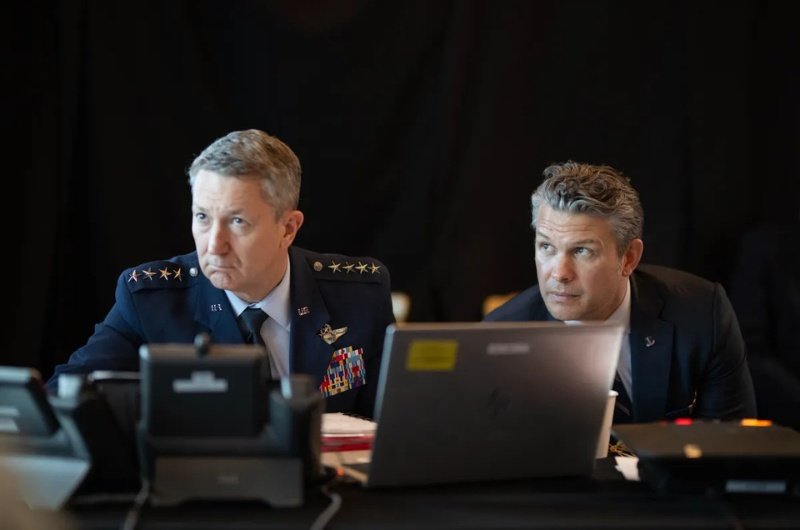
The United States has begun a naval blockade aimed at ships entering and leaving Iranian ports after diplomatic efforts over the weekend failed to produce a breakthrough. The move marks a sharp escalation in an already tense conflict zone tied to one of the world’s most important energy corridors. Officials said the operation is focused on Iranian port activity and nearby coastal access points, while broader commercial movement through the Strait of Hormuz is expected to continue for now. Earlier, two U.S. warships sailed through the Strait of Hormuz to help establish a new route for merchant vessels, signaling a more active American role in protecting commercial traffic as tensions with Iran remained high. Even so, the announcement has raised fresh concerns about how long normal shipping can continue if tensions deepen. Earlier two U.S. warships sailed through the Strait of Hormuz to help establish a new route for merchant vessels, signaling a more active American role in protecting commercial traffic as tensions with Iran remain high. Security analysts warn the blockade could trigger retaliation from Tehran, increase pressure on U.S. military assets in the region, and create new uncertainty for cargo routes already on edge. What begins as a targeted action can quickly become more complicated if the standoff expands. Markets responded immediately. Oil prices moved sharply higher as investors weighed the possibility of supply disruptions and slower shipping traffic. Because so much of the world’s energy trade moves through the region, even limited interference can send prices upward. For Americans, the effects may not stay overseas. Rising oil costs can filter into higher gasoline prices, more expensive deliveries, and renewed inflation pressure for households already managing tight budgets.
U.S. Considers Automatic Draft Enrollment as Military Readiness Concerns Grow
The Selective Service System is requesting a significant change to how the United States prepares for potential military mobilization, proposing a system that would automatically register young men for the draft. The move would eliminate the current requirement for individuals to sign up at age 18, shifting instead to automatic enrollment through existing government records. The proposal comes as the U.S. military continues to navigate ongoing recruitment challenges, after missing enlistment targets by tens of thousands in recent years. At the same time, the pool of eligible and willing recruits has narrowed, with fewer young Americans meeting service requirements or expressing interest in joining. While there is no active draft in place, Selective Service registration remains a legal requirement designed to ensure the government can quickly mobilize personnel if needed. Supporters of the change argue that automatic registration would modernize an outdated system and improve compliance, as thousands of eligible individuals fail to register each year. By streamlining the process, officials believe the U.S. could maintain a more accurate and complete database without relying on individual action, particularly at a time when long-term recruitment trends remain uncertain. At the same time, the proposal is likely to spark debate over privacy, government authority, and the broader implications of expanding automated systems tied to civic obligations. Questions may also arise about whether such a system could eventually be expanded or adapted in the future, especially as military planning evolves in response to global tensions. The Readovia Lens This moment reflects a subtle but meaningful shift in how the U.S. approaches national preparedness. Rather than asking individuals to opt in, the system may begin moving toward automatic inclusion — a change that signals both technological evolution and a more proactive stance on readiness. Even without an active draft, the infrastructure behind it is quietly being reshaped for a different era.
Up 1,000% in One Year: The Stock That’s Turning Heads on Wall Street
Shares of Lumentum have surged dramatically over the past year, climbing as much as 1,000% and capturing the attention of investors across the market. The rapid rise has been fueled by growing demand tied to artificial intelligence infrastructure, where high-speed optical and networking technologies play a critical role. As companies race to expand data capacity and support increasingly complex AI systems, firms positioned within this ecosystem have seen significant investor interest. Lumentum, which specializes in optical and photonic products, has found itself at the center of that trend. Its technology is used in data transmission systems that help power the backbone of modern digital communication, an area that has become increasingly important as AI workloads continue to grow. LITE stock chart by TradingView Earlier this year, Lumentum was added to the S&P 500, marking a milestone that underscores its growing relevance in the market. The stock’s surge reflects a broader shift in market focus. Investors are looking at software companies driving AI innovation, but also at the underlying hardware and infrastructure that make it possible. This has created new opportunities for companies operating behind the scenes, where demand is rising quickly but has historically received less attention. At the same time, such rapid gains often come with increased volatility. Stocks that experience sharp upward moves can also be prone to equally sharp pullbacks, particularly as expectations evolve and market sentiment shifts. The Readovia Lens This is what early positioning looks like. The biggest gains are rarely found in the most obvious names. They often emerge in the infrastructure supporting the trend, before it becomes widely understood. But the speed of this rise introduces a familiar tension. When a stock moves this far, this fast, the story becomes less about discovery and more about timing. ——————– Related: Why AI Infrastructure Stocks Are Surging Oil Prices Plunge After Ceasefire Deal — A Sudden Reversal Ripples Across Global Markets Beyond Nvidia: 4 Under-the-Radar AI Stocks Analysts Are Watching for 2026
AI Is Saving Workers Up to 4 Hours a Day — Redefining the Modern Workday

A new report from Canva highlights one of artificial intelligence’s most immediate impacts on the workplace: time. Employees are saving as much as four hours per day by using AI tools, dramatically reducing the time spent on repetitive and routine tasks. The gains are showing up across a wide range of work. Tasks like drafting emails, summarizing documents, creating presentations, and organizing information are being completed in a fraction of the time, allowing workers to move through their day with greater speed and efficiency. But the real shift is not just about getting more done. It’s about what happens with the time that is freed. Many workers report using those reclaimed hours to focus on higher-level thinking, creative problem-solving, and more strategic work — areas that were often pushed aside in favor of day-to-day demands. For companies, the implications are significant. Increased productivity without longer hours changes how teams operate, how projects are managed, and how performance is measured. It also raises new questions about expectations, as the line between efficiency and workload continues to evolve. At the same time, the shift is not without complexity. As AI continues to absorb more routine tasks, the definition of “a full day’s work” may begin to change. What once required eight hours may soon take far less, challenging long-standing norms around time, output, and value. The Readovia Lens For decades, productivity gains have meant doing more in the same number of hours. AI is beginning to flip that model, giving people something far more valuable than speed — time back in their day. So, if work can be completed faster, what happens next? ——————– Related: AI Gives Businesses a Chance to Rethink the Workday in 2026 The 6-Hour Workday Experiment Gains Quiet Momentum
Why AI Infrastructure Stocks Are Surging

Artificial intelligence is driving one of the most significant shifts in modern markets, but the biggest gains are not always coming from the most visible companies. Behind the scenes, a different layer of the AI ecosystem is rapidly gaining momentum. As demand for AI continues to grow, so does the need for the infrastructure that supports it. Data centers, high-speed networking, optical systems, and specialized hardware are all essential to powering AI at scale. This has placed a new spotlight on companies operating in these areas, many of which were previously overlooked by mainstream investors. Advertisement The shift is already showing up in the market. Stocks tied to AI infrastructure have seen sharp gains as investors look beyond software and into the systems that make it all possible. In some cases, those gains have been dramatic, reflecting both rising demand and a broader recognition of their role in the AI economy. What makes this trend especially notable is how early it still feels. While AI itself is widely discussed, the infrastructure behind it is only beginning to receive sustained attention. That gap has created opportunities for companies positioned at the core of this transformation. The Readovia Lens This is what early positioning looks like. The biggest gains rarely come from the most obvious names. They tend to emerge in the infrastructure behind the trend, before the broader market catches on. When a stock moves this far, this fast, timing becomes everything. ——————– Related: Up 1,000% in One Year: The Stock That’s Turning Heads on Wall Street Oil Prices Plunge After Ceasefire Deal — A Sudden Reversal Ripples Across Global Markets This Stock Is Climbing Fast — And Here’s Why Beyond Nvidia: 4 Under-the-Radar AI Stocks Analysts Are Watching for 2026
U.S. and Iran Reach Ceasefire Deal, Pulling Back From the Brink of War
A last-minute agreement between the United States and Iran has halted what was rapidly escalating toward a broader regional war, with both sides agreeing to a temporary ceasefire that immediately eases global tensions. The deal, announced late Tuesday, establishes a two-week pause in military operations and centers on one critical condition: the reopening of the Strait of Hormuz, one of the world’s most important oil shipping routes. Iran has agreed to allow safe passage through the strait, while the United States has paused planned military strikes that had been imminent just hours before the agreement. The breakthrough came after intense international mediation, with multiple countries working behind the scenes to prevent a full-scale conflict. Markets responded almost instantly, with oil prices dropping sharply as fears of supply disruption eased. Despite the dramatic de-escalation, the agreement is being described as fragile and temporary. Key issues remain unresolved, including Iran’s nuclear program, regional military activity, and long-standing economic sanctions. Early reports also suggest differences in how each side interprets parts of the agreement, raising questions about how long the ceasefire will hold. For now, the deal represents a critical pause — a moment of restraint after weeks of rising threats, military positioning, and warnings of catastrophic consequences.
Pope Leo XIV Calls Trump’s Iran Threat “Truly Unacceptable” as Global Tensions Peak

Pope Leo XIV delivered a sharp rebuke Tuesday following President Donald Trump’s warning that an entire civilization could be wiped out if Iran failed to meet a U.S. deadline tied to the Strait of Hormuz. Speaking to reporters outside his residence in Castel Gandolfo, Italy, the pope described the threat as “truly unacceptable,” pointing not only to concerns under international law but to the broader moral consequences of escalating conflict. “There are certainly issues of international law here, but even more so a moral issue for the good of the whole, entire population,” he said, urging leaders to consider the human cost. He specifically referenced innocent civilians, including children and the elderly, who would bear the brunt of any military escalation. The remarks came just hours after Trump issued a stark warning tied to an 8 p.m. Eastern deadline for Iran to reopen the vital shipping route. The president has also indicated that the United States has a plan targeting critical infrastructure, including power plants and bridges — actions that legal experts have warned could raise serious concerns under the laws of war. The pope’s comments add a powerful moral voice to a rapidly unfolding geopolitical crisis, highlighting the widening gap between strategic military calculations and humanitarian concerns as the situation intensifies. The Readovia Lens This is where the story shifts. The conflict is now about how far world leaders are willing to go, and who ultimately pays the price. When a global religious leader enters a conversation this directly, it signals something deeper. The focus shifts from strategy to conscience, as the world begins to question the morality behind the decisions being made. ——————– Related: Trump Warns “A Whole Civilization Will Die Tonight” as Iran Deadline Approaches
Oil Prices Plunge After Ceasefire Deal — A Sudden Reversal Ripples Across Global Markets

Oil markets moved sharply lower Wednesday, reversing days of intense upward pressure after a ceasefire agreement between the United States and Iran eased fears of a prolonged supply disruption. Crude prices dropped significantly, falling back below the $100 mark after surging in recent sessions. The decline marks one of the most notable pullbacks in recent years, driven largely by renewed confidence that oil will continue flowing through the Strait of Hormuz — a critical artery for global energy supply. Advertisement The shift was immediate. As tensions cooled, the urgency that had pushed prices higher began to unwind just as quickly. What had been priced in as a potential supply crisis was suddenly replaced by expectations of stabilization, triggering a rapid selloff across energy markets. The impact extended well beyond oil. Global stock markets moved higher in response to easing geopolitical pressure, with investors rotating into sectors that benefit from lower energy costs, including travel, technology, and industrials. At the same time, energy stocks moved in the opposite direction, reflecting the speed and scale of the reversal. Despite the relief, the situation remains fluid. The ceasefire is temporary, and any breakdown in negotiations could quickly send prices higher again. Even with the drop, oil remains elevated compared to pre-conflict levels, underscoring how fragile the balance still is. The Readovia Lens Markets do not move on what is happening. They move on what might happen next. For days, the fear was disruption, scarcity, and escalation. That fear was priced into every barrel. Then, almost instantly, it was not. What this moment reveals is how tightly global markets are tied to perception. The same uncertainty that sent prices soaring is now pulling them lower as that uncertainty begins to fade. Nothing about the underlying risk has fully disappeared. The system did not stabilize. It paused. ——————– Related: U.S. and Iran Reach Ceasefire Deal, Pulling Back From the Brink of War This Stock Is Climbing Fast — And Here’s Why
Michigan Wins NCAA Men’s Basketball Championship — A Title Years in the Making

The Michigan Wolverines men’s basketball are back on top of college basketball. In a tightly contested championship matchup, Michigan defeated the UConn Huskies men’s basketball 69–63 to capture the 2026 NCAA Men’s Basketball National Championship, marking the program’s first title since 1989. From the opening tip, the game carried the weight of the moment. UConn, coming off a dominant tournament run, looked poised to repeat. But Michigan controlled the tempo, leaning on disciplined defense and timely scoring to keep the Huskies just out of reach. The difference came down to execution. Michigan’s ability to slow the pace, limit second-chance opportunities, and convert in key moments ultimately sealed the win. It was controlled, composed, and championship-level basketball. For Michigan, this title signals a return to national prominence for one of college basketball’s most recognized programs. For UConn, it’s a reminder of how narrow the margin is at the top, even for a team that entered the game with momentum and confidence. And for millions watching, the championship game delivered exactly what March is known for—pressure, unpredictability, and a final moment that defines a season.
Trump Warns “A Whole Civilization Will Die Tonight” as Iran Deadline Approaches
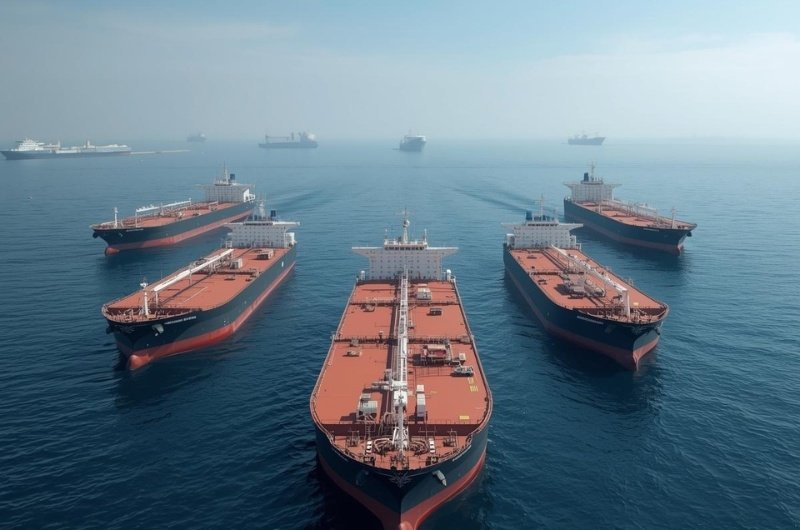
A dramatic escalation in tensions between the United States and Iran is unfolding as President Donald Trump issued a stark warning ahead of a critical deadline tied to the Strait of Hormuz. In a social media post, Trump stated that “a whole civilization will die tonight, never to be brought back again,” adding that while he does not want that outcome, “it probably will.” He continued, “We will find out tonight, one of the most important moments in the long and complex history of the World,” underscoring the gravity of the situation as the clock ticks toward an 8 p.m. Eastern deadline he has set for Iran to reopen the vital shipping route. The Strait of Hormuz remains one of the most strategically important waterways in the world, serving as a major channel for global energy supply. Its closure has already disrupted markets and raised concerns about broader economic fallout. At the same time, military activity in the region is intensifying. Strikes targeting infrastructure and key locations have increased pressure on both sides, with Iran signaling it will not comply with the deadline without significant concessions. The situation is now entering a critical window. With only hours remaining, the risk of further escalation is rising sharply, and the outcome could have far-reaching implications for global stability, energy markets, and geopolitical relations. The Readovia Lens Moments like this rarely unfold quietly. What begins as a geopolitical standoff can quickly evolve into something far more consequential, especially when deadlines, military action, and public warnings intersect. The language being used matters. In this case, it suggests the situation may be nearing a critical threshold, where decisions made within hours could shape global events in ways that are difficult—or even impossible—to reverse. Markets are already responding to the uncertainty, with energy-linked assets moving sharply as the situation continues to unfold.