

The Holiday 100: Google Reveals the Gifts Everyone’s Searching for This Season

Google today released its Holiday 100 — the annual list of the most-searched gift ideas in America — and this year’s results say as much about the nation’s mood as they do about what will be under the tree. Built from billions of Google Shopping searches, the list highlights the products and categories seeing the biggest surges in interest, from red-light therapy masks to retro video game consoles. Unlike traditional gift guides, Google’s ranking isn’t editorially curated — it’s entirely powered by search data. That makes it one of the clearest reflections of consumer intent heading into the 2025 holiday season. Early standouts include movie projectors, which saw searches skyrocket by more than 900%, along with a surge in home fitness gear, fragrance sets, and AI-powered kitchen gadgets. The top fashion searches lean toward nostalgia, with “drop-waist dresses” and “crescent bags” making a comeback. The underlying theme: consumers are leaning toward comfort, creativity, and personal improvement — items that make everyday life feel a little more elevated or entertaining, even amid economic strain. Analysts say this signals a desire for “meaningful luxury” — affordable indulgences that balance practicality with joy. Retailers and marketers will be watching closely. The Holiday 100 captures what people want, and shapes what they’ll buy. As Google Shopping’s director of insights noted, “search trends are now the first indicator of retail momentum.” For brands and buyers alike, the list offers a snapshot of where culture — and commerce — are heading next.
Trump Defends ICE Raids, Says They ‘Haven’t Gone Far Enough’

On Friday, President Trump sat down with Norah O’Donnell for a primetime 60 Minutes interview that quickly drew national attention. The wide-ranging conversation covered immigration enforcement, the government shutdown, and foreign affairs — but it was Trump’s remarks about the use of force in recent ICE raids that became the most talked-about moment. According to 60 Minutes, the interview took place exactly one year to the day since Trump sued Paramount, alleging that 60 Minutes had deceptively edited an interview with his former opponent, Kamala Harris. Paramount settled the lawsuit, though the agreement did not include an apology or any admission of wrongdoing. During the interview, Trump defended the recent series of aggressive Immigration and Customs Enforcement (ICE) operations, saying the raids “haven’t gone far enough.” His comments came after O’Donnell cited viral videos showing ICE agents tackling a young mother, deploying tear gas in a Chicago neighborhood, and smashing car windows during arrests. When asked whether those tactics had gone too far, Trump replied, “No, I think they haven’t gone far enough because we’ve been held back by the liberal judges that were put in by Biden and by Obama.” Pressed again on whether he approved of the methods seen in those videos, he said, “Yeah, because you have to get the people out.” The remarks quickly drew sharp reactions online, with immigrant-rights advocates condemning the statement as an endorsement of excessive force, while supporters argued it reflected a tougher stance on border enforcement long promised by his administration. Legal experts say the President’s comments could deepen tension between the executive branch and the judiciary, which has already issued multiple rulings limiting federal enforcement actions. As footage of the raids continues circulating nationwide, Trump’s defense underscores the administration’s determination to escalate immigration operations — even at the risk of renewed constitutional and moral debate.
Weakness in the Real Economy: Fewer Shoppers, Fewer Hours, Growing Concern

As economic pressures rise, fewer shoppers and shorter shifts reveal growing weakness in the real economy — from local retail stores to household budgets across America. At a suburban grocery store outside Washington, D.C., a cashier told Readovia Saturday that her hours had been cut back. When asked why, she shrugged: “There aren’t as many people buying groceries right now. On a day like today, our store would usually be packed. But there’s only a few people here shopping.” Her story mirrors a broader national shift that’s beginning to show up in economic data — and in checkout lines across the country. The U.S. economy enters a fragile phase as rising costs and uncertainty begin to pinch lower- and middle-income households, threatening what has until now been a durable engine of growth. A report by Reuters highlights that families are absorbing heavier burdens from health-care expenses, reduced food-benefit certainty, and inconsistent job-market signals — just as the holiday-spending season looms. Traditionally, November marks the kickoff of consumer spending on travel, gifts, and dining — but this year many households appear less able to ramp up. The ongoing federal government shutdown, which has halted processing of certain assistance programs, adds to the strain. Financial cushions are thinner, and the buffer for unexpected job loss or medical costs is shrinking. For business leaders and strategists, the implications are significant. A slowdown in discretionary spending by lower-income consumers could ripple into sectors like retail, dining, and travel — areas that depend on broad-based consumer resilience rather than affluent spending alone. The question now is how broadly the economic weakness will spread.
U.S. Tightens AI Chip Exports to China While Granting Microsoft License for UAE

The United Arab Emirates (UAE), a federation of Gulf states rapidly positioning itself as a global hub for artificial intelligence, has become a key U.S. technology partner — even as the Trump administration draws a sharp line against rivals like China. The White House is barring access to America’s most powerful Nvidia chips for certain nations while granting new export licenses to trusted allies such as the UAE. During recent remarks, President Trump said Nvidia’s top-tier Blackwell processors would be reserved for U.S. companies, describing them as vital to national security and too strategic to share with “other people.” The statement signals an expansion of current export controls and highlights how AI hardware has become a core lever of geopolitical power. Yet even as those restrictions take hold, the administration quietly approved a deal allowing Microsoft to ship advanced Nvidia chips to the UAE. The company is also planning a multibillion-dollar investment in AI and cloud infrastructure across Abu Dhabi — a move that underscores Washington’s shift toward a “trusted partner” model rather than a full export freeze. Analysts say the contrast reveals a more nuanced strategy than a simple ban. Rather than walling off U.S. technology entirely, policymakers are channeling it toward nations seen as stable allies, hoping to maintain global influence while protecting national interests. Still, the decision raises new questions for multinational firms: how to navigate a world where access to the same AI hardware now depends as much on diplomacy as on demand.
Federal Judges Order Trump Administration to Keep SNAP Benefits Flowing Amid Shutdown

In a major legal rebuke to the Trump administration, two federal judges have ordered the Agriculture Department to continue funding the Supplemental Nutrition Assistance Program (SNAP) despite the ongoing government shutdown — a ruling that spares millions of families from an abrupt loss of food aid. Regular SNAP funding was set to expire November 1, with the U.S. Department of Agriculture warning that “the well has run dry.” But back-to-back rulings Friday by U.S. District Judge John McConnell Jr. in Rhode Island and U.S. District Judge Indira Talwani in Massachusetts require the department to draw on $5.25 billion in contingency funds to keep benefits flowing. “There is no doubt, and it is beyond argument, that irreparable harm will begin to occur if it hasn’t already occurred in the terror it has caused some people about the availability of funding for food, for their family,” McConnell said during a virtual hearing. The orders came after a coalition of 25 Democratic-led states, joined by nonprofit organizations and faith groups, sued to prevent the Trump administration from halting food assistance to the 42 million low-income Americans who depend on SNAP each month. Talwani’s ruling goes further, directing the government to decide by November 3 whether to issue reduced benefits using the contingency fund or reallocate other discretionary funds to close the gap. Shutdown at Day 31 The 31-day shutdown, now the longest in decades, continues to ripple across the country. Flight disruptions are mounting, even affecting senators trying to leave Washington. Families have spent the week fearing their SNAP and WIC (Women, Infants and Children) benefits would lapse. Food banks and pantries warned they could not meet the surge in demand if federal benefits stopped. “For now, these families can continue putting food on their tables, and thousands of nonprofit food banks, pantries, and other organizations across the country can avoid the impossible burden that would have resulted if SNAP benefits had been halted,” said Diane Yentel, CEO of the National Council of Nonprofits. The Justice Department had argued that it was “not possible” to issue partial benefits because the contingency fund covers only about half of SNAP’s roughly $9 billion in monthly costs. Judges rejected that argument, saying the administration must use the money already authorized by Congress. Follow Up Orders Both courts have ordered federal officials to submit written updates on funding plans by noon Monday. The Trump administration has not yet commented on the rulings. Between the Lines The dual rulings underscore the limits of executive power during a funding lapse and highlight how federal courts can act as a backstop when core safety-net programs are threatened. While Friday’s decisions avert a humanitarian crisis for now, they do not resolve the central issue: without a congressional deal, contingency funds may soon be exhausted, leaving millions of Americans once again uncertain about where their next meal will come from.
Federal Judge Blocks Trump Administration from Proceeding with Shutdown Layoffs

A federal judge has indefinitely blocked the Trump administration from carrying out planned layoffs of federal employees during the ongoing government shutdown, delivering another major setback to the administration’s approach to the crisis. The ruling, issued late Thursday by U.S. District Judge Susan Illston in California, stops the administration from executing or issuing new “reduction in force” notices — effectively freezing the layoff process while the shutdown continues. The decision came in response to lawsuits from federal employee unions arguing that the White House was using the shutdown to sidestep labor protections and reorganize agencies without congressional approval. Judge Illston first intervened on October 15, issuing a temporary order to halt the administration’s planned layoffs while the court reviewed the case. Nearly two weeks later, on October 28, she expanded that order into a preliminary injunction, indefinitely barring the White House from carrying out permanent terminations or issuing new layoff notices while the broader lawsuit moves forward. The back-to-back rulings ensure that no federal employee can be fired under the administration’s shutdown plan until the courts make a final determination. Judge Illston said the government could not treat a lapse in funding as permission to rewrite the law. In her words, the administration had acted as if “the laws don’t apply anymore” and that it could reshape the government at will — a view she firmly rejected. A Major Restraint on Executive Power The injunction applies across key federal departments and agencies that were preparing to furlough or lay off employees amid the funding freeze. It also halts layoffs already in progress, preventing what could have been one of the largest coordinated reductions in the federal workforce in decades. The decision reinforces a simple principle: even in a shutdown, the executive branch must follow established laws and due-process protections for government workers. Union Challenge Sparks Broader Legal Showdown Labor unions had already taken the administration to court before the shutdown began, warning that its plan to replace temporary furloughs with permanent terminations was both unprecedented and illegal. Under standard practice, furloughed employees are later reinstated with back pay once federal funding resumes. But the administration’s proposal sought to eliminate that safety net entirely — a move unions argued would amount to mass firing without due process. Attorneys representing federal workers said the effort was designed to bypass Congress and reshape the civil service through the back door. By preemptively suing, they positioned Friday’s ruling as part of a larger fight over worker protections, executive overreach, and the future of the federal workforce itself. Relief for Thousands of Workers For tens of thousands of federal employees facing uncertainty, the ruling offers a temporary reprieve. Many workers have now gone more than a month without pay, while agencies have struggled to maintain basic operations. By barring the layoffs, the court has given agencies time — and Congress additional pressure — to resolve the funding stalemate. “This restores a sense of order in a time of chaos,” said one federal workers’ representative following the ruling. The Takeaway The injunction is the latest in a growing series of legal challenges constraining the Trump administration’s shutdown strategy. Coming just hours after federal courts ordered the continuation of SNAP food benefits, it highlights a deepening pattern of judicial intervention as the shutdown drags into its 31st day. While the order prevents mass terminations for now, it does not solve the broader problem. Without a budget deal, the government remains paralyzed — and workers remain in limbo, waiting for Washington to act.
Trump Urges End to Filibuster as Shutdown Standoff Threatens Food Aid and Public Trust
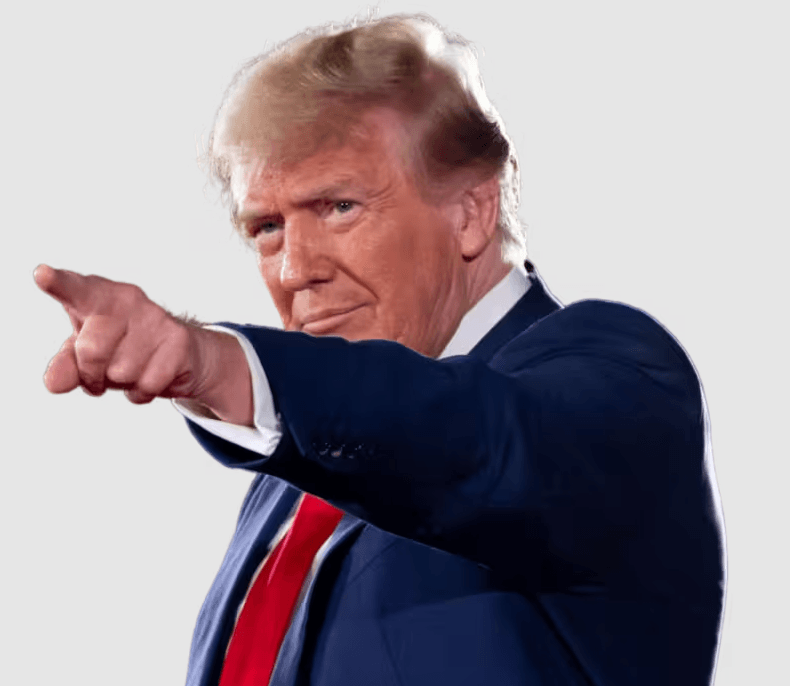
As the federal shutdown drags into its second month, President Trump is pressing Republicans to eliminate the Senate filibuster — while millions risk losing access to food assistance. His push aims to give Republicans a path to end the impasse without Democratic votes, but critics warn it would dissolve one of the few remaining checks on majority rule. The shutdown’s toll is mounting. Federal workers remain without pay, and states are preparing for widespread disruptions to the Supplemental Nutrition Assistance Program (SNAP). Nearly 42 million Americans could see benefits lapse after November 1, dealing a blow to households already strained by higher prices and rising debt. The Senate, meanwhile, narrowly voted to reject the administration’s latest round of global tariffs — an unusual bipartisan rebuke that underscores deep unease over the White House’s trade strategy. Political and Economic Undercurrents Trump’s demand to remove the filibuster highlights the broader erosion of congressional norms that once required compromise. What was once viewed as a stabilizing rule has now become the next partisan battleground — and its elimination could accelerate future policy swings between administrations. Economically, the risks are tangible. SNAP benefits support billions in monthly grocery purchases; without them, the ripple effects would hit food suppliers, retailers, and local economies alike. Combined with the market anxiety surrounding trade volatility and stalled federal operations, the broader cost of gridlock is beginning to show. The Bigger Picture The standoff has evolved from a policy dispute into a test of governance itself. Calls to abandon the filibuster reveal how polarized Washington has become — and how little room remains for negotiation. For everyday Americans, the consequences are already concrete: missed paychecks, suspended benefits, and deepening uncertainty about whether their government can still function for them.
The Global Mind Crisis: Over One Billion People Now Living With Mental Health Conditions

The World Health Organization (WHO) reported in September that more than one billion people worldwide are now living with a mental health condition — a record high that underscores what experts describe as a “silent global emergency.” The organization’s findings revealed that the majority of those affected receive little to no treatment, especially in lower-income countries where mental health care remains chronically underfunded. In some regions, fewer than one in five people suffering from depression, anxiety, or other disorders have consistent access to care. The WHO warns that without urgent investment, the social and economic impact could reach trillions in lost productivity over the next decade. The report links the surge in mental strain to a convergence of modern pressures — lingering pandemic effects, financial instability, and the digital overload of 24/7 connectivity. Experts say the numbers highlight not just a healthcare crisis, but a cultural one: a world where economic stress, isolation, and constant comparison have become defining features of daily life. Governments and organizations are beginning to respond. According to WHO, more than 80% of countries now include mental health and psychosocial support in national emergency responses, up from just 39% in 2020. The organization also released new global guidance earlier this year urging nations to reform outdated mental health systems, emphasize prevention, and expand access to community-based care. From the European Union’s investment in mental health strategies to Africa’s growing network of mental wellness programs, the message is the same — this is not just a health issue, but a human one. Globally, the WHO continues to call for mental wellness to be treated as a cornerstone of national development. “No country can afford to ignore this crisis,” the report concludes — a reminder that mental well-being is as essential to global stability as any other measure of public health.
Prince Andrew Evicted as King Charles Ends His Royal Life at Windsor

In an historic royal decision, King Charles III has stripped Prince Andrew of all titles and privileges and ordered him to vacate the Royal Lodge at Windsor. Buckingham Palace confirmed that the Duke of York will now be known simply as Andrew Mountbatten-Windsor, marking a decisive end to his official royal life. The late Queen Elizabeth II had granted Andrew long-term residence at the Royal Lodge under a private lease arrangement with the Crown Estate. In 2003, he reportedly paid £1 million to secure the 75-year lease, which was set to run until 2078 and required him to personally fund renovations and maintain the surrounding grounds. Once viewed as a lasting symbol of royal privilege, that agreement has now been rescinded. The eviction follows years of scandal and public backlash over Andrew’s association with convicted financier Jeffrey Epstein. Palace insiders describe the move as “final and necessary,” reflecting King Charles’s effort to modernize the monarchy and reinforce accountability. The message is clear: even among royals, legacy no longer shields from consequence.
Senate Fights Back: Voting to Terminate Global Tariffs
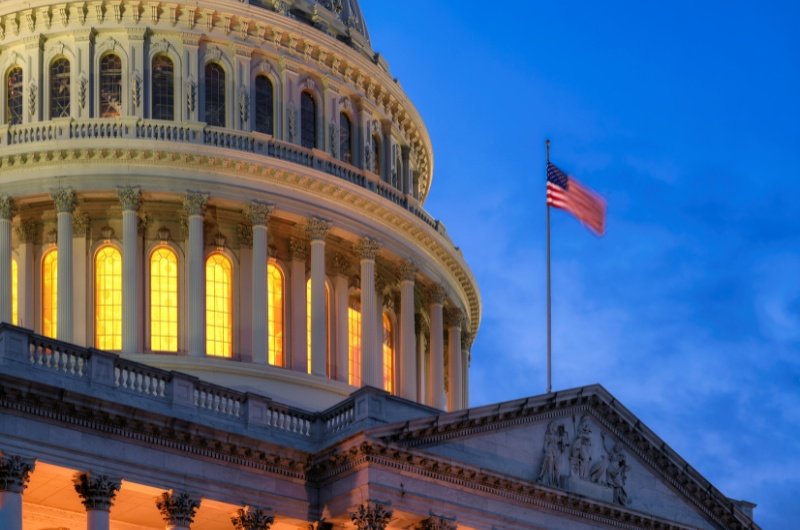
In a rare act of defiance, the United States Senate has voted to terminate President Donald Trump’s sweeping global tariffs — a move that challenges the administration’s grip on trade policy and tests the limits of executive power. The 51–47 vote marks a sharp bipartisan rebuke of a system that has levied tariffs on more than 100 countries, raising costs for American industries and consumers alike. While the measure faces steep odds in the Republican-controlled House, it underscores a growing unease in Congress over what many lawmakers view as a “one-man trade war.” The Vote Heard Around the World The Senate resolution seeks to end the so-called “Liberation Day” tariff plan — an initiative the Trump administration implemented under emergency economic authority. The tariffs, framed as a tool to pressure trading partners and protect U.S. manufacturing, have since drawn criticism for disrupting global supply chains and straining relationships with allies. Four Republican senators — Susan Collins, Mitch McConnell, Rand Paul, and Lisa Murkowski — joined Democrats to advance the measure. Their support was enough to send a symbolic message: trade policy belongs to Congress, not the Oval Office. Cracks in the Trade Wall The Senate’s vote follows earlier challenges to tariffs targeting Brazil and Canada, signaling an organized pushback rather than isolated dissent. For many legislators, this moment represents an inflection point — a bid to reclaim oversight authority long eroded by decades of executive expansion. Even conservative lawmakers who once supported Trump’s protectionist stance now argue that the costs are outweighing the benefits. Farmers, manufacturers, and importers have reported steep price increases, delayed shipments, and shrinking export opportunities. “The tariffs were supposed to make America stronger,” one senator remarked privately, “but they’re starting to make America smaller.” A Global Ripple International markets reacted cautiously to the Senate’s vote, viewing it as both a political statement and a potential precursor to policy recalibration. Countries targeted under the tariff plan — including Canada, Germany, and Japan — welcomed the move as a sign that Washington’s trade posture may be softening. Still, the measure faces a procedural blockade in the House, where Republican leadership has implemented new rules preventing tariff-related resolutions from reaching the floor until next spring. That delay effectively shields the administration’s trade program from immediate reversal. The Bigger Picture At stake is precedent. The battle over tariffs reflects a broader question about how much power presidents should wield over global economics. For decades, Congress has ceded portions of its constitutional trade authority in the name of efficiency and diplomacy. But the Senate’s action suggests an appetite to rebalance that equation — even at the risk of political fallout. Economists warn that instability in tariff policy can rattle markets and complicate corporate planning, particularly for industries dependent on long-term supply agreements. Yet for lawmakers, the immediate concern is not just economic, but institutional: restoring checks and balances in the era of economic nationalism. Between the Lines For investors and executives, the Senate’s defiance signals a potential shift in how trade and governance intersect. It may not dismantle the tariffs overnight — but it does mark the beginning of a larger recalibration of U.S. economic strategy. When politics and global commerce collide, it’s rarely about the numbers. It’s about who gets to write the rules.