


America 250: A Year of Celebrations Is Underway Across the United States
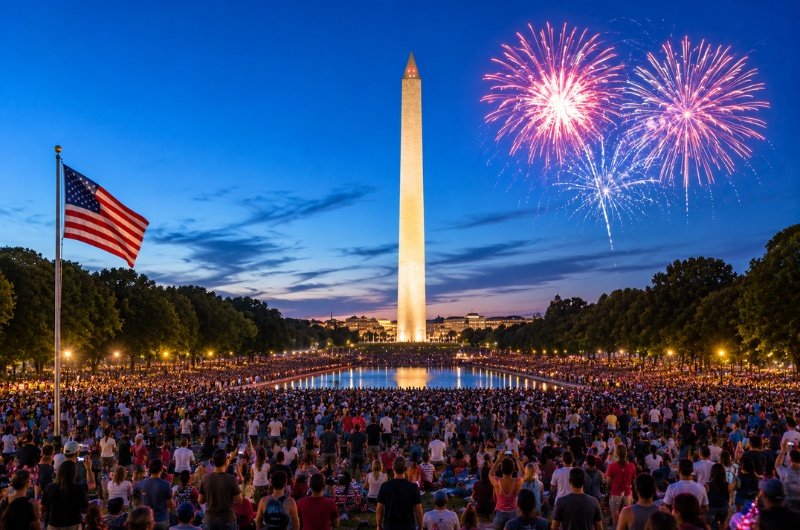
The United States has officially entered a year-long celebration marking the nation’s 250th anniversary of independence, with planned events leading up to and beyond the Fourth of July. Communities across all 50 states are joining a nationwide celebration with festivals, patriotic events, educational programs, and historic commemorations. Led by President Donald Trump’s Freedom 250 initiative, the celebration is designed to commemorate the signing of the Declaration of Independence while highlighting America’s history, culture, innovation, and shared traditions. Federal, state, and local organizations are expected to host hundreds of events throughout the year, giving millions of Americans opportunities to participate in the historic milestone. Among the signature events is the Great American State Fair, which will bring exhibits and cultural showcases representing all 50 states to the National Mall in Washington. Organizers have also announced military displays, concerts, fireworks, educational exhibits, and family-friendly activities as part of the national celebration. Other planned highlights include the International Naval Review in New York Harbor, the Patriot Games, traveling Freedom Trucks, student art and history competitions, and community celebrations taking place in cities and towns across the country. Many museums, historic sites, national parks, and civic organizations are also planning special exhibitions and educational programs recognizing the nation’s founding. While many of the largest celebrations will take place around Independence Day, the America 250 initiative is intended to extend well beyond the holiday, encouraging Americans to reflect on the country’s history while looking toward its future. What Americans Can Expect Throughout the year, communities across the United States are expected to host: Patriotic festivals and parades Fireworks celebrations Historical reenactments Concerts and live performances Educational exhibits and museum programs Student art, essay, and history competitions Military demonstrations and ceremonial events State fairs and local community celebrations A Celebration for All Americans Officials say the nationwide effort is intended to celebrate the people, places, and events that have shaped the United States over the past two and a half centuries while encouraging Americans of all ages to participate in one of the country’s most significant anniversaries. The Readovia Lens Few nations have the opportunity to celebrate a quarter-millennium of independence. The America 250 initiative is expected to become one of the largest coordinated civic celebrations in U.S. history, bringing together communities from every state to honor the nation’s past while looking ahead to its next chapter.
Trump Accounts Launch July 4: What Parents Need to Know

A new federal savings and investment program known as Trump Accounts officially launches on July 4, giving many families a new way to begin building long-term financial assets for their children. Created under legislation signed in 2025, the program allows parents and guardians to open tax-advantaged investment accounts for eligible children. For qualifying newborns, the federal government also provides a one-time $1,000 contribution to help jump-start long-term savings. Advertisement What Is a Trump Account? A Trump Account is a long-term investment account established for a child and designed to encourage saving and investing from an early age. The accounts are invested in diversified, low-cost U.S. stock index funds approved by the Treasury Department. Parents or another authorized adult manage the account during childhood, while the beneficiary gains control after reaching adulthood under rules established by the program. Who Is Eligible? Children who are U.S. citizens, have a valid Social Security number, and were born between Jan. 1, 2025, and Dec. 31, 2028, qualify for the federal government’s $1,000 seed contribution. Parents may also open Trump Accounts for many other children under age 18, although those children generally are not eligible for the federal $1,000 deposit. How Do Parents Open an Account? Families must actively enroll by submitting IRS Form 4547, which establishes the account and, when applicable, requests the federal contribution. The Treasury Department has also said additional online enrollment options will become available as the program rolls out. How Much Can Families Contribute? Beginning July 4, parents, grandparents, relatives, employers and other eligible contributors may begin adding money to a child’s account. General annual contributions are limited to $5,000, while certain employer contributions have separate limits established under federal law. The accounts may also receive qualifying contributions from governments and charitable organizations under specific program rules. How Can the Money Be Used? The accounts are intended as long-term savings vehicles rather than short-term spending accounts. Funds generally remain invested until the child reaches adulthood, after which withdrawals may be used for purposes permitted under the program, including education expenses, purchasing a first home, starting a business, or other qualifying uses established under federal law. What Parents Should Know Financial planners note that Trump Accounts are designed to complement—not necessarily replace—other savings options such as 529 college savings plans or retirement accounts. For families with eligible children, however, the combination of a government-funded $1,000 contribution and years of potential investment growth could provide a meaningful financial head start if the money remains invested over the long term.
Dangerous Heat Wave Grips U.S. as El Niño Signals a Sizzling Summer Ahead

Millions of Americans are facing dangerous heat as a widespread heat wave settles across much of the United States ahead of the Independence Day holiday, while forecasters continue monitoring a strengthening El Niño that is expected to influence weather patterns in the months ahead. The intense stretch of hot weather is expected to affect more than 100 million people across parts of the Midwest, South, Mid-Atlantic, and Northeast. In many communities, temperatures are forecast to climb into the upper 90s and low 100s, with humidity pushing heat index values as high as 110 to 115 degrees in some locations. The National Weather Service has warned that prolonged exposure to the heat could increase the risk of heat exhaustion and heat stroke, particularly for older adults, young children, outdoor workers, and people without access to air conditioning. Officials are encouraging residents to stay hydrated, limit strenuous outdoor activity during the hottest part of the day, and check on neighbors who may be more vulnerable. The heat arrives as millions of Americans prepare to travel and celebrate the nation’s 250th Independence Day, prompting some cities to open cooling centers and activate heat emergency plans. Utility providers are also monitoring electricity demand as air conditioners work overtime across large portions of the country. El Niño Expected to Shape the Months Ahead Beyond this week’s heat, climate experts are closely watching El Niño, a naturally occurring climate pattern that develops when sea surface temperatures in the central and eastern Pacific Ocean become warmer than average. According to the National Oceanic and Atmospheric Administration (NOAA), El Niño conditions are now present and are expected to strengthen into late 2026. While El Niño does not determine day-to-day weather, it can influence seasonal temperature and precipitation patterns across different regions of the United States and around the world. Forecasters caution that individual heat waves are driven by a variety of atmospheric conditions. However, a strengthening El Niño is one of several large-scale climate factors that could contribute to unusual weather patterns during the remainder of the summer and into the fall. Staying Safe in Extreme Heat Health officials recommend drinking plenty of water, wearing lightweight clothing, avoiding prolonged outdoor activity during peak afternoon hours, and never leaving children or pets inside parked vehicles. People attending Independence Day events are encouraged to seek shade whenever possible and pay close attention to local weather advisories. As Americans prepare to celebrate the holiday weekend, forecasters say the combination of extreme heat and a strengthening El Niño serves as a reminder that this summer could bring more periods of unusually hot weather across parts of the country.
U.S. Employers Added Just 57,000 Jobs in June as Hiring Slows

The U.S. labor market lost momentum in June as employers added just 57,000 jobs, a sharp slowdown from previous months and well below economists’ expectations, according to the latest employment report released Thursday. While hiring cooled, the unemployment rate edged down to 4.2% from 4.3% in May. However, much of that decline was driven by fewer Americans participating in the labor force rather than a surge in new employment, offering a more nuanced picture of the nation’s job market. Advertisement The report also revised April and May payroll figures downward by a combined 74,000 jobs, suggesting hiring has been weaker than previously believed. Over the past three months, job growth has continued to moderate after a stronger start to the year. Professional and business services led job creation in June, followed by gains in social assistance and health care. Meanwhile, the leisure and hospitality sector posted a notable decline in employment, weighing on the overall total. Markets Welcome the Report Although slower job growth can raise concerns about the economy, financial markets reacted positively to Thursday’s report. Investors viewed the softer employment data as reducing the likelihood that the Federal Reserve will raise interest rates in the near term. Lower borrowing costs can support consumer spending, business investment, and stock prices, particularly in interest-rate-sensitive sectors. A Labor Market Still Showing Resilience Despite the slowdown, the report does not point to a collapsing labor market. Many employers continue to hire, layoffs remain relatively modest, and several industries are still adding workers. At the same time, economists will be watching future employment reports closely to determine whether June marks the beginning of a broader cooling trend or simply a temporary slowdown. The June employment report arrives as policymakers continue balancing efforts to control inflation while supporting economic growth, making the labor market one of the most closely watched indicators in the months ahead.
Trump Administration Sends Billions in Tariff Refunds to U.S. Businesses Ahead of Deadline
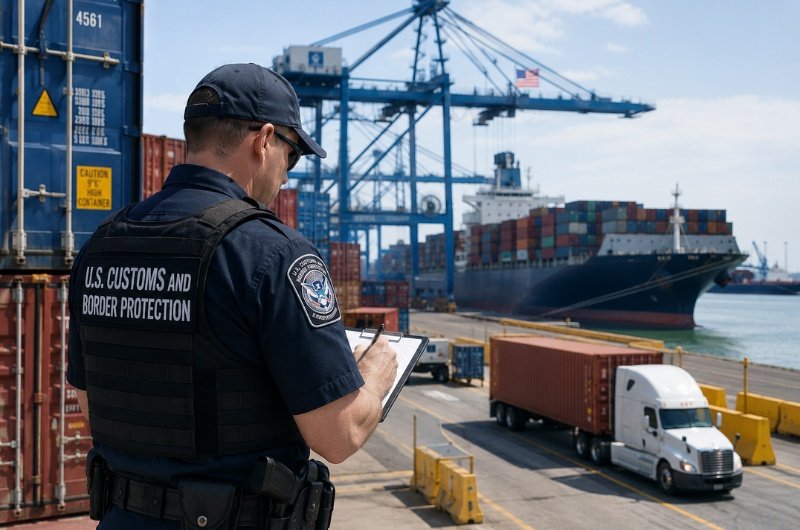
The Trump administration has begun sending billions of dollars in tariff refunds to U.S. businesses as a key refund deadline approaches, marking the next phase of a sweeping effort to return duties collected under tariffs that were later ruled unlawful. The refunds are being processed by the U.S. Customs and Border Protection (CBP) through its Consolidated Administration and Processing of Entries (CAPE) portal, which was created to handle the unprecedented volume of claims. According to CBP, approximately 330,000 companies are eligible to receive refunds covering qualifying tariff payments. Trade law experts have reported that more than $95 billion in approved refunds had already entered the CAPE processing system, with CBP planning a major wave of payments before the end of June. The refunds stem from tariffs imposed under the International Emergency Economic Powers Act (IEEPA) that were later challenged in court. Since then, federal agencies have worked to establish a process for returning eligible duties to importers. Major retailers, manufacturers, and logistics companies—including Walmart, Costco, Home Depot, Target, General Motors, Ford, FedEx, UPS, and DHL—are among the companies expected to benefit from the refund process, according to published reports. While the payments are being made to businesses rather than individual consumers, economists say the refunds could strengthen corporate balance sheets, support new investments, improve cash flow, and help offset some of the costs businesses absorbed while the tariffs were in effect. CBP has said refund payments are being issued in phases as claims are verified and processed through the CAPE system. Businesses with approved claims generally receive payments electronically after their refund requests have been accepted. The Readovia Lens The tariff refund program represents one of the largest customs repayment efforts in U.S. history. As billions of dollars flow back into the private sector, the refunds could provide an additional financial boost for companies ranging from national retailers to manufacturers and logistics providers, while bringing closure to one of the most significant trade disputes in recent years. ——————– Related: Trump Administration to Launch Tariff Refund Portal as Billions Could Flow Back to Businesses $166 Billion Tariff Refund Expected as New U.S. System Prepares to Launch
German Space Manufacturer Chooses Texas for First U.S. Factory
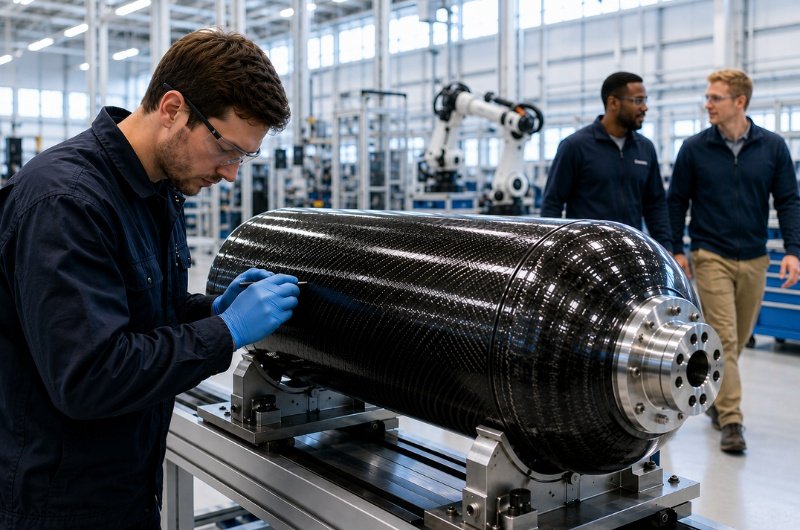
German aerospace manufacturer Blackwave is expanding into the United States with plans to open its first American manufacturing facility in Texas, underscoring the continued growth of the nation’s commercial space industry. The company will establish operations at Port San Antonio, where it plans to invest approximately $2.5 million to renovate a 35,000-square-foot facility that will serve as its U.S. production hub. The Texas facility will manufacture composite overwrapped pressure vessels, or COPVs. These lightweight, high-strength tanks are designed to safely store pressurized gases and are widely used in launch vehicles, satellites, and other spacecraft where reducing weight is critical. Advertisement Blackwave expects to hire more than 30 employees during its first year of operations, with long-term plans to grow its workforce to approximately 250 people as production expands. Company officials said establishing a manufacturing presence in the United States will allow Blackwave to better serve North American customers while reducing shipping times and navigating an increasingly complex global trade environment. The company also sees opportunities to supply components to leading commercial space companies. While no customer agreements have been announced, executives said businesses such as SpaceX represent the type of growing launch providers that could benefit from the larger pressure vessels produced at the Texas facility. The Readovia Lens The announcement is another sign that the U.S. space economy continues to attract international investment. As demand for rockets, satellites, and advanced spacecraft grows, manufacturers from around the world are expanding their presence in the United States to support the next generation of space exploration and commercial launch services. For Texas, the investment further strengthens the state’s position as one of America’s leading aerospace and advanced manufacturing hubs, joining a growing network of companies helping build the technologies that power the modern space industry.
Supreme Court Upholds Birthright Citizenship in Landmark Constitutional Ruling
The U.S. Supreme Court on Tuesday upheld birthright citizenship, rejecting President Donald Trump’s effort to limit automatic citizenship for certain children born in the United States and reaffirming a constitutional principle that has stood for more than a century. The decision centered on an executive order issued by President Trump shortly after returning to office in 2025. The order sought to deny automatic U.S. citizenship to children born in the United States if their parents were in the country illegally or were present only temporarily, such as on student or tourist visas. In its ruling, the Court concluded that the Fourteenth Amendment’s Citizenship Clause continues to guarantee citizenship to nearly everyone born on U.S. soil, preserving a constitutional interpretation that has guided American law for generations. The decision leaves only the narrow, long-recognized exceptions that have historically existed, such as children born to foreign diplomats. The case represented one of the most closely watched legal battles of the Court’s term because it tested the scope of presidential authority as well as the meaning of the Constitution’s citizenship protections. The ruling also reinforces the Court’s longstanding interpretation of the Fourteenth Amendment, first established in the landmark 1898 case involving Wong Kim Ark. Supporters of the executive order argued that the Constitution does not require automatic citizenship for children born to parents who are unlawfully or temporarily present in the United States. Opponents countered that the Citizenship Clause has consistently been understood to apply to virtually everyone born within the country’s borders, regardless of their parents’ immigration status. The ruling marks a significant setback for one of the Trump administration’s highest-profile immigration initiatives. While the decision preserves the current constitutional understanding of birthright citizenship, debates over immigration policy are expected to continue in Congress and throughout the 2026 election season. ——————– Related: Birthright Citizenship Fight Returns to Supreme Court in High-Stakes Legal Clash Supreme Court Issues Landmark Ruling on Transgender Athletes in School Sports
Supreme Court Issues Landmark Ruling on Transgender Athletes in School Sports

The U.S. Supreme Court on Tuesday ruled that states may enforce laws restricting transgender girls and women from competing on girls’ and women’s sports teams, marking one of the Court’s most closely watched decisions of the year. The 6-3 ruling allows Idaho and West Virginia to enforce their laws while also strengthening similar measures already adopted in more than two dozen states. The Court concluded that the laws are consistent with the Constitution and federal law. Advertisement The legal challenge centered on whether the state laws unlawfully discriminated against transgender students. Supporters argued the restrictions help preserve fairness in girls’ and women’s sports by basing eligibility on biological sex. Opponents argued the laws unfairly exclude transgender students from participating in school athletics. The Supreme Court ultimately sided with the states, reversing lower court rulings that had prevented the laws from taking effect. The decision is expected to influence similar cases across the country as additional legal challenges move through the courts. The ruling gives states greater authority to set eligibility rules for school sports teams and is likely to shape future debates over athletics, education policy, and transgender rights. Because more than 25 states have enacted similar laws, the decision could have nationwide implications. The decision was one of several major rulings issued by the Supreme Court on the final day of its current term, alongside cases involving birthright citizenship and campaign finance.
SanDisk Stock Soars Again as Wall Street Raises Price Target

SanDisk continues to turn heads on Wall Street after another major analyst raised expectations for the memory technology company, extending what has already been one of the stock market’s most remarkable rallies of 2026. If you’ve already picked up the June edition of The Readovia Stock Stack™, SanDisk should look familiar. The company is one of the eight stocks featured in the report and has continued its remarkable climb this year as Wall Street grows increasingly optimistic about its role in the AI infrastructure boom. Advertisement On Tuesday, Bernstein analyst Mark Newman reaffirmed his “Outperform” rating on SanDisk and raised his price target from $1,700 to $3,000, signaling confidence that the company’s momentum could continue. The new target reflects the firm’s belief that SanDisk’s long-term supply agreements provide stronger protection against future market downturns while improving earnings visibility. SanDisk shares closed the day up more than 10%, adding to an extraordinary run that has seen the stock soar approximately 858% year to date. The company reached a record high earlier this month and remains one of the best-performing stocks of 2026. Much of the optimism centers on growing demand for memory and storage technology used in artificial intelligence infrastructure. As companies continue investing in larger data centers and AI systems, demand for enterprise solid-state drives and NAND flash memory has remained exceptionally strong. Analysts also point to SanDisk’s evolving long-term customer agreements, which now include longer contract periods, pricing protections, and upfront financial commitments. Those changes are expected to provide more predictable revenue and reduce some of the risks traditionally associated with the memory chip industry. While Wall Street’s latest price target reflects continued optimism, investors should remember that analyst forecasts are opinions rather than guarantees. After such a dramatic rally, periods of volatility remain possible, even for companies with strong long-term growth prospects. Still, SanDisk’s performance serves as another reminder that the companies supplying the technology behind artificial intelligence continue to attract significant investor attention as the AI infrastructure buildout accelerates.
America’s 250th Anniversary Celebrations Begin With Great American State Fair in Washington
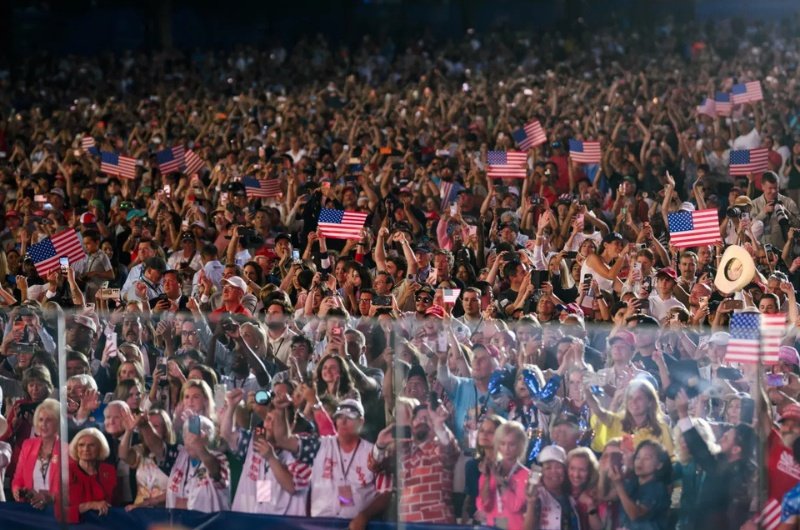
The United States officially kicked off celebrations marking the nation’s 250th anniversary this weekend as thousands gathered on the National Mall for the opening of the Great American State Fair, launching a series of events leading up to Independence Day and the country’s historic semiquincentennial. The celebration transforms the National Mall into a showcase of American history, culture, innovation, and traditions, with exhibits representing all 50 states, family-friendly activities, live entertainment, military displays, and opportunities for visitors to explore the nation’s diverse heritage. President Trump helped launch the festivities, calling attention to the country’s upcoming 250th birthday and outlining additional commemorative events planned for the days ahead. Among the highlights is a July 3 celebration at Mount Rushmore, where Trump is scheduled to participate in a fireworks event honoring the nation’s founding. On July 4, Washington will host a “Tribute to America” celebration centered around the Lincoln Memorial and Washington Monument, bringing together patriotic performances, military tributes, and festivities marking Independence Day. The broader America 250 initiative will continue beyond this week’s events, with celebrations planned across the country as communities commemorate two and a half centuries since the signing of the Declaration of Independence on July 4, 1776. Organizers say the anniversary offers an opportunity for Americans to reflect on the nation’s history, celebrate its achievements, and look ahead to the future as preparations continue for next year’s official 250th anniversary observances. The Readovia Lens While the nation’s official 250th anniversary falls on July 4, 2026, celebrations are already underway as federal, state, and local organizations prepare for what is expected to be one of the largest nationwide commemorations in U.S. history. Events throughout the coming year are expected to highlight American history, civic engagement, innovation, culture, and the people and places that have shaped the country over the past two and a half centuries.