


Popular Weight-Loss Drugs May Slow Biological Aging, New Study Suggests

A new clinical study suggests that semaglutide—the active ingredient in popular weight-loss medications such as Ozempic and Wegovy—may help slow biological aging, adding to the growing list of potential health benefits associated with the widely prescribed drugs. Researchers found that participants who received semaglutide showed slower changes in several biological aging markers measured through DNA-based “epigenetic clocks.” The findings come from the first randomized, placebo-controlled clinical trial to provide evidence that the medication may influence biological aging, although the research focused on adults living with HIV and was not designed to determine whether the same effects occur in the general population. Semaglutide is already approved to help treat obesity and type 2 diabetes and has been shown to reduce the risk of certain cardiovascular events. Scientists believe the drug’s ability to reduce inflammation, improve metabolic health and decrease excess body fat may contribute to the observed changes in biological aging markers. Researchers cautioned that the findings are preliminary and that larger studies involving more diverse groups of people will be needed before concluding that semaglutide can slow the aging process more broadly. Still, the results add to growing scientific interest in whether GLP-1 medications may offer health benefits beyond weight loss.
Darline Graham Sworn In to Complete Late Brother Lindsey Graham’s Senate Term
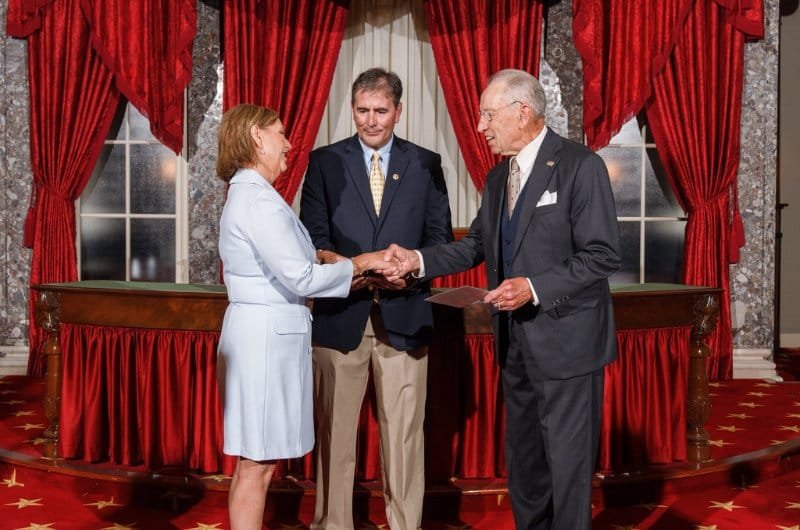
Darline Graham was sworn in Tuesday to complete the Senate term of her late brother, Lindsey Graham, becoming the first woman to represent South Carolina in the U.S. Senate after his sudden death over the weekend. President Trump endorsed Graham for the appointment before South Carolina Gov. Henry McMaster officially named her to complete the remainder of her late brother’s Senate term on Monday. Sen. Chuck Grassley administered the oath of office Tuesday as senators from both parties stood in attendance. Although she has never held elected office, Graham has served since 2019 as a commissioner on the South Carolina Commission for the Blind and previously worked at Clemson University and in South Carolina state government. After their parents died when she was a child, Lindsey Graham became her legal guardian and helped raise her. Speaking after taking the oath, Graham called it an “honor” to succeed her older brother in the Senate. She said he had always been there for her and vowed, “Now, I will be there for him,” adding that she plans to honor his legacy during the remainder of his term. Lindsey Graham died Saturday at age 71 after what officials said was an aortic dissection caused by cardiovascular disease. South Carolina Republicans are expected to choose a nominee in a special primary next month ahead of the November election, while Darline Graham will serve in the Senate until a successor is elected. ——————– Related: Sen. Lindsey Graham Dies at 71 After Decades of Public Service
Supreme Court Justices Seek More Security Funding Amid Rising Threats
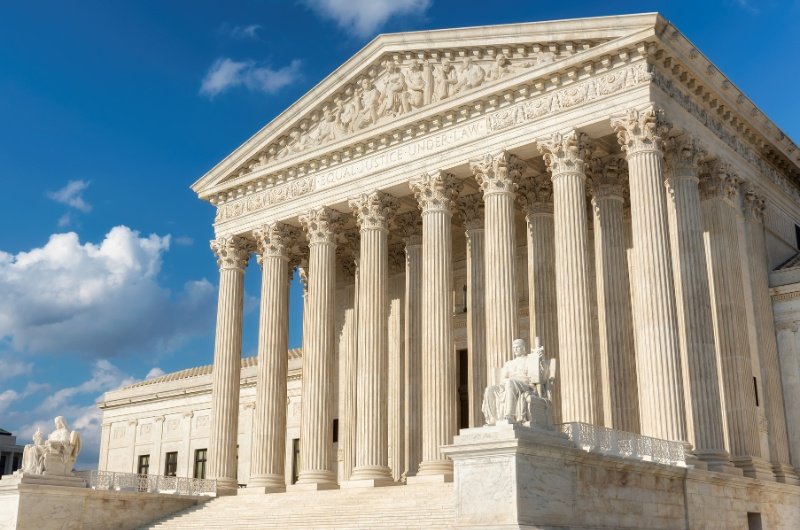
Two U.S. Supreme Court justices urged Congress on Tuesday to approve additional funding for court security, warning that threats against members of the nation’s highest court have increased in recent years. Justices Amy Coney Barrett and Elena Kagan appeared together before a congressional panel to discuss growing security concerns, saying additional resources are needed to better protect the justices, their families and court personnel. The request comes amid heightened concerns following several high-profile threats against members of the federal judiciary. Barrett told lawmakers the security risks have become so serious that she has worn a bulletproof vest while traveling home from public appearances. She said the additional funding would help ensure the safety of the Court as threats continue to evolve. The justices’ request focuses on strengthening protective measures rather than expanding the Court’s authority, with lawmakers expected to consider the funding proposal as part of the federal budget process.
AI Is Helping Inspect Aircraft Engines Faster and More Accurately
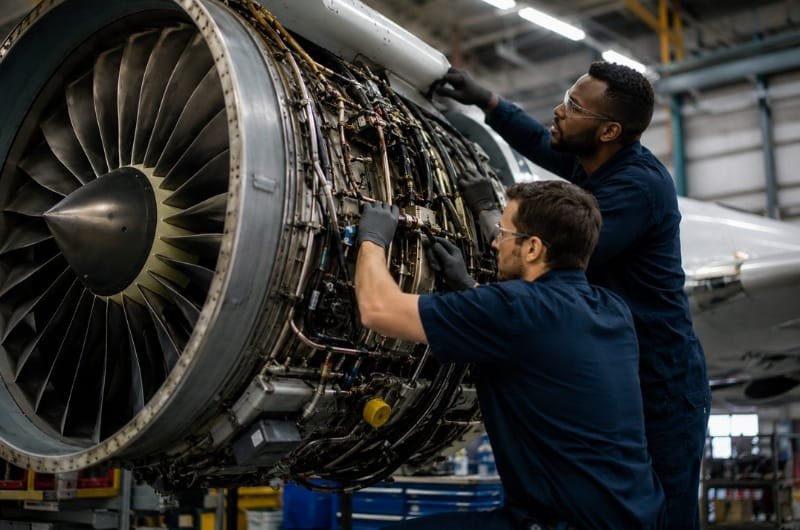
Artificial intelligence is taking on a growing role in aviation maintenance, helping inspectors identify potential aircraft engine issues more quickly and accurately while reducing the time required for routine inspections. Pratt & Whitney announced it is expanding the use of AI-powered inspection technology to assist technicians in evaluating engine components. The system is designed to help detect signs of wear and damage that could be difficult to identify through traditional visual inspections alone. The company said the technology is intended to support, rather than replace, experienced maintenance professionals by providing another layer of analysis during the inspection process. Faster inspections can also help reduce aircraft downtime while maintaining high safety standards. The announcement reflects a broader trend of artificial intelligence moving beyond chatbots and consumer applications into industries such as aviation, manufacturing and healthcare, where AI is increasingly being used to improve efficiency, accuracy and decision-making.
SpaceX Set for Next Starship Test Flight Following FAA Approval
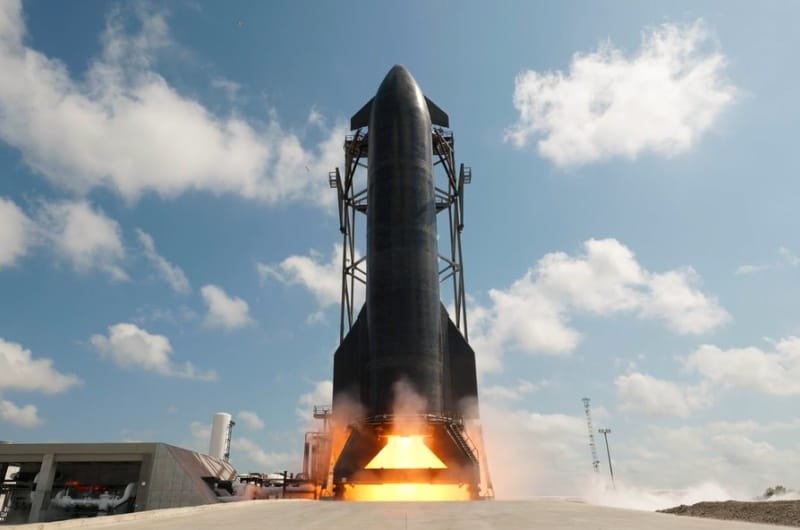
SpaceX is preparing for its next Starship test flight on Thursday after receiving approval from the Federal Aviation Administration (FAA), clearing the way for another milestone in the company’s effort to develop a fully reusable spacecraft for missions to the Moon and Mars. The mission, known as Starship Flight 13, is scheduled to launch from SpaceX’s Starbase facility near Brownsville, Texas, during a 90-minute launch window that opens at 5:30 p.m. CDT (6:30 p.m. EDT), although launch schedules remain subject to change. The mission is also expected to carry a new batch of Starlink satellites, supporting the continued expansion of SpaceX’s global satellite internet network. Starship is expected to play an increasingly important role in deploying larger next-generation satellites and supporting future commercial space operations. NASA has selected a version of Starship as the lunar lander for its Artemis program, making the rocket a key part of future missions intended to return astronauts to the Moon. Each successful test flight brings SpaceX closer to supporting both commercial launches and long-term human exploration beyond Earth.
Trump Reinstates Blockade of Iranian Ports, Imposes 20% Strait of Hormuz Security Fee

President Donald Trump has ordered the United States to reinstate its naval blockade of Iranian ports and announced plans to charge a 20% security fee on cargo shipments passing through the Strait of Hormuz. U.S. Central Command said the blockade will resume Tuesday at 4 p.m. Eastern, restricting maritime traffic entering and leaving Iranian ports. The military said it will continue supporting passage for non-Iranian-linked vessels traveling through the region. Trump said the cargo fee would reimburse the United States for providing security in the strait, a critical shipping route that normally carries about one-fifth of the world’s oil. The administration has not yet detailed how the fee will be collected or enforced. The proposed charge is already drawing opposition. The International Maritime Organization said there is no legal basis for imposing mandatory tolls on vessels simply passing through an international strait, while shipping company Hapag-Lloyd called the proposal fundamentally wrong. Oil prices climbed following Trump’s announcement and the latest exchange of attacks between the United States and Iran. Brent crude rose above $86 per barrel Tuesday, increasing the possibility of higher energy and transportation costs worldwide.
U.S. Consumer Prices Fall for First Time Since 2020 as Inflation Cools to 3.5%

U.S. consumer prices declined in June for the first time in more than six years, offering Americans some relief after months of rapidly rising energy costs. The Consumer Price Index fell 0.4% from May, the largest monthly decline since April 2020, according to new data released Tuesday by the Bureau of Labor Statistics. Annual inflation slowed to 3.5%, down sharply from 4.2% in May. Falling energy costs drove much of the improvement. Gasoline prices dropped 9.7% during the month, while the broader energy index declined 5.7%. Food prices continued to rise, however, increasing 0.2% both at grocery stores and restaurants. Core inflation, which excludes volatile food and energy prices, was unchanged in June and increased 2.6% over the past year. Shelter costs rose just 0.1%, their smallest monthly increase since January 2021, while motor vehicle insurance, apparel and medical care prices declined. The cooler report may reduce pressure on the Federal Reserve to raise interest rates at its July meeting. However, ongoing conflict in the Middle East and rising oil prices could make June’s relief temporary, leaving inflation and household affordability central concerns heading into the second half of the year.
We May Be the Last Generation of Traditional Work

For generations, the path to a successful career followed a familiar pattern. Get an education. Learn a profession. Find a good job. Build a career. Retire. Artificial intelligence is beginning to rewrite that formula—and faster than many people expected. For millions of workers, this isn’t a distant possibility. It’s already happening. Companies are reducing hiring for some entry-level positions, automating tasks that once required teams of employees, and rethinking roles that have existed for decades. What began as a tool to improve productivity is rapidly becoming a force that is reshaping which jobs businesses need—and which they don’t. The first wave of artificial intelligence helped people work faster. The next wave is beginning to perform the work itself. The Great Career Shift Has Already Begun Every major technological revolution has changed the way people work. The Industrial Revolution transformed manufacturing. Computers reshaped the modern office. The internet connected the world and created entirely new industries. Artificial intelligence is different. For the first time, businesses have access to technology capable of performing many routine cognitive tasks that once required human employees. Instead of simply helping people do their jobs, AI is increasingly completing those tasks on its own. Businesses are making rational economic decisions. Organizations continuously look for ways to improve efficiency, reduce costs, increase productivity, and remain competitive. Artificial intelligence is allowing many companies to accomplish those goals while fundamentally changing how work is organized and which positions remain essential. That shift is no longer theoretical. IBM CEO Arvind Krishna said in 2023 that the company expected to pause hiring for roles where roughly 7,800 jobs could be replaced by artificial intelligence, particularly in back-office functions such as human resources. He also said about 30% of non-customer-facing roles could be replaced by AI and automation within five years. The First Jobs Already Disappearing Not every profession will disappear. But many individual jobs—and in some cases, entire categories of routine work—are already beginning to vanish as organizations discover they can accomplish the same work with artificial intelligence. Across multiple industries, businesses are adopting AI to automate routine documentation, customer support, software development, standardized reporting, medical transcription, marketing content creation, financial analysis, and other highly structured tasks that once required significant human time and attention. Some technology leaders are warning that early-career workers may feel the shift first. Anthropic CEO Dario Amodei said AI could eliminate a significant share of entry-level white-collar jobs within the next several years, particularly in technology, finance, law, consulting, and other knowledge-work professions. A recent labor market analysis by Anthropic also found that occupations such as computer programming, customer service, and financial analysis are among those most exposed to AI because many of their routine tasks can already be performed—or significantly assisted—by today’s large language models. Many of these roles have traditionally served as entry points into long-term careers. As those positions become increasingly automated, younger workers may find themselves entering a labor market that looks dramatically different from the one their parents experienced. This isn’t simply about replacing employees. It’s about replacing specific kinds of work. As artificial intelligence continues to improve, businesses will increasingly evaluate every repetitive, predictable, and rules-based task through a new lens: Does this still require a human? It’s Not Just About Technology This transformation isn’t happening because businesses are abandoning people. It’s happening because the economics are changing. Every business faces constant pressure to become more efficient while delivering better products and services. When artificial intelligence can perform certain tasks with increasing speed, consistency, and scalability, organizations naturally begin redesigning the way work is done. Recent workforce data already suggests the trend is accelerating, with artificial intelligence increasingly cited as a factor in workforce reductions and changes to hiring strategies. That’s why this story is much bigger than artificial intelligence itself. It’s about the beginning of a fundamental shift in the global labor market. The Questions AI Is Forcing Us to Ask Artificial intelligence isn’t just changing the jobs people do. It’s prompting economists, technology leaders, and policymakers to ask much bigger questions about the future of work itself. If AI continues to automate more routine tasks, how will societies adapt? Could shorter work weeks become the norm? Will people spend more time creating, caring for others, or pursuing entrepreneurship? And could ideas such as Universal Basic Income (UBI)—once considered fringe—become part of mainstream economic discussion? Those questions remain unanswered, but they’re beginning to move from academic debate into public conversation. In the months ahead, Readovia will take a closer look at these emerging ideas and what they could mean for workers, businesses, and society. The Next Chapter Every generation inherits a different economy. Previous generations helped build the industrial economy and later the digital economy. We may become the first generation to build careers in an economy where intelligence itself has become abundant. Whether that future brings unprecedented opportunity, widespread disruption, or something in between remains to be seen. But one thing is becoming increasingly difficult to ignore: we may be the last generation to experience work the way previous generations did. One day, younger generations may look back on traditional careers the way many people today look back on rotary telephones—essential in their time, but products of a very different era. ——————– Readovia: AI Is Reshaping the Tech Job Market — and Entry-Level Workers Are Feeling It First
Iran Strikes Back After Latest U.S. Military Attack

Iran launched missile and drone attacks against American military targets across the Gulf region Monday following a new round of U.S. strikes on Iranian missile systems, air defenses and naval assets near the Strait of Hormuz. The exchange marked another sharp escalation in the months-long conflict between the United States and Iran. Iran’s Revolutionary Guards said the retaliatory operation targeted U.S. military facilities in Bahrain, Kuwait, Jordan and Oman. Reports of explosions and air-defense activity emerged across several Gulf states, although the full extent of any casualties or damage was not immediately clear. The latest U.S. operation targeted Iranian coastal radar sites, air-defense systems, missile and drone facilities, small military boats and other assets around the strategically important Strait of Hormuz. Explosions were also reported near Bandar Abbas and Qeshm Island along Iran’s southern coast. The renewed attacks have further weakened hopes for diplomacy after a temporary pause in fighting and discussions aimed at preventing a wider regional war. Iranian officials said continued U.S. military action had made negotiations increasingly difficult, while Washington maintained that its strikes were intended to protect American forces and maritime traffic. With both countries continuing to exchange fire, the danger now extends beyond Iran and the United States. American bases, regional governments and commercial ships throughout the Gulf remain exposed as the conflict moves into another uncertain and potentially more dangerous phase.
More Than 200 Experts Urge Governments to Prepare for AI’s Economic Impact

More than 200 economists, researchers, and technology leaders—including 15 Nobel Prize winners—are calling on governments around the world to begin preparing for the economic impact of artificial intelligence, warning that the technology could reshape society far more quickly than previous industrial revolutions. In a public statement released Monday, the group urged policymakers to take a proactive approach to understanding how AI could affect jobs, productivity, wages, education, and economic growth. Rather than waiting for major disruptions to occur, the signatories said governments should begin developing strategies now to help workers and businesses adapt. The statement emphasizes that artificial intelligence has the potential to deliver enormous economic benefits while also creating significant challenges if the transition is poorly managed. Unlike past technological revolutions that unfolded over decades, the experts argue that AI could transform industries and labor markets within just a few years. “Steam, electricity, and computers each gave societies decades to adapt. AI may give us only a few years,” the statement says, underscoring the need for governments, businesses, and researchers to work together on policies that support long-term economic stability. While experts continue to debate exactly how AI will affect employment, the group agreed that preparation should begin immediately. They argue that thoughtful planning today could help societies capture AI’s benefits while reducing the economic disruption that often accompanies major technological change.