


Apple Unveils Creator Studio — A Unified Creative Suite With AI Tools

Apple is launching Apple Creator Studio, a new subscription service that brings together its most powerful creative applications under one umbrella and layers in intelligent tools designed to streamline creative workflows. Priced at $12.99 per month or $129 per year, Creator Studio bundles several of Apple’s flagship creative apps — including professional video editing, music production, and graphic design tools — into a single subscription. The package spans both Mac and iPad, highlighting Apple’s strategy of unifying experiences across devices. Among the included apps are tools for video editing, music creation, and image design, all optimized to work seamlessly across Apple’s ecosystem. For the first time, some professional apps previously available only on Mac will also run on iPad, taking full advantage of touch and stylus input. In addition to the core creative applications, the subscription adds premium features and intelligent content to productivity tools, such as presentation, document, and spreadsheet apps, helping users move more quickly from ideas to finished work. Apple said the suite is aimed at creators, students, and professionals who want a more integrated, powerful set of tools — while reinforcing the company’s broader shift toward growing its services business, a priority as hardware sales face increasing competition. Creator Studio will be available on the App Store starting January 28, offering a one-month free trial and special pricing options for students and educators. This move positions Apple more directly against legacy creative software bundles and reinforces its emphasis on subscription services with meaningful enhancements.
Minnesota Sues Trump Administration Over Immigration Operations in Twin Cities

The state of Minnesota, joined by the cities of Minneapolis and St. Paul, has filed a federal lawsuit against the Trump administration, challenging a sweeping immigration enforcement operation underway across the Twin Cities. State officials argue the expanded presence of federal immigration agents exceeds lawful authority and undermines state and local governance. The lawsuit seeks to halt what leaders describe as an aggressive and disruptive operation that has fueled public unrest and raised concerns about civil liberties, due process, and public safety. According to the filing, Minnesota contends the federal action was launched without meaningful coordination with state or municipal authorities and has resulted in heightened fear within immigrant communities. Local leaders say the operation has strained public resources, disrupted daily life, and escalated tensions following a recent fatal shooting involving an immigration officer. The administration has defended the enforcement effort as a lawful exercise of federal power, maintaining that immigration enforcement falls squarely under national jurisdiction. Federal officials argue the operation is necessary to uphold immigration law and ensure public safety, rejecting claims that the actions are politically motivated or unconstitutional. The legal challenge places Minnesota at the center of a growing national conflict over the limits of federal authority, states’ rights, and immigration enforcement tactics. Legal experts note the case could have far-reaching implications for how future federal operations are conducted in states that oppose aggressive immigration crackdowns. As protests continue and court proceedings begin, the lawsuit signals a deepening standoff between Minnesota leaders and the White House—one that is likely to shape immigration policy debates well beyond the Twin Cities. ——————– Related: Minnesota Seeks Answers After Fatal ICE Shooting in Minneapolis Senior DOJ Leaders Resign After Refusal to Investigate Minnesota ICE Shooting Vice President Vance Says ICE Agent Has “Absolute Immunity” in Deadly Minneapolis Shooting
AI Investment Landscape Shifts as Energy, Infrastructure, and Creative Tech Gain Ground

The artificial intelligence boom is entering a new phase, one marked by a notable shift in where money, influence, and innovation are flowing. While major technology companies remain central players, investors and institutions are increasingly looking beyond traditional tech firms to back the systems that power AI behind the scenes. Energy providers and infrastructure companies are emerging as critical beneficiaries of the AI expansion, as data centers and large-scale computing demand vast and reliable power. This shift reflects a growing recognition that the future of AI depends not only on software and models, but on the physical systems required to support them at scale. At the same time, AI development is branching into new creative and commercial territory. Advances in visual and spatial computing are enabling AI systems to work with more complex imagery and environments, opening doors for applications across media, design, retail, and entertainment. These developments signal a move toward AI that interacts more directly with the physical world. Education and workforce preparation are also evolving in response. Universities and training programs are expanding AI-focused initiatives to prepare students and professionals for a job market increasingly shaped by intelligent systems, signaling long-term institutional commitment rather than short-term experimentation. Together, these trends point to a maturing AI ecosystem—one that extends beyond Silicon Valley and software alone. As capital and innovation spread across energy, infrastructure, creativity, and education, AI’s next chapter is being built not just in code, but in the foundations that support modern society.
Real Wages Rising as Inflation Remains in Check, White House Says
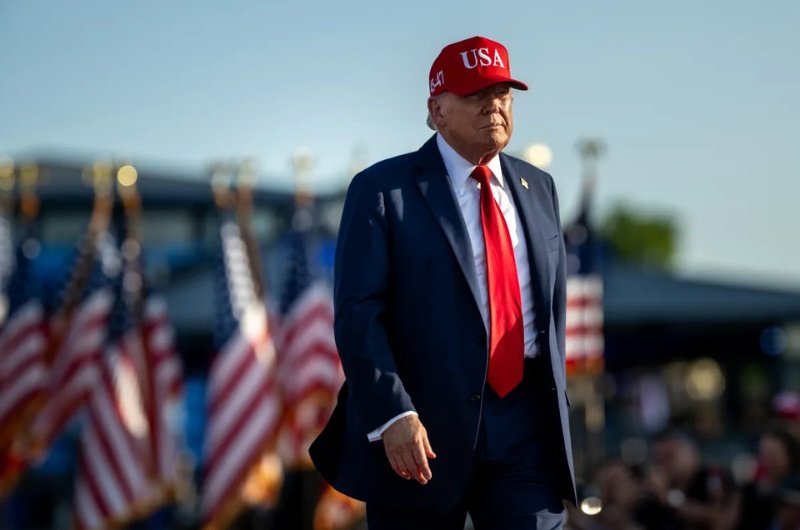
The White House today emphasized that American workers are seeing real wage gains at a time when inflation remains relatively low, painting the latest economic data as a sign of renewed purchasing power for households and blue-collar earners. According to the administration’s economic assessment, inflation has stabilized at levels below those inherited from the prior year, while real private-sector earnings are projected to grow faster than price increases. That dynamic suggests many workers could regain some of the purchasing power lost amid high cost pressures in recent years. The advance in real wages is notable across several sectors of the economy, particularly among goods-producing and construction workers. These gains are being framed as evidence that middle- and working-class Americans are beginning to benefit from broader economic shifts, including changes in pricing dynamics for key goods such as automobiles. Administration officials have tied these developments to a series of fiscal and regulatory actions aimed at easing cost pressures while stimulating private-sector growth. They argue that, with inflation under control, wage growth becomes a more meaningful contributor to household financial health — a contrast to periods when price increases outpaced earnings. At the same time, the broader labor market shows mixed signals. While real earnings are climbing in several industries, overall job growth has been modest and uneven, leaving questions about the durability and inclusiveness of the current recovery. For many Americans, the interplay between stable prices and rising wages could ease budget strains and translate into tangible improvements in day-to-day living costs. However, economists caution that while headline numbers are positive, underlying factors such as labor force participation and sectoral job trends will be key to sustaining broader gains.
Wegovy Releases Oral Weight Loss Pill, Expanding Access Through Amazon and Weight Watchers

The company behind Wegovy has officially launched a new oral weight loss pill, marking a major shift in how prescription weight management treatments are delivered — and who can access them. The tablet form of Wegovy was approved by the U.S. Food and Drug Administration on December 22, 2025, and became broadly available in U.S. pharmacies on January 5, 2026. The pill is now offered through several online platforms, including Amazon Pharmacy and Weight Watchers, allowing patients to obtain treatment without injections. Pricing varies depending on coverage. With insurance, some patients may pay as little as $25 per month, while cash-paying options reportedly begin around $149 per month, according to Amazon. The expanded access is expected to appeal to patients who previously faced cost, convenience, or delivery barriers. Until now, Wegovy had only been available as a once-weekly self-injection, first approved for weight management in 2021. The new oral version offers a daily pill alternative for patients who prefer tablets over injections and is reported to have a similar efficacy profile to the injectable form. Health experts caution that prescription weight loss medications are not intended as quick fixes. Proper medical screening, ongoing supervision, and lifestyle changes remain essential components of safe and effective treatment. As access expands through digital platforms, questions around long-term use, affordability, and responsible prescribing are likely to remain in focus. The launch also underscores a broader shift toward digital-first healthcare, as major retailers and wellness brands play a growing role in prescription delivery. With demand for medical weight management continuing to rise, the oral option may significantly widen adoption — while reshaping how patients engage with care.
How More Americans Are Quietly Recalibrating Their Lives in 2026

For a growing number of Americans, 2026 isn’t about chasing “the next big thing.” It’s about recalibrating how they live — quietly, intentionally, and on their own terms. Rising living costs, job uncertainty, and burnout from years of instability have pushed many people to reassess priorities. Instead of dramatic career leaps or flashy lifestyle changes, more Americans are opting for smaller resets: simplifying schedules, reevaluating commitments, and creating space for what feels sustainable. Mental health professionals say the shift reflects a deeper cultural recalibration. People are redefining success around stability, flexibility, and peace rather than constant upward momentum. Remote work, side income streams, and intentional downtime are increasingly seen as tools for balance rather than indulgence. This quieter approach doesn’t signal a loss of ambition. Instead, it points to a growing awareness that long-term well-being depends as much on clarity and alignment as it does on progress.
Senate Advances War Powers Resolution to Curb Trump’s Authority on Venezuela

In a rare bipartisan move, the U.S. Senate voted Thursday to advance a war powers resolution aimed at limiting Donald Trump’s ability to take military action against Venezuela without explicit congressional approval. Five Republican senators broke with party leadership to join Democrats in allowing the measure to move forward, signaling growing unease on Capitol Hill over executive authority in matters of war. The resolution would require the president to seek authorization from Congress before engaging U.S. forces in hostilities involving Venezuela, except in cases of imminent threat. Supporters of the measure argue that the Constitution clearly assigns Congress the power to declare war, and that recent actions toward Venezuela risk drawing the United States into a broader conflict without sufficient debate or oversight. They say the vote reflects concern not only about Venezuela specifically, but about preserving the balance of power between the legislative and executive branches. The White House has pushed back forcefully, warning that the resolution could weaken the president’s ability to respond quickly to international threats and undermine U.S. credibility abroad. Administration allies argue that flexibility is essential when dealing with unstable regimes and rapidly evolving security situations. While the resolution faces an uncertain path ahead — including the likelihood of a presidential veto — Thursday’s vote marks a notable moment of bipartisan resistance. It underscores rising tension between Congress and the executive branch as lawmakers reassert their role in shaping U.S. military engagement and foreign policy decisions.
Vice President Vance Says ICE Agent Has “Absolute Immunity” in Deadly Minneapolis Shooting
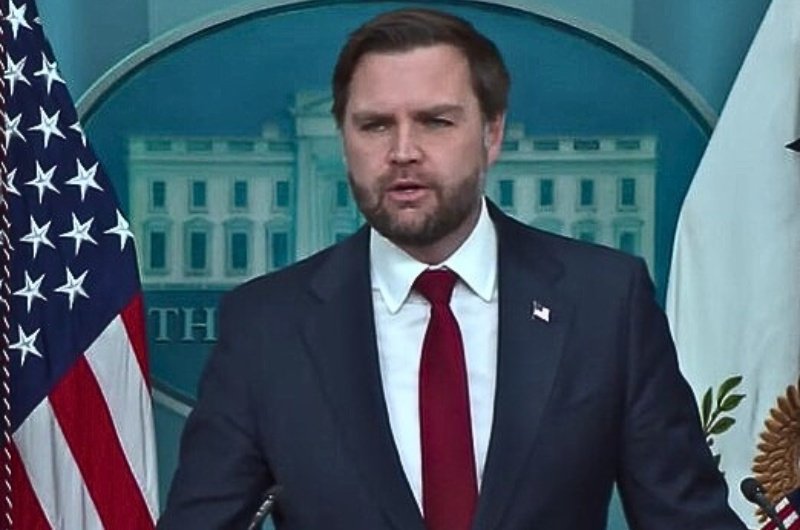
Vice President JD Vance said Thursday that the federal immigration officer involved in a deadly shooting in Minneapolis is protected by what he described as “absolute immunity,” igniting immediate backlash from civil rights groups, legal scholars, and local officials. The shooting occurred during a federal immigration operation in south Minneapolis, where an agent with U.S. Immigration and Customs Enforcement fatally shot a woman after stopping a vehicle. The incident sparked protests across the city, with demonstrators demanding transparency, accountability, and an independent investigation into the agent’s actions. Speaking to reporters, Vance argued that because the officer was acting in an official federal capacity, he is shielded from criminal or civil liability. The vice president’s use of the term “absolute immunity,” however, has drawn scrutiny, as legal experts note that federal officers typically receive qualified protections that depend on the circumstances surrounding the use of force. Tensions escalated further after state officials confirmed that Minnesota authorities were removed from the investigation, leaving the case solely in federal hands. Local leaders have criticized the move, saying it undermines public trust and limits oversight in a case involving a civilian death. The shooting has intensified a broader national debate over the role of federal immigration enforcement in local communities, the limits of executive authority, and whether existing accountability mechanisms are sufficient when federal agents use deadly force. Protests in Minneapolis continued into the evening as officials called for calm while demanding answers. ——————– Related: Minnesota Seeks Answers After Fatal ICE Shooting in Minneapolis
Minnesota Seeks Answers After Fatal ICE Shooting in Minneapolis

Minneapolis has become the center of national attention after a woman was fatally shot by a federal immigration officer during an enforcement operation, triggering days of protests, political fallout, and growing demands for accountability. The woman, Renee Nicole Good, was killed during a U.S. Immigration and Customs Enforcement action conducted in the city earlier this week. Federal officials say the ICE agent fired in self-defense after Good allegedly attempted to strike officers with her vehicle during the operation. According to the Department of Homeland Security, agents perceived an immediate threat and responded with lethal force. That account has been sharply questioned by local leaders and the community, particularly after video footage circulated online appeared to contradict claims of an imminent danger. The shooting has sparked widespread demonstrations across Minneapolis, with protesters gathering downtown and near government buildings to demand transparency and an independent investigation. Many demonstrators have also called for changes to how federal immigration enforcement is carried out in local communities, arguing that the operation escalated unnecessarily and resulted in the death of a civilian. Tensions between state and federal authorities escalated after Minnesota’s investigative agency disclosed that it has been blocked from taking part in the case, saying the U.S. attorney’s office has asserted control over the investigation. State and local leaders have raised concerns that limiting Minnesota’s role reduces transparency at a moment of intense public scrutiny, emphasizing that any use of deadly force must meet a high threshold and be supported by clear evidence. The incident comes amid a broader federal immigration enforcement push in the Twin Cities region, which had already heightened anxiety in immigrant communities. As protests continue and political pressure mounts, the case is expected to remain under intense scrutiny, with questions lingering over the use of force, federal authority, and the balance between enforcement and public safety.
Major Retailers Slated to Close Hundreds of Locations in 2026 as Consumer Habits Continue to Shift
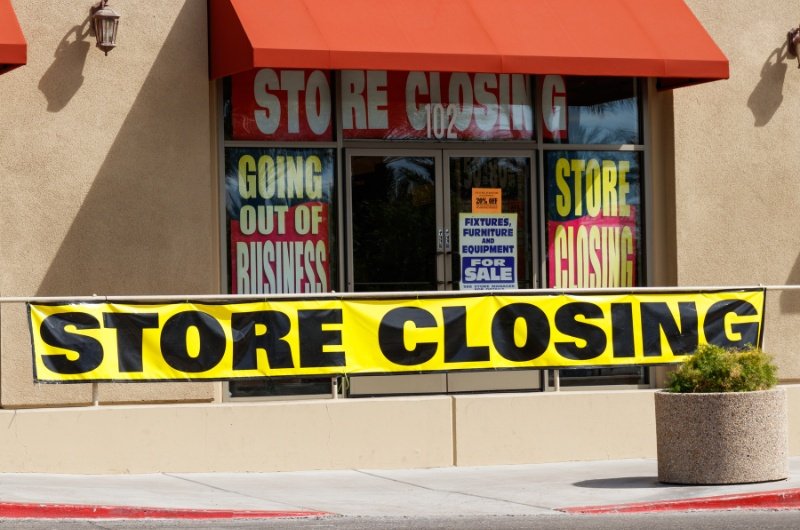
Across the United States, a wave of store and restaurant closures is shaping the early retail landscape of 2026, underscoring enduring changes in consumer habits, economic pressures and corporate strategies. In recent months, a growing number of well-known chains have announced plans to shutter locations, restructure operations or pivot away from traditional brick-and-mortar footprints in favor of digital and experience-driven models. Industry tracking shows that hundreds of stores and restaurants are slated to close their doors this year as companies seek to improve profitability and respond to declining foot traffic. The closures span a wide range of sectors, from clothing and department stores to pharmacies and eateries, reflecting broader shifts in how Americans shop and dine. Some major grocery and drugstore chains have confirmed plans to reduce underperforming locations, a move aligned with long-term efforts to streamline operations and focus resources on stronger markets. Meanwhile, fast-casual and sit-down restaurant brands are also adjusting their portfolios in response to rising costs and changes in consumer spending patterns. Experts say the trend is driven by a confluence of economic forces: continued expansion of e-commerce, tightening consumer budgets, and the increasing importance of omnichannel retail strategies that blend online and physical experiences. For many retailers, this moment is less about retreat and more about rebalancing where and how they connect with customers. As 2026 unfolds, the closures highlight a fundamental transition in the U.S. retail and service sectors. Companies that adapt — by rethinking store formats, enhancing digital offerings or curating unique in-person experiences — are more likely to navigate this period of realignment successfully. Readovia will continue tracking this evolving retail landscape as more companies outline their plans for 2026. ——————– Related: Banner’s Hallmark Files for Bankruptcy