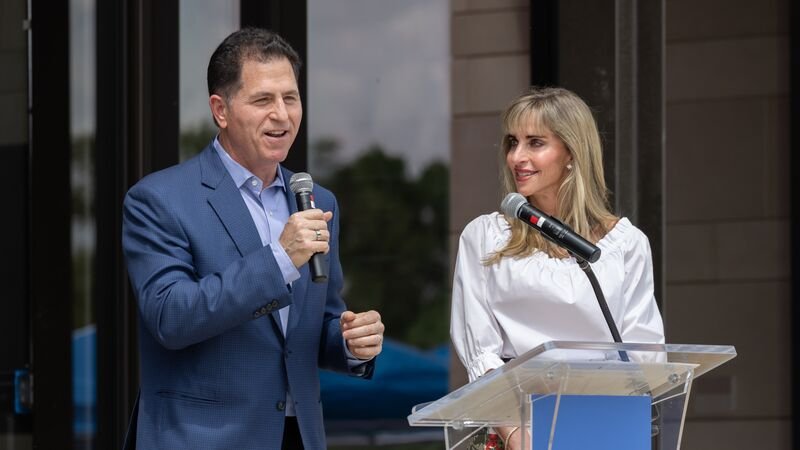
Michael and Susan Dell have pledged a record-setting $6.25 billion to support the new national “Trump Accounts” program designed for children born between 2025 and 2028. Under the plan, each eligible child receives $1,000 from the Treasury in a tax-advantaged investment account. The Dells’ contribution will extend access to roughly 25 million children who fall outside the initial eligibility window, adding approximately $250 per child — a financial boost intended to seed early wealth creation.
While the scale of the pledge is extraordinary, it aligns with a long philanthropic trajectory. The Michael & Susan Dell Foundation, established in 1999, has historically focused on children’s issues and community initiatives in the United States, India, and South Africa. Over the past two decades, the foundation has distributed more than $650 million to improve educational access, health outcomes, and family economic stability, and manages more than $466 million in assets today. In recent years, its global development financing has continued to rise, reflecting a sustained commitment to children and opportunity.
Supporters view the latest gift as a forward-looking investment in economic mobility, offering children the chance to accumulate real assets from an early age that can grow into funding for higher education, homeownership, or entrepreneurship. By shifting the timeline of financial empowerment to childhood, the initiative aims to narrow long-standing wealth and opportunity gaps.
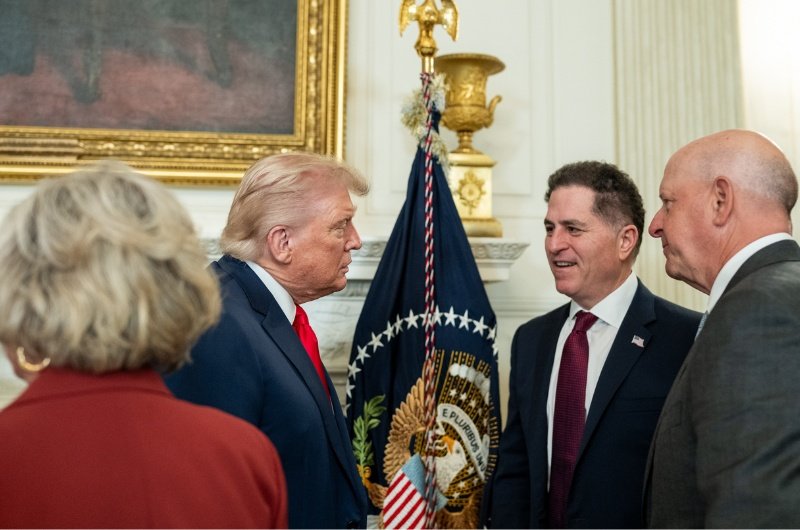
Critics counter that while investment accounts may help families in the long term, they do little to address urgent problems facing children today — from hunger and housing insecurity to systemic poverty. Some also caution that relying on billionaire-backed investment structures risks moving essential social welfare responsibilities away from public institutions and into private hands.
As the largest private commitment to U.S. children in decades, the Dell contribution signals a powerful moment. Whether it becomes a new model for building generational wealth or ignites a broader national debate about the role of philanthropy in public life will unfold over time. What remains undeniable is the program’s potential to reshape financial futures for millions of today’s children — giving them a meaningful head start on the road to stability, opportunity, and lifelong prosperity.