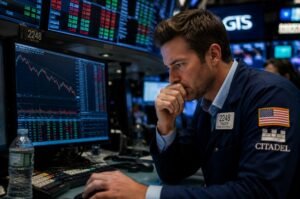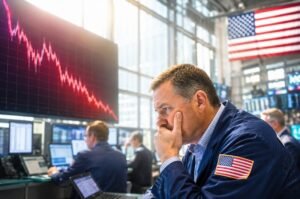
As tensions rise in the Middle East, the financial impact may not stay overseas for long. While the conflict is unfolding thousands of miles away, the effects could begin showing up in everyday expenses across the United States — especially at the gas pump.
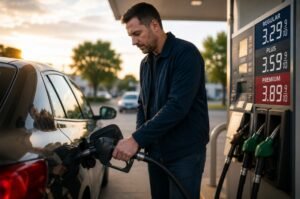
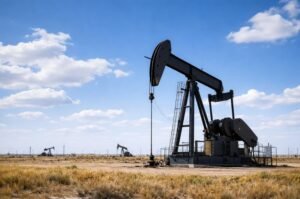
Let’s start with oil, because that’s usually where things move first. The region plays a major role in global energy supply, and even the threat of disruption can push prices higher. Markets don’t wait for certainty — they react to risk. And when oil prices climb, gas prices tend to follow. Not instantly, but fast enough that you might notice it the next time you fill up at the pump.
President Trump has suggested that the United States has little to worry about when it comes to energy, pointing to strong domestic oil and gas production. But global oil markets are still deeply connected. Even with high U.S. output, prices are influenced by worldwide supply and demand — and ultimately, what Americans see at the pump tends to tell the real story.
Shipping is another piece of the puzzle. Key routes in the region are critical for moving oil and goods around the world. If those routes become more expensive or less stable, the cost of transporting products rises. And those costs don’t just stay with companies — they eventually show up in the price of everyday items, from groceries to household essentials.
Then there’s the ripple effect. Higher energy costs can push up the price of just about everything — transportation, manufacturing, even food. It’s one of the more frustrating realities of the economy: when energy gets expensive, everything else tends to follow. Not dramatically all at once, but steadily enough that you start to feel it over time.
For consumers, the takeaway is simple. Global events have a way of showing up locally, often when you least expect it. A conflict overseas can turn into higher gas prices, more expensive goods, or a tighter monthly budget. It may not happen overnight, but if tensions continue, it’s something worth watching — right alongside your receipt at the pump. Because when the world shifts, your wallet usually notices first.