As tensions between the United States and Iran push closer to open conflict, Americans are beginning to feel the impact where it hits hardest — at the pump. Gas prices are climbing nationwide after global oil markets reacted to disruptions in the Strait of Hormuz, a critical artery for the world’s energy supply.
Oil prices surged past $100 per barrel in early trading, driven by fears that prolonged restrictions or a full closure of the strait could choke off a significant portion of global oil shipments. The waterway handles roughly one-fifth of the world’s petroleum supply, making it one of the most strategically important routes in the global economy.
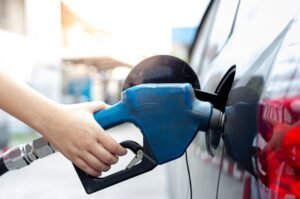
The shift is already showing up in real numbers. The national average for regular gas has climbed to $3.95 per gallon, up from $3.71 just one week ago and $2.93 a month ago. Mid-grade fuel is now averaging $4.46 per gallon, reflecting a sharp and steady upward trend in a short period of time.
The sudden spike is putting renewed pressure on household budgets, especially as many Americans were just beginning to see relief in fuel and transportation costs. Analysts warn that if tensions escalate further — or if military action resumes — prices could rise even more quickly, intensifying inflation concerns across multiple sectors.
Markets briefly stabilized after news of a five-day delay in potential U.S. strikes, but volatility remains high. For American consumers, the situation underscores how quickly global conflict can ripple into everyday life, with the cost of uncertainty now visible on nearly every gas station sign in the country.