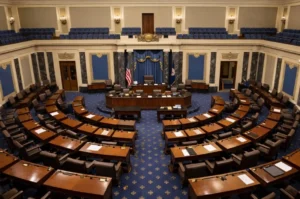

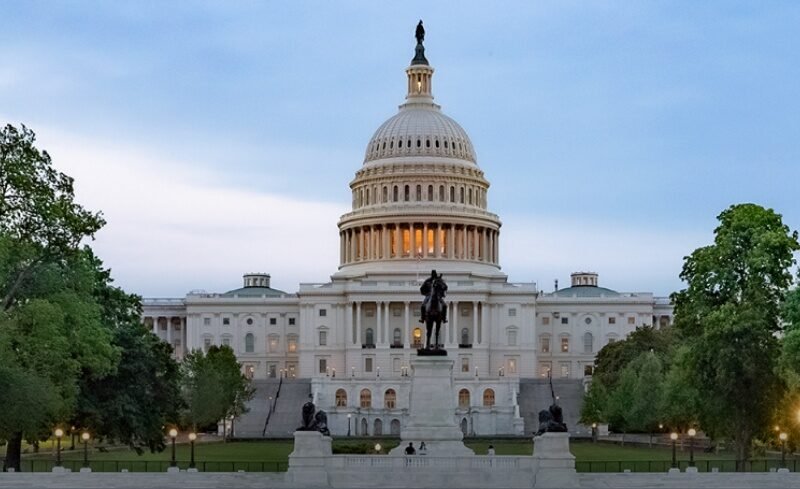
Federal lawmakers are advancing new legislation that would significantly expand the government’s ability to use artificial intelligence for surveillance, triggering immediate backlash from privacy advocates and civil liberties groups. The proposal would allow federal agencies to deploy AI tools to monitor digital communications, financial transactions, and public activity patterns at scale, all under the banner of national security.
Supporters argue the move is necessary as global threats evolve faster than traditional intelligence methods can handle. With adversaries increasingly using AI for cyberwarfare, misinformation, and financial disruption, officials say the U.S. must modernize its capabilities or risk falling behind. The bill includes provisions aimed at streamlining data-sharing across agencies and accelerating AI deployment in active investigations.
Critics, including privacy advocates, however, warn that the scope of the legislation is too broad and lacks sufficient guardrails. Concerns center on potential overreach, including mass data collection on ordinary Americans without clear transparency or accountability. Several advocacy groups have called for stricter limitations, independent oversight, and explicit protections against misuse.
The debate reflects a growing tension in Washington: how to balance national security with individual privacy in an AI-driven world. As the bill moves toward a vote, lawmakers on both sides are under pressure to define where that line should be drawn.