
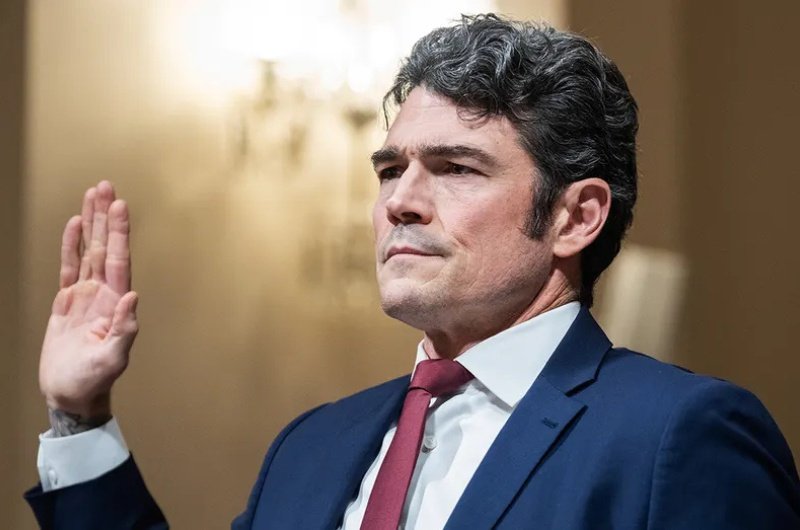
In a sudden and highly consequential move, former National Counterterrorism Center Director Joe Kent announced his resignation, citing deep opposition to the United States’ involvement in the ongoing war with Iran. The decision immediately raises questions about internal divisions at the highest levels of U.S. national security leadership.
In a statement posted publicly on X, Kent made his reasoning clear:
“After much reflection, I have decided to resign from my position as Director of the National Counterterrorism Center, effective today.
I cannot in good conscience support the ongoing war in Iran. Iran posed no imminent threat to our nation, and it is clear that we started this war due to pressure from Israel and its powerful American lobby.
It has been an honor serving under @POTUS and @DNIGabbard and leading the professionals at NCTC.
May God bless America.”
Kent’s resignation comes just weeks after President Donald Trump nominated him to lead the National Counterterrorism Center in early February, underscoring the abrupt nature of his departure from one of the government’s most sensitive intelligence positions.
The resignation is notable not only for its timing, but for the bluntness of his criticism. Senior intelligence officials rarely break publicly with an administration’s foreign policy, especially on active military operations. His remarks suggest a serious fracture within parts of the national security apparatus over both the justification for the conflict and the influence shaping U.S. decision-making.
The National Counterterrorism Center plays a central role in coordinating intelligence efforts across agencies, meaning Kent’s departure leaves a critical leadership gap at a time of heightened global tension. It also places additional scrutiny on the administration’s strategy in Iran, which has already sparked debate in Washington and beyond.
For now, the White House has not issued a detailed response to Kent’s resignation. But the implications are clear: this is a signal that the war in Iran may be facing growing resistance from within the very institutions tasked with carrying it out.