


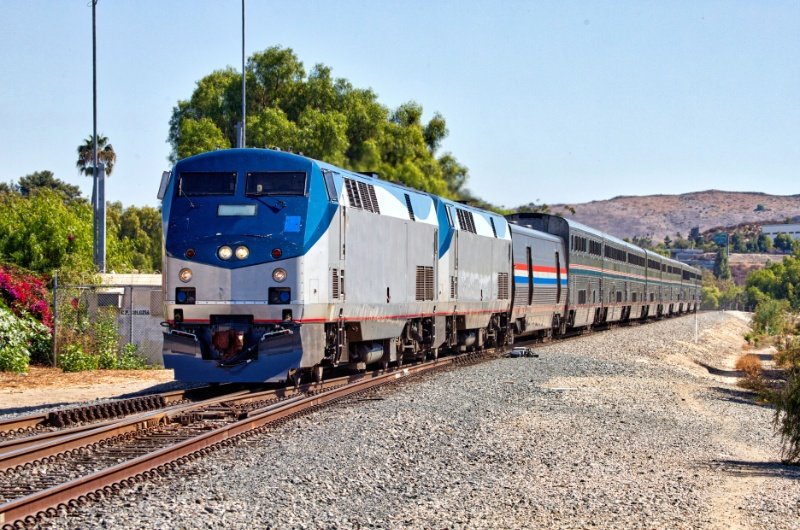
Airports remain busy, but a quieter shift is underway across global travel: rail is making a comeback.
In both Europe and parts of the United States, rail travel is attracting renewed interest from leisure and business travelers alike. High-speed routes abroad and expanded regional corridors domestically are offering an alternative to congested airports, fluctuating airfare, and unpredictable delays. For many travelers, the appeal is simple — fewer security lines, city-center arrivals, and a more relaxed journey.
The resurgence is not purely nostalgic. Sustainability concerns are influencing booking decisions, particularly among younger travelers and corporate clients with emissions targets. Rail often carries a smaller carbon footprint than short-haul flights, making it an attractive option for environmentally conscious travel.
There is also a psychological shift at play. After years of rushed itineraries and packed schedules, travelers are showing greater appreciation for the journey itself. Rail travel encourages a slower rhythm — scenic views, uninterrupted work time, and fewer logistical disruptions. The experience feels less transactional and more immersive.
Airlines are unlikely to lose dominance in long-distance travel, but rail is carving out a stronger role in regional and intercity routes. As infrastructure investments continue and traveler preferences evolve, the rails may prove to be one of the more understated winners of the 2026 travel landscape.