


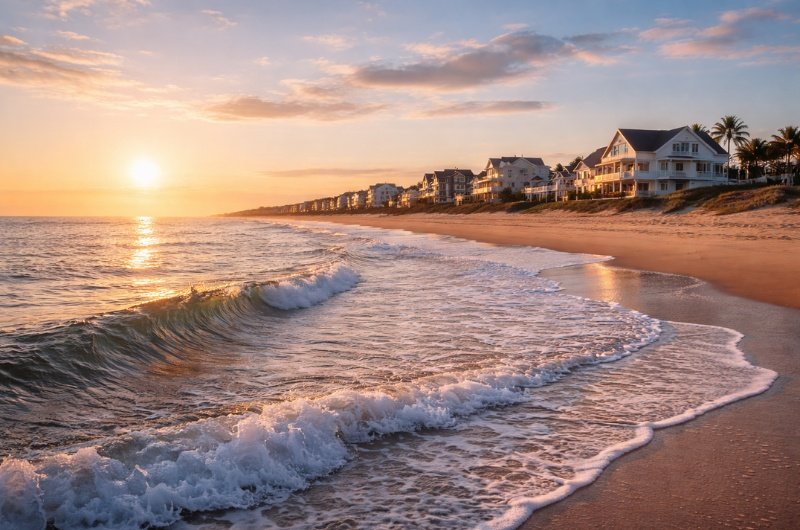
For many Americans, coastal living represents the ultimate escape — ocean views, salt air, and a slower pace that feels worlds away from everyday stress. Beach towns have long been romanticized as places where life feels lighter, mornings start calmer, and routines revolve around tides rather than traffic.
But those who actually live near the coast say the experience is more nuanced than the vacation version suggests. While the scenery is undeniably beautiful, coastal life comes with rhythms that take adjustment. Weather plays a bigger role in daily planning, seasonal shifts can dramatically change a town’s energy, and the quiet months often look very different from peak tourist season.
There are also practical realities that rarely show up in travel brochures. Coastal communities often face higher living costs, limited housing inventory, and added maintenance tied to salt air, humidity, and storms. In tourist-driven beach towns, many restaurants and attractions close or scale back during late fall and winter months, leaving residents with fewer dining and entertainment options outside of peak season. For homeowners, insurance considerations and weather preparedness are part of the lifestyle, not occasional concerns.
At the same time, many residents say the tradeoffs are worth it. Living near the water often encourages a more intentional pace — daily walks, outdoor routines, and stronger ties to local community life. For remote workers and retirees especially, coastal towns offer a sense of balance that’s harder to find elsewhere.
Ultimately, coastal living isn’t just about the view. It’s a lifestyle choice shaped by environment, priorities, and expectations. For those drawn to the water, the appeal goes deeper than escape — it’s about aligning daily life with a setting that feels both grounding and inspiring, even when the fantasy gives way to reality.