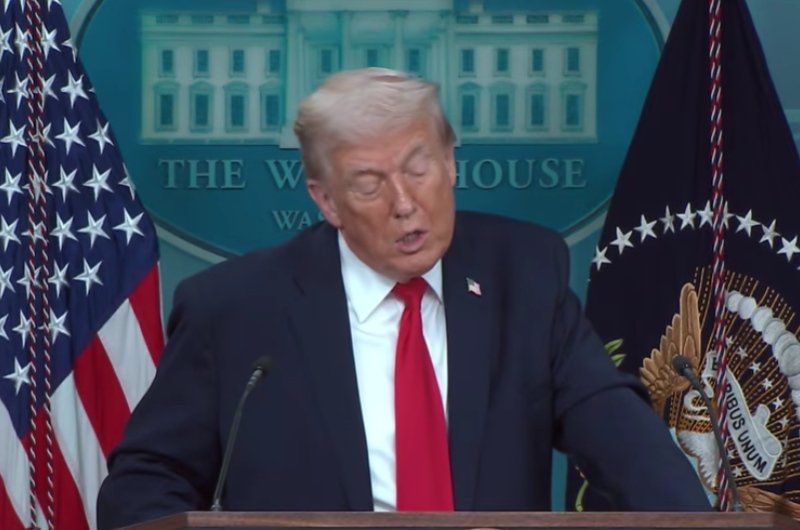
During today’s White House press briefing, President Donald Trump reviewed his administration’s 2025 accomplishments, highlighting progress on inflation, trade, taxes, drug pricing, manufacturing, and border security. For markets and households alike, the focus now shifts from the review itself to how — and when — these priorities translate into real financial outcomes.
Here’s what matters most for consumers after today’s briefing.
Inflation: How Markets and Households Interpret the Signal
During the briefing, the president said, “There’s no inflation. There’s very little inflation.”
Inflation has eased from earlier peaks, and recent data shows price growth slowing across several categories. At the same time, many households continue to feel pressure from higher prices compared to prior years, particularly for essentials such as housing, insurance, food, and utilities.
In situations like this, markets tend to focus less on individual characterizations and more on how inflation trends evolve over time. Upcoming economic reports, wage data, and Federal Reserve commentary will play a central role in shaping expectations around interest rates and borrowing costs.
Trade and Manufacturing: Big Numbers, Longer Timelines
The president also pointed to a 62% reduction in the trade deficit and said that “next year we won’t have a trade deficit.” He highlighted domestic manufacturing activity, noting that “we have more plants being built than at any time in our country.”
If sustained, changes in trade balances and manufacturing investment could support job growth and supply stability. For consumers, however, these shifts typically take time to influence wages, prices, and overall cost of living. Markets will look to future trade data releases and corporate earnings for confirmation.
Drug Prices: A Direct Pocketbook Issue
One of the most tangible topics addressed involved prescription drug costs. The president said drug prices had been slashed and would fall “more than ever before,” citing significant price differences between the U.S. and other countries.
Lower drug prices would provide direct relief for millions of Americans, particularly seniors and those managing chronic conditions. For now, consumers should watch for policy details, implementation timelines, and how insurers and pharmacies respond before expecting meaningful changes at the pharmacy counter.
Taxes and Take-Home Pay
The briefing also highlighted what the president described as “the largest tax cuts in history,” including proposals for no tax on tips, no tax on Social Security, and no tax on overtime.
If enacted and sustained, such measures could increase take-home pay for certain workers and retirees. Markets and households alike will be watching legislative progress, fiscal implications, and how these proposals interact with federal revenues and deficits.
Deficits, Borders, and Broader Economic Signals
The president also said the federal budget deficit was reduced by 27% in a single year and emphasized border security, stating that “for the last eight months, nobody came into our country illegally.”
While these statements speak to broader policy priorities and confidence signals, financial markets tend to respond most directly to official fiscal data, government borrowing needs, and economic indicators over time.
What Consumers Should Watch Next
Rather than reacting immediately to political messaging, financially focused readers may want to keep an eye on the following indicators, that typically shape real-world financial outcomes more than any single briefing.
- Upcoming inflation and jobs reports
- Federal Reserve signals on interest rates
- Mortgage, credit card, and savings rate trends
- Legislative progress tied to tax and drug-pricing proposals
The Bottom Line
White House briefings can influence expectations, but household finances move on data, policy execution, and time. For consumers, the most practical approach is to stay informed, avoid overreaction, and focus on financial decisions within their control as broader economic signals continue to unfold.