With the holiday season approaching, a surge in travel demand is colliding with lingering effects of the recent government shutdown, creating a complicated landscape for travelers and carriers alike. Airports and airlines are preparing for one of the busiest travel periods in years, but the shutdown’s ripple effects — including staffing shortages, delayed approvals and strained operations — are adding extra pressure across the system.
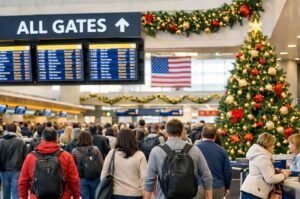
Passengers are already noticing longer lines, limited seat availability on popular routes and higher-than-expected fares. Some airports are still working through operational bottlenecks created during the shutdown, which paused regulatory functions and slowed progress on staffing, equipment certifications and infrastructure adjustments.
This year’s travel rush is also reshaping traveler behavior. Many passengers are adjusting their travel routines — departing on less-popular days, choosing alternative airports and even pairing rail or car segments with flights to avoid congestion. Flexibility is becoming the new advantage.
For travelers this season, the takeaway goes beyond finding the cheapest ticket — it’s about traveling smarter. People now want practical strategies to stay ahead of disruptions, from building flexibility into their plans to knowing their options when delays or cancellations hit. The value is shifting from bargain hunting to confident, resilient planning.
As airlines and airports ramp up for the holiday push, one thing is clear: being proactive and anticipating potential complications will be the difference between a chaotic journey and a smooth one. Planning for buffers, managing expectations and staying informed can help turn a high-pressure travel season into a manageable and even enjoyable experience.
———
Related:
Bus and Train Bookings Surge as Air Travel Disruptions and Uncertainty Continue