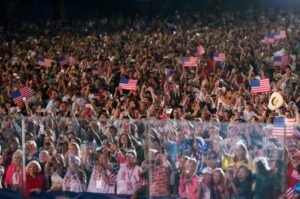


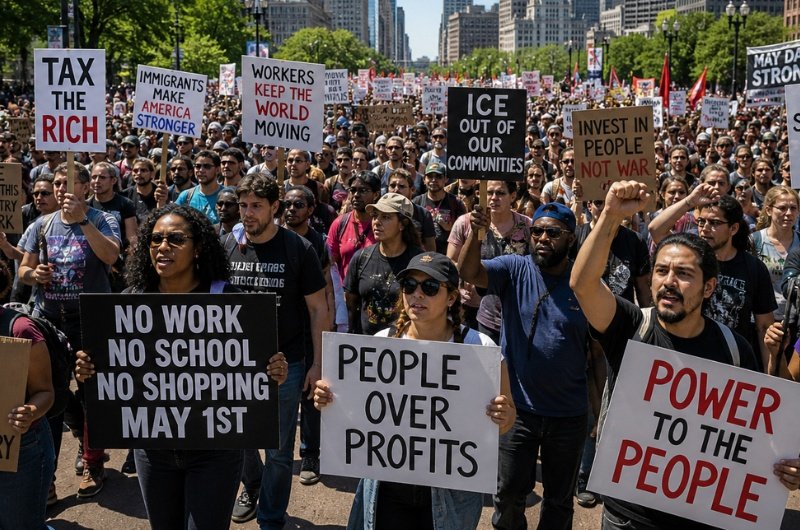
A coordinated nationwide protest is unfolding across the United States today as thousands of Americans take part in a May Day “economic blackout,” stepping away from work, school, and spending in a collective show of economic resistance.
Organized by the May Day Strong coalition, the movement spans more than 3,500 events across cities and communities, with participation from labor unions, educators, students, and advocacy groups. Instead of traditional demonstrations alone, the strategy centers on absence — urging people not to show up, not to spend, and not to participate in the systems they say rely on their labor.
The demands behind the movement are broad, ranging from higher taxes on the wealthy to changes in immigration enforcement and increased protections for workers and public institutions. But the underlying message is more focused: the economy depends on participation, and participation can be withheld.
For organizers, today’s action is being framed as a test — a way to measure whether coordinated economic withdrawal can create visible disruption and build momentum toward larger-scale actions in the years ahead. Some groups involved have already pointed to the possibility of a wider general strike later this decade.
The Readovia Lens
What unfolds today may ultimately be less about immediate outcomes and more about signal. At a time of rising economic pressure and shifting public sentiment, the question is whether people’s frustration can translate into sustained, collective action capable of reshaping the balance of power.