


Amazon to Cut 14,000 Corporate Jobs in AI-Driven Restructure

Amazon has confirmed plans to eliminate approximately 14,000 corporate roles as part of a sweeping restructuring effort tied to its growing focus on artificial intelligence and automation. The cuts mark one of the company’s largest workforce reductions since the pandemic era and reflect a broader push to streamline operations and accelerate AI-powered efficiencies across its business units. While the layoffs represent a fraction of Amazon’s global headcount, the decision underscores a deeper shift taking hold across the corporate world. Major technology and service companies are re-aligning their talent models around automation, data-driven decision-making, and productivity systems powered by generative AI. The affected roles are expected to span multiple divisions, including corporate services, advertising, human resources, and elements of Amazon Web Services — the company’s most profitable arm. The restructuring comes amid rising investment in AI infrastructure, cloud computing, and next-generation logistics systems designed to cut costs and improve output. The Strategic Underpinnings Leadership has framed the move not as a retreat, but as a reconfiguration — aimed at flattening hierarchies, reducing duplication, and redeploying resources into high-growth areas. Amazon’s leadership has publicly stated that AI will increasingly shape how the company manages its workforce and delivers value, and this round of changes signals that vision becoming operational. The Wider Lense Beyond Amazon, the announcement reflects an inflection point in how corporations are approaching efficiency. The next wave of workforce evolution is about redesigning entire organizational structures for an AI-first world. As automation absorbs repetitive tasks, the focus of human work shifts toward creativity, strategy, and oversight — roles where judgment and innovation still matter most. Readovia Insight This restructuring signals a new rule for the age of intelligent systems: adaptability is the new measure of progress – not workforce growth. Companies that learn to blend AI capability with human capital strategy will define the next generation of competitive advantage. The challenge ahead is how to redeploy talent into a future where technology changes faster than tradition.
X Settles Severance Lawsuit Brought by Former Twitter Executives
X Corp. has reached a settlement with four former Twitter leaders — ex-CEO Parag Agrawal, former CFO Ned Segal, former chief legal officer Vijaya Gadde, and former general counsel Sean Edgett — resolving their lawsuit over unpaid severance tied to Elon Musk’s acquisition. Terms of the settlement were not disclosed. The executives alleged they were collectively owed $128 million under change-in-control provisions, including one year of salary and stock-based compensation. A recent filing in San Francisco federal court noted the settlement and pushed back case deadlines to allow it to be finalized. The companies did not disclose financial terms. In court papers, the former executives said Musk falsely accused them of misconduct and forced them out after they sought to hold him to the $44 billion purchase agreement. X has denied wrongdoing, saying they were terminated for performance reasons. The deal closes one of several legal aftershocks from the 2022 takeover and mass layoffs that followed, including a separate settlement X reached with rank-and-file employees over severance claims. It also removes a high-profile dispute as the company continues to operate under its new brand and leadership.
U.S. threatens to ban TikTok if China ties deal to tariffs
As of September 15, 2025, U.S. officials say they are prepared to ban TikTok if China does not drop demands that link the app’s potential sale to unrelated concessions on trade and technology. Treasury Secretary Scott Bessent and Trade Representative Jamieson Greer confirmed that while progress has been made on the technical aspects of a TikTok sale, Beijing continues to push for tariff relief and looser export controls as part of the deal. The White House has drawn a hard line, insisting it will not sacrifice national security to preserve a social media platform. For Chinese negotiators, however, TikTok represents leverage in wider trade talks, and officials see the divestment as an opportunity to reset terms on tariffs and technology restrictions. Analysts caution that without direct involvement from President Trump and President Xi, a breakthrough in Madrid is unlikely. Instead, the September 17 divestment deadline may be pushed back once again. Still, the outcome could reshape future negotiations over technology, trade, and global digital regulation well beyond TikTok itself.
Have You Updated Your iPhone With the Urgent Apple iOS Patch?
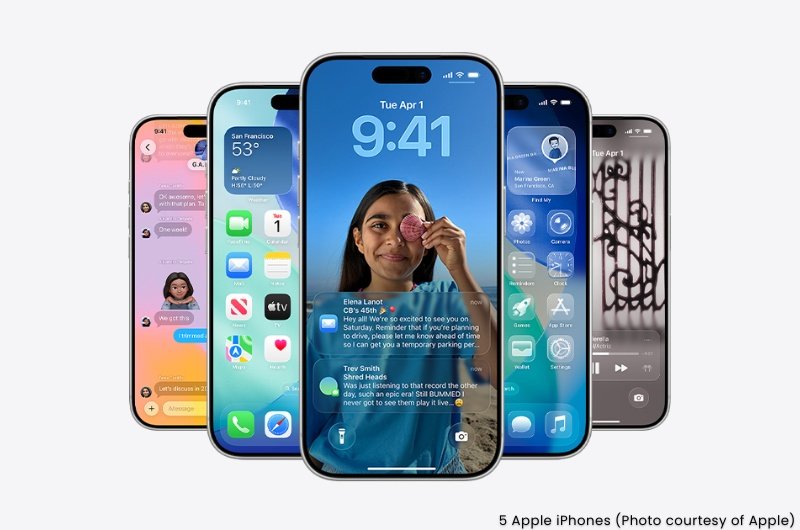
Apple recently released iOS 18.6.2 and iPadOS 18.6.2, along with macOS updates, to fix a serious zero-day vulnerability tracked as CVE-2025-43300. The flaw involved malicious image files that could trigger memory corruption, opening the door to remote code execution. Apple confirmed the bug had already been exploited in “extremely sophisticated” attacks against targeted individuals, prompting an unscheduled security update. If you own a supported device, experts urge installing the update immediately. Older iPhones and iPads no longer supported—such as models predating iPhone XS—remain at risk because they can’t receive the patch. The Author
Authors Sue Apple Over AI Book Training

A group of authors has filed a lawsuit against Apple, alleging the tech giant’s artificial intelligence models were trained using copyrighted literary works without permission. The case echoes ongoing legal challenges against other AI developers accused of exploiting protected content. The complaint argues Apple’s use of entire books in training datasets amounts to large-scale copyright infringement. “Writers should not have to compete with AI built on their own work,” one attorney representing the group stated. Apple has not yet issued a formal response, but industry observers say the case could become a bellwether for how courts view AI training practices. If successful, the lawsuit could reshape both licensing rules and the economics of AI development.
Musk Sues Apple and OpenAI, Claims AI Antitrust Collusion
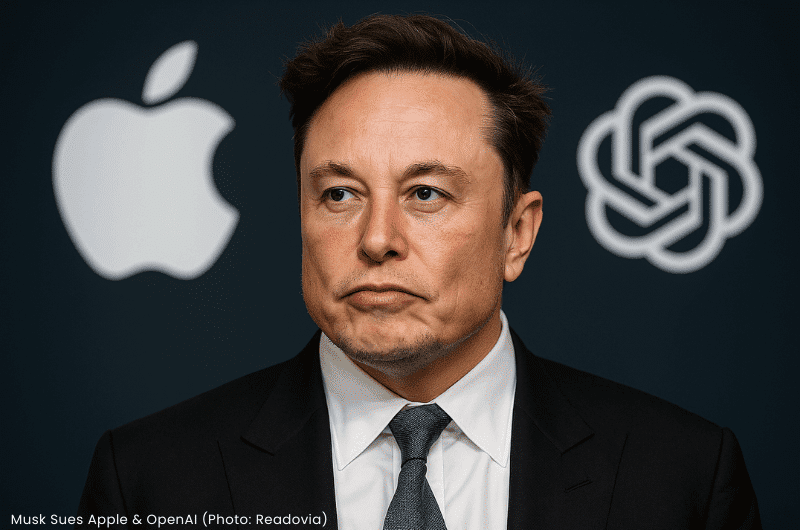
Elon Musk has opened a new front in his war on Big Tech, filing a lawsuit in Texas that accuses Apple and OpenAI of colluding to stifle competition in artificial intelligence. The case alleges Apple’s deepening ties with OpenAI—including reported exclusivity around advanced models—are shutting out rivals such as Musk’s own Grok platform. The suit escalates long-running tensions between Musk and OpenAI, the company he co-founded in 2015 before splitting with its leadership. Musk has argued that OpenAI strayed from its nonprofit mission and has since locked its most powerful AI tools behind paywalls and closed partnerships. By targeting Apple, Musk is also taking on one of the world’s most valuable companies, accusing it of tilting the playing field by bundling OpenAI features into its devices. Legal experts say the case could break open rarely seen details about how AI partnerships are negotiated, raising questions about whether exclusivity deals amount to antitrust violations. Apple and OpenAI, for their part, have so far declined to comment—but both are expected to mount vigorous defenses that frame their cooperation as consumer benefit, not collusion. The lawsuit lands as regulators in Washington, Brussels, and Asia are already sharpening their scrutiny of AI’s winners and gatekeepers. A ruling in Musk’s favor could ripple globally, forcing more open access to frontier AI systems. But even if the case stalls, it injects fresh political and market pressure into a sector already teetering between hype and hard questions about power. Between the Lines Musk’s lawsuit pushes a critical question into the open: who controls access to the most powerful AI systems? If the courts side with him, exclusivity deals could be reined in and transparency forced on partnerships that have quietly shaped the industry. If not, Apple and OpenAI may solidify their role as gatekeepers—tightening the funnel of innovation and leaving rivals scrambling on the outside.
Microsoft Workers Arrested in Defense Contract Showdown
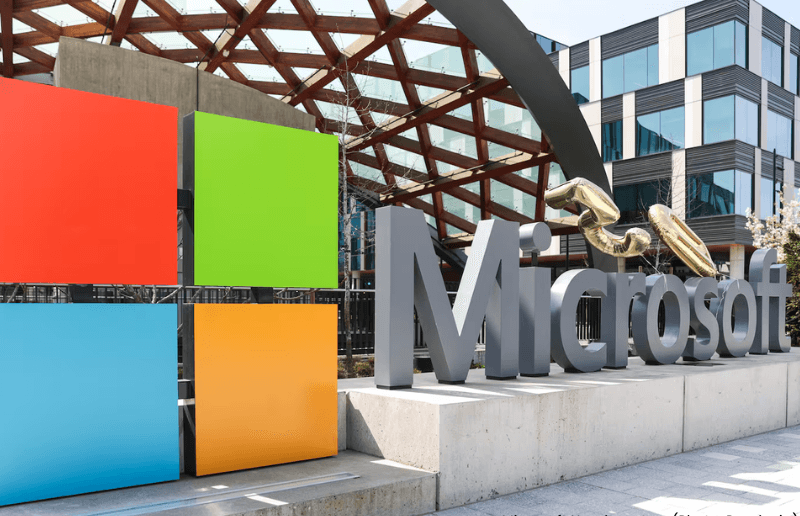
Tensions at Microsoft’s Redmond headquarters erupted into arrests after employees and outside activists staged a sit-in against the company’s contracts with Israel’s defense sector. Eighteen protesters—some of them current and former staff—were taken into custody after blocking entrances and refusing to disperse. The demonstrators accused Microsoft of ignoring employee concerns about its role in global conflicts, pointing to technologies that critics say could be weaponized. For the company, it’s the latest in a growing pattern of workforce activism, where engineers and staff push back against management’s choices on ethical grounds. This moment underscores a larger fault line in Big Tech: companies may chase lucrative government deals, but increasingly, their own employees are willing to risk their jobs and freedom to challenge where those deals cross ethical lines.