


Apple’s Foldable iPhone Is Finally Coming — Here’s What to Expect
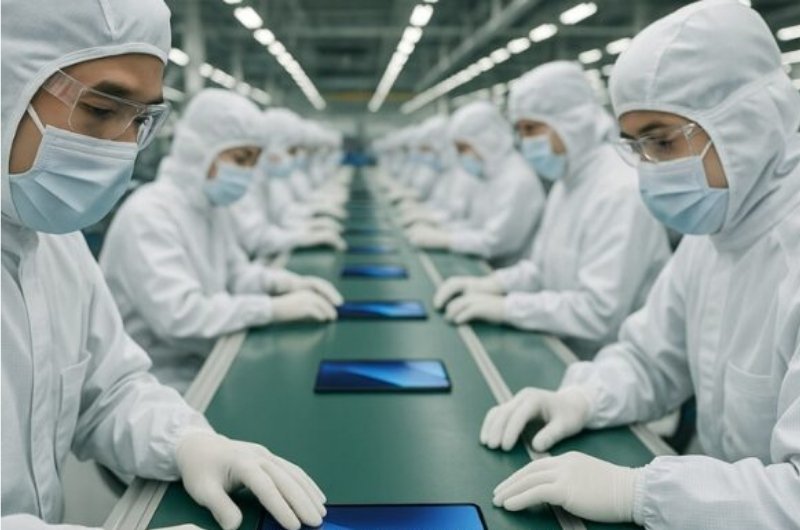
After years of rumors, Apple’s first foldable iPhone appears to be approaching the finish line. Supply-chain reports indicate the device has entered mass production, putting Apple on course to unveil its first folding smartphone as early as September alongside its next generation of premium iPhones. The device is expected to use a book-style design that opens into a roughly 7.8-inch display, with a smaller 5.5-inch screen on the outside for everyday phone use. Apple has not officially revealed the device or confirmed its specifications, but reports suggest the company has focused heavily on creating a thinner design and minimizing one of the biggest complaints about foldable phones: the visible crease running through the center of the screen. Those design choices could result in some surprising differences from today’s premium iPhones. The foldable is reportedly expected to use Touch ID built into a side button instead of Face ID, along with two rear cameras rather than the three-camera system found on Apple’s highest-end conventional phones. It is also expected to use a new generation of Apple silicon and a wider interior display designed to make apps, video and multitasking feel closer to using a small tablet. Then there is the price. Analysts and supply-chain reports have consistently placed Apple’s foldable at the very top of the smartphone market, with estimates starting around $2,000 and some projections considerably higher. That would make it one of Apple’s most expensive consumer devices and could initially position the foldable as a premium showcase rather than a replacement for the standard iPhone. Apple is arriving late to a category already populated by Samsung, Google, Motorola and several Chinese manufacturers, but that may work in its favor. Foldable phones have become thinner, tougher and considerably more refined since the earliest models appeared. If Apple can deliver the polished hardware and software experience its customers expect, its first foldable could provide the biggest test yet of whether folding phones are ready to move from an expensive niche into the smartphone mainstream.
Starlink Is Coming for Your Mobile Phone Service
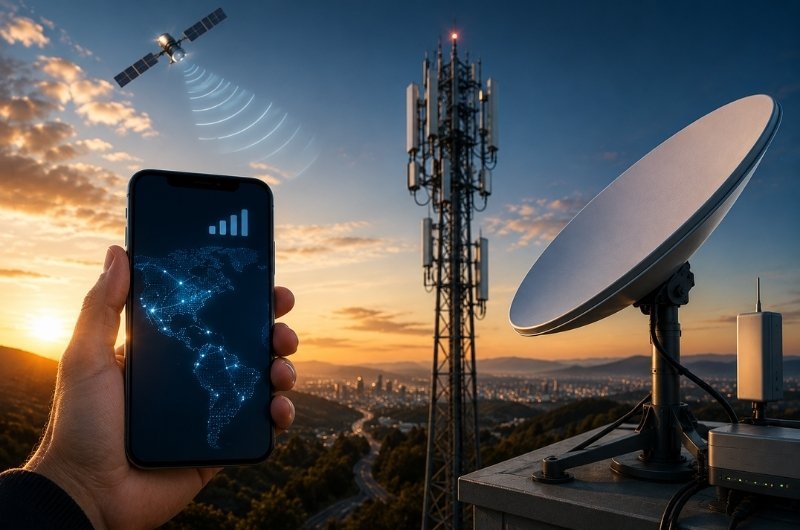
SpaceX is preparing to turn Starlink into a full-fledged mobile phone service, laying out plans to combine its satellite network with ground-based cellular infrastructure and compete more directly with AT&T, Verizon and T-Mobile. During SpaceX’s second-quarter earnings call Tuesday, President and COO Gwynne Shotwell said the company intends to build a terrestrial component for Starlink Mobile using wireless spectrum acquired from EchoStar. The goal is to create what she described as a true mobile service, rather than limiting Starlink to satellite coverage that fills gaps when conventional cellular networks aren’t available. SpaceX’s approach could look very different from the sprawling tower networks built by traditional wireless carriers. Shotwell said small cellular base stations could potentially be installed alongside Starlink broadband equipment and deployed around the country as needed. Those ground stations would work alongside a new generation of direct-to-device Starlink satellites, which SpaceX expects to begin launching next year. The strategy is possible in large part because SpaceX has secured valuable nationwide wireless spectrum from EchoStar. That spectrum includes frequencies that can support both satellite and terrestrial communications, giving SpaceX something it previously lacked: the ability to build a mobile network on the ground while simultaneously expanding coverage from space. SpaceX has indicated terrestrial service could begin as early as the end of 2027. For consumers, the long-term idea is straightforward: a Starlink phone service could use ground-based cellular coverage where available and satellites where it isn’t, potentially reducing the dead zones that still exist across rural areas, highways and remote parts of the country. Building a network capable of challenging America’s three dominant wireless carriers would take enormous investment and years of deployment, but SpaceX has now made clear that Starlink’s ambitions extend well beyond home internet. It wants a place on your phone, too.
Drone Food Delivery Is Coming to Texas as Zipline and Wonder Announce Expansion
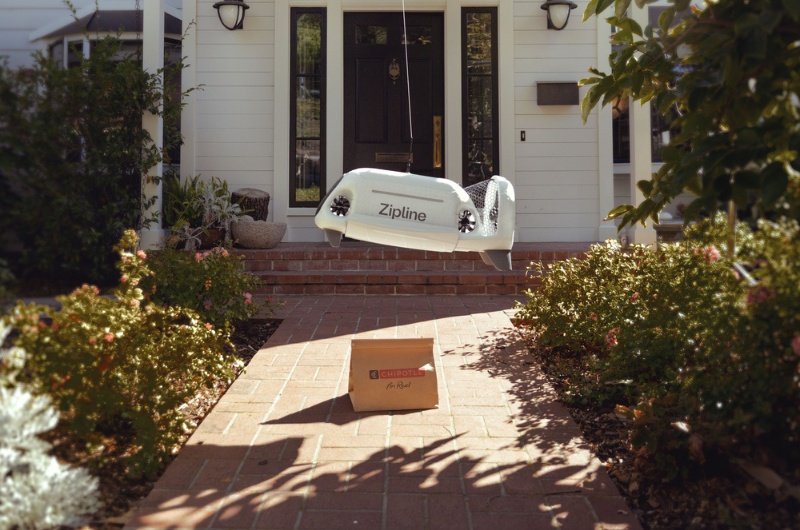
Ordering dinner could soon include looking to the sky as Zipline and food technology company Wonder plan to launch commercial drone food delivery in the Dallas–Fort Worth area in early 2027. The partnership is expected to expand across much of Texas later in the year using Zipline’s autonomous aircraft. The deliveries will be powered by Zipline’s Platform 2 drone system, which is designed to transport meals and other small items quickly and efficiently. Rather than landing, the aircraft hovers above the delivery location and lowers each order to the ground using a tether, allowing deliveries to be completed without the drone ever touching down. The announcement reflects the continued growth of drone delivery technology in the United States. While drones have already been used to transport medical supplies and other essential items in several regions, companies are increasingly expanding their focus to consumer deliveries, including prepared meals, groceries, and everyday household purchases. Texas has become an important testing ground for commercial drone operations thanks to its rapidly growing metropolitan areas and continued investment in transportation and technology innovation. If the rollout proves successful, it could help accelerate broader adoption of drone delivery services in other parts of the country. For consumers, the partnership offers another glimpse into how aerospace innovation is reshaping everyday life. What once seemed like a futuristic concept is steadily becoming a practical transportation solution, with autonomous aircraft poised to play a growing role in how people receive everything from restaurant meals to retail purchases. ——————– Related: Drone Food Delivery Is Coming to Texas as Zipline and Wonder Announce Expansion
The Next Big Upgrade Isn’t Your Phone—It’s Your Laptop

For years, smartphones have been the center of the technology world. New models arrived with better cameras, faster processors, and larger displays, encouraging consumers to upgrade every few years. Today, the spotlight is beginning to shift. A new generation of laptops is arriving with specialized hardware designed to support artificial intelligence features directly on the device. These systems, often referred to as AI PCs, are equipped with dedicated processors that can handle certain AI tasks without relying entirely on cloud-based services. For consumers, the change may not be as obvious as a larger screen or a redesigned keyboard. Instead, AI-enabled laptops are being built to improve everyday tasks such as searching files, organizing information, enhancing video calls, creating content, and managing workflows more efficiently. The trend comes as many smartphone owners are holding onto their devices longer than in previous years. While modern phones continue to improve, annual upgrades have become less dramatic for many users. At the same time, laptops remain central to how people work, learn, create, and communicate. Technology companies see AI as the next major evolution in personal computing. By processing some AI functions locally, laptops can offer faster responses, improved privacy, and new capabilities that do not depend entirely on an internet connection. The shift could also influence how consumers think about their next technology purchase. Rather than replacing a perfectly capable smartphone, some users may find greater value in upgrading the computer they use every day. As artificial intelligence becomes more deeply integrated into software and productivity tools, the next major leap in personal technology may be happening on desks and kitchen tables rather than in pockets.
Meta’s Threads Tops 500 Million Monthly Users as Platform Expands Features

Meta’s social media platform Threads has surpassed 500 million monthly active users, marking a significant milestone as the company rolls out new features designed to strengthen communities and give users more control over their experience. The growth reflects Threads’ continued evolution since its launch, positioning the platform as a major player in the competitive social media landscape. Alongside the user milestone, Meta announced a series of updates aimed at encouraging deeper engagement and making it easier for people to connect around shared interests. Among the most notable additions is the broader rollout of Communities, which allows users to participate in topic-focused groups centered on hobbies, professions, and other common interests. The feature is accompanied by a new Communities Hub, customizable community icons, and tools that highlight participation and recognize active contributors. Meta is also introducing Your Algo, a personalization feature that gives users more influence over the content recommended in their feeds. The update builds on the company’s efforts to make content discovery more transparent and customizable while helping users shape the conversations they see most often. The announcement underscores Meta’s strategy of pairing audience growth with product innovation. Rather than relying solely on increasing user numbers, the company is investing in features intended to foster longer-term engagement and create more meaningful interactions across the platform. Threads’ expansion comes as competition among social networks remains intense, with companies seeking new ways to attract users and keep them engaged through personalized experiences and interest-based communities. For Meta, reaching the 500 million monthly user mark signals that Threads has grown well beyond its early launch phase and is continuing to establish itself as a significant destination for online discussion. As the platform evolves, the latest updates suggest Meta is focused not only on growing its audience but also on giving users greater control over how they discover content and participate in digital communities.
Why Your Devices Feel Smarter Than Ever—and What That Actually Means for You

Across the U.S., AI-powered devices are increasingly anticipating user behavior, reshaping everyday technology experiences in subtle but powerful ways. Apps appear before they’re searched. Maps suggest routes before departure. Inboxes draft replies that were never fully written. The shift is subtle, but constant—devices are beginning to think ahead. For those who haven’t noticed it yet, it’s likely just a matter of time. This shift isn’t coming from one breakthrough feature. It’s the result of layers of artificial intelligence working quietly in the background, learning your habits, predicting your next move, and removing steps you used to take manually. What once required a search, a click, or a decision is now often handled automatically. In many ways, it’s a clear upgrade. Tasks take less time. Friction disappears. The experience feels smoother, faster, and more intuitive. For busy users, that kind of efficiency is convenient and welcome. But there’s a quieter side to the shift. As devices take on more of the thinking, users are doing less of it. Recommendations replace exploration. Automation replaces small decisions. Over time, that can subtly change how people interact with technology—and how much control they feel they have over it. The bigger story is that devices are beginning to shape the flow of everyday life in ways most people don’t actively notice. The next phase of technology may not be defined by what we ask our devices to do—but by what they start doing on their own.
Apple Names John Ternus Next CEO as Tim Cook Prepares to Move to Executive Chairman

Apple has announced a historic leadership transition, with Tim Cook set to become executive chairman while longtime executive John Ternus takes over as chief executive officer on September 1. The move marks the start of a new chapter for one of the world’s most influential technology companies. Ternus has been with Apple for roughly 25 years and currently serves as senior vice president of hardware engineering. He has played a key role in the development of products including the iPad, AirPods, and recent iPhone and Mac devices, making him a deeply experienced internal successor. Cook became CEO in 2011 following Steve Jobs and led Apple through a period of extraordinary growth, major product expansion, and deeper global reach. During his tenure, Apple strengthened its services business, expanded its manufacturing network, and remained one of the most valuable companies in the world. As executive chairman, Cook is expected to remain active in strategic matters and global relationships, giving Apple a continuity bridge as Ternus steps into the top operating role. Investors and consumers will now be watching for clues about Apple’s next era, especially in hardware innovation and artificial intelligence. The Readovia Lens Leadership changes at Apple are never just corporate news. They can signal where technology, design, and consumer habits may be heading next.
Intel’s Quiet Comeback May Hinge on One Overlooked Piece of the AI Boom
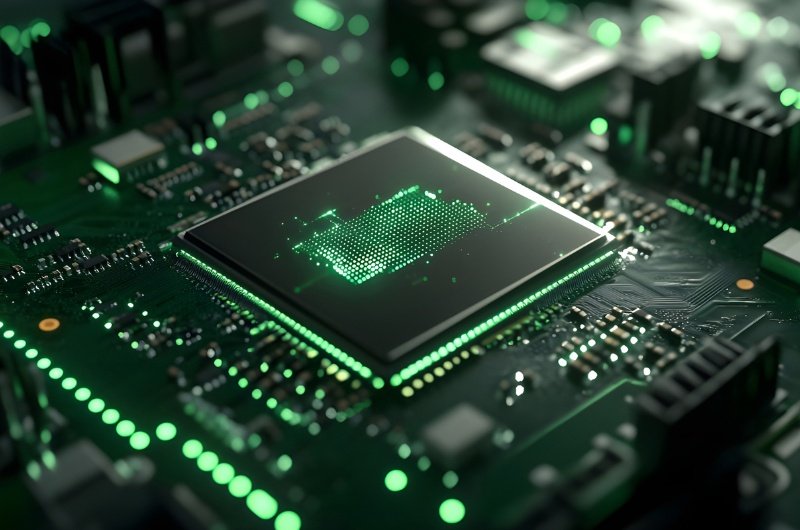
While the AI race has largely been defined by chipmakers like Nvidia and manufacturing giants like Taiwan Semiconductor Manufacturing Company (TSMC), a quieter shift is beginning to take shape behind the scenes — and it could determine who controls the next phase of the industry. Intel, long seen as a company trying to reclaim its footing, is now positioning itself in a less obvious but increasingly critical part of the AI supply chain: advanced chip packaging. And according to multiple reports, that strategy may already be gaining traction with some of the biggest names in tech. The company is said to be in ongoing discussions with major players like Google and Amazon — both of which design their own custom AI chips but rely on external partners for key stages of production. If those conversations turn into formal agreements, it would mark a meaningful shift not just for Intel, but for how AI infrastructure is built moving forward. Unlike traditional chip manufacturing, advanced packaging focuses on how multiple chip components are combined into a single high-performance system. As AI workloads grow more complex, this layer has become increasingly important, enabling greater power and efficiency without relying solely on smaller, more expensive transistor designs. For Intel, this represents strategic pivot. After years of falling behind in mobile and high-performance chips, the company has been working to reestablish its position in the semiconductor space, backed in part by efforts to strengthen domestic chip production. Securing packaging deals with companies like Google and Amazon could accelerate that effort, creating new revenue streams while placing Intel at a critical junction in the AI ecosystem. But the real story is about where the AI battle is moving next. As more companies design their own silicon, control is shifting away from who manufactures the chips to who can integrate them into powerful, scalable systems. That’s where packaging — once considered a backend step — is emerging as a front-line differentiator. The Readovia Lens The next phase of the AI race may not be decided by who builds the fastest chip — but by who can assemble the smartest system. If Intel can position itself as the bridge between custom chip design and real-world deployment, its comeback will take on real strategic weight. And in an era where AI infrastructure is becoming the backbone of everything from search to cloud computing, the companies that control the “in-between” layers may end up controlling far more than expected.
Instagram Locks Teen Accounts by Default — Parents Now Play a Bigger Role

Instagram is rolling out stricter protections for teens — and this time, they’re built in by default. The platform’s new “Teen Account” system automatically applies privacy and safety settings to users under 18, marking a shift away from optional safeguards. Younger teens must get parental approval before loosening these protections, while older teens can adjust certain settings on their own unless supervision is enabled. Under the new system, teen accounts are set to private by default, giving users control over who can follow them. Messaging is also limited, allowing contact only from people they follow or are already connected to. Sensitive content is filtered automatically, and built-in tools encourage healthier usage habits, including reminders to take breaks and optional nighttime restrictions. Parents now have the option to supervise their teen’s account through a linked dashboard. From there, they can view activity insights, set screen time limits, and approve changes that would reduce built-in protections. Rather than requiring constant monitoring, the system is designed to act as a guardrail — allowing teens to use the platform while limiting exposure to potential risks. The update reflects a broader shift in how social media platforms approach younger users. Instead of relying on families to discover and activate safety tools, Instagram is making those protections the default experience — adding friction only when users attempt to remove them. The Readovia Lens This teen account system is a strategic shift. Social media companies are facing increasing pressure from lawmakers, parents, and regulators to better protect younger audiences. By embedding restrictions directly into the platform and requiring parental involvement to override them, Instagram is reducing both user risk and corporate exposure. More importantly, this Instagram move signals a new era of platform design — one where behavior is guided by default settings, not just user choice. And for advertisers, it opens the door to something the industry has been chasing for years: a digital environment that feels stable, predictable, and brand-safe — the kind of environment emerging across a new generation of premium publishers…such as Readovia.
Foldable Phones Are Back — Signaling the Next Shift in Mobile Design
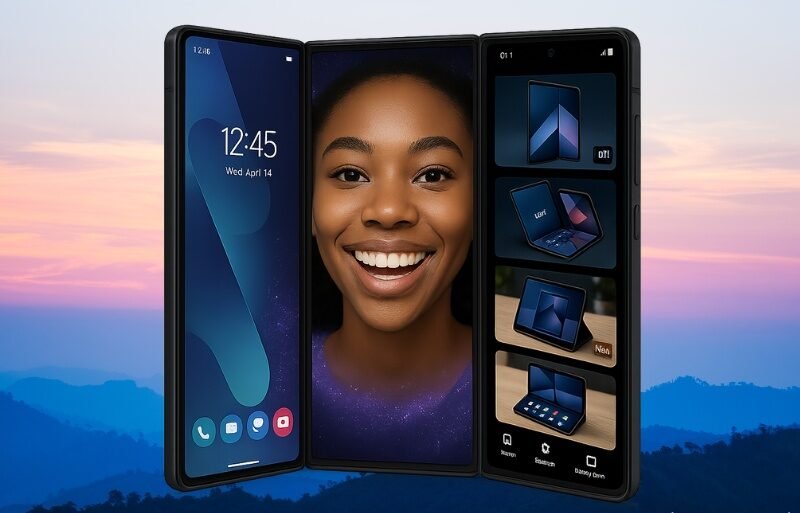
Foldable smartphones are making a return, and this time, the technology appears far more practical. After years of durability concerns and high price tags, manufacturers are delivering devices that are thinner, stronger, and better suited for everyday use. Recent models feature improved hinge designs, reduced screen creasing, and longer battery life. These upgrades address many of the early issues that made foldable phones feel more experimental than essential. The appeal is simple: one device that functions as both a compact phone and a larger, tablet-like screen. For users who multitask, stream content, or work on the go, that added flexibility is becoming increasingly attractive. Prices remain on the higher end, but competition is beginning to push the category forward. As more brands enter the space, innovation is accelerating and costs are slowly becoming more approachable. Foldable phones are evolving into a serious category — and could represent the next shift in how we think about and use mobile devices. Expect major brands to roll out new foldable models later this year as the category gains momentum.