


Trump Delays Signing of Bipartisan Housing Bill Amid Election Bill Standoff
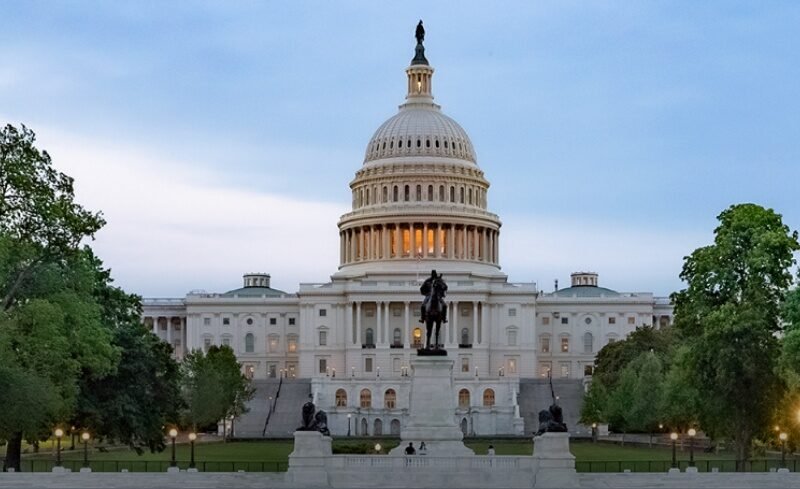
A bipartisan housing bill that cleared Congress with overwhelming support is facing an unexpected delay after President Trump postponed signing the legislation, saying he wants lawmakers to first approve separate election-related legislation. The measure, known as the 21st Century ROAD to Housing Act, passed the Senate by an 85-5 vote before receiving broad bipartisan approval in the House. The legislation is designed to encourage the construction of more affordable homes, reduce regulatory barriers, and expand the nation’s housing supply at a time when affordability remains one of the biggest financial challenges facing American families. President Trump announced Wednesday that he would delay signing the bill until Congress passes the SAVE America Act, legislation that would require proof of U.S. citizenship for voter registration in federal elections. Although the decision has sparked debate in Washington, congressional leaders have indicated they still expect the housing measure to become law. Why Housing Remains a National Issue The legislation arrives as many Americans continue to struggle with high home prices, elevated mortgage rates, and a limited supply of available homes. Supporters say the bill could help encourage new residential construction by streamlining certain federal reviews, modernizing housing policies, and reducing barriers that have slowed development in many parts of the country. Housing experts caution that the legislation is unlikely to produce immediate relief, but many believe it represents one of the most significant bipartisan efforts to address housing affordability in years. What Happens Next? Under the U.S. Constitution, legislation can still become law if a president neither signs nor vetoes a bill within the required time period while Congress remains in session. Congressional leaders have suggested the current housing bill is still expected to move forward even as negotiations continue over unrelated legislation. For homebuyers, renters, builders, and investors, the larger issue remains unchanged: increasing the nation’s housing supply is widely viewed as an important step toward improving long-term affordability. As Washington debates the next steps, millions of Americans continue watching for signs that meaningful progress on housing costs may finally be within reach.
Supreme Court Nears Final Decisions in Cases Testing Presidential Power
The U.S. Supreme Court is entering one of the most closely watched periods of its current term as the justices prepare to release several remaining decisions that could shape the balance of power between the presidency, Congress, and federal agencies for years to come. With only a handful of major cases still awaiting rulings, attention has increasingly focused on disputes involving the scope of executive authority and the ability of presidents to direct or remove officials within the federal government. Several of the pending cases stem from legal challenges connected to actions taken by President Donald Trump’s administration. The cases touch on issues ranging from immigration policy and federal appointments to the independence of government agencies and the limits of presidential power. Legal analysts say the decisions could provide important guidance on how future administrations exercise authority across a wide range of policy areas. One of the most closely watched disputes involves questions surrounding birthright citizenship and the authority of lower federal courts to block presidential actions nationwide. Another centers on the ability of presidents to remove officials from certain independent agencies, a long-running constitutional debate that could have implications far beyond the current administration. Additional cases involve immigration programs and humanitarian protections, areas that have frequently generated legal challenges and national debate. The Supreme Court traditionally releases many of its most significant decisions near the end of its term, often drawing intense attention from lawmakers, legal experts, advocacy groups, and the public. Because the Court’s rulings establish binding legal precedent, their impact often extends well beyond the immediate parties involved in a case. For Americans, the outcomes could influence how future presidents implement policies, how federal agencies operate, and how courts review executive actions. While the justices have already issued hundreds of opinions during the current term, several of the most consequential cases remain unresolved. As decisions are released in the coming days, they are expected to generate significant discussion in Washington and across the country. The final rulings could help define the relationship between the executive branch and the judiciary at a time when questions surrounding presidential authority continue to play a central role in American politics.
Pentagon Requests Additional $80 Billion to Cover Iran Conflict Costs
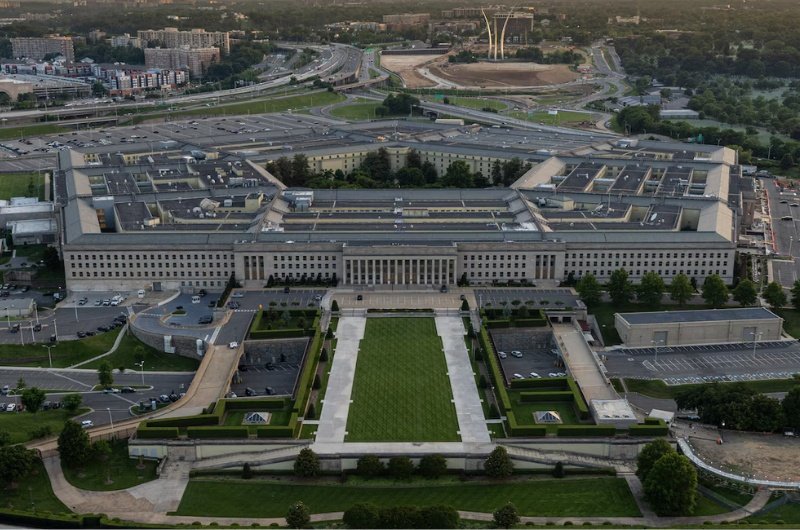
The Pentagon is seeking roughly $80 billion in additional funding from Congress to cover costs associated with the conflict involving Iran, adding another major spending request to an already expansive defense budget proposal. Defense officials have informed lawmakers that the funding would help pay for military operations tied to the Iran conflict, along with other defense-related expenses. The proposed funding package is expected to face close scrutiny on Capitol Hill. Lawmakers from both parties have raised questions about the overall cost of the conflict, how the additional funds would be allocated, and the impact on the federal budget. Some members of Congress have also called for greater transparency regarding future military spending plans. The Pentagon’s request would come on top of a broader defense spending proposal already under consideration. Defense officials argue that maintaining military readiness, replenishing equipment and munitions, and supporting ongoing operations remain essential national security priorities. The funding request arrives at a pivotal moment following the recent peace framework announced between the United States and Iran. While both sides have expressed support for continued negotiations, significant differences remain regarding long-term security arrangements and the future of Iran’s nuclear program. For now, lawmakers will be tasked with weighing the Pentagon’s request against competing priorities as Congress considers the next phase of federal spending negotiations. The Readovia Lens The proposed $80 billion request highlights the financial realities of modern military conflicts. Even as diplomatic efforts advance, governments often face substantial costs tied to military operations, equipment replacement, troop readiness, and long-term strategic commitments. The funding proposal serves as a reminder that military operations can carry financial consequences long after the immediate crisis has passed.
U.S., Iran Enter Next Phase of Peace Agreement With Technical Talks Underway
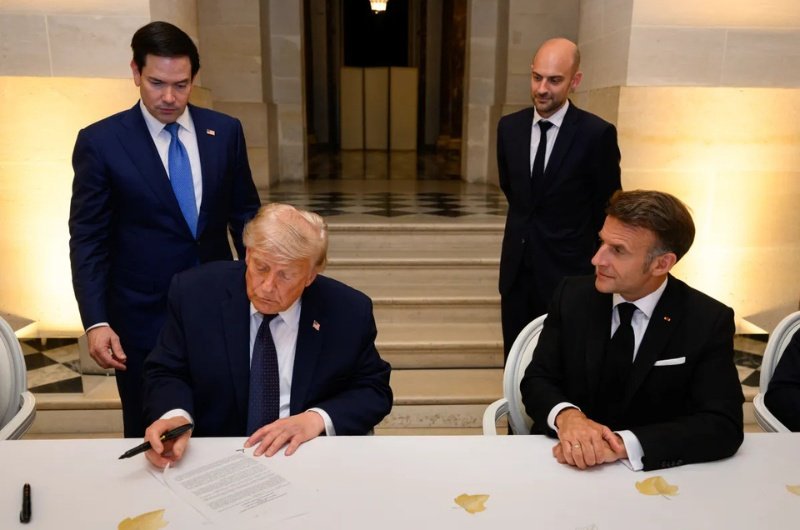
The United States and Iran have entered a new phase of diplomacy following last week’s interim peace agreement, with negotiators launching technical discussions aimed at turning broad commitments into a more detailed and lasting framework. Officials involved in the talks described the latest round of negotiations as encouraging, saying both sides have agreed to continue working toward a roadmap for a broader agreement while addressing key implementation issues. Mediators also indicated that technical teams will remain engaged as discussions continue in the coming days. The latest developments follow an interim accord announced after months of heightened tensions in the Middle East. While the agreement marked a significant diplomatic breakthrough, many of the most complex issues—including long-term security arrangements and other outstanding policy matters—remain under negotiation. According to reports, the parties have established a framework for continued talks and are pursuing a timetable intended to advance discussions over the weeks ahead. The negotiations are also expected to include mechanisms designed to reduce the risk of renewed regional instability and support the safe movement of commercial shipping through the strategically important Strait of Hormuz. Financial markets have responded positively to signs of diplomatic progress. Oil prices eased as concerns over potential supply disruptions diminished, reflecting investor optimism that continued negotiations could reduce geopolitical risks in one of the world’s most important energy corridors. The White House has characterized the agreement as a major foreign policy achievement, while international observers have emphasized that the success of the initiative will ultimately depend on sustained cooperation and the ability of both sides to translate preliminary commitments into a durable long-term settlement. For now, the focus has shifted from announcing the agreement to implementing it. As technical talks move forward, diplomats will be working to resolve remaining differences and determine whether the current momentum can produce a more comprehensive and lasting peace.
Juneteenth 2026: Nation Celebrates Freedom as Obama Presidential Center Opens in Chicago
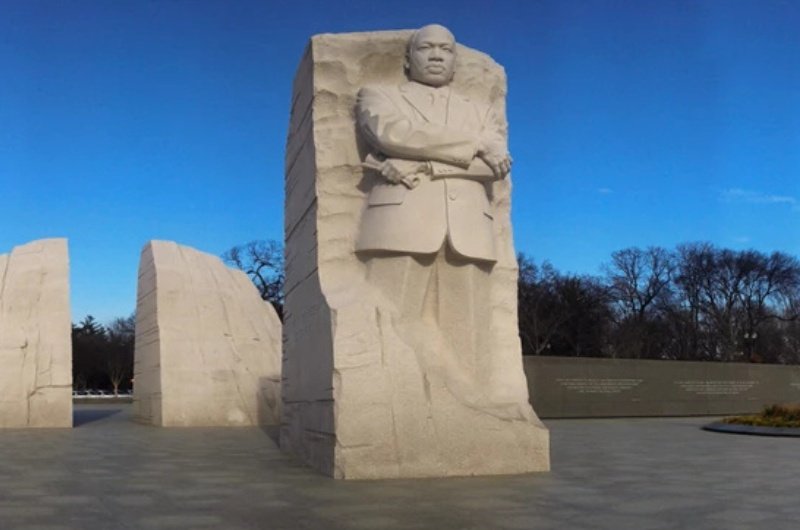
Communities across the United States are marking Juneteenth today with parades, educational programs, cultural events, and moments of reflection honoring the end of slavery in America and the continuing pursuit of freedom and opportunity. The federal holiday commemorates June 19, 1865, when Union troops arrived in Galveston, Texas, and informed enslaved people that they had been freed—more than two years after the Emancipation Proclamation was issued. Since becoming a federal holiday in 2021, Juneteenth has grown into a nationwide observance recognizing both history and progress. This year’s celebration also coincides with the public opening of the Obama Presidential Center on Chicago’s South Side. The new campus, dedicated to the legacy of former President Barack Obama and former First Lady Michelle Obama, includes a museum, educational spaces, public gathering areas, and exhibits designed to encourage civic engagement and community involvement. The opening on Juneteenth adds symbolic significance to a day centered on freedom, history, and the ongoing American story. Across the country, local governments, museums, churches, and nonprofit organizations are hosting events that celebrate African American history and culture while encouraging conversations about the nation’s past and future. Many Americans also use the day to volunteer, support local businesses, and spend time with family and their communities. As flags fly and celebrations unfold from coast to coast, Juneteenth serves as both a commemoration of a pivotal chapter in U.S. history and a reminder of the enduring importance of liberty, resilience, and hope.
U.S.-Iran Peace Talks Postponed as Markets Watch for Next Diplomatic Move
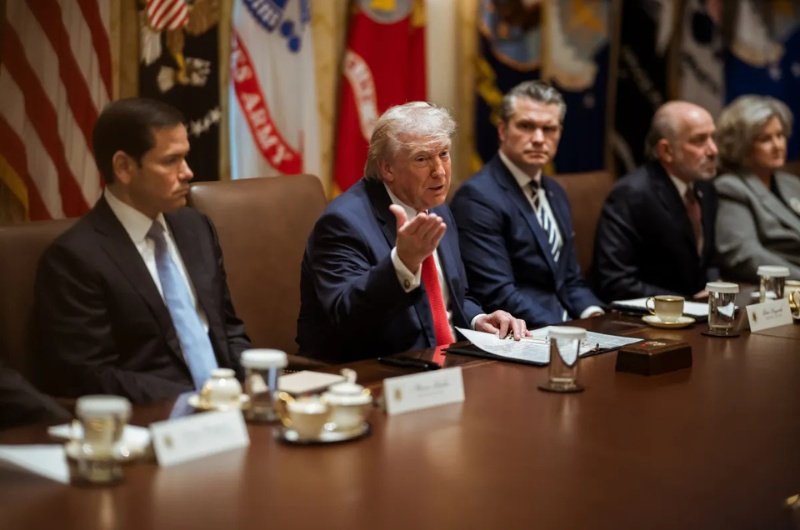
Efforts to build on this week’s U.S.-Iran peace agreement encountered an unexpected hurdle Friday after planned technical talks in Switzerland were postponed, creating uncertainty about the path toward a longer-term settlement. The discussions were expected to begin the next phase of negotiations following the recently announced memorandum aimed at reducing tensions and establishing a more durable framework for peace. Swiss officials confirmed that the meeting would not take place as scheduled, although they indicated they remain ready to facilitate future talks. The postponement comes after changes to travel plans by senior U.S. officials and questions surrounding the timing of the Iranian delegation’s participation. While neither side has suggested that diplomacy has ended, the delay highlights the complexity of turning a broad agreement into a detailed and lasting peace agreement. Despite the setback, recent progress has helped stabilize one of the world’s most strategically important regions. Commercial shipping has resumed through the Strait of Hormuz, easing concerns about disruptions to global energy supplies and international trade. Financial markets are now watching closely for signs that negotiations will resume. Even modest delays in diplomatic efforts can influence investor sentiment, particularly when they involve a region that plays a central role in global oil production and shipping. For now, officials from both countries continue to signal interest in pursuing negotiations, leaving open the possibility that technical discussions could be rescheduled in the coming days. The Readovia Lens Diplomacy is rarely a straight line. While Friday’s postponement introduces uncertainty, the broader framework for continued negotiations remains in place. The focus remains on whether both sides can return to the negotiating table and build on recent progress toward a more stable and peaceful future.
U.S. and Iran Sign Interim Agreement, Launching New Push for Regional Stability
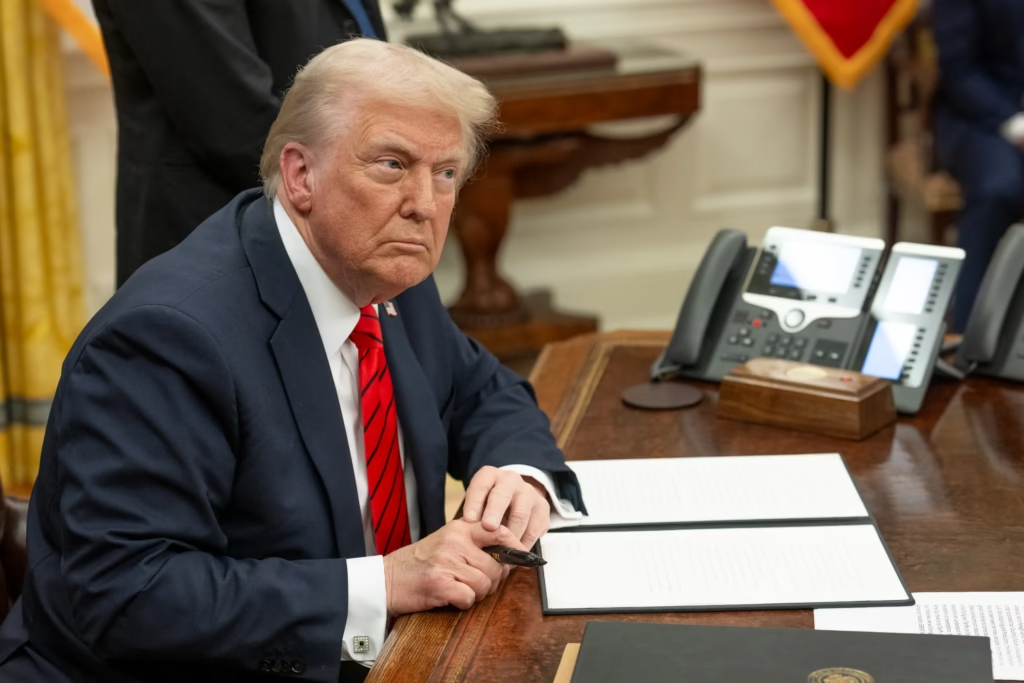
The United States and Iran have signed an interim agreement aimed at halting hostilities and creating a path toward broader negotiations, marking a significant diplomatic development after months of heightened tensions in the Middle East. The agreement extends the current ceasefire, outlines steps to reopen the strategically important Strait of Hormuz, and establishes a framework for continued discussions on long-term security and Iran’s nuclear program. While many of the most difficult issues remain unresolved, officials on both sides described the deal as an opportunity to pursue diplomacy over further conflict. The head of the International Atomic Energy Agency (IAEA), Rafael Grossi, welcomed the agreement and said technical work is now expected to begin as inspectors and negotiators work through the details needed to implement its provisions. Global leaders have largely praised the breakthrough, expressing hope that it could reduce regional instability and help restore confidence in international energy markets. Oil prices eased following news of the agreement as investors anticipated fewer disruptions to global supply routes. Despite the optimism, analysts caution that the interim accord is only the beginning of a longer negotiating process. Key questions surrounding verification measures, nuclear safeguards, and the terms of a permanent settlement are expected to be addressed during the next phase of talks. For now, the agreement represents a notable shift from military escalation toward diplomacy, offering a potential foundation for broader peace efforts in one of the world’s most strategically important regions.
Hope Has a Home: The Obama Presidential Center Opens Its Doors in a Star-Studded Chicago Celebration
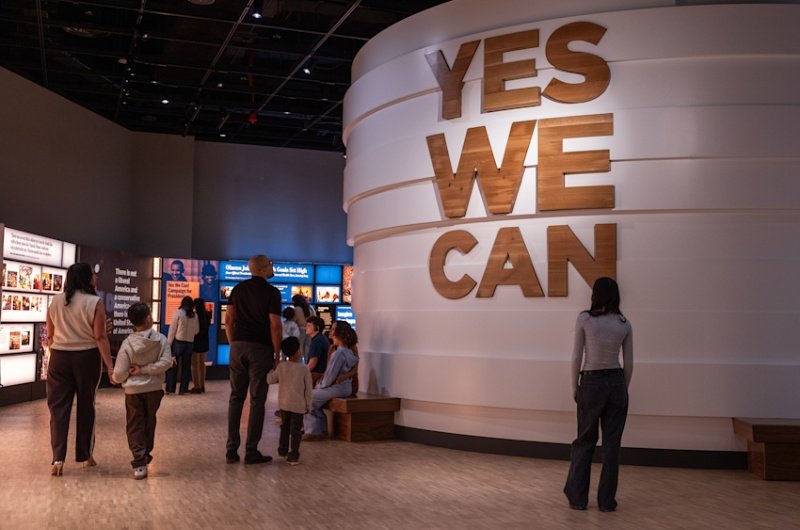
On Thursday, June 18, 2026, one of the most anticipated cultural milestones in American history will unfold on the South Side of Chicago. The Obama Presidential Center Grand Opening Ceremony brings together a who’s-who of musical icons, global leaders, artists, and changemakers for a celebration that honors not just a presidency, but a promise — that ordinary people, working together, can accomplish extraordinary things. “Hope has a home, and it’s time to open its doors,” reads the welcome message from the Obama Foundation. And what a home it is. A Campus Built for Community Nestled in Chicago’s Jackson Park at 6001 S. Stony Island Ave., the Obama Presidential Center is far more than a traditional presidential library. The sweeping 19.3-acre campus was designed by Tod Williams Billie Tsien Architects, in partnership with Interactive Design Architects, with landscape architecture by Michael Van Valkenburgh Associates — and every corner of it was conceived with the surrounding South Side community in mind. The campus includes a world-class museum, a branch of the Chicago Public Library, lush gardens and plazas, an athletic facility called Home Court (which features an NBA regulation-size basketball court), and open gathering spaces like the John Lewis Plaza and the expansive Great Lawn. Much of the campus is free and open to the public, though museum entry — which includes access to all four levels, a re-creation of the Oval Office, and the breathtaking Sky Room overlooking the city — requires a timed ticket. In a particularly striking architectural touch, words from Barack Obama’s 2015 Selma speech — “You Are America” — are carved into the exterior façade of the museum tower, allowing light to pass through the lettering and into interior spaces. Standing in the Sky Room, visitors will literally look out at the Chicago skyline through those words. A Grand Opening Worthy of the Moment The Grand Opening Ceremony on June 18 begins at 11:00 a.m. CT (12:00 p.m. ET) and will be livestreamed globally on Obama.org and the Obama Foundation’s social media channels. The in-person event is invitation-only, though fans unable to secure an invitation can gather at a free public watch party at the Midway Plaisance Park near the Center. The ceremony is more than a ribbon-cutting — it’s a full-scale cultural event, described by the Obama Foundation as bringing together “global leaders, artists, changemakers, and citizens for an inspiring celebration of the values that shaped the Obama presidency and continues to inspire people everywhere to believe in their power to create change.” The Performers: A Once-in-a-Generation Lineup Perhaps the most talked-about element of the grand opening is its jaw-dropping musical lineup — an all-star roster that spans genres, generations, and global stages. The Obama Foundation announced the performers through a clever Instagram reveal: a mock group chat in which former President Barack Obama personally “adds” each performer to the conversation. It’s the kind of warm, culturally savvy touch that has always defined the Obamas’ public presence. Here’s who will take the stage: Bruce Springsteen — The Boss himself, whose music has long championed the working class and the American dream. Bono and The Edge (U2) — Two-thirds of rock’s most iconic band, bringing their signature anthemic energy to Chicago. Stevie Wonder — A living legend whose music transcends time, genre, and generation. Christina Aguilera — The powerhouse vocalist and multi-Grammy winner. Common — Chicago’s own, a Grammy, Oscar, and Emmy-winning rapper and activist whose roots run deep on the South Side. Eddie Vedder — Pearl Jam’s legendary frontman, known for both his raw intensity and his commitment to causes larger than himself. Jennifer Hudson — Oscar, Grammy, and Tony Award-winning Chicago native, returning home in triumphant style. John Legend — EGOT-winning singer-songwriter and longtime advocate for justice and equality. Marc Anthony — The reigning king of salsa, bringing Latin soul to the celebration. The Roots — The acclaimed Philadelphia hip-hop band and house band for The Tonight Show, bringing live musicianship to the forefront. Tems — The Nigerian Afrobeats superstar who has taken the world by storm. Marsai Martin — Actress and producer, representing the next generation of changemakers. The Heart of It All: The Obamas as Hosts Of course, the Obamas themselves — former President Barack Obama and former First Lady Michelle Obama — will be present for what is, in many ways, a deeply personal homecoming. Timed for Juneteenth — and the Future The timing of the opening is no accident. The Center officially opens to the public on June 19, 2026 — Juneteenth — a holiday commemorating the emancipation of enslaved African Americans. For the nation’s first Black president to open his presidential center on this date, in the community where his story began, carries profound symbolic weight. Opening Weekend festivities continue through June 20 and 21, with a full array of public celebrations welcoming visitors from the South Side and from around the world. More Than a Monument Presidential centers can sometimes feel like monuments to the past. The Obama Presidential Center is designed to be something different — a living, breathing campus oriented toward the future. It offers programs rooted in mentorship, civic engagement, and community wellness. Its library gives residents free access to knowledge. Its gardens provide green space in a neighborhood that has long deserved more of it. As the Obama Foundation puts it, this is “a new space of possibilities” — built on the South Side “where the Obamas’ journey began,” and designed for every person who believes they have the power to make a difference. On June 18, with Bruce Springsteen, Stevie Wonder, Bono, Jennifer Hudson, and so many others sharing a stage in Chicago, that belief will be hard to argue with. The Grand Opening Ceremony livestreams Thursday, June 18 at 11:00 a.m. CT at obama.org. The Obama Presidential Center opens to the public on June 19, 2026, at 6001 S. Stony Island Ave., Chicago, IL 60637.
U.S.-Iran Peace Agreement Faces Key Test as Negotiations Move Forward
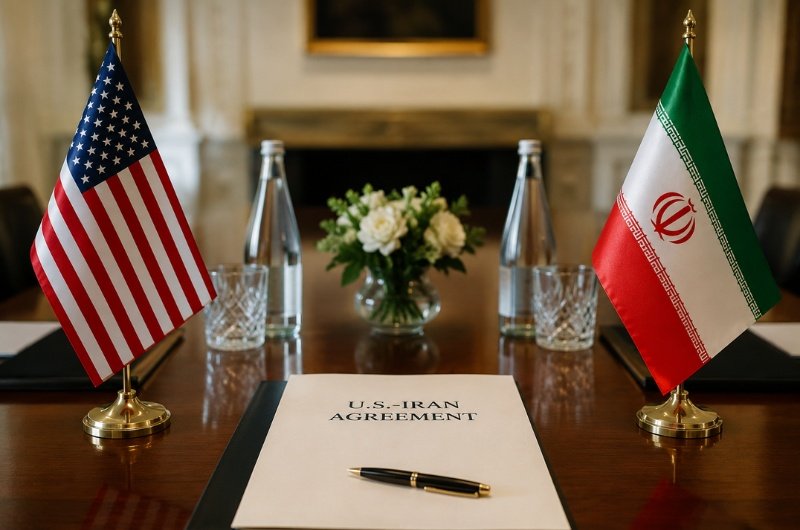
A proposed peace agreement between the United States and Iran is entering a critical phase as negotiators work through the details of a framework aimed at reducing tensions and preventing a broader regional conflict. The diplomatic effort follows weeks of heightened military activity and uncertainty across the Middle East, where concerns over security, energy supplies, and international trade routes have kept governments and financial markets on alert. While recent progress has fueled cautious optimism, the success of any agreement will depend on how its provisions are implemented in the weeks ahead. According to reports, the draft framework includes commitments designed to reduce the risk of further military escalation and create a pathway for continued dialogue between the two countries. However, several important issues remain unresolved, including verification measures, long-term security arrangements, and the timeline for carrying out key obligations. The negotiations also carry significant implications beyond the region. Any sustained easing of tensions could help stabilize global energy markets and reduce concerns about disruptions to shipping through the Strait of Hormuz, one of the world’s most important corridors for transporting oil and other goods. Financial markets have responded positively to signs of diplomatic progress, with investors viewing the prospect of greater regional stability as a welcome development after weeks of uncertainty. At the same time, observers caution that negotiations remain fluid and that unexpected setbacks could still emerge before a final agreement is reached. For now, the focus remains on whether both sides can translate diplomatic momentum into lasting commitments. The coming days are expected to provide a clearer picture of whether the proposed agreement can serve as the foundation for a more durable period of stability in the Middle East.
Trump Announces Iran Peace Agreement as Strait of Hormuz Reopens
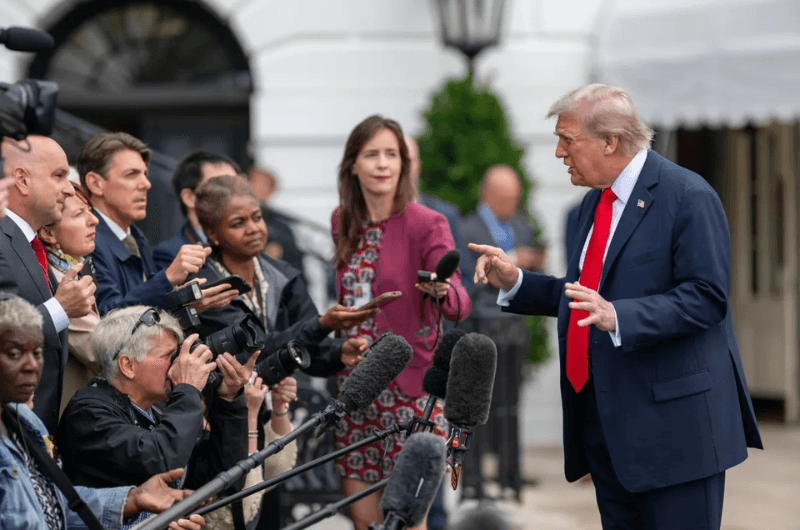
President Donald Trump announced Sunday that the United States and Iran have reached a peace agreement that could bring an end to months of conflict and reopen one of the world’s most important energy shipping routes. In a statement posted on Truth Social, Trump declared that “the deal with the Islamic Republic of Iran is now complete” and authorized the reopening of the Strait of Hormuz while directing the removal of the U.S. naval blockade in the region. The announcement marks a potentially historic diplomatic breakthrough after months of heightened tensions that disrupted global energy markets, threatened international shipping, and raised concerns about a broader conflict in the Middle East. The Strait of Hormuz serves as one of the world’s most critical energy corridors, carrying a significant share of global oil shipments between the Persian Gulf and international markets. Its reopening is expected to ease pressure on global energy supplies, shipping routes, and energy prices worldwide. Financial markets responded positively to the news, with investors viewing the agreement as a step toward greater stability in a region that plays a central role in the global energy economy. While the full details of the agreement have not yet been released publicly, reports indicate that additional negotiations involving long-term security arrangements, sanctions, and other issues are expected to continue in the coming weeks. If fully implemented, the agreement could represent one of the most significant diplomatic developments in the Middle East in decades. The deal also has the potential to reduce tensions that have periodically threatened international trade, energy supplies, and regional stability. For now, the announcement signals a dramatic shift in relations between Washington and Tehran and could become one of the defining foreign policy achievements of President Trump’s second term. Trump shared the news directly with the public in a Truth Social post, writing: The Readovia Lens If the agreement holds, its impact could extend far beyond the United States and Iran. The reopening of the Strait of Hormuz would help restore confidence in one of the world’s most important energy corridors, potentially easing pressure on global oil markets and reducing the risk of supply disruptions. Greater stability in the Middle East could also benefit international trade, shipping, and economic growth at a time when many countries continue to navigate inflation concerns and geopolitical uncertainty. Investors will be watching closely. Markets generally respond favorably to signs of reduced global conflict, particularly when energy supplies are involved. While many questions remain about the long-term details of the agreement, a lasting peace deal could remove a major source of uncertainty from the global economy and provide a welcome boost to business confidence worldwide.