


Canadian Wildfire Smoke Drifts Across Parts of the U.S.
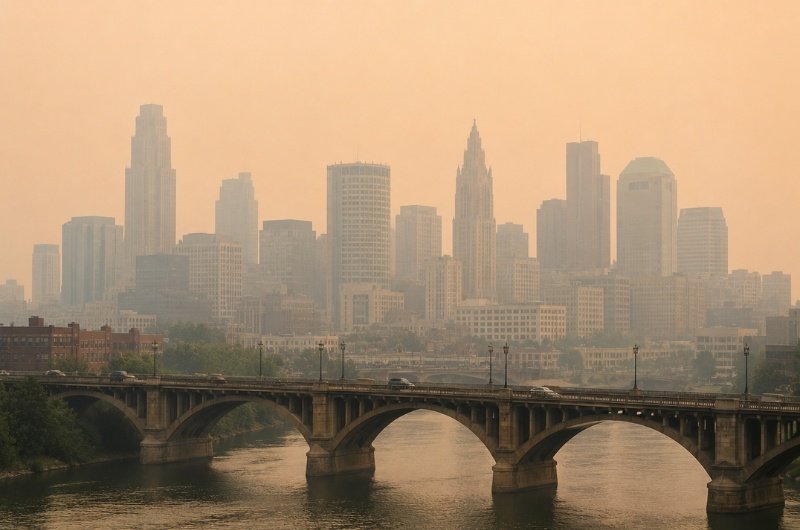
Smoke from hundreds of wildfires burning across Canada this week drifted into large portions of the United States on Friday, creating hazy skies and unhealthy air quality from the Midwest to the Northeast and Mid-Atlantic. Some of the poorest air quality was reported around the Great Lakes, where Detroit, Chicago and other cities experienced elevated pollution levels. The smoke also spread into communities farther east, including Washington, Philadelphia and New York City, prompting air quality alerts across more than 20 states. The smoky conditions also disrupted sporting events. A Major League Baseball game between the Pittsburgh Pirates and Cleveland Guardians was postponed after air quality in Cleveland reached a level considered “very unhealthy.” Another game in Philadelphia had already been rescheduled because of the smoke. Wildfire smoke contains tiny particles that can travel deep into the lungs and bloodstream. Health officials advised children, older adults, pregnant women and people with heart or lung conditions to limit strenuous outdoor activity, keep windows closed when possible and consider wearing a well-fitting N95 mask if spending extended time outdoors. Forecasters said weather conditions could bring temporary improvements to some areas over the weekend, but shifting winds may continue carrying smoke into different parts of the country. Residents are encouraged to check local air quality forecasts before making outdoor plans.
Trump Promises ‘Really Big News’ in Primetime Address Tonight
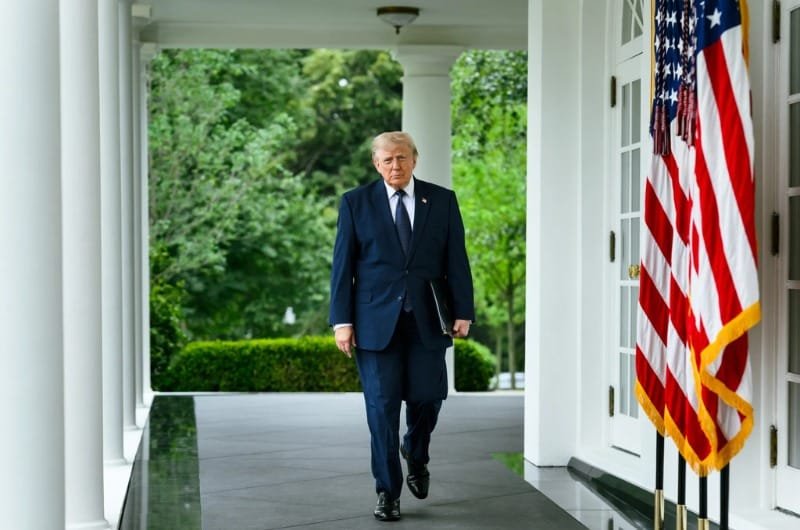
President Donald Trump is scheduled to deliver a nationally televised primetime address Thursday evening, promising what he has described as “really big news” in a speech that is expected to focus on election security and voting systems ahead of this year’s midterm elections. The White House has provided few details about the announcement, but officials have indicated the president plans to discuss election integrity, the 2020 election, and what the administration describes as vulnerabilities in the nation’s voting infrastructure. The address is scheduled to begin at 9 p.m. Eastern. The speech comes as election policy continues to be a major political issue in Washington, with lawmakers, state officials, and advocacy groups debating voting rules, election security, and public confidence in the electoral process. Because the White House has not released the full contents of the address, it remains unclear whether the president will announce new executive actions, propose legislation, or outline additional election initiatives.
U.S. Airstrikes Move Closer to Iran’s Capital
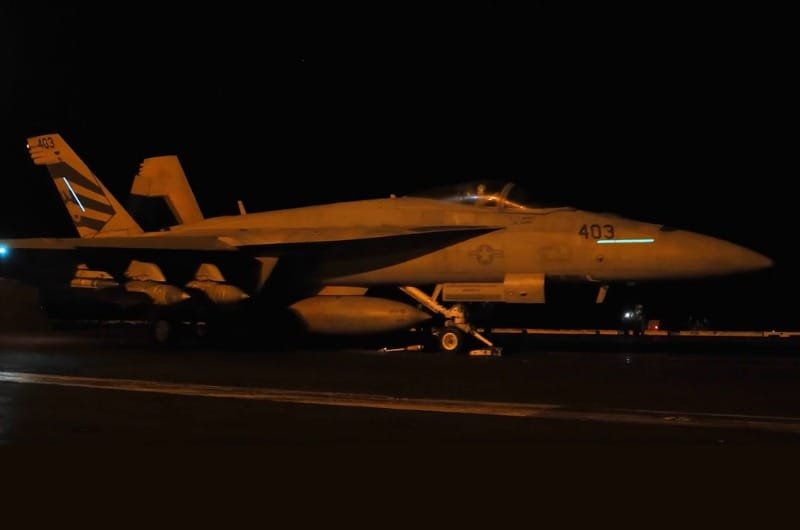
The U.S. military carried out another round of strikes against Iran early Thursday, reaching targets farther north and near Tehran for the first time in the latest phase of the conflict. The movement toward the Iranian capital marks a notable expansion of the American campaign. Tehran serves as the country’s political center, making attacks in surrounding areas especially significant as the fighting continues. U.S. Central Command said American forces struck several military sites and assets connected to Iran’s operations in the Strait of Hormuz. CENTCOM said the mission was intended to weaken Iran’s ability to threaten civilian mariners traveling through the strategically important waterway. The command also reported disabling an oil tanker in the strait. The passage remains central to the conflict because of its importance to international shipping and global energy supplies. The latest strikes show that the U.S. campaign is reaching deeper into Iranian territory, further increasing pressure on Tehran as the conflict continues without a clear path toward de-escalation.
Supreme Court Justices Seek More Security Funding Amid Rising Threats
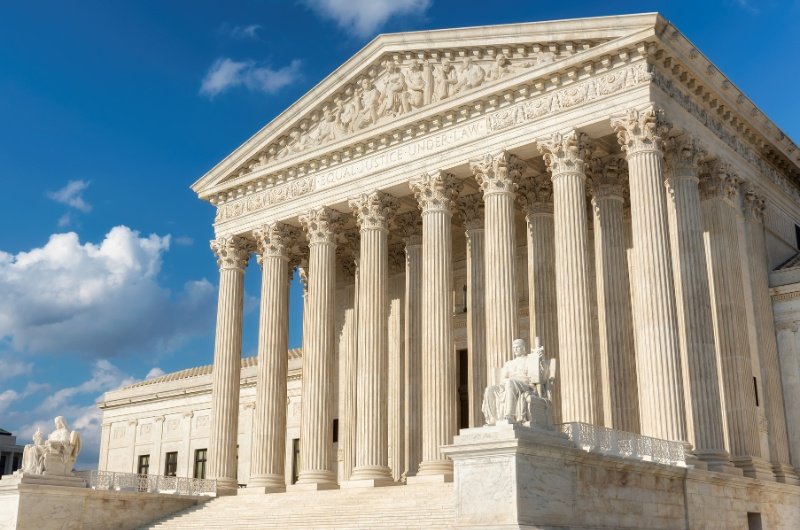
Two U.S. Supreme Court justices urged Congress on Tuesday to approve additional funding for court security, warning that threats against members of the nation’s highest court have increased in recent years. Justices Amy Coney Barrett and Elena Kagan appeared together before a congressional panel to discuss growing security concerns, saying additional resources are needed to better protect the justices, their families and court personnel. The request comes amid heightened concerns following several high-profile threats against members of the federal judiciary. Barrett told lawmakers the security risks have become so serious that she has worn a bulletproof vest while traveling home from public appearances. She said the additional funding would help ensure the safety of the Court as threats continue to evolve. The justices’ request focuses on strengthening protective measures rather than expanding the Court’s authority, with lawmakers expected to consider the funding proposal as part of the federal budget process.
Trump Reinstates Blockade of Iranian Ports, Imposes 20% Strait of Hormuz Security Fee

President Donald Trump has ordered the United States to reinstate its naval blockade of Iranian ports and announced plans to charge a 20% security fee on cargo shipments passing through the Strait of Hormuz. U.S. Central Command said the blockade will resume Tuesday at 4 p.m. Eastern, restricting maritime traffic entering and leaving Iranian ports. The military said it will continue supporting passage for non-Iranian-linked vessels traveling through the region. Trump said the cargo fee would reimburse the United States for providing security in the strait, a critical shipping route that normally carries about one-fifth of the world’s oil. The administration has not yet detailed how the fee will be collected or enforced. The proposed charge is already drawing opposition. The International Maritime Organization said there is no legal basis for imposing mandatory tolls on vessels simply passing through an international strait, while shipping company Hapag-Lloyd called the proposal fundamentally wrong. Oil prices climbed following Trump’s announcement and the latest exchange of attacks between the United States and Iran. Brent crude rose above $86 per barrel Tuesday, increasing the possibility of higher energy and transportation costs worldwide.
Iran Strikes Back After Latest U.S. Military Attack
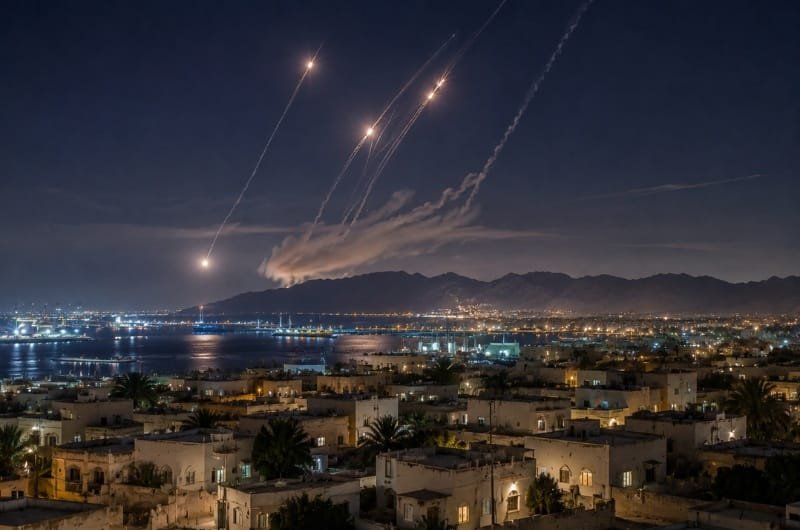
Iran launched missile and drone attacks against American military targets across the Gulf region Monday following a new round of U.S. strikes on Iranian missile systems, air defenses and naval assets near the Strait of Hormuz. The exchange marked another sharp escalation in the months-long conflict between the United States and Iran. Iran’s Revolutionary Guards said the retaliatory operation targeted U.S. military facilities in Bahrain, Kuwait, Jordan and Oman. Reports of explosions and air-defense activity emerged across several Gulf states, although the full extent of any casualties or damage was not immediately clear. The latest U.S. operation targeted Iranian coastal radar sites, air-defense systems, missile and drone facilities, small military boats and other assets around the strategically important Strait of Hormuz. Explosions were also reported near Bandar Abbas and Qeshm Island along Iran’s southern coast. The renewed attacks have further weakened hopes for diplomacy after a temporary pause in fighting and discussions aimed at preventing a wider regional war. Iranian officials said continued U.S. military action had made negotiations increasingly difficult, while Washington maintained that its strikes were intended to protect American forces and maritime traffic. With both countries continuing to exchange fire, the danger now extends beyond Iran and the United States. American bases, regional governments and commercial ships throughout the Gulf remain exposed as the conflict moves into another uncertain and potentially more dangerous phase.
Cyclospora Cases Surge as Health Officials Search for Source of Growing Outbreak

Health officials are investigating a growing outbreak of cyclosporiasis, a parasitic intestinal illness that has sickened more than 1,000 people in Michigan and neighboring Ohio. The outbreak is the largest ever recorded in Michigan, and investigators have not yet identified the contaminated food or water source responsible for the illnesses. Michigan has reported more than 1,500 confirmed cases and dozens of hospitalizations, while additional cases have been reported in Ohio and several other states. Public health officials are continuing to investigate whether the illnesses are connected, but no single food item, grower, supplier or distributor has been identified. Cyclosporiasis is caused by the microscopic parasite Cyclospora cayetanensis, which is typically spread through contaminated food or water. Symptoms often begin about a week after exposure and may include watery diarrhea, stomach cramps, nausea, fatigue, loss of appetite and weight loss. Without treatment, symptoms can persist for weeks and may come and go over time. Although previous U.S. outbreaks have been linked to fresh produce such as leafy greens, herbs and berries, health officials emphasize that no specific food has been connected to the current outbreak. They recommend thoroughly washing fresh produce, practicing good hand hygiene and seeking medical attention if persistent gastrointestinal symptoms develop. Doctors say cyclosporiasis can usually be treated with prescription antibiotics once it is diagnosed. Older adults, young children and people with weakened immune systems may face a greater risk of complications from dehydration, making early medical evaluation especially important for anyone experiencing prolonged symptoms.
U.S. and Iran Exchange New Strikes as Interim Peace Deal Comes Under Threat
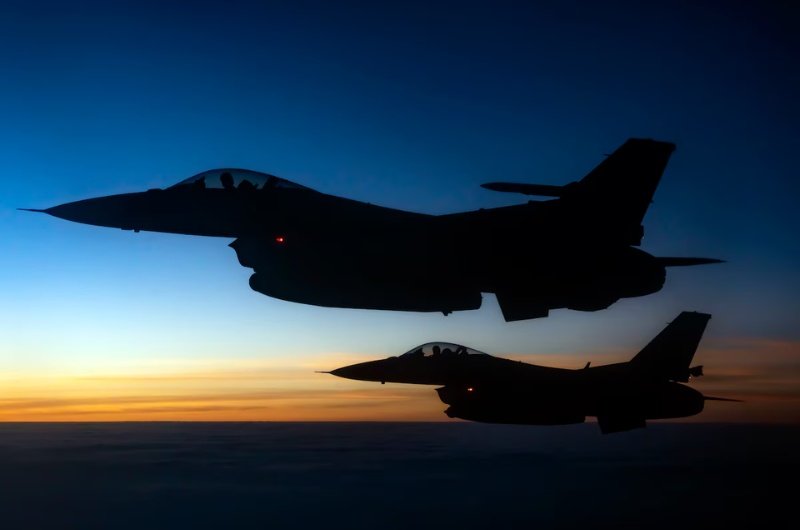
The United States and Iran exchanged new strikes across the Gulf on Thursday, signaling that a fragile interim peace agreement may be unraveling. U.S. forces launched new airstrikes against Iranian targets after Washington accused Tehran of renewed attacks on commercial shipping in the Strait of Hormuz. Iran responded with missile and drone attacks aimed at U.S.-linked military sites in Bahrain, Kuwait and Qatar. The latest exchange marks one of the sharpest escalations since the interim agreement was reached, raising new questions about whether the deal can still hold. President Trump has said the ceasefire is effectively over, though U.S. officials have indicated that diplomatic talks may continue. The conflict also carries major economic risks. The Strait of Hormuz remains one of the world’s most important oil shipping routes, and renewed fighting has already drawn close attention from energy markets, investors and governments across the region. For now, the situation remains volatile. Both sides are signaling that they are prepared to respond to further attacks, while diplomats face a shrinking window to keep the interim peace effort from collapsing altogether.
Ukrainian Drone Strikes Target Russian Oil Facilities as War Intensifies
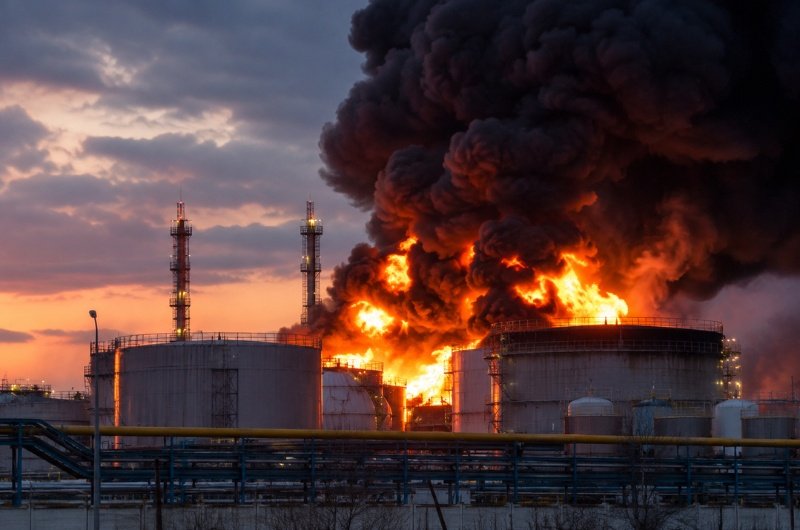
Ukraine launched a new wave of long-range drone attacks targeting Russian oil facilities overnight, as both sides continue to escalate military operations more than four years into the war. Russian officials said several energy sites were struck across multiple regions, while Ukrainian authorities described the attacks as part of an ongoing effort to weaken Russia’s military logistics and fuel supply. Moscow reported intercepting many of the drones, though damage to some facilities was confirmed. The latest strikes come as fighting continues along the front lines and diplomatic efforts to end the conflict remain stalled. Ukrainian President Volodymyr Zelenskyy has continued to press Western allies for additional military support, while Russia has maintained pressure through missile and drone attacks across Ukraine. The attacks underscore the growing role of energy infrastructure in the conflict. Oil refineries, fuel depots and storage facilities have become increasingly frequent targets as both sides seek to disrupt supply chains and reduce each other’s operational capabilities. With neither side showing signs of backing down, analysts say the conflict is likely to remain defined by long-range drone warfare, attacks on critical infrastructure and continued uncertainty over when meaningful peace negotiations might resume.
End of Iran Ceasefire Sends Oil Higher, Stocks Lower

Oil prices jumped and U.S. stock futures fell Wednesday after President Donald Trump said the Iran ceasefire was “over,” fueling concerns that rising tensions in the Middle East could disrupt global energy supplies. The market reaction was immediate. Brent crude rose above $78 a barrel, while U.S. benchmark oil climbed above $74, according to the Associated Press. Stock futures also moved lower, with the S&P 500, Dow Jones Industrial Average, and Nasdaq all pointing to a weaker open as investors reacted to the growing uncertainty. The main concern is the Strait of Hormuz, one of the world’s most important oil transit routes. Any threat to shipping through the narrow waterway can quickly affect global oil prices because so much of the world’s crude supply moves through the region. Higher oil prices can ripple through the economy by raising gasoline costs, increasing transportation expenses, and renewing inflation concerns. Energy companies may benefit from higher crude prices, but airlines, consumers, and interest-rate-sensitive parts of the market often face pressure when oil spikes. The next question is whether the latest escalation remains limited or grows into a broader disruption for energy markets. For American consumers and investors, the issue is how quickly developments in the Middle East can show up in fuel prices, market volatility, and the cost of everyday life.