

Julie Inman Grant, The Regulator Reshaping Teen Social Media in Australia

Australia’s eSafety Commissioner, Julie Inman Grant, has become the public face of a new approach to teen online safety: put responsibility on platforms and prove it works. With the under-16 account restrictions set to take effect on December 10, she’s pressing companies to deliver age checks that are effective without being intrusive—and to show measurable results, not just new settings pages. Inman Grant’s stance is pragmatic rather than punitive. She talks about “reasonable steps,” not blanket ID checks, and about layered signals that help identify under-age accounts while minimizing friction for everyone else. The message to product teams is clear: redesign the on-ramp, tighten defaults for teens, and build systems that catch and remove under-16 accounts consistently over time. Her influence is visible in the scope of the policy itself. After early debate about exemptions, regulators moved to treat YouTube like other social platforms—an acknowledgement of how teens actually use it: creators, comments, direct messages, and a highly personalized feed. That call reflects Inman Grant’s broader view that the line between “video site” and “social app” has effectively vanished for young users. She’s also preparing for the backlash cycle that tends to follow big safety moves. Expect questions about privacy trade-offs, false positives, and whether determined teens will simply route around restrictions. Inman Grant’s answer is to commit to measurement: track outcomes, publish effectiveness, and iterate if the data demands it. If the policy reduces harm without heavy-handed verification, Australia will become a template. If it stumbles, she’ll be the one fielding the questions—and pushing the next round of fixes. Bottom Line Inman Grant is a regulator who speaks product. As the December 10th rollout begins, she’ll test whether “minimally invasive” age assurance can actually deliver what years of safety promises haven’t: a system that keeps under-16 accounts restricted at scale—without turning the Internet into a checkpoint.
Stitch Fix Launches “Vision” — Seeing You in Shoppable Style
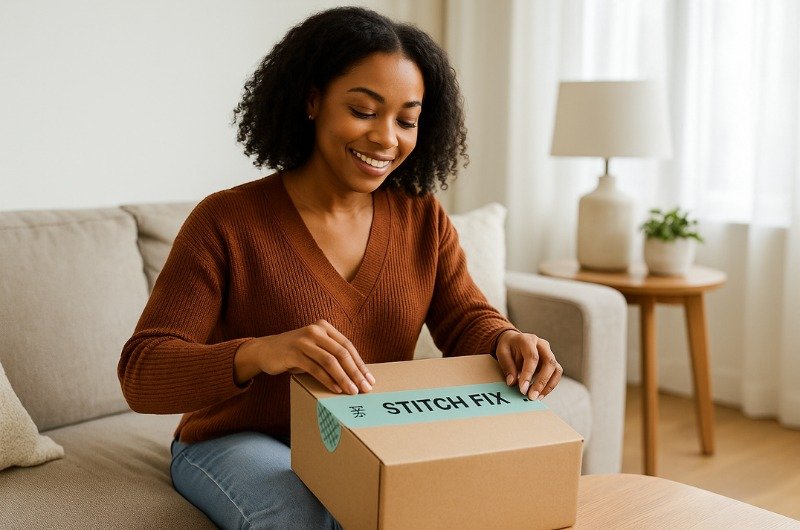
Stitch Fix today announced the launch of Vision, an AI-powered feature that lets customers visualize photorealistic images of themselves wearing recommended outfits — a first-of-its-kind step in virtual styling. The rollout represents the company’s most ambitious use of artificial intelligence to date, bridging the gap between fashion inspiration and personal visualization. Vision uses a combination of user data, stylist insights, and generative AI to create highly realistic outfit previews tailored to individual shoppers. The system analyzes fit, preference, and prior selections to show how recommended looks would appear on each person’s body type and style profile. Early testers have reported a noticeable boost in confidence when choosing items — and fewer returns. The announcement comes as fashion brands race to integrate AI into every stage of the shopping experience, from design and recommendation engines to customer engagement. For Stitch Fix, Vision could be the key to reigniting growth and positioning itself as a leading innovator in AI-driven retail. Industry analysts see the feature as part of a growing wave of “experiential AI,” where technology meets self-expression. Instead of static product photography, shoppers now interact with AI that adapts to their tastes — turning digital shopping into something more personal, immersive, and human. The Takeaway By letting customers see themselves in every look, Stitch Fix’s Vision blurs the line between styling and self-perception — signaling that the next era of fashion is both personal and predictive.
Blue Light Skincare Trend Rises
Beauty brands launched new lines targeting screen-related skin damage late Wednesday. Industry insiders see this as the next anti-aging frontier. The glow of our screens may be doing more than straining our eyes—it could also be aging our skin. Beauty brands are racing to address the growing concern over blue light exposure from digital devices, unveiling new skincare lines designed to protect against screen-related damage. Industry experts point to mounting research suggesting that prolonged exposure to high-energy visible (HEV) light may accelerate wrinkles, hyperpigmentation, and loss of elasticity. This has opened a lucrative new market, with blue light defense products being positioned as the next frontier in anti-aging. From serums infused with antioxidants to moisturizers boasting protective filters, companies are marketing these innovations as essential for modern lifestyles spent in front of laptops, phones, and tablets. Analysts predict this trend will only intensify as consumers grow more aware of digital-age skincare risks. The Author
Selfridges Releases 2025 Beauty Advent Calendar — Luxury Revealed
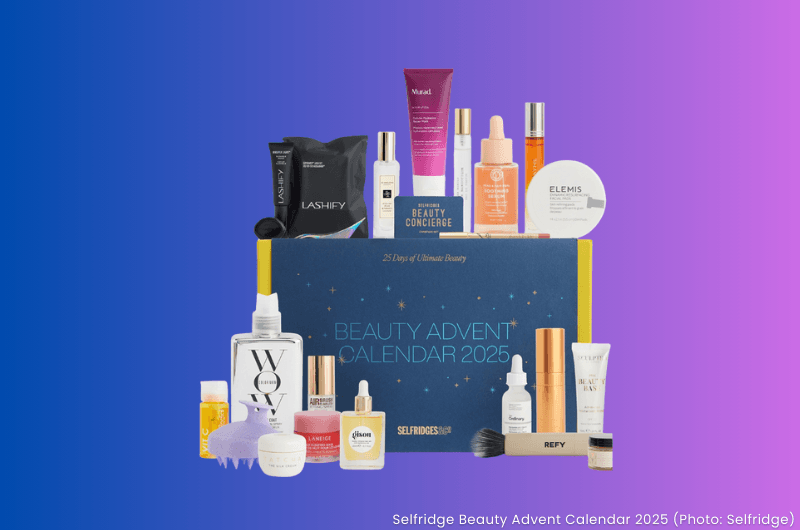
Selfridges has unveiled its highly anticipated Beauty Advent Calendar for 2025—an indulgent 37-piece collection priced at £250 (about $300), with a total value of £1,136. Inside, beauty lovers will discover cult-favorite brands and exclusive treats, including full-size gems from Charlotte Tilbury, Jo Malone, Augustinus Bader, and more. The calendar’s design echoes Selfridges’ signature flair—bright yellow, fashionably festive, and built to delight. Its contents include deluxe skincare, makeup, haircare, and fragrance picks from elite brands across the beauty spectrum, curated for daily luxury and discovery. Beauty editors are already calling it the season’s must-have, with limited early release and waitlist alerts signaling a fast sell-out risk. Given its extraordinary value and exclusivity, it’s not just a gift—it’s a statement piece for holiday beauty aficionados. Buy it here: Selfridges Beauty Advent Calendar 2025 — £250 / $300 The Author
The “Rich Mom” Look Just Got a Quiet Upgrade
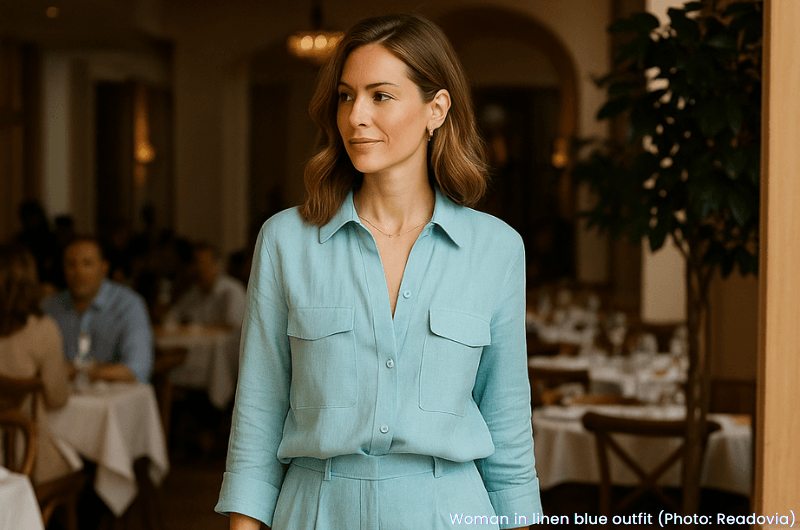
Less effort. More impact. Here’s how summer 2025 is redefining luxury. Once defined by blazers, ballet flats, and iced lattes on the go, the “rich mom” aesthetic has quietly evolved — and we’re here for it. The term first took off on TikTok and Instagram, where creators poked fun at effortlessly stylish women who looked like they owned lake houses and had strong opinions about almond milk. But somewhere between the memes and the manicures, the look became aspirational — and now, in 2025, it’s fully formed and fashion-backed. Today’s version trades flashy status symbols for flowy co-ords, buttery fabrics, and just-woke-up hair that somehow still looks perfect. Think linen sets in warm neutrals, vintage designer handbags, and delicate gold jewelry worn like she didn’t think about it twice — even though she absolutely did. Her vibe? Luxe, low-key, and completely unfazed. She shops in-person, reads hardcover books, and has three shades of tinted SPF in her tote at all times. She doesn’t need logos to signal status. Her glow speaks volumes. What sets this version apart is confidence and curation — a kind of inherited aesthetic intuition that says, “I know what I’m doing, and I’m not here to convince you.” It’s elegance without the performance. And it’s everything right now. The Author