


The Year AI Begins Delivering Real-World Value
For much of the past few years, artificial intelligence has been defined by promise. New models, bold predictions, and rapid experimentation dominated headlines, while many organizations struggled to translate AI enthusiasm into measurable results. As 2026 begins, that dynamic is shifting. This year is shaping up to be less about spectacle and more about execution. Businesses are increasingly focused on practical AI systems that reduce costs, streamline workflows, and solve specific problems rather than showcase technical novelty. Smaller, more efficient models, task-oriented agents, and tightly integrated tools are replacing broad, experimental deployments. That transition is already being reflected in financial markets and corporate strategy. Investor confidence is increasingly tied to companies that can demonstrate clear AI-driven returns rather than theoretical potential. The emphasis has moved from what AI might do someday to what it is doing now inside real operations. At the same time, organizations are becoming more selective. Rather than applying AI everywhere, leaders are concentrating on areas where automation, prediction, or decision support deliver immediate value. Customer service, logistics, cybersecurity, and data analysis remain among the most mature use cases, while newer applications are being tested with stricter performance benchmarks. As AI enters this more pragmatic phase, the technology’s impact may feel quieter — but more durable. The true measure of success in 2026 won’t be how impressive an AI system looks, but how reliably it improves outcomes. After years of hype, artificial intelligence is settling into its most important role yet: a tool that works.
AI’s Rapid Growth Could Push Smartphone and PC Prices Higher in 2026
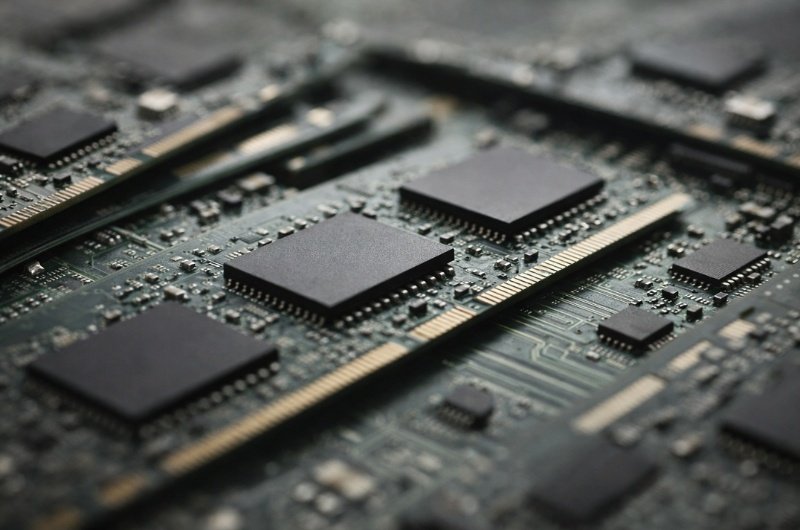
Artificial intelligence is reshaping the technology industry in ways that extend far beyond software. As demand for AI computing power accelerates, the hardware required to support it is becoming more expensive — and consumers may begin to feel the effects this year. Much of the pressure stems from the massive infrastructure needed to train and operate advanced AI systems. Data centers built to support AI workloads require large amounts of memory and specialized components, drawing supply away from the consumer electronics market. That shift is creating tighter availability for key parts used in smartphones, laptops, and personal computers. As component costs rise, manufacturers face difficult choices. Some may absorb a portion of the added expense, but others are expected to pass higher costs on to consumers. For shoppers, that could mean higher prices for new devices or fewer discounts compared with previous years. The trend arrives at a time when many consumers are already being selective about technology upgrades. While innovation continues, the pace of must-have device features has slowed, making price increases more noticeable. Buyers may hold onto phones and computers longer, repair existing devices, or delay upgrades altogether. Looking ahead, AI’s impact on hardware pricing highlights an often overlooked side of technological progress. While software capabilities advance rapidly, the physical resources required to power them remain finite. In 2026, the growth of artificial intelligence may not just change what devices can do — it may also influence how much consumers pay to use them.
U.S. Faces Early, Severe Flu Surge as ‘Super Flu’ Strains Hit Multiple States

The United States is facing an unusually early and aggressive flu season, with what health officials are calling a “super flu” strain driving sharp increases in cases and hospitalizations. Several states are reporting influenza activity far above normal levels for December, raising concerns as holiday travel accelerates. Hospital admissions for influenza have climbed rapidly in recent weeks, prompting heightened alerts at medical centers nationwide. States in the Mountain West, South, and Northeast — including Colorado, Louisiana, and New Jersey — are seeing some of the fastest growth in flu-like illness. Early analysis suggests the dominant H3N2 strain may be spreading more easily this season, contributing to the nationwide surge. Millions Already Affected Nearly 3 million Americans are believed to have fallen ill so far, with the overall burden continuing to rise ahead of the typical January–February peak. Hospitals in several regions report increased admissions among older adults and young children, who remain most vulnerable to severe illness and complications. Symptoms and What to Watch For Symptoms of the circulating strain mirror classic influenza signs — fever, persistent cough, body aches, headaches, congestion, and fatigue — but clinicians note that some patients are experiencing more severe respiratory symptoms than usual. Health professionals are urging people to seek early testing and treatment, especially those at higher risk. Health Officials Urge Prevention Public health officials continue to emphasize vaccination for anyone six months or older who hasn’t yet received a flu shot. Even when the circulating strain evolves, vaccination remains one of the most effective defenses, reducing the risk of severe illness and hospitalization. They also encourage simple preventive measures: washing hands regularly, staying home when sick, covering coughs and sneezes, and wearing a mask in crowded indoor settings if symptoms appear. A Potentially Difficult Holiday Season With millions of Americans traveling and gathering for the holidays, health experts warn the flu wave could intensify in the coming weeks. Hospitals nationwide are preparing for higher patient volumes as flu, RSV, and other respiratory viruses circulate concurrently.
Record Holiday Travel Surge Expected to Pack Airports and Crowd Highways This Week

A record 122 million Americans are expected to travel this Christmas and New Year’s period, marking one of the busiest holiday travel seasons ever recorded. New AAA forecasts show that more than 109 million people will hit the road, while over 8 million are expected to fly — levels that rival and, in some cases, surpass pre-pandemic highs. Airlines are reporting near-full flights throughout the week, and transportation officials warn that airport passenger volumes will place heavy strain on security checkpoints and terminal operations. Families heading home for the holidays are being urged to arrive early and expect longer-than-usual wait times. Airports Prepare for the Rush Carriers have added aircraft on popular routes and reassigned crews to accommodate demand, but the sheer volume of travelers means major airports will remain crowded through Christmas Eve. Any winter weather system — even a minor one — has the potential to create ripple effects nationwide during such a tightly packed travel window. Congested Roads Ahead Drivers will make up the majority of holiday travelers. With 109 million people driving at least 50 miles from home, traffic analysts project heavy congestion on interstates across the Midwest, Northeast, and South. Lower gas prices are helping make road trips more affordable, but major delays are still expected, particularly during late afternoons and early evenings leading into the holiday. A Nation on the Move Despite higher household costs and a busy December news cycle, Americans are not staying home this season. The travel surge reflects a strong drive to reconnect with loved ones — and it’s creating one of the most spirited, high-movement holiday periods in years.
The Rise of “Second Christmas”: Why More Families Are Embracing an Extended Holiday Tradition

While Christmas Day often carries the weight of expectation — family schedules, long drives, crowded homes, and carefully choreographed moments — a quieter holiday tradition is gaining fresh attention in the United States: Second Christmas. Long celebrated across Europe and observed in some American communities, including Amish households, Second Christmas (traditionally December 26th) offers something rare in modern life: a built-in pause. It’s a day meant for slower gatherings, relaxed meals, casual visits, winter walks, and time with extended friends and family who didn’t fit into the intensity of Christmas Day. A Softer Follow-Up to a Busy Holiday Unlike the high-pressure rhythm of December 25th, Second Christmas shifts the focus away from gifts, travel, and time slots — and toward connection. Families who observe it describe it as the “exhale” of the holiday season, a day where no one rushes, the meal is simple, and the goal is to enjoy the moments that didn’t fit into the first celebration. For many, it’s a way to stretch the meaning of Christmas rather than the commercial side of it. Instead of repeating the intensity of the holiday, the day is used for something gentler: leftovers, card games, calling old friends, or hosting another round of family who couldn’t make the main event. A Tradition Rooted in History Second Christmas has deep cultural roots. In countries such as Germany, the Netherlands, and the Nordic region, the “Second Day of Christmas” is a national holiday built into the calendar. In the U.K., it aligns with Boxing Day, and in parts of the Christian world, it coincides with St. Stephen’s Day. While practices differ, the central idea is the same: one day isn’t enough to fully celebrate or fully rest. Why It’s Resonating in America Today Modern family life is more complex than ever — blended households, long-distance relatives, competing schedules, and the rise of remote work have all stretched the traditional holiday calendar. Second Christmas is emerging as a natural solution. Instead of packing every obligation into a single 24-hour window, families are spreading the holiday over two days, making room for: Multiple households Easier travel Reduced stress More meaningful time with loved ones Less pressure on Christmas Day itself For some, it simply means waking up on the 26th with nowhere they have to be — a rare gift in itself. A Tradition Finding New Momentum Whether celebrated formally or improvised out of necessity, Second Christmas offers something undeniably modern: permission to slow down. At a time when the holidays can feel busy, loud, and overstuffed, the idea of an intentional, peaceful follow-up day is resonating with more families each year. In a world that rarely pauses, Second Christmas is becoming a small but meaningful way to reclaim a bit of rest — and a bit of joy — before the year ends.
Nvidia Prepares to Ship Advanced H200 AI Chips to China by February

Nvidia is preparing to begin shipments of its next-generation H200 AI accelerators to China as early as mid-February, marking a significant development in the global competition for advanced semiconductor hardware. The move comes as companies across Asia search for high-performance chips that comply with U.S. export restrictions while still offering powerful AI training capabilities. The H200 — a successor to the industry-leading H100 — delivers faster memory, improved efficiency and higher throughput, making it one of the most sought-after chips for AI development. While the company cannot sell its most powerful models under the current U.S. export rules, the China-compliant H200 variant is designed to remain within regulatory limits while still giving Chinese firms a substantial performance lift. A Shift in the AI Hardware Balance Analysts say the carefully calibrated H200 rollout highlights the delicate balance Nvidia must strike: sustaining revenue from a major global market while remaining aligned with Washington’s national security constraints. The company has already developed multiple tailored chips for China following increasingly strict rules on AI hardware exports. The planned February timeline signals that Nvidia has completed technical and regulatory adjustments needed to resume broader sales in the region — a development being watched closely by both industry competitors and U.S. policymakers. The Wider Lens China remains one of the world’s largest consumers of AI-specific hardware, and even scaled-back chips tend to sell at high volumes. Nvidia’s ability to maintain presence in the market could influence everything from global supply chains to the pace of AI development in Asia. Meanwhile, U.S. officials continue monitoring how much computing power exported chips provide, arguing that limiting access to cutting-edge hardware is essential to prevent military-grade AI systems from being built abroad.
Disney Strikes Three-Year AI Deal With OpenAI Covering Hundreds of Characters

Walt Disney has entered a three-year partnership with OpenAI that will allow more than 200 of its iconic characters to be used in AI-generated images and video, marking one of the most expansive licensing agreements yet between a major entertainment company and an artificial intelligence platform. Under the agreement, characters from across Disney’s portfolio — including Mickey Mouse, figures from Inside Out and Frozen, and Marvel superheroes — will be available for photo generation within ChatGPT and video creation through OpenAI’s Sora platform. The content will be created by users of those tools, rather than by Disney directly. Disney will retain the right to showcase select user-generated videos on Disney+, integrating AI-created content into its streaming ecosystem while maintaining control over how its intellectual property is presented. The arrangement positions Disney to benefit from the growing popularity of generative AI without surrendering ownership of its characters. The deal reflects a broader shift in how entertainment companies are approaching artificial intelligence, moving from defensive postures around copyright to structured partnerships that monetize access while setting boundaries. It also gives OpenAI one of the most recognizable character libraries ever licensed for generative use. The partnership was announced Dec. 11 and comes as studios across Hollywood explore how AI tools can coexist with traditional content creation, licensing models, and distribution platforms.
U.S. Unemployment Hits Four-Year High as Job Cuts Begin to Spread
The U.S. labor market is showing clear signs of strain, according to newly released employment data covering both October and November. The unusually combined report reflects months of disrupted data collection during a prolonged federal government shutdown, offering a rare, uneven snapshot of an economy losing momentum. Employers cut roughly 105,000 jobs in October, followed by a modest rebound of 64,000 jobs added in November. While the November gain helped offset part of the earlier decline, it fell short of expectations and underscored how fragile hiring has become as businesses pull back on expansion plans. The unemployment rate climbed to 4.6% in November, its highest level in four years, signaling that job losses and slower hiring are beginning to affect more workers. Economists caution that the figure may still understate the broader slowdown, as gaps in survey responses during the shutdown likely left some labor market stress uncounted. Job growth in November was concentrated in a narrow set of sectors, including healthcare, construction, and social assistance, while manufacturing employment continued to contract. At the same time, wage growth cooled sharply, with average hourly earnings rising only modestly — one of the slowest monthly increases in years — adding to concerns that workers are losing leverage after several years of strong gains. The delayed data release itself has become part of the story. The 43-day federal government shutdown disrupted labor surveys, furloughed hundreds of thousands of federal workers, and created unusual gaps in reporting, making it harder for policymakers and businesses to assess real-time economic conditions. Taken together, the figures reinforce a broader shift underway. Hiring momentum has slowed, businesses are growing more cautious, and wage pressures are easing — trends that align with the Federal Reserve’s decision to cut interest rates multiple times in 2025 as officials respond to cooling economic activity. While the labor market remains far from collapse, the latest data suggests the era of easy job gains has passed. What replaces it — a soft landing or a deeper slowdown — will likely hinge on whether hiring stabilizes in the months ahead or continues to weaken under mounting economic pressure.
ChatGPT 5.2 Brings AI Closer to the Way Top Professionals Think

OpenAI has released GPT-5.2, the latest update to ChatGPT, signaling a continued shift toward more reliable, work-ready artificial intelligence. The model was introduced on December 11, 2025, following an announcement earlier in the week, and is now being integrated directly into ChatGPT for users across multiple plans. The rollout began with paid subscribers, including Plus, Pro, Go, Business, and Enterprise users, with access for free users expanding gradually. Rather than introducing flashy new features, GPT-5.2 focuses on under-the-hood improvements designed to make the system more dependable in everyday and professional use. GPT-5.2 is available in three variants: Instant for fast, everyday interactions, Thinking for deeper reasoning and multi-step analysis, and Pro for advanced and sustained workloads. OpenAI says the model delivers stronger reasoning, improved long-context handling, and fewer factual errors compared with GPT-5.1, particularly in tasks that require careful analysis or research. Performance improvements are also evident in how the model behaves. GPT-5.2 responds more smoothly, with faster output and reduced lag, making interactions feel more fluid and responsive. More notably, OpenAI says the model demonstrates measurable gains on internal benchmarks tied to knowledge-work tasks, with performance approaching — and in some cases exceeding — human-level results in specific professional scenarios, including research, analysis, and structured reasoning. Without making sweeping claims, the benchmark results suggest a narrowing gap between human expertise and AI-assisted work — a shift with growing implications for how professionals research, decide, and create.
Tesla Shares Surge on Confirmation of Driverless Robotaxi Testing
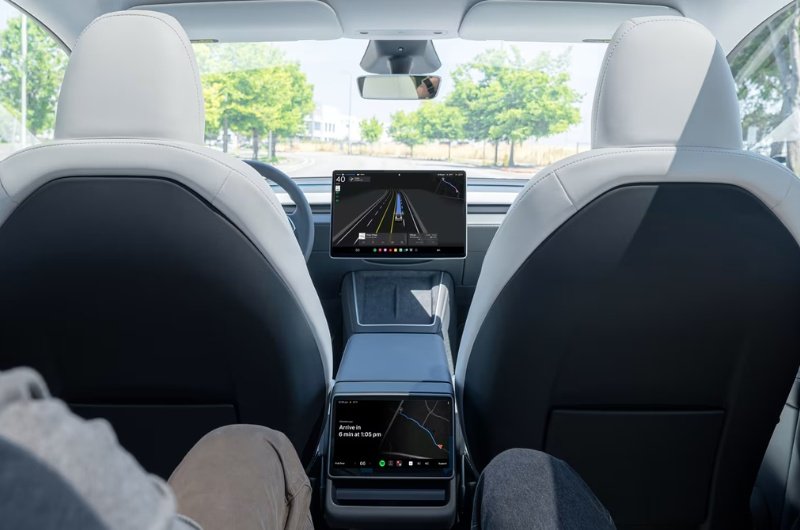
Tesla shares jumped sharply Monday after CEO Elon Musk confirmed the company is testing fully driverless robotaxis on public roads without onboard safety monitors, a development that reignited investor optimism around Tesla’s long-term autonomous vehicle ambitions. The stock climbed to its highest level in nearly a year, reflecting renewed confidence among traders and long-term shareholders who see autonomous technology as a key driver of Tesla’s future valuation. The surge pushed the company’s market capitalization higher as investors reacted to what they viewed as tangible progress toward full autonomy. Tesla’s robotaxi initiative is central to Musk’s broader vision of transforming the company beyond electric vehicle manufacturing and into a leader in autonomous transportation and robotics. Earlier testing phases included human safety monitors, making the confirmation of unsupervised testing a significant milestone in the program’s evolution. Still, analysts remain divided. While advances in autonomy continue to fuel bullish expectations, concerns around electric vehicle demand, regulatory hurdles, and execution risks persist. Monday’s rally underscores how quickly market sentiment can shift when Tesla signals progress on its most closely watched technologies.