

Supreme Court Opens the Door to Trump’s Mail-In Ballot Restrictions Ahead of Midterms

The Supreme Court has removed a major legal obstacle blocking President Donald Trump’s effort to impose new federal requirements on mail-in ballots, potentially allowing parts of the administration’s election plan to move forward just months before the November midterms. In a 6–3 decision Monday, the Court stayed an injunction that had prevented federal agencies from implementing portions of Trump’s March executive order on federal elections. But the justices did not rule that the ballot restrictions themselves are legal. Instead, the majority concluded that the states challenging the order had gone to court too early, before federal agencies had taken final action to implement the policies. One of the most consequential provisions directs the U.S. Postal Service to pursue new rules for ballots sent through the mail. Those rules could require states to use approved election-mail markings and barcodes, submit ballot-envelope designs for Postal Service review and provide information identifying voters expected to receive ballots by mail. The administration says the measures are intended to strengthen election integrity, while states challenging the order argue that the federal government is intruding on their constitutional authority to administer elections. The Supreme Court’s action does not mean the new requirements immediately take effect nationwide. A separate nationwide injunction issued in another lawsuit continues to block implementation of the Postal Service provisions for the November election, and that dispute is still moving through the courts. The administration is seeking to have that restriction removed as well. The timing makes the legal battle particularly significant. States are already preparing ballots and voting systems for the November midterms, with some deadlines only weeks away. If the remaining injunction is lifted and federal agencies move ahead with the new requirements, election officials could face substantial changes to mail-ballot procedures close to Election Day. The Supreme Court also made clear that Monday’s decision does not prevent future legal challenges once agencies take final action, meaning the fight over how Americans vote by mail is far from settled.
The FTC Is Sending Out New Refunds — Here’s Who Could Be Getting Money
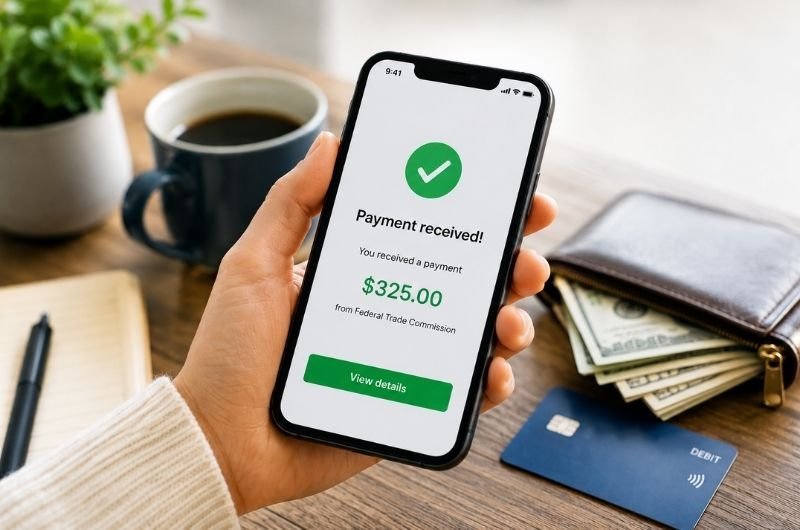
The Federal Trade Commission is sending out a new wave of consumer refunds this month, with money going to hundreds of thousands of people affected by cases involving Grubhub, AT&T, Amazon Flex and other companies and business operations. The largest of the new August programs involves Grubhub. The FTC is sending 640,038 payments totaling more than $23.8 million to eligible drivers and diners. The agency and Illinois Attorney General had accused Grubhub of practices including misleading drivers about potential earnings and preventing some diners from accessing accounts and redeeming gift cards. Recipients getting checks have 90 days to cash them, while PayPal payments must be accepted within 30 days. Former AT&T customers are also receiving another chance to collect money from a settlement involving the company’s throttling of unlimited wireless data plans. The FTC previously returned more than $5.6 million to customers, and this month it is sending Zelle payments to eligible people who did not cash an earlier check or accept a PayPal payment. Eligible Amazon Flex drivers are similarly receiving Zelle payments after previous rounds returned more than $60.6 million in withheld tips to drivers. These new Amazon payments are going to eligible drivers who did not cash an earlier check. Two additional August programs involve Helping America Group and Blueprint to Wealth. The FTC is sending 9,522 payments totaling more than $463,000 in the Helping America Group debt-relief case, while 2,005 payments totaling more than $333,000 are going to eligible consumers in the Blueprint to Wealth business-opportunity case. Both are additional rounds of refunds following earlier distributions. How FTC Refunds Work FTC refunds generally begin after the agency resolves a case involving a company or business accused of illegal practices and money is available to return to affected consumers. Depending on the case, eligible consumers may receive a check in the mail or instructions for accepting a digital payment, and some refunds are sent automatically using information already available to the FTC. Consumers should pay close attention to the deadline included with their payment. Checks typically must be cashed within the period specified in the notice, while digital payments may have a shorter acceptance window. In several of the FTC’s current August refund programs, recipients have 90 days to cash checks and 30 days to accept certain electronic payments. Watch Out for FTC Refund Scams Consumers should be particularly cautious if someone contacts them claiming they must pay a fee or transfer money to receive an FTC refund. The FTC says it never requires consumers to pay money to get a refund. Some payments are being sent automatically by check, PayPal or Zelle, depending on the case. Anyone who believes they may qualify can check the FTC’s official active-refund program list for details rather than responding to an unsolicited message claiming to offer government money.
Nvidia Built the AI Boom — Now It Wants a Bigger Piece of It
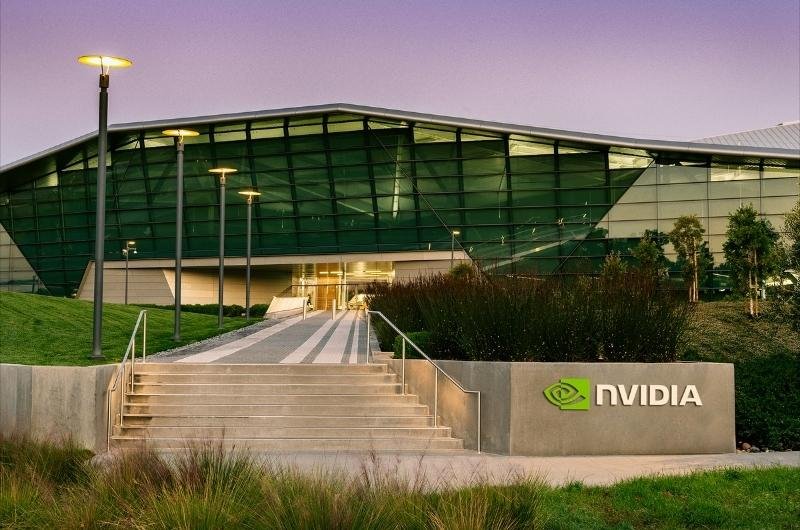
Nvidia became one of the world’s most valuable companies by supplying the chips powering the artificial intelligence boom. Now it is pushing well beyond those chips, expanding into AI models, data-center infrastructure and even the financing needed to build the enormous computing systems on which the industry depends. The company has been steadily building its Nemotron family of open AI models, including a new Nemotron 3.5 Lightning model designed for increasingly sophisticated AI agents. That puts Nvidia deeper into a part of the market occupied by companies such as OpenAI, Anthropic and Google: the software and models that actually power AI applications, rather than simply the hardware underneath them. At the same time, Nvidia is helping reshape how the physical AI boom gets financed. Earlier this month, the company announced partnerships with Apollo, BlackRock, Blackstone, Brookfield, Goldman Sachs and KKR to create financing platforms intended to mobilize more than $500 billion in outside capital over time for AI infrastructure. The idea is to make it easier for AI companies, cloud providers and other businesses to finance the expensive computing systems Nvidia calls “AI factories.” That strategy could strengthen Nvidia’s position at multiple points in the AI economy. A company building an AI system might use Nvidia chips, Nvidia networking and software, Nvidia-supported models and infrastructure financed through capital platforms developed with Nvidia’s partners. The more pieces of that ecosystem Nvidia helps provide, the less its future depends solely on selling the next generation of GPUs. The shift also reveals just how large Nvidia believes the AI buildout could become. The company that supplied much of the computing power behind the first phase of the generative-AI boom is increasingly positioning itself around the infrastructure, software and capital needed for what comes next. Nvidia isn’t walking away from the chip business that made it an AI powerhouse — it’s building a much larger business around it.
Target’s Good & Gather Has Quietly Become a $4 Billion Brand. Now It Has Its Own Cookbook

Target’s Good & Gather is on pace to become a $4 billion brand. Now the retailer is taking its fast-growing food label beyond the grocery aisle with its first cookbook, featuring 100 recipes designed for everyday kitchens. The new cookbook, Discover Delicious Every Day, was developed by Target’s own test-kitchen team, with recipes built around familiar ingredients, appliances and the realities of busy schedules. Every ingredient used in the book is available at Target, making the cookbook both a practical collection of meals and a new way for shoppers to explore the retailer’s rapidly expanding food business. The recipes were deliberately designed around ordinary kitchens and busy schedules rather than elaborate cooking projects. Target’s food scientists, culinary experts and trend researchers tested them using familiar appliances and tools, with recipes ranging from a four-ingredient chicken-and-vegetable soup with potstickers that can be made in 15 minutes to five-minute mango-and-coconut overnight oats. Other recipes include steak-and-potato kabobs, potato-chip butterscotch cookies and a pomegranate-dragon-fruit drink. Good & Gather itself may be the bigger story. Target introduced the brand in 2019 as its flagship owned food label, and it has since expanded across much of the grocery department. Target says Good & Gather products are made without more than 100 ingredients it has chosen to exclude, including artificial flavors, artificial sweeteners, synthetic colors and high-fructose corn syrup, subject to some product-specific exceptions. The cookbook gives Target another way to turn those thousands of individual grocery items into a recognizable food brand rather than simply a collection of store-label products. The Readovia Lens Store brands used to be the cheaper alternatives shoppers reached for when they didn’t want to pay for the familiar name on the shelf. Good & Gather illustrates how dramatically that model has changed. Target isn’t simply putting its own label on groceries; it is building a multibillion-dollar consumer brand around them — complete with product development, a dedicated test kitchen and now its own cookbook. For shoppers, the interesting part may be realizing that a brand many encounter every week has quietly become one of Target’s biggest businesses.
A Landmark Trial Could Force Meta to Change How Instagram and Facebook Work
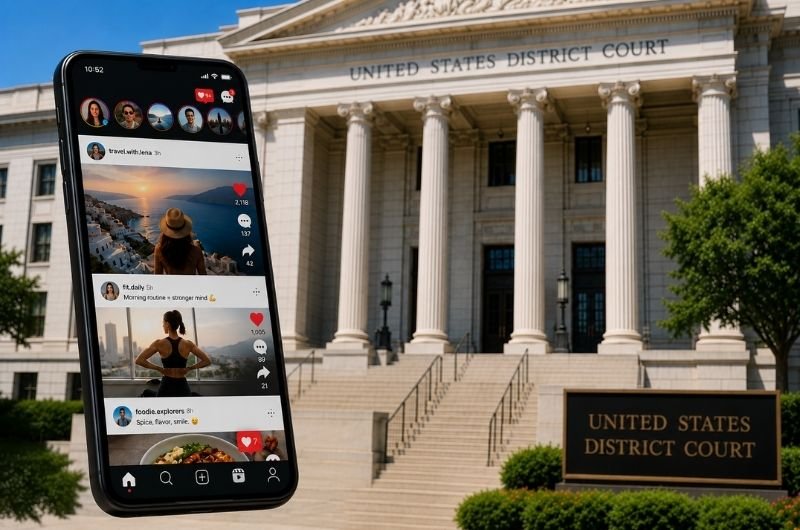
Some of the most familiar features on Instagram and Facebook — including infinite scrolling, likes and engagement-driven recommendations — are at the center of a major federal trial that could ultimately change how Meta’s platforms operate for younger users. The case stems from lawsuits brought by a coalition of U.S. states accusing Meta of designing Facebook and Instagram in ways that encourage compulsive use among children and teenagers while failing to adequately protect younger users. The states also allege that Meta improperly collected data from children under 13 and misrepresented aspects of its safety practices. Meta denies the allegations and says it has invested extensively in protections for young people. What makes the case especially consequential is the possibility of changes to the products themselves. Features designed to keep people moving continuously through content — including infinite scroll, autoplay, notifications, likes and algorithmic recommendations — have become fundamental to the modern social-media experience. The states contend that some of those mechanisms can be particularly problematic for younger users and are seeking stronger restrictions on how Meta serves them. Former Meta engineer Arturo Bejar, one of the first witnesses in the trial, has testified about concerns he raised while working with the company on user safety. He has argued that Meta’s internal measurements did not always capture the harmful experiences users reported encountering on its platforms. Meta disputes the states’ broader characterization of its safety record and maintains that it has introduced numerous protections, including Teen Accounts and tools that help younger users manage their time. The Readovia Lens For years, the debate over children’s social-media use has largely focused on what parents, schools and teenagers should do differently. This trial puts a different possibility before the courts: changing the platforms themselves. If the states ultimately succeed in forcing substantial design changes, the effects could reach well beyond Meta and establish a new expectation that social-media companies bear greater responsibility for how the mechanics of their products affect younger users. ——————– Related: Meta Heads to Court as Opening Arguments Begin in Landmark Child Safety Case
The FAA Is Testing a New Way to Connect Small Airports to America’s Biggest Hubs

A new kind of regional air network is being tested in the Northeast, where hybrid-electric aircraft could eventually allow travelers from smaller communities to reach major airline hubs without first making a long drive to a large airport. The FAA announced Tuesday that Electra and transportation agencies in Pennsylvania and New Jersey completed demonstration flights between Manassas, Virginia, and Philadelphia. The route included stops at smaller airports in New Jersey and Pennsylvania before reaching Philadelphia International Airport, giving regulators a real-world look at how advanced aircraft could operate between local airports and major commercial hubs. The technology behind the idea is unusual. Electra is developing the EL9, a nine-passenger hybrid-electric airplane designed to take off and land in about 150 feet. Instead of relying on a conventional runway, the aircraft uses multiple electric motors to blow air across its wings, generating enough lift to operate at very low speeds. The company says the production aircraft is being designed for trips of up to 330 nautical miles while carrying nine passengers. That short-runway capability could dramatically expand the number of places capable of supporting regional flights. Small general-aviation airports that see relatively little passenger service today could potentially become feeder points for larger hubs, while other compact aviation sites could eventually support some operations. The FAA is using the demonstrations to identify regulatory and operational gaps before advanced-air-mobility aircraft are integrated more broadly into the national airspace system. The Readovia Lens The most interesting part of this experiment may not be the hybrid-electric aircraft itself. It is the possibility of changing where an airline journey begins. Instead of driving an hour or more to a major airport, some travelers could eventually start at a small airport much closer to home and connect by air to a larger hub. The technology is still moving through certification and testing, but the FAA is now examining what the network around these aircraft could actually look like.
Target Is Winning Shoppers Back — but Its Big Profit Jump Comes With an Asterisk
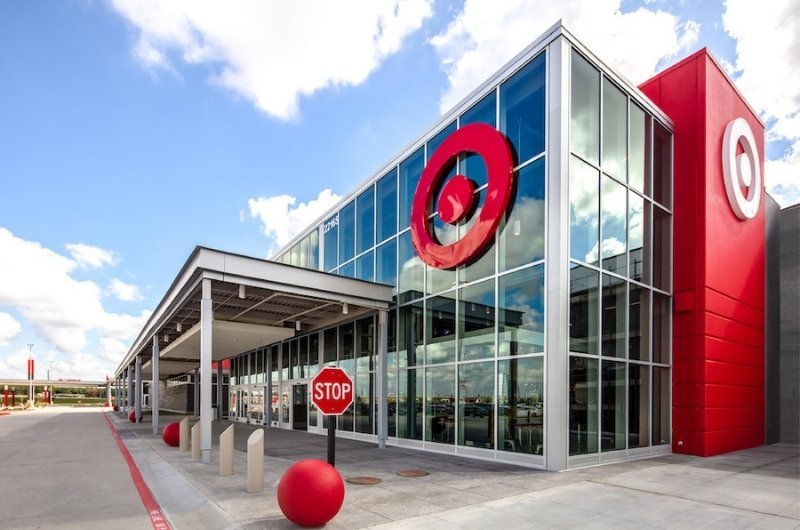
Target is showing stronger signs that shoppers are returning after a difficult stretch for the retailer, with sales and customer traffic improving enough for the company to raise its full-year outlook. But the enormous jump in its quarterly profit deserves a closer look. Comparable sales increased 3.8% during the quarter, while customer traffic rose 3.6% and digital comparable sales climbed 8.7%. Those numbers matter because they point to improvement in Target’s underlying retail business: more people are shopping, and online sales are growing as the company expands services such as same-day delivery. Target has been working to regain shoppers by lowering prices, improving product selection and putting more money into its stores and operations. The retailer has cut prices on more than 10,000 items over the past year and has been focusing on keeping popular products in stock while strengthening categories including baby products, health and wellness, toys and electronics. The company now expects full-year net sales growth of around 5%, up from its previous outlook of roughly 4%. The headline profit number, however, makes the quarter look stronger than the retail operation alone produced. Target received $994 million in tariff refunds during the quarter, which substantially increased reported earnings. The company says its full-year earnings guidance includes the second-quarter tariff benefit but excludes any additional tariff refunds it might receive later. The Readovia Lens For Target, the most important number this quarter may not be profit at all. A one-time refund can make an earnings report look spectacular, but it cannot manufacture shoppers walking through the doors or placing orders online. Rising traffic and sales provide the stronger evidence that customers are giving Target another look — and whether they keep coming back will tell us far more about the retailer’s recovery than one unusually profitable quarter. ——————– Related: Target Caught in the Crossfire as Boycotts Grow Over DEI and ICE Response Cyber Monday Boycott Targets Amazon, Target, and Home Depot Over DEI Rollbacks and Political Ties
Your Savings Account May Be Paying You Almost Nothing. One Bank Is Now Offering 5%
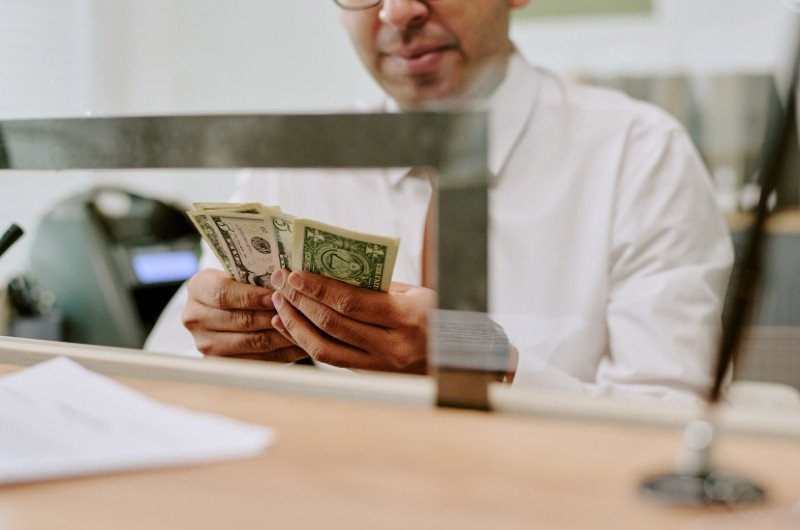
Millions of Americans keep money in savings accounts for emergencies, upcoming purchases and everyday financial security. But where that money sits can make an enormous difference: while the national average savings rate is around 0.38%, a newly launched high-yield account is offering 5.00% APY. Accordia Bank is offering 5.00% APY on its high-yield savings account for balances up to $500,000, with the promotional rate guaranteed through January 31, 2027. The account requires $100 to open, but there is no ongoing minimum balance requirement to earn the advertised rate and no monthly maintenance fee. The difference adds up quickly. At 0.38%, a $10,000 savings balance would earn roughly $38 over a year if the rate remained unchanged. At 5.00%, the same $10,000 would earn roughly $500 over a year at that APY — a difference of about $462. Accordia’s 5% offer will not last a full year under its current guarantee, but the comparison illustrates just how much the interest rate on a savings account can matter. There is important fine print. Accordia’s 5.00% APY consists of its current 4.00% base rate plus a promotional one-percentage-point boost through January 31. After that, the account will revert to Accordia’s base savings rate in effect at the time. And although the promotional APY applies to balances as high as $500,000, standard FDIC insurance limits generally protect deposits only up to $250,000 per depositor, per insured bank, per ownership category. Accordia isn’t the only place paying substantially more than the national average. Axos Bank currently advertises up to 4.21% APY through its Axos ONE checking-and-savings bundle, although qualifying requirements apply. Other nationally available high-yield accounts are also paying around 4% or more, making it worth comparing APYs, minimums, fees, and account requirements before moving money. The Readovia Lens Even a modest savings balance can benefit significantly from a better interest rate. If cash is already sitting in an account earning a fraction of 1%, moving it to an FDIC-insured high-yield account can put that same money to work without investing it in the stock market. The important number isn’t simply the advertised APY — it’s what you can actually earn after the account’s requirements, limits, and promotional periods are taken into account.
American Airlines Announces Major Cabin Upgrade With Screens at Every Seat
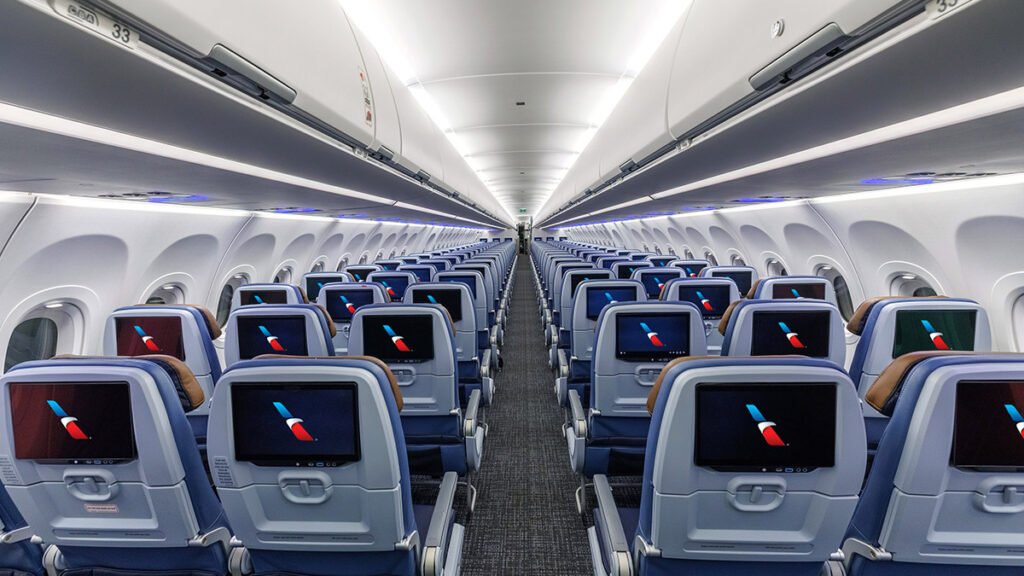
American Airlines is planning a sweeping upgrade of its narrowbody fleet, with seatback entertainment screens coming to every seat and substantially more room being devoted to First Class and extra-legroom options. The airline announced Tuesday that new Airbus and Boeing aircraft deliveries will begin arriving with the screens in 2028, while existing narrowbody aircraft will be retrofitted. American expects the fleetwide installation to be completed by early next decade. The new entertainment systems will include 4K displays, Bluetooth connectivity for wireless headphones and earbuds, USB-C fast charging and personalized movie and show recommendations. American is also preparing to install high-speed Starlink Wi-Fi on its narrowbody aircraft beginning in 2027, giving passengers more ways to stay connected and entertained while flying. The changes extend well beyond the screens. Premium seating currently accounts for about 25% of seats on American’s narrowbody departures, but the airline expects that figure to grow to roughly 40% in the coming years. Airbus A319 and A320 aircraft are being retrofitted with an additional row of First Class, while the majority of the narrowbody fleet will receive more Main Cabin Extra seating. American also plans refreshed interiors with redesigned seats, additional storage and enhanced lighting. Taken together, the changes represent one of American’s largest investments in its onboard experience and a significant shift toward more premium cabins. For travelers, the result should be easy to see: more upgraded seating choices, newer interiors, faster connectivity and a personal entertainment screen waiting at every seat.
Elon Musk Owns 48.4% of SpaceX — but Controls More Than 82% of the Vote
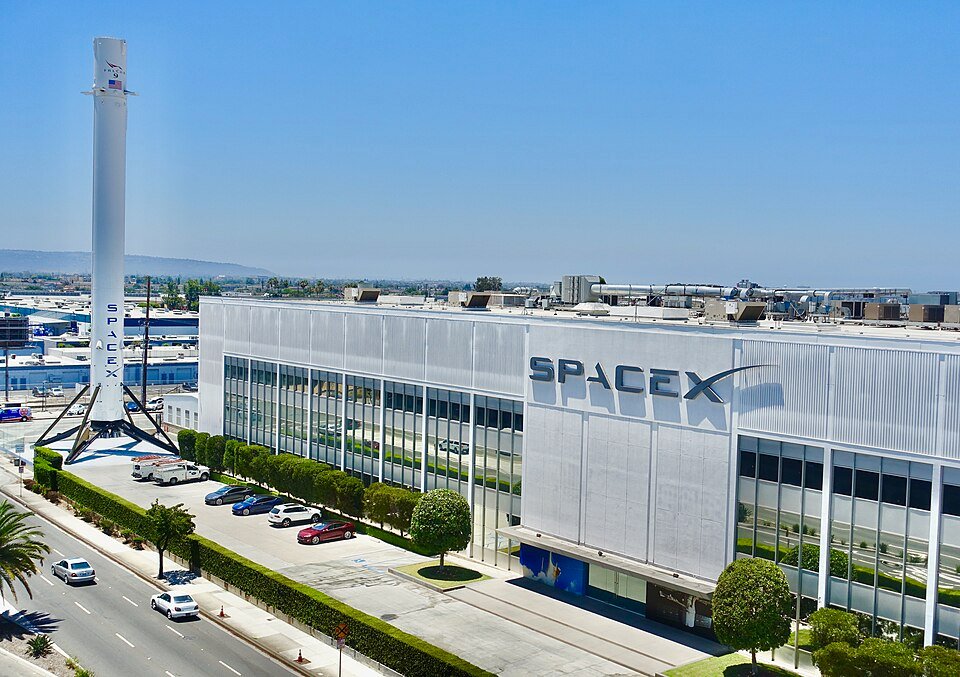
Elon Musk owns nearly half of SpaceX but maintains overwhelming control of the company, according to a new regulatory disclosure detailing his holdings following SpaceX’s historic public offering. Musk beneficially owned approximately 6.42 billion shares as of June 30, representing 48.4% of the company on an as-converted basis and a position now valued at more than $900 billion. His influence is even greater than that ownership figure suggests. SpaceX’s dual-class share structure gives Musk more than 82% of the company’s voting power, allowing him to maintain decisive control over major corporate decisions despite owning less than half of the company’s economic equity. How Musk Maintains Control The difference comes largely from SpaceX’s Class B shares, which carry substantially more voting power than the Class A shares available to public investors. Dual-class structures are designed to allow founders to raise outside capital without surrendering control of the companies they created, and SpaceX’s structure leaves Musk with an unusually commanding position. The 48.4% figure also requires some context. Musk said following the disclosure that a portion of the shares included in the calculation remain tied to performance conditions and have not fully vested. That means his currently vested ownership is lower than the regulatory figure, although his voting control remains substantial. The disclosure offers investors one of the clearest pictures yet of who controls SpaceX after its June public-market debut. Outside investors now own a meaningful portion of one of the world’s most valuable companies, but the balance of power remains firmly with its founder. For shareholders betting on SpaceX’s future in rockets, Starlink, artificial intelligence and other emerging businesses, they are also making a long-term bet on Musk’s continued control of the company.