

UPDATED: Potentially Historic Winter Storm to Slam Southern Plains Through Mid-Atlantic This Weekend
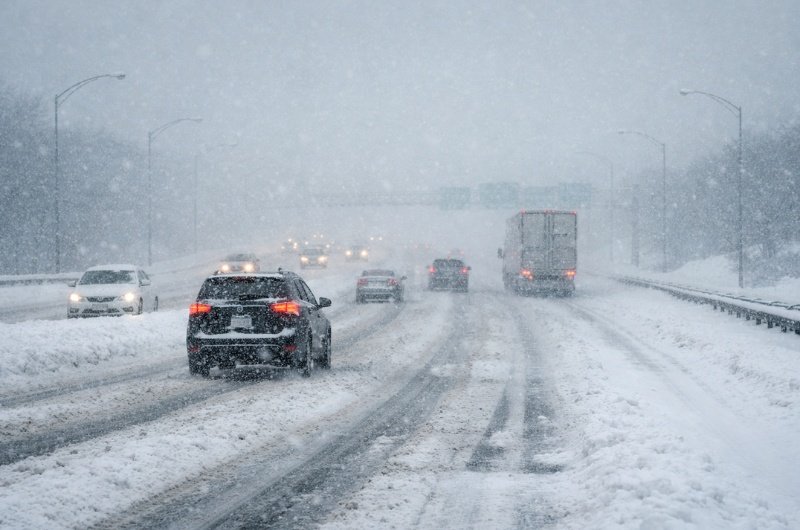
UPDATE: FRIDAY AFTERNOON (23 JAN 2026) The winter storm system continues to expand, with additional states now under advisories as snowfall totals increase across parts of the Midwest and Northeast. Forecasts show heavier accumulations in some areas than initially expected, prompting widespread school closures, government office delays, and disruptions to local services as the storm moves through the region. A potentially historic winter storm is forecast to bring heavy snow, sleet, freezing rain, and dangerously cold conditions across a wide stretch of the United States this weekend, raising concerns about travel disruptions, power outages, and public safety from Friday through Sunday. Forecasters warn that significant snow accumulation is possible across large portions of the storm’s path. In parts of the Southern Plains and Lower Mid-South, snowfall totals could reach 12 inches or more, with some areas potentially seeing 10 to 16 inches if the heaviest bands persist. Localized higher totals are not out of the question where conditions align. Across the Mid-Atlantic, widespread snowfall is expected, with some areas facing accumulations exceeding one foot by the time the storm exits. In locations where snow continues over multiple phases, totals could climb rapidly, making travel increasingly dangerous through the weekend. Farther south, freezing rain and sleet remain major concerns. Ice accumulation could weigh down trees and power lines, increasing the risk of power outages, particularly in regions that are less accustomed to severe winter weather and prolonged freezing conditions. Behind the storm, an Arctic air mass is expected to surge south, ushering in some of the coldest temperatures of the season. Sub-freezing conditions could linger for days, keeping snow and ice in place and slowing recovery efforts. Bottom Line From Texas to the East Coast, residents should prepare for significant winter impacts, including heavy snow that may exceed a foot in some areas, dangerous ice accumulation, and hazardous travel. Officials are urging the public to monitor local forecasts closely and limit travel where possible as conditions evolve. ——————– Recommended: Surviving the Next Blackout: How to Prepare for Power Outages Before They Strike
LIVE: Trump Addresses World Leaders at Davos, Says Europe Is “Not Heading in the Right Direction”
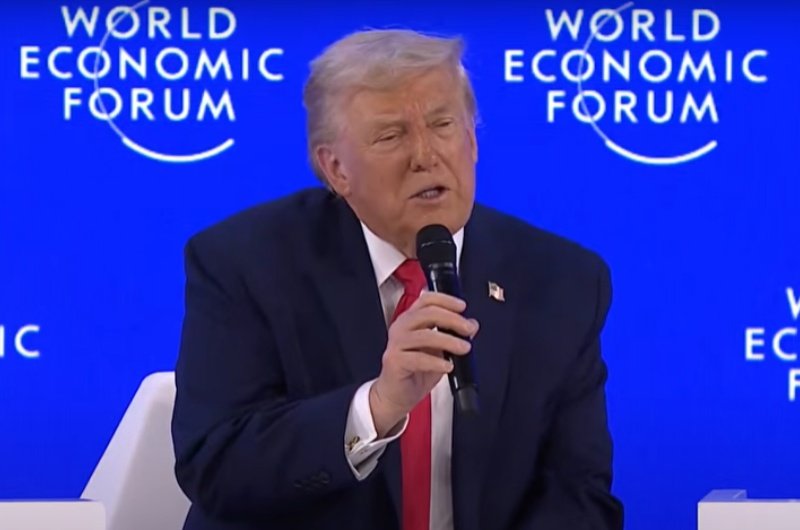
President Donald Trump told global leaders gathered at the World Economic Forum on Wednesday that Europe is “not heading in the right direction,” offering a frank assessment of economic conditions as he outlined his administration’s priorities on trade, energy, and global competitiveness. Speaking in Davos, Trump pointed to challenges facing European economies, including growth concerns, regulatory pressures, and energy policy, while contrasting them with the U.S. approach to domestic manufacturing and energy production. He framed his remarks within a broader discussion about economic direction and long-term competitiveness in a changing global landscape. Trump’s comments came as world leaders and investors closely monitor policy signals amid ongoing geopolitical and economic uncertainty. His remarks suggested the United States will continue emphasizing trade negotiations and economic leverage as key tools of foreign policy during his second term. The address also highlighted differing perspectives between Washington and European capitals on globalization, climate policy, and regulation — areas that continue to shape transatlantic discussions. Davos is traditionally a forum for global dialogue and coordination. Trump’s remarks underscored how divergent economic views and national priorities are increasingly influencing global policy conversations in 2026.
Gold Climbs to Record Highs as Investors Seek Stability

Gold prices climbed to new record levels on Wednesday, extending a rally driven by rising investor demand for safe-haven assets as markets weigh geopolitical tensions, shifting trade dynamics, and global economic uncertainty. The move higher comes as investors reassess risk following a series of high-profile global developments, including policy signals emerging from international leaders and ongoing concerns about economic direction in key regions. Gold, long viewed as a store of value during periods of instability, has benefited as markets look for protection against volatility. Advertisement Analysts note that the rally reflects a broader recalibration underway across financial markets. While equities have shown mixed performance, demand for defensive assets has strengthened, suggesting investors are positioning cautiously as 2026 unfolds. Currency movements and uncertainty around future policy decisions have further supported interest in precious metals. Gold’s rise has been steady rather than abrupt, reinforcing the view that the move is rooted in longer-term sentiment rather than short-term speculation. Market participants are closely watching whether safe-haven demand remains elevated or begins to ease if global conditions stabilize. The Readovia Lens Gold’s surge to record highs highlights how uncertainty continues to shape investor behavior. As political and economic signals evolve, markets are signaling a preference for stability and resilience — a theme that may remain central as investors navigate the months ahead.
Markets, Rates, and Prices: What to Watch After Today’s White House Briefing
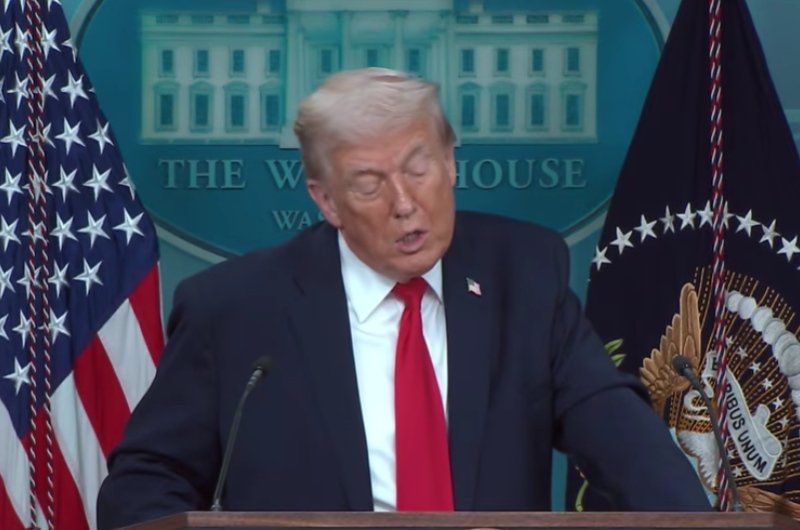
During today’s White House press briefing, President Donald Trump reviewed his administration’s 2025 accomplishments, highlighting progress on inflation, trade, taxes, drug pricing, manufacturing, and border security. For markets and households alike, the focus now shifts from the review itself to how — and when — these priorities translate into real financial outcomes. Here’s what matters most for consumers after today’s briefing. Inflation: How Markets and Households Interpret the Signal During the briefing, the president said, “There’s no inflation. There’s very little inflation.” Advertisement Inflation has eased from earlier peaks, and recent data shows price growth slowing across several categories. At the same time, many households continue to feel pressure from higher prices compared to prior years, particularly for essentials such as housing, insurance, food, and utilities. In situations like this, markets tend to focus less on individual characterizations and more on how inflation trends evolve over time. Upcoming economic reports, wage data, and Federal Reserve commentary will play a central role in shaping expectations around interest rates and borrowing costs. Trade and Manufacturing: Big Numbers, Longer Timelines The president also pointed to a 62% reduction in the trade deficit and said that “next year we won’t have a trade deficit.” He highlighted domestic manufacturing activity, noting that “we have more plants being built than at any time in our country.” If sustained, changes in trade balances and manufacturing investment could support job growth and supply stability. For consumers, however, these shifts typically take time to influence wages, prices, and overall cost of living. Markets will look to future trade data releases and corporate earnings for confirmation. Drug Prices: A Direct Pocketbook Issue One of the most tangible topics addressed involved prescription drug costs. The president said drug prices had been slashed and would fall “more than ever before,” citing significant price differences between the U.S. and other countries. Lower drug prices would provide direct relief for millions of Americans, particularly seniors and those managing chronic conditions. For now, consumers should watch for policy details, implementation timelines, and how insurers and pharmacies respond before expecting meaningful changes at the pharmacy counter. Taxes and Take-Home Pay The briefing also highlighted what the president described as “the largest tax cuts in history,” including proposals for no tax on tips, no tax on Social Security, and no tax on overtime. If enacted and sustained, such measures could increase take-home pay for certain workers and retirees. Markets and households alike will be watching legislative progress, fiscal implications, and how these proposals interact with federal revenues and deficits. Deficits, Borders, and Broader Economic Signals The president also said the federal budget deficit was reduced by 27% in a single year and emphasized border security, stating that “for the last eight months, nobody came into our country illegally.” While these statements speak to broader policy priorities and confidence signals, financial markets tend to respond most directly to official fiscal data, government borrowing needs, and economic indicators over time. What Consumers Should Watch Next Rather than reacting immediately to political messaging, financially focused readers may want to keep an eye on the following indicators, that typically shape real-world financial outcomes more than any single briefing. Upcoming inflation and jobs reports Federal Reserve signals on interest rates Mortgage, credit card, and savings rate trends Legislative progress tied to tax and drug-pricing proposals The Bottom Line White House briefings can influence expectations, but household finances move on data, policy execution, and time. For consumers, the most practical approach is to stay informed, avoid overreaction, and focus on financial decisions within their control as broader economic signals continue to unfold.
Europe Warns of ‘Dangerous Downward Spiral’ as Trump Threatens Tariffs Over Greenland

Tensions between the United States and Europe escalated sharply after President Donald Trump threatened to impose tariffs on European allies that oppose U.S. control of Greenland. European leaders warned the move could trigger a “dangerous downward spiral,” undermining decades of transatlantic cooperation and destabilizing global trade relationships. The proposed tariffs would target multiple European countries, including Denmark and other NATO allies, if they refuse to support Washington’s position on Greenland. European officials pushed back forcefully, describing the threats as economic coercion and warning that retaliatory measures could follow if trade pressure continues. Leaders across the European Union emphasized unity in their response, reiterating that Greenland’s status is not negotiable through economic pressure. Several officials stressed that the dispute risks weakening NATO cohesion at a time of heightened geopolitical uncertainty, particularly in the Arctic region. Greenland’s strategic importance — tied to Arctic security routes, military positioning, and untapped natural resources — has made it an increasingly sensitive issue. However, European leaders cautioned that aggressive tactics could erode trust among allies and shift the focus from cooperation to confrontation. As diplomatic efforts continue behind the scenes, the standoff highlights growing strain in U.S.–European relations and raises broader questions about the future of trade, alliances, and Arctic governance.
Republicans Break Ranks With Trump Over Greenland Strategy
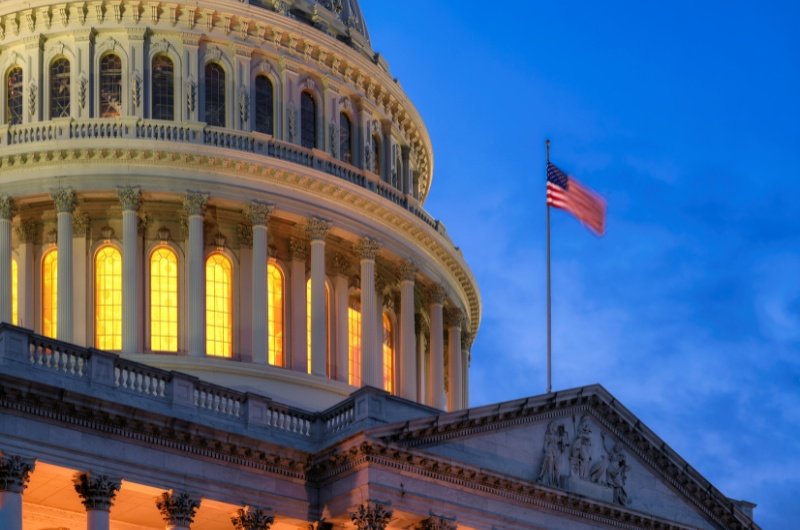
President Trump’s push to assert U.S. control over Greenland is facing rare resistance from within his own party, as several Republican leaders publicly criticize the strategy and warn of long-term consequences for U.S. alliances. Prominent Republicans have expressed concern that threatening tariffs — and floating more aggressive measures — against NATO allies could fracture relationships that have anchored U.S. foreign policy for decades. Some lawmakers described the approach as risky, arguing it underscores the need for diplomacy rather than economic or political pressure. Several GOP figures emphasized that Greenland’s future cannot be dictated unilaterally and cautioned that escalating tensions with European partners could weaken NATO’s collective strength. Others pointed to Congress’s constitutional role in foreign policy and defense matters, signaling limits to executive authority. Behind the scenes, congressional leaders are reportedly working to reassure European counterparts that the United States remains committed to cooperation and alliance stability, even as the White House escalates its rhetoric. The internal pushback marks one of the clearest foreign-policy splits within the Republican Party in recent years and reflects broader unease about the direction of U.S. engagement with long-standing allies.
AI Hiring Surges as Demand Grows for Human-AI Collaboration Skills

After years of experimentation, artificial intelligence is now reshaping how companies hire. In 2026, employers are increasingly seeking professionals who know how to work alongside AI effectively. Across industries, job postings are shifting to reflect this new reality. Roles in marketing, operations, finance, healthcare, and media now regularly list AI fluency as a core requirement. The emphasis is less on coding expertise and more on the ability to use AI tools strategically, improve workflows, and make informed decisions faster. For many workers, this shift is already being felt firsthand. Companies are quietly prioritizing candidates who can demonstrate real-world AI usage — from automating routine tasks to enhancing analysis, content creation, and customer engagement. In some cases, AI proficiency is becoming a deciding factor between equally qualified applicants. Executives say the change reflects a broader realization: AI delivers the most value when paired with human judgment, creativity, and context. Rather than replacing workers outright, organizations are redesigning roles so employees can focus on higher-level thinking while AI handles repetitive or time-consuming work. As hiring accelerates in this direction, the message is clear. In 2026, understanding how to collaborate with AI is quickly becoming a baseline expectation for staying competitive in the modern workforce.
Trump Introduces ‘Great Healthcare Plan’ Focused on Lowering Costs
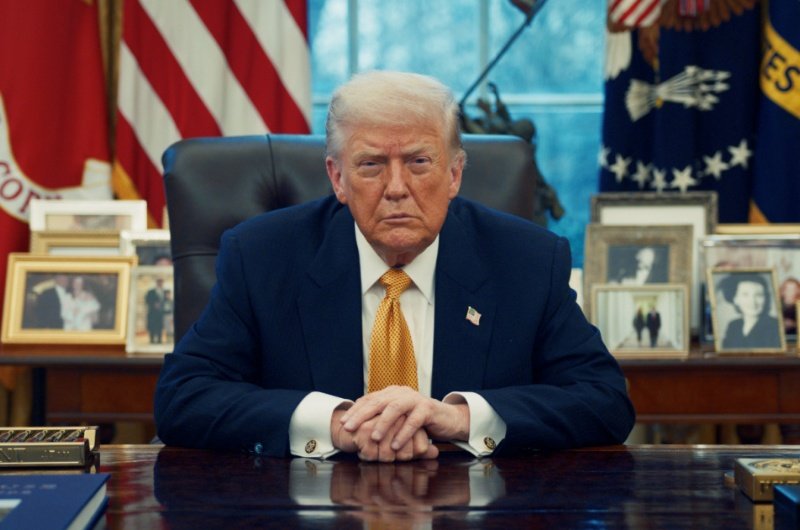
President Donald Trump has unveiled a new health care proposal aimed at lowering costs for Americans. The plan outlines a four-part strategy focused on drug prices, insurance premiums, accountability, and transparency. A major pillar of the proposal targets prescription drug prices. The administration says it plans to expand earlier efforts to rein in costs by pressuring pharmaceutical companies and Pharmacy Benefit Managers to reduce markups. The plan also explores making more medications available over the counter, a move intended to lower costs and improve access for consumers. The proposal also aims to reduce insurance premiums by shifting how financial assistance is delivered. Instead of extending Affordable Care Act subsidies, which expired at the end of 2025, the plan would direct money straight to eligible Americans rather than insurance companies. Supporters argue this could increase competition and give consumers more control over how they purchase coverage. Another key focus is accountability and transparency. Insurance companies would be required to clearly disclose pricing, coverage details, and overhead costs in plain language. The administration says these measures are designed to help consumers better understand their options and compare plans more easily. The White House has said the plan is not expected to affect protections for people with pre-existing conditions. While many details remain unresolved and legislative approval would be required, the announcement signals a clear policy direction as health care affordability becomes a central issue in 2026.
Senate Republicans Block Vote to Limit Military Authority on Venezuela
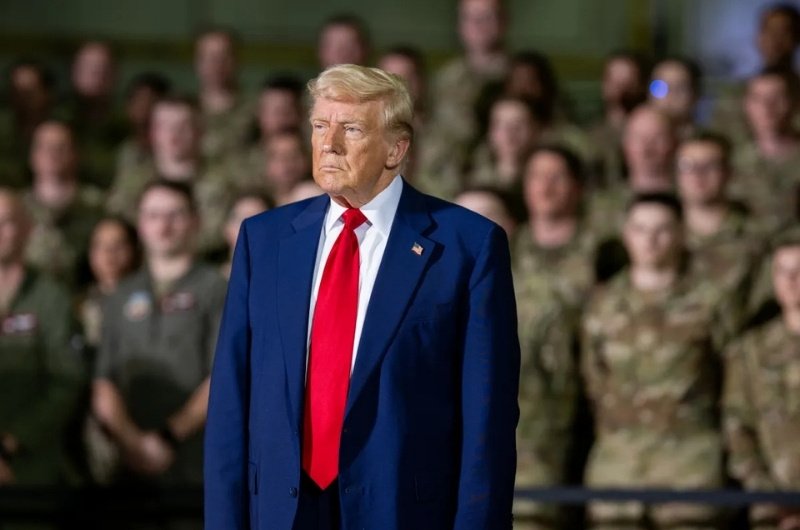
Senate Republicans moved Wednesday to block a Democratic-led effort that would have required congressional approval before the U.S. could take certain military actions involving Venezuela. The proposal aimed to reaffirm Congress’s role in decisions related to war and military force. Supporters said it was a safeguard against the president acting alone on matters that could draw the U.S. into deeper involvement abroad. Republicans rejected the measure, arguing it would limit the president’s ability to respond quickly to international threats. GOP leaders said existing law already provides sufficient oversight and warned that additional restrictions could weaken U.S. foreign policy flexibility. The blocked vote underscores a familiar divide in Washington over who should have the final say on military action. While the measure will not advance, it highlights growing tensions as lawmakers debate the scope of presidential power amid ongoing global instability.
U.S. Suspends Immigrant Visa Processing for Nationals of 75 Countries

The United States will suspend the processing of immigrant visas for citizens of 75 countries, marking a major shift in federal immigration policy and significantly limiting legal pathways to permanent residency. Under the new policy, U.S. embassies and consulates will pause approvals for people seeking to immigrate to the United States permanently. The suspension applies only to immigrant visas, which are used for long-term relocation, including family-based and employment-based immigration. Temporary travel will not be affected. Officials confirmed that tourist, student, and business visas will continue to be processed as normal. In addition, individuals who hold dual citizenship may still apply if they use a passport from a country not included in the suspension. The policy is being implemented by the U.S. State Department, which says the move is intended to tighten immigration standards and prioritize applicants who are financially self-sufficient. Administration officials have framed the decision as part of a broader effort to reduce strain on public resources. Critics argue the suspension could have far-reaching consequences, particularly for families waiting to reunite and employers seeking skilled workers from abroad. Immigration advocates say the move represents one of the most sweeping restrictions on legal immigration in recent years, while supporters contend it reinforces national priorities and economic safeguards.