

Fed Holds Rates Steady as High Mortgage Costs Continue to Weigh on Homebuyers

The Federal Reserve held interest rates steady Wednesday at a range of 3.50% to 3.75%, marking a third straight meeting without a change. But for many Americans hoping to buy a home, the pause isn’t translating into progress. Mortgage rates remain elevated, with recent averages still sitting in the mid-6% range for 30-year loans. That’s keeping monthly payments high and affordability out of reach for many first-time buyers, even as the pace of rate increases has slowed. Advertisement The decision inside the Fed was also far from unified. In one of the most divided votes in decades, four officials dissented—some pushing to remove signals of future rate cuts, while another supported lowering rates immediately. The split highlights growing uncertainty about what comes next. The timing adds another layer of complexity. The meeting is expected to be among the final ones led by Chair Jerome Powell before his term ends in May, with Kevin Warsh viewed as a potential successor. For prospective buyers, the reality is simple: even without new rate hikes, borrowing costs remain high enough to reshape decisions. Some are delaying purchases, others are downsizing expectations, and many are waiting for clearer signals before making a move. For now, the Fed is holding steady. But for the housing market, the question isn’t whether rates are rising—it’s how long they’ll stay high enough to keep buyers on the sidelines.
Broadcom Becomes Sixth U.S. Company to Reach $1 Trillion Market Value
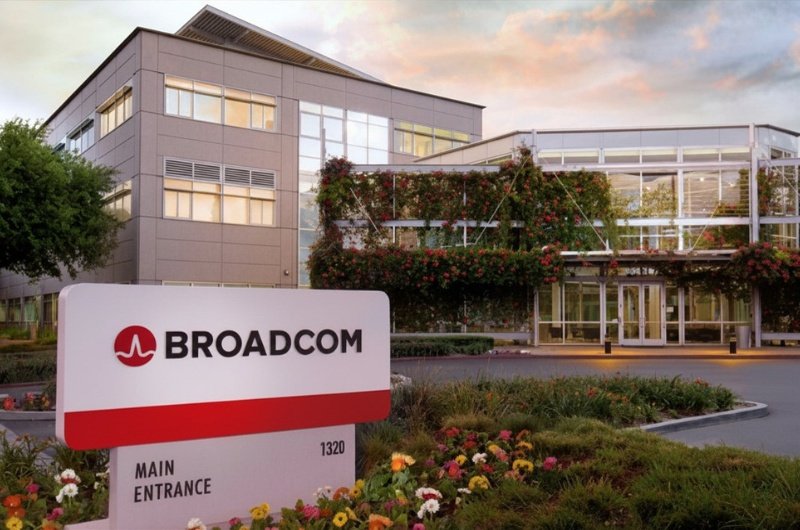
Broadcom has become the sixth company in U.S. history to reach a $1 trillion market valuation, adding another chapter to Wall Street’s AI-driven rally. The semiconductor giant’s momentum continued after its shares finished Wednesday at a record closing price. The company has benefited from growing demand for the chips, networking gear, and data-center technology needed to power AI systems at scale. While names like Nvidia often dominate headlines, Broadcom has quietly emerged as one of the biggest winners of the broader AI buildout. Advertisement For everyday investors, the moment is a reminder that some of the strongest market moves are happening behind the scenes. The companies supplying the tools, connections, and hardware of the AI era are becoming just as important as the apps consumers use. Broadcom’s rise also reflects a larger truth about today’s market: innovation themes can create multiple winners, not just one superstar stock. That doesn’t guarantee future gains, but it helps explain why money continues flowing into leading technology brands. ——————– Related: Google Debuts New TPU Chips Built for the Agentic AI Era Broadcom Gains Fresh Attention as AI Infrastructure Demand Grows and Meta Deal Adds Momentum
Broadcom Gains Fresh Attention as AI Infrastructure Demand Grows and Meta Deal Adds Momentum
Broadcom is drawing renewed attention on Wall Street as the race to build AI infrastructure expands beyond the industry’s most talked-about names. A new multi-year agreement with Meta has added fresh momentum to the company’s growing role in the systems powering next-generation artificial intelligence. The company has also been linked to major technology companies including Google and Anthropic, reinforcing its position as a key supplier in the fast-growing AI ecosystem. While some firms capture headlines through consumer-facing products, Broadcom’s opportunity is tied to the hardware, networking, and connectivity needed to run massive AI workloads behind the scenes. AVGO stock chart by TradingView That matters because the AI boom is increasingly becoming an infrastructure story. As data centers scale and computing demands rise, companies that help move data faster and more efficiently are attracting greater investor attention. For markets, Broadcom’s momentum reflects a broader shift in how Wall Street is evaluating AI winners. The focus is widening from a handful of headline names to the deeper network of companies enabling the technology at scale. The Readovia Lens Sometimes the biggest opportunities are not the loudest brands. In the AI era, the businesses supplying the backbone of the boom may prove just as important as the tools people use every day.
Stocks Reach Fresh Highs as Investors Bet the Economy Can Handle the Pressure

U.S. stocks moved higher this week as investors pushed major indexes toward fresh highs in New York, betting strong corporate earnings and steady consumer demand can outweigh concerns about inflation, oil prices, and global tension. The rally reflects growing confidence that the economy may remain stronger than many expected entering the spring. The recent gains have been led by a mix of technology giants, financial firms, and companies tied to consumer spending. Traders appear encouraged by signs that businesses are still producing solid profits while households continue to spend, even in a higher-rate environment. Advertisement Markets have also shown an ability to absorb negative headlines that might have rattled investors in the past. Rising energy prices, geopolitical uncertainty, and shifting expectations around interest rates have remained in focus, yet stocks have continued climbing as buyers look beyond short-term risks. For everyday Americans, market strength can matter far beyond Wall Street. Retirement accounts, workplace 401(k) plans, and long-term investment portfolios often rise and fall with the broader market, meaning strong weeks can improve household balances even for people who never buy an individual stock. Whether the rally continues may depend on inflation data, Federal Reserve signals, and upcoming earnings reports. For now, investors appear to be making a simple bet: the economy can handle the pressure.
Nvidia’s Hot Streak Signals Fresh Confidence in AI Stocks

Nvidia shares climbed Tuesday, giving the company a 10-day winning streak and one of its strongest runs in months. The move suggests investors are feeling confident again about the future of artificial intelligence and the companies helping power it. Part of the excitement comes from a better mood across the market. New inflation data helped ease concerns about interest rates, while lower bond yields made growth stocks more attractive. Technology companies were among the biggest winners. Advertisement Nvidia remains a favorite because its chips sit at the center of the AI boom. They help run data centers, advanced software, and the computing systems behind many of today’s smartest tools. When investors want exposure to AI, Nvidia is often one of the first names they consider. That said, no stock moves up forever without pauses. After a run like this, some pullback or profit-taking would be normal. Investors will be watching upcoming earnings reports for clues about where the market goes next. The bigger takeaway is simple: Wall Street still believes AI could be one of the most important growth stories of this era, and Nvidia continues to be a major symbol of that trend.
3 Smart Money Moves to Make Before Summer Spending Begins

Summer has a way of arriving with sunshine, plans, and expenses. Between weddings, graduations, travel, higher utility bills, and those quick “why not?” purchases, the season can put pressure on even a solid budget. The good news: a few smart moves now can make the months ahead feel a lot lighter. 1. Build a Summer Buffer Set aside a small amount now for seasonal extras. It does not need to be huge. Even a modest cushion can help cover surprise costs without reaching for a credit card when invitations, tickets, or weekend plans start stacking up. Advertisement 2. Audit Your Auto-Spending Some subscriptions are more committed than relationships. Take ten minutes to review memberships and recurring charges. You may still be paying for services you stopped using months ago. Canceling a few can free up money fast. 3. Choose Your Big Spend Now Pick the one thing that matters most this summer. Maybe it is travel, family fun, home upgrades, or paying down debt. When you decide in advance where your money should go, random spending has less power to hijack the plan. The Readovia Lens A strong summer budget gives your money purpose before the season starts pulling it in every direction.
Up 1,000% in One Year: The Stock That’s Turning Heads on Wall Street

Shares of Lumentum have surged dramatically over the past year, climbing as much as 1,000% and capturing the attention of investors across the market. The rapid rise has been fueled by growing demand tied to artificial intelligence infrastructure, where high-speed optical and networking technologies play a critical role. As companies race to expand data capacity and support increasingly complex AI systems, firms positioned within this ecosystem have seen significant investor interest. Lumentum, which specializes in optical and photonic products, has found itself at the center of that trend. Its technology is used in data transmission systems that help power the backbone of modern digital communication, an area that has become increasingly important as AI workloads continue to grow. LITE stock chart by TradingView Earlier this year, Lumentum was added to the S&P 500, marking a milestone that underscores its growing relevance in the market. The stock’s surge reflects a broader shift in market focus. Investors are looking at software companies driving AI innovation, but also at the underlying hardware and infrastructure that make it possible. This has created new opportunities for companies operating behind the scenes, where demand is rising quickly but has historically received less attention. At the same time, such rapid gains often come with increased volatility. Stocks that experience sharp upward moves can also be prone to equally sharp pullbacks, particularly as expectations evolve and market sentiment shifts. The Readovia Lens This is what early positioning looks like. The biggest gains are rarely found in the most obvious names. They often emerge in the infrastructure supporting the trend, before it becomes widely understood. But the speed of this rise introduces a familiar tension. When a stock moves this far, this fast, the story becomes less about discovery and more about timing. ——————– Related: Why AI Infrastructure Stocks Are Surging Oil Prices Plunge After Ceasefire Deal — A Sudden Reversal Ripples Across Global Markets Beyond Nvidia: 4 Under-the-Radar AI Stocks Analysts Are Watching for 2026
Why AI Infrastructure Stocks Are Surging

Artificial intelligence is driving one of the most significant shifts in modern markets, but the biggest gains are not always coming from the most visible companies. Behind the scenes, a different layer of the AI ecosystem is rapidly gaining momentum. As demand for AI continues to grow, so does the need for the infrastructure that supports it. Data centers, high-speed networking, optical systems, and specialized hardware are all essential to powering AI at scale. This has placed a new spotlight on companies operating in these areas, many of which were previously overlooked by mainstream investors. Advertisement The shift is already showing up in the market. Stocks tied to AI infrastructure have seen sharp gains as investors look beyond software and into the systems that make it all possible. In some cases, those gains have been dramatic, reflecting both rising demand and a broader recognition of their role in the AI economy. What makes this trend especially notable is how early it still feels. While AI itself is widely discussed, the infrastructure behind it is only beginning to receive sustained attention. That gap has created opportunities for companies positioned at the core of this transformation. The Readovia Lens This is what early positioning looks like. The biggest gains rarely come from the most obvious names. They tend to emerge in the infrastructure behind the trend, before the broader market catches on. When a stock moves this far, this fast, timing becomes everything. ——————– Related: Up 1,000% in One Year: The Stock That’s Turning Heads on Wall Street Oil Prices Plunge After Ceasefire Deal — A Sudden Reversal Ripples Across Global Markets This Stock Is Climbing Fast — And Here’s Why Beyond Nvidia: 4 Under-the-Radar AI Stocks Analysts Are Watching for 2026
Oil Prices Plunge After Ceasefire Deal — A Sudden Reversal Ripples Across Global Markets

Oil markets moved sharply lower Wednesday, reversing days of intense upward pressure after a ceasefire agreement between the United States and Iran eased fears of a prolonged supply disruption. Crude prices dropped significantly, falling back below the $100 mark after surging in recent sessions. The decline marks one of the most notable pullbacks in recent years, driven largely by renewed confidence that oil will continue flowing through the Strait of Hormuz — a critical artery for global energy supply. Advertisement The shift was immediate. As tensions cooled, the urgency that had pushed prices higher began to unwind just as quickly. What had been priced in as a potential supply crisis was suddenly replaced by expectations of stabilization, triggering a rapid selloff across energy markets. The impact extended well beyond oil. Global stock markets moved higher in response to easing geopolitical pressure, with investors rotating into sectors that benefit from lower energy costs, including travel, technology, and industrials. At the same time, energy stocks moved in the opposite direction, reflecting the speed and scale of the reversal. Despite the relief, the situation remains fluid. The ceasefire is temporary, and any breakdown in negotiations could quickly send prices higher again. Even with the drop, oil remains elevated compared to pre-conflict levels, underscoring how fragile the balance still is. The Readovia Lens Markets do not move on what is happening. They move on what might happen next. For days, the fear was disruption, scarcity, and escalation. That fear was priced into every barrel. Then, almost instantly, it was not. What this moment reveals is how tightly global markets are tied to perception. The same uncertainty that sent prices soaring is now pulling them lower as that uncertainty begins to fade. Nothing about the underlying risk has fully disappeared. The system did not stabilize. It paused. ——————– Related: U.S. and Iran Reach Ceasefire Deal, Pulling Back From the Brink of War This Stock Is Climbing Fast — And Here’s Why
This Stock Is Climbing Fast — And Here’s Why

_____________________________________________________ Update — April 8, 2026, 9:56 AM ET:Oil stocks reversed sharply after their recent surge, with shares pulling back significantly as market sentiment shifted. The sudden decline underscores how quickly energy markets can turn, particularly as geopolitical tensions show signs of easing. _____________________________________________________ As oil prices continue to climb amid escalating tensions between the United States and Iran, one investment vehicle is drawing increased attention: the United States Oil Fund. Designed to track the movement of crude oil through futures contracts, the fund has risen sharply in recent weeks as global energy markets react to growing uncertainty. Concerns around supply routes, production stability, and regional conflict have pushed oil prices higher, creating momentum across oil-linked assets. USO price by TradingView That movement is showing up clearly in the fund’s performance. As oil prices climb, instruments tied to those prices tend to follow, and the United States Oil Fund has reflected that trend with notable gains. The surge highlights how quickly financial markets can respond when geopolitical events begin to affect critical resources. The relationship between global conflict and energy markets is not new, but the speed of the current shift has caught attention. When key supply channels appear vulnerable, pricing can adjust rapidly as markets factor in potential disruptions, even before those disruptions fully materialize. At the same time, volatility remains a key part of the equation. Oil markets often react sharply to uncertainty, but those movements can reverse just as quickly if conditions begin to stabilize. What appears to be a sustained rise can sometimes be driven by short-term pressure, speculation, or shifting expectations rather than long-term supply changes. The Readovia Lens This moment underscores how closely financial markets are tied to global events. For everyday investors, moves like this can feel sudden, but they often follow recognizable patterns. When uncertainty increases, certain sectors respond first, and energy is frequently at the center of that reaction. Understanding what’s driving the movement matters more than the movement itself. In this case, the surge is being shaped by risk, supply concerns, and the broader implications of geopolitical tension. And as those conditions evolve, so will the market’s response.