


Congress Approves $70 Billion Immigration Enforcement Package
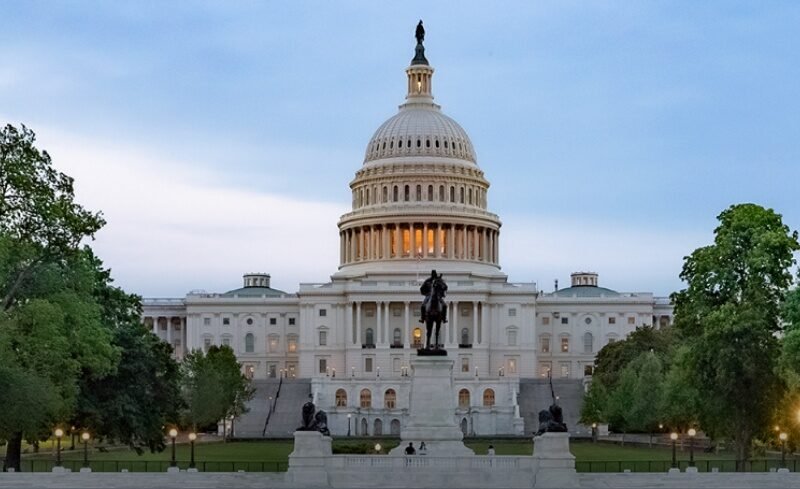
Congress has approved a sweeping immigration enforcement package that would provide nearly $70 billion in funding for border security and federal immigration operations over the next several years, marking one of the largest investments of its kind in recent history. The legislation now heads to President Trump, who is expected to sign the measure into law. Supporters say the funding will strengthen border security, expand enforcement capabilities, and provide long-term operational certainty for federal agencies. Critics, meanwhile, have raised concerns about oversight, detention capacity, and the broader direction of immigration policy. At the center of the package is a significant increase in resources for federal agencies responsible for immigration enforcement and border security. The legislation allocates tens of billions of dollars to Immigration and Customs Enforcement (ICE) and U.S. Border Patrol operations, while also setting aside funding for additional enforcement-related expenses that may arise in the coming years. The measure is designed to fund operations through 2029, reducing the need for repeated congressional battles over immigration enforcement budgets and giving agencies greater flexibility to plan long-term initiatives. What the Funding Covers The package supports a wide range of immigration enforcement activities, including the hiring and training of additional personnel, transportation and logistical operations, equipment purchases, and infrastructure improvements tied to border security efforts. Funding is also expected to support expanded detention capacity, increased deportation and removal operations, upgraded technology systems, and resources intended to improve coordination among federal agencies involved in immigration enforcement. Supporters of the legislation argue that the investment will help address ongoing challenges at the southern border while providing federal agencies with the tools needed to carry out existing immigration laws more effectively. A Major Policy Victory The vote represents a significant legislative win for the Trump administration, which has made immigration enforcement and border security central priorities during the president’s second term. Republican lawmakers largely backed the measure, arguing that stronger enforcement resources are necessary to secure the border and manage growing operational demands. Opponents countered that the legislation focuses heavily on enforcement while doing little to address broader immigration reform issues. The measure advanced through Congress following months of debate and negotiations, reflecting the continued prominence of immigration as one of the nation’s most closely watched policy issues. Looking Ahead Once signed into law, the funding package is expected to shape federal immigration operations for years to come. With billions of dollars now poised to flow into enforcement agencies, attention will likely turn to how the resources are deployed and whether the investment delivers the results supporters have promised. Regardless of where Americans stand on immigration policy, the legislation represents a major federal commitment to immigration enforcement and border security — one that could influence the national conversation well beyond the current administration.
Violent Crime Fell Sharply Across America in 2025, FBI Data Shows

Americans may be living in safer communities than they were just a year ago. New preliminary data released by the FBI shows violent crime across the United States fell an estimated 9.3% in 2025, marking one of the most significant year-over-year declines in decades. The report points to broad reductions across nearly every major category of violent crime, offering encouraging signs for communities, businesses, and local governments nationwide. Among the most notable findings, murders declined an estimated 18.1% compared with the previous year. Robberies fell 18.5%, aggravated assaults dropped 7.2%, and reported rapes decreased 7.6%. Property crime also moved sharply lower, declining an estimated 12.4% overall. The FBI’s early analysis draws from crime data submitted by more than 17,000 law enforcement agencies covering approximately 96% of the U.S. population, providing one of the most comprehensive snapshots available of nationwide crime trends. While public attention often focuses on individual high-profile incidents, the broader national picture suggests many communities experienced measurable improvements in public safety during the past year. The decline could have implications that extend well beyond crime statistics. Safer neighborhoods often contribute to stronger local economies, increased business investment, more active downtown districts, and improved quality of life for residents. Communities experiencing lower crime rates frequently see greater confidence among consumers, visitors, and employers alike. The latest figures also continue a trend that has emerged in many parts of the country since crime rates surged during the pandemic era. Although challenges remain and conditions vary significantly from city to city, the overall direction of the national data points toward continued improvement. Law enforcement leaders, policymakers, and community organizations have offered differing explanations for the decline, ranging from targeted policing strategies and community partnerships to broader social and economic factors. Whatever the causes, the numbers suggest that violent crime moved substantially lower across the United States in 2025. As additional data becomes available in the months ahead, analysts will be watching closely to see whether the trend continues. For now, the FBI’s preliminary report offers a rare piece of positive national news: violent crime, property crime, murders, robberies, and assaults all moved in the same direction — down.
Trump Signs Directive Expanding AI’s Role in National Security
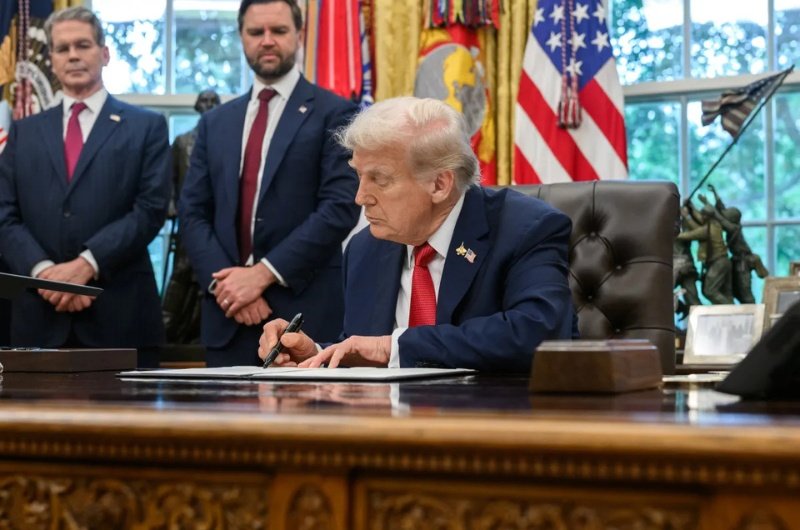
President Donald Trump has signed a new directive aimed at accelerating the adoption of artificial intelligence across the U.S. national security enterprise. The action underscores the growing role AI is expected to play in defense, intelligence, and cybersecurity operations in the years ahead. According to the White House, the directive establishes a framework designed to place cutting-edge AI capabilities into the hands of military and intelligence personnel while maintaining oversight, accountability, and security safeguards. The administration says the initiative is intended to help ensure the United States remains at the forefront of a rapidly evolving technological landscape that is increasingly shaping global competition. Among its key provisions, the directive calls for faster deployment of advanced AI systems across national security agencies, expanded access to leading AI models from multiple vendors, and the development of secure computing infrastructure capable of supporting next-generation AI technologies. The memorandum also creates an AI National Security Strategic Reserve, a network of outside experts who could be called upon to support national security efforts when needed. In addition, the Department of Defense has been directed to update policies related to autonomous systems as artificial intelligence capabilities continue to advance. While artificial intelligence has already transformed industries ranging from healthcare and finance to manufacturing and education, governments around the world are increasingly viewing the technology through a national security lens. AI systems are expected to play growing roles in intelligence analysis, cybersecurity operations, logistics planning, decision support, and other mission-critical functions. As a result, many policymakers now see AI leadership as an important component of both economic competitiveness and national defense. The latest directive reflects a broader shift underway in Washington and other global capitals. Artificial intelligence is no longer being viewed solely as a commercial technology developed by private companies. Increasingly, it is being treated as a strategic asset with implications for military readiness, intelligence gathering, and geopolitical influence. The move comes amid intensifying global competition in artificial intelligence, with the United States, China, and other nations investing heavily in AI research, infrastructure, and talent development. As governments race to harness the technology’s potential, the role of artificial intelligence in national security is expected to expand significantly in the years ahead. The Readovia Lens For years, artificial intelligence was primarily discussed as a business tool capable of boosting productivity, automating tasks, and generating new products and services. That conversation is now evolving. The growing focus on AI within defense and intelligence circles suggests that governments increasingly view the technology as a strategic capability rather than simply a commercial innovation. Much as previous generations competed for leadership in aerospace, computing, and telecommunications, the next chapter of global competition may be shaped by which nations can most effectively develop, deploy, and secure advanced AI systems. The implications could extend far beyond technology companies. Future investments in data centers, cybersecurity, energy infrastructure, advanced semiconductors, and AI talent may become increasingly intertwined with national security priorities. ——————– Related: Pentagon Turns to Google as AI Expands Into National Security
America’s Job Market Continues to Defy Expectations

For years, economists, business leaders, and market analysts have warned that a significant economic slowdown could be just around the corner. Yet the U.S. job market continues to tell a different story. A stronger-than-expected employment report released last week showed that American employers are still hiring, adding new jobs even as higher interest rates, inflation concerns, and economic uncertainty continue to dominate headlines. The latest figures suggest that the labor market remains more resilient than many experts anticipated. The report arrives after several years of repeated recession predictions that have largely failed to materialize. While economic growth has cooled from the rapid pace seen following the pandemic recovery, businesses across many sectors continue searching for workers and expanding payrolls. For millions of Americans, the strength of the job market remains one of the clearest signs that the broader economy continues to move forward. Hiring has remained particularly steady in industries such as healthcare, professional services, education, and government, while many employers continue reporting difficulty filling certain positions. Wage growth has also remained relatively healthy, helping many workers keep pace with higher living costs. The continued strength of the labor market has surprised some economists who expected higher interest rates to have a greater impact on hiring and business activity. Instead, employers have largely continued to add workers while consumers have maintained spending levels that support economic growth. The Bigger Picture Employment remains one of the most important indicators of economic health. When people are working, they are more likely to spend money, purchase homes, travel, dine out, and support local businesses. Strong employment can create a ripple effect throughout the economy, benefiting industries far beyond the workplace itself. That does not mean challenges have disappeared. Many households continue to face higher prices for housing, insurance, healthcare, and everyday necessities. Businesses also continue navigating rising costs and an increasingly competitive labor market. Still, the latest employment data suggests that the foundation of the U.S. economy remains remarkably durable. The Readovia Lens One of the most surprising economic stories of the past several years may be how often the American economy has exceeded expectations. Despite persistent warnings of recession, consumers have continued spending, businesses have continued hiring, and workers have continued finding opportunities across a wide range of industries. Economic challenges undoubtedly remain. But the latest jobs report serves as a reminder that headlines do not always tell the full story. While economists debate what comes next, millions of Americans continue doing what they have always done — going to work, building careers, supporting families, and helping drive the world’s largest economy forward.
Arizona Lake Closes After Entire Fish Population Dies in Environmental Crisis
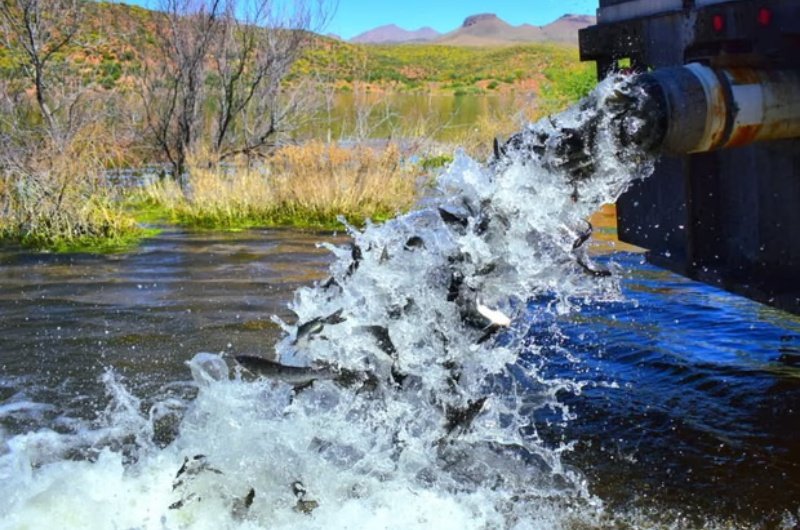
One of Arizona’s best-known fishing destinations has been closed indefinitely after officials reported the near-total loss of fish in the lake, a stunning environmental event that has drawn attention to ongoing water challenges across the American West. San Carlos Lake, located on the San Carlos Apache Reservation in eastern Arizona, was shut down after authorities determined that virtually all fish in the reservoir had died. Officials cited a combination of drought conditions, declining water levels, and water management decisions that dramatically altered conditions within the lake. According to local officials, the fish kill was so extensive that visitors began reporting large numbers of dead fish washing ashore. As decomposition accelerated, concerns grew about water quality, odors, and potential health risks, prompting the lake’s closure to recreational activities. The lake has long been known as a popular destination for anglers and outdoor enthusiasts, attracting visitors from across Arizona and neighboring states. The closure represents a significant blow not only to local recreation but also to the ecosystem that depended on the reservoir. Environmental experts note that fish populations can become especially vulnerable when water levels fall and temperatures rise. Reduced water volumes can lead to lower oxygen levels, making it difficult for fish and other aquatic life to survive. Prolonged drought conditions can further stress ecosystems already struggling to adapt to changing environmental conditions. While San Carlos Lake has experienced fluctuations in water levels throughout its history, officials say the latest event is among the most severe environmental setbacks the reservoir has faced in recent years. Communities throughout the region continue grappling with persistent drought conditions, increasing demand for water, and the complex challenges of managing reservoirs, rivers, and other critical resources. As water supplies fluctuate, ecosystems that depend on stable conditions often become vulnerable to sudden disruptions. Lakes, rivers, and reservoirs serve many purposes beyond recreation. They provide habitat for wildlife, support local economies, and play an important role in maintaining environmental balance. When those systems are placed under stress, the impacts can extend far beyond a single location. Scientists and resource managers have increasingly warned that prolonged drought and extreme weather patterns may create additional challenges for aquatic ecosystems in the years ahead. For now, the empty waters of San Carlos Lake stand as a stark illustration of how quickly environmental stress can reshape an ecosystem that once supported thriving recreational and wildlife activity.
Trump Signs Executive Order Raising Accountability Standards for Federal Executives
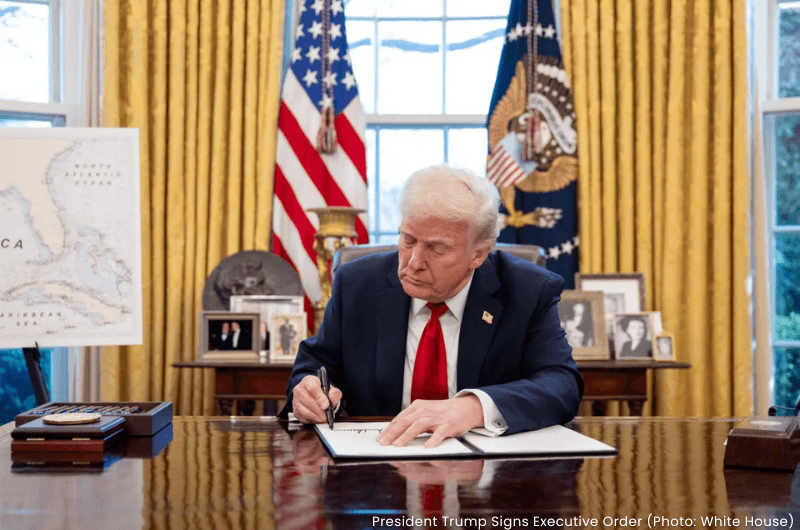
President Donald Trump signed a new executive order Wednesday aimed at increasing accountability among senior federal executives and policy-making officials, marking the latest effort by the administration to reshape how parts of the federal government are managed. According to the White House, the order is designed to ensure that senior government officials remain accountable to elected leadership and faithfully implement the policies chosen by American voters. Administration officials argue that individuals serving in influential policy-making roles should be held to higher performance and accountability standards than traditional career civil-service positions. The order focuses on a relatively small segment of the federal workforce that occupies senior executive and policy-influencing positions across government agencies. The White House says these officials play a significant role in developing, interpreting, and carrying out federal policy, making accountability especially important when administrations change and new priorities are established. Supporters of the move describe it as a long-overdue reform that will make government more responsive to elected leadership. They argue that voters ultimately expect presidents and their administrations to have greater authority over the officials responsible for implementing major policy initiatives. Critics, however, warn that the order could weaken longstanding civil-service protections that were designed to preserve continuity and political independence within the federal government. Opponents argue that career officials provide institutional expertise that extends beyond any single administration and help ensure stability across changing political leadership. The action is likely to reignite a broader debate that has been building in Washington for years: how much authority elected leaders should have over senior government officials who help shape and implement public policy. While supporters see the order as a necessary accountability measure, critics view it as a significant shift in the balance between political leadership and the career federal workforce. The Readovia Lens The larger significance of the order may extend well beyond the positions immediately affected. At its core, the debate centers on who should ultimately drive the direction of the federal government: career officials who provide continuity across administrations, or elected leaders who argue they have a mandate from voters to carry out their agenda. As administrations from both parties continue searching for ways to make government more effective, challenges surrounding accountability, expertise, and executive authority are likely to remain at the center of the national conversation.
UN Warns El Niño Could Return This Year, Raising Risk of Extreme Weather

The United Nations is warning that El Niño conditions could return later this year, increasing the likelihood of extreme weather events around the world, adding fresh uncertainty to an already volatile climate picture. According to the World Meteorological Organization, there is a strong chance that El Niño will develop during the second half of 2026. The climate pattern, which originates in the Pacific Ocean, is known for influencing weather conditions across large portions of the globe, often bringing heavier rainfall to some regions while contributing to drought, heat, and wildfire risk in others. Scientists say a return of El Niño could further elevate global temperatures that have already reached record or near-record levels in recent years. While forecasters are still monitoring the strength of any potential event, officials warn that even a moderate El Niño can have significant effects on agriculture, water supplies, energy demand, and disaster preparedness efforts. In the United States, El Niño’s impacts can vary by region, but the phenomenon has historically been linked to shifts in rainfall patterns, increased flooding risks in some areas, and disruptions to normal weather cycles. Communities vulnerable to drought, severe storms, or extreme heat may be watching forecasts particularly closely in the months ahead. While weather experts caution that it is too early to predict specific local impacts, the warning serves as an early reminder that conditions in the Pacific Ocean can influence weather patterns thousands of miles away. As governments, businesses, and emergency planners prepare for the possibility of a new El Niño cycle, scientists will continue monitoring developments throughout the summer. The Readovia Lens El Niño is often discussed as a climate event, but its effects can extend far beyond weather forecasts. From food prices and energy demand to insurance costs and disaster recovery efforts, major weather patterns can ripple through the broader economy. If El Niño returns later this year, its impact may be felt in places far removed from the Pacific Ocean itself.
Bomb Threat and Hostage Standoff Bring Downtown Bakersfield to a Standstill

A bomb threat and hostage standoff that began Tuesday at a Chase Bank in downtown Bakersfield, California, continued into Wednesday morning after authorities confirmed that at least two hostages had been released during negotiations with the suspect. Officials said two hostages were released during the standoff, but law enforcement continued negotiations overnight as the incident stretched into Wednesday. Authorities have not publicly disclosed how many people may still be inside the building or provided details about the suspect’s demands. The ongoing crisis has effectively brought portions of downtown Bakersfield to a standstill, disrupting businesses, government operations, and normal traffic throughout the area. FBI agents joined local police in responding to the scene as officials urged residents to avoid the downtown district. Events like this highlight the enormous challenges facing law enforcement during hostage situations, where every decision must balance public safety with the goal of bringing people home safely. While two hostages have been released, the situation remains active, and authorities continue working toward a peaceful resolution.
U.S. Strikes Iranian Sites After Tehran Downs American Drone

Tensions between the United States and Iran escalated sharply Monday after Iran shot down an American drone, prompting U.S. strikes on Iranian radar and drone facilities. Iran later launched missiles toward U.S. forces in Kuwait, according to U.S. officials, who said the missiles were intercepted and no casualties were reported. U.S. officials said the military action was a direct response to the drone incident, which marked one of the most serious confrontations between the two countries in recent months. The strikes targeted radar installations and drone-related infrastructure that U.S. officials say were connected to Iran’s military operations. Iran responded by firing missiles toward American positions in Kuwait, though U.S. officials said air defense systems successfully intercepted the incoming projectiles before they could cause damage. Both sides have accused the other of increasing tensions in the region, which remains one of the world’s most strategically important areas for energy production and international shipping. The latest exchange underscores the fragile security environment across the Middle East, where U.S. forces, Iranian military assets, and key energy infrastructure operate in close proximity. Military incidents involving drones, missiles, and naval assets have repeatedly raised concerns about the potential for broader regional instability. While no casualties were immediately reported, the rapid exchange of military action highlights how quickly tensions between Washington and Tehran can escalate. For global markets and policymakers alike, developments in the region remain closely watched because of their potential impact on energy supplies, shipping routes, and broader geopolitical stability.
Trump’s Face Could Appear on a New $250 Bill as Treasury Prepares for Potential Approval
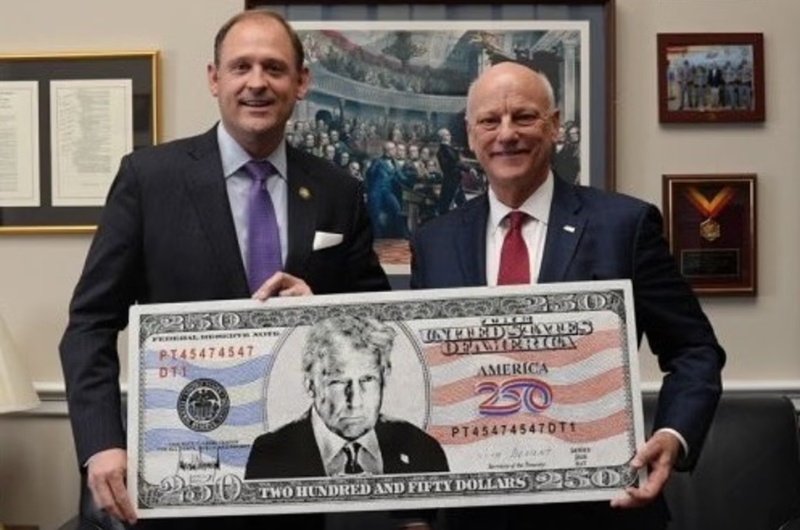
A proposal that once seemed unlikely is moving closer to reality after Treasury officials confirmed preparations for a potential $250 bill featuring President Donald Trump. The development follows growing support among some lawmakers and allies of the president who argue that Trump’s influence on modern American politics warrants consideration for a new denomination tied to the nation’s upcoming 250th anniversary celebration. Recent reports indicate the Treasury Department has already prepared preliminary designs should Congress ultimately authorize the move. The proposal faces a significant hurdle. Current federal law generally prohibits living individuals from appearing on U.S. currency, meaning Congress would need to change longstanding rules before any such bill could be issued. Supporters view the idea as a way to commemorate a president they believe reshaped American politics, while critics argue that placing a living political figure on U.S. currency would break with long-established traditions intended to keep the nation’s money above contemporary political disputes. The discussion comes as the United States prepares for a series of events marking the country’s 250th anniversary. The semiquincentennial celebration has become a major priority for the administration, with officials emphasizing patriotism, national heritage, and America’s founding story. In that context, the proposed $250 bill has evolved from a symbolic political idea into a broader debate about how the nation chooses to recognize influential leaders and historic moments. Even if Congress were to approve the proposal, a new denomination would represent a significant departure from modern U.S. currency practices. The highest denomination currently circulated is the $100 bill, and economists have long questioned whether larger notes would serve a practical purpose in an increasingly digital economy. Still, the proposal has succeeded in capturing national attention, ensuring that the debate extends far beyond the design of a single piece of currency. Whether the idea ultimately becomes reality or remains a political symbol, the conversation highlights a larger question: how should America honor the figures who shape its history? As the nation’s 250th birthday approaches, that debate is likely to continue well beyond the halls of Congress.