


Holiday Squeeze: Americans Brace for Higher Prices as 100% China Tariffs Loom

The holidays could look a little less merry this year for U.S. shoppers. President Trump’s proposed 100% tariffs on Chinese imports, set to take effect November 1, are sending shockwaves through the retail industry — and analysts say it’s the average American who will feel the sting first. Retailers across the country are rushing to stock up before prices spike, but for many, it’s too late. The National Retail Federation warns that everything from toys and electronics to apparel and furniture could see price hikes of 20% or more by Thanksgiving. Big-box chains are scrambling to adjust, while small businesses — already operating on thin margins — say they may have no choice but to pass costs directly to consumers. Economists argue the timing couldn’t be worse. The new tariffs hit just as inflation had begun to cool and consumer confidence was stabilizing. “We’re heading into the most important shopping season of the year with enormous uncertainty,” said one analyst, noting that middle-income households are already stretched by rising housing and insurance costs. “This could easily push spending into a downturn.” The White House maintains that the move is necessary to rebalance trade and protect U.S. manufacturing, but critics call it a political gamble disguised as economic strategy. Supply chain experts note that many American companies are still dependent on China for core components — meaning that even “Made in the USA” products could rise in cost as input prices climb. For everyday families, the impact may hit long before Black Friday. From laptops for students to holiday décor and kitchen gadgets, many household staples are about to get more expensive. As one shopper outside a Target in Virginia put it: “I was just starting to feel like I could breathe again — now it feels like we’re right back where we started.”
Australia Locks Under-16s Out of Social Media — and Yes, That Now Includes YouTube

Beginning December 10, 2025, Australia law will require social media platforms to restrict accounts for users under 16—or face steep penalties. Australia is set to run a world-first experiment in teen online life: a social-media “delay” until age 16. From December 10, platforms must take reasonable steps to prevent under-16s from creating or maintaining accounts. Parents and kids aren’t penalized; the burden—and liability—shifts to the companies. Officials say age checks should be effective but minimally invasive, meaning platforms are expected to strengthen behind-the-scenes age assurance, tighten teen-safety defaults, and act faster on accounts flagged as underage. Expect new sign-up flows, more prompts for age confirmation, and periodic sweeps to catch under-16 accounts. What to watch next: which services end up covered beyond the household names (think Discord, Reddit, Roblox), how companies redesign sign-up flows, and any legal challenges from platforms unhappy with the classification. Also watch the data: regulators plan to measure whether the policy actually reduces harms—or just pushes activity to workarounds. The woman behind the shift Australia’s eSafety Commissioner Julie Inman Grant—a former Big Tech executive turned regulator—has been the loudest voice pushing to include YouTube and tighten the system. She’s now the face of a policy other governments are eyeing as a template.
Julie Inman Grant, The Regulator Reshaping Teen Social Media in Australia
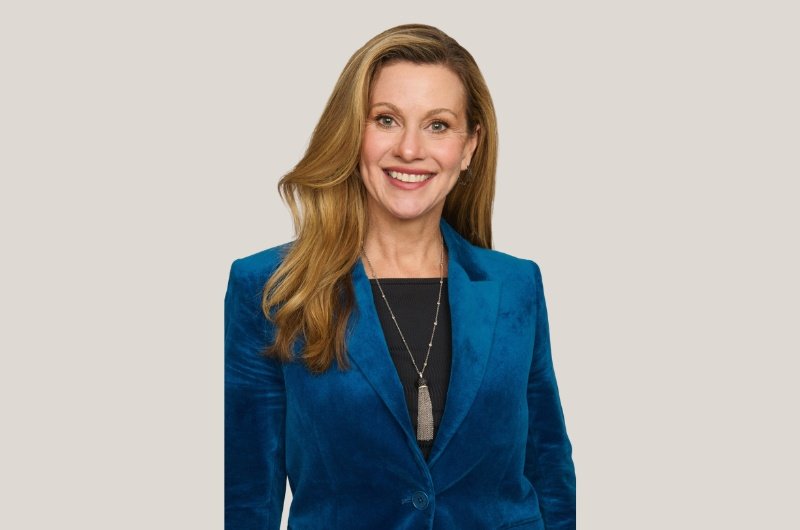
Australia’s eSafety Commissioner, Julie Inman Grant, has become the public face of a new approach to teen online safety: put responsibility on platforms and prove it works. With the under-16 account restrictions set to take effect on December 10, she’s pressing companies to deliver age checks that are effective without being intrusive—and to show measurable results, not just new settings pages. Inman Grant’s stance is pragmatic rather than punitive. She talks about “reasonable steps,” not blanket ID checks, and about layered signals that help identify under-age accounts while minimizing friction for everyone else. The message to product teams is clear: redesign the on-ramp, tighten defaults for teens, and build systems that catch and remove under-16 accounts consistently over time. Her influence is visible in the scope of the policy itself. After early debate about exemptions, regulators moved to treat YouTube like other social platforms—an acknowledgement of how teens actually use it: creators, comments, direct messages, and a highly personalized feed. That call reflects Inman Grant’s broader view that the line between “video site” and “social app” has effectively vanished for young users. She’s also preparing for the backlash cycle that tends to follow big safety moves. Expect questions about privacy trade-offs, false positives, and whether determined teens will simply route around restrictions. Inman Grant’s answer is to commit to measurement: track outcomes, publish effectiveness, and iterate if the data demands it. If the policy reduces harm without heavy-handed verification, Australia will become a template. If it stumbles, she’ll be the one fielding the questions—and pushing the next round of fixes. Bottom Line Inman Grant is a regulator who speaks product. As the December 10th rollout begins, she’ll test whether “minimally invasive” age assurance can actually deliver what years of safety promises haven’t: a system that keeps under-16 accounts restricted at scale—without turning the Internet into a checkpoint.
Stitch Fix Launches “Vision” — Seeing You in Shoppable Style

Stitch Fix today announced the launch of Vision, an AI-powered feature that lets customers visualize photorealistic images of themselves wearing recommended outfits — a first-of-its-kind step in virtual styling. The rollout represents the company’s most ambitious use of artificial intelligence to date, bridging the gap between fashion inspiration and personal visualization. Vision uses a combination of user data, stylist insights, and generative AI to create highly realistic outfit previews tailored to individual shoppers. The system analyzes fit, preference, and prior selections to show how recommended looks would appear on each person’s body type and style profile. Early testers have reported a noticeable boost in confidence when choosing items — and fewer returns. The announcement comes as fashion brands race to integrate AI into every stage of the shopping experience, from design and recommendation engines to customer engagement. For Stitch Fix, Vision could be the key to reigniting growth and positioning itself as a leading innovator in AI-driven retail. Industry analysts see the feature as part of a growing wave of “experiential AI,” where technology meets self-expression. Instead of static product photography, shoppers now interact with AI that adapts to their tastes — turning digital shopping into something more personal, immersive, and human. The Takeaway By letting customers see themselves in every look, Stitch Fix’s Vision blurs the line between styling and self-perception — signaling that the next era of fashion is both personal and predictive.
Trump’s New Deal for Universities Raises Academic Freedom Alarms
A New Battle Over Academic Freedom Emerges as Nine Elite Institutions Weigh the Costs of Saying No Higher education in the United States is facing a test unlike any in recent history. President Trump has introduced a 10-point “academic deal” that links federal funding to sweeping institutional changes, from admissions criteria to the elimination of entire departments. For nine elite universities, the choice is stark: adapt to political pressure or risk losing critical support. For students, faculty, and families, the outcome could reshape what it means to learn — and teach — in America. The proposal, detailed in a White House letter this week, offers universities “preferred access” to billions in federal research dollars if they comply. Among the mandates: banning race and sex considerations in admissions, restructuring departments labeled “hostile” to conservative values, and tightening oversight of academic governance. Universities that agree would be invited to negotiate further terms; those that don’t would retain independence but forgo substantial funding advantages. Reactions have been swift and fierce. Faculty associations and university leaders argue the deal uses taxpayer dollars as a weapon to enforce political ideology. Legal experts warn that it may collide with the First Amendment, raising the prospect of one of the most consequential legal battles in the history of American higher education. Trump, for his part, has framed the plan as a strike against what he calls “elitist indoctrination,” casting it as a cultural victory for his supporters. Critics counter that the long-term costs could be devastating — from driving top researchers abroad to undermining U.S. universities’ global reputation for innovation and academic freedom. While the administration insists participation is voluntary, the stakes make the decision anything but simple. For the nine universities under pressure, the choice is no longer just about funding. It is about the very definition of higher education in America — and who gets to control its future. Between the Lines This fight reaches far beyond university boardrooms. By tying federal support to compliance with political mandates, the government is effectively deciding which perspectives deserve to flourish, and which are suppressed. The ripple effect touches students, professors, and families who may see programs cut, research stifled, or entire fields of study diminished. The question is no longer just who funds higher education — it’s who shapes its soul.
Trump Touts “Major Progress” on Autism — Pushes Bold New Research Initiatives
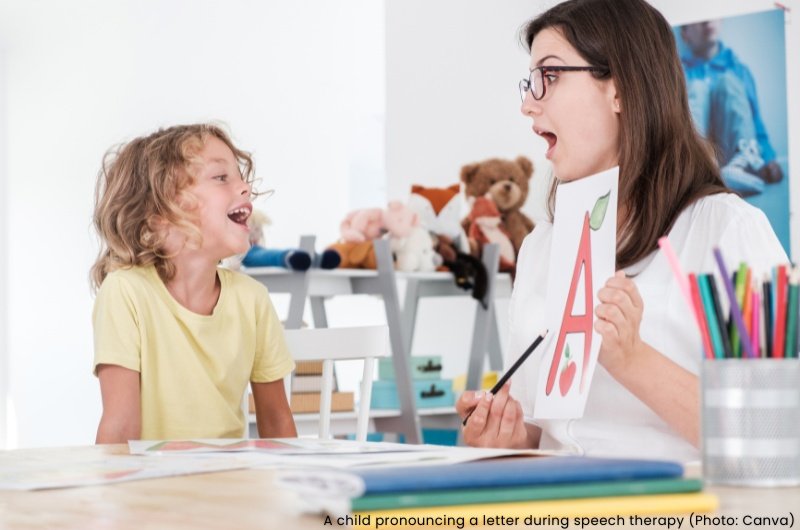
This week, President Trump joined administration officials to declare what he called “major progress in understanding the root causes of autism” and to unveil a slate of new initiatives aimed at tackling what he described as an autism epidemic. A sweeping announcement The White House linked a surge in autism diagnoses over the past two decades to potential environmental and medical factors, placing special emphasis on acetaminophen use during pregnancy. The FDA has been directed to pursue new labeling for acetaminophen products, warning of potential developmental risks. A therapeutic pathway has been opened for folinic acid treatments, intended to address folate deficiencies in children with autism. A $50 million federal research program, branded the “Autism Data Science Initiative,” will fund large-scale studies on autism’s origins, spanning genetics, environmental triggers, and treatment outcomes. https://youtu.be/s8-xoV70o_U?si=zTSVxcJZ1IFnPlXT Fierce pushback Medical and scientific groups quickly pushed back, stressing that the evidence linking acetaminophen and autism is not conclusive. Experts warn that correlation does not prove causation, and that untreated pain or fever during pregnancy can itself create health risks. Critics also argue that the administration’s messaging risks fueling confusion, distrust, and stigma while overshadowing ongoing autism research. The Takeaway This story boils down to a high-stakes clash between politics and science over autism’s causes. The announcement marks one of the most sweeping government interventions into autism policy in years — potentially reshaping medical guidance, research priorities, and public perception. Supporters see bold action. Skeptics fear politics is outpacing science. The Author
FEATURE: TikTok’s ‘Digital Sabbath’ Trend Has Gen Z Powering Down for Peace of Mind

On TikTok, a wellness trend that’s been brewing is taking hold: the “Digital Sabbath.” It’s a modern spin on an ancient idea—a full day of rest and reflection—only now reimagined for the smartphone era. Instead of scrolling, Gen Z is experimenting with shutting down. The practice is simple: pick one day, often a “screen-free Sunday,” and intentionally disconnect from digital devices. Phones go off, tablets get tucked away, and laptops stay closed. In their place come slower, more intentional activities—reading, journaling, cooking, spending time outdoors, or simply catching up with loved ones. How the Trend Works A full-day disconnection: Participants commit to 24 hours offline, turning off notifications and setting boundaries with their devices. Offline activities: Instead of TikTok feeds or endless scrolling, the focus shifts to restorative, analog pursuits—walking, writing, or even embracing boredom. Restoring presence: The goal is to reclaim attention from the constant tug of screens and be more fully present in daily life. Documenting before & after: While the sabbath itself is tech-free, users often post reflections before starting and after completing their detox, sharing how it changed their mood, focus, and perspective. Why It’s Catching On The trend’s popularity highlights the complicated relationship Gen Z has with social media. As true “digital natives,” many are acutely aware of the toll nonstop connectivity takes on mental health. Combatting tech overload: For users whose screen time stretches into double-digit hours, unplugging feels like a reset button. Mental health relief: Studies consistently link excessive social media use to anxiety, depression, and sleep issues. The Digital Sabbath offers a break from those pressures. Beyond the scroll: TikTok’s algorithm thrives on endless consumption; this trend flips the script, encouraging people to find joy and meaning offline. A “dopamine detox”: Related to a broader movement, it aims to break reliance on quick digital hits, making everyday offline activities feel more rewarding. Reported Benefits Participants often share that their Digital Sabbath delivers more than just a day off from screens. Common outcomes include: Reduced anxiety and improved mood — relief from the pressure to stay online. Better sleep and sharper focus — especially when phones are put away before bedtime. Deeper connections — more meaningful conversations and time with friends and family. Creativity and self-awareness — downtime fosters reflection, new ideas, and even a sense of groundedness. Why It Matters The rise of the Digital Sabbath shows that even on TikTok—the app designed for maximum engagement—there’s a counterculture forming. For a generation raised online, taking 24 hours offline is less about rejection and more about balance. It’s a statement that life doesn’t have to be lived entirely through a screen. The Author
Blue Light Skincare Trend Rises

Beauty brands launched new lines targeting screen-related skin damage late Wednesday. Industry insiders see this as the next anti-aging frontier. The glow of our screens may be doing more than straining our eyes—it could also be aging our skin. Beauty brands are racing to address the growing concern over blue light exposure from digital devices, unveiling new skincare lines designed to protect against screen-related damage. Industry experts point to mounting research suggesting that prolonged exposure to high-energy visible (HEV) light may accelerate wrinkles, hyperpigmentation, and loss of elasticity. This has opened a lucrative new market, with blue light defense products being positioned as the next frontier in anti-aging. From serums infused with antioxidants to moisturizers boasting protective filters, companies are marketing these innovations as essential for modern lifestyles spent in front of laptops, phones, and tablets. Analysts predict this trend will only intensify as consumers grow more aware of digital-age skincare risks. The Author
Fantasia Lights Up the Stage this Fall & Winter
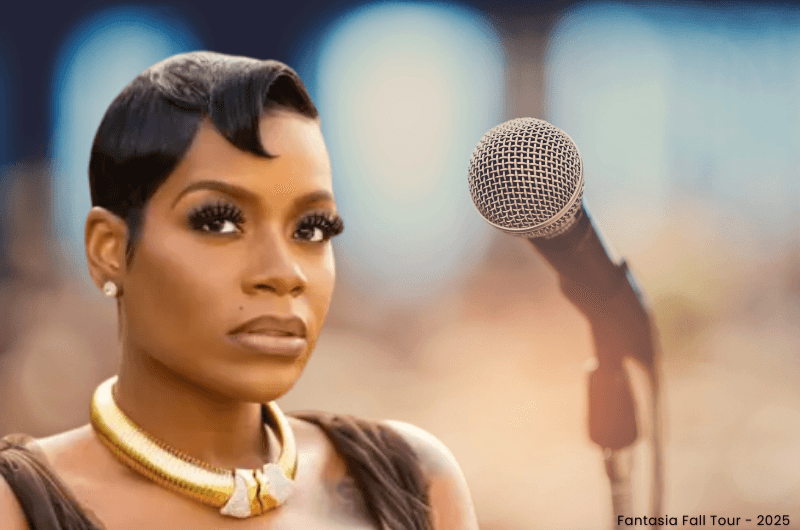
Grammy-winning R&B powerhouse Fantasia will bring her signature vocals to key stops this Fall and Winter, including The Theater at MGM National Harbor in Maryland (Oct. 10 & 11) and State Farm Arena in Atlanta (Oct. 17), with tickets already available. Whether you’re planning a date night or treasuring a long-awaited return to live music, Fantasia’s shows are poised to deliver a performance you won’t soon forget. For some concert dates, Fantasia will be co-headlining with Anthony Hamilton, amplifying anticipation for fans across the Southeast. Tickets start around $160 for National Harbor and $112 for Atlanta on platforms like Ticketmaster and SeatGeek. Fantasia live isn’t just a concert—it’s a communal experience, as she embarks on a tour that taps into R&B’s rich soulful tradition. For readers looking to plan or gift a moment of music joy, this feels timely, meaningful, and elegant—exactly the kinds of elevated experiences that define Readovia’s Life Rewired channel. Where to Get Tickets Buy tickets for National Harbor (Ticketmaster) Buy tickets for Atlanta and other Tour Cities (SeatGeek) The Author
Selfridges Releases 2025 Beauty Advent Calendar — Luxury Revealed

Selfridges has unveiled its highly anticipated Beauty Advent Calendar for 2025—an indulgent 37-piece collection priced at £250 (about $300), with a total value of £1,136. Inside, beauty lovers will discover cult-favorite brands and exclusive treats, including full-size gems from Charlotte Tilbury, Jo Malone, Augustinus Bader, and more. The calendar’s design echoes Selfridges’ signature flair—bright yellow, fashionably festive, and built to delight. Its contents include deluxe skincare, makeup, haircare, and fragrance picks from elite brands across the beauty spectrum, curated for daily luxury and discovery. Beauty editors are already calling it the season’s must-have, with limited early release and waitlist alerts signaling a fast sell-out risk. Given its extraordinary value and exclusivity, it’s not just a gift—it’s a statement piece for holiday beauty aficionados. Buy it here: Selfridges Beauty Advent Calendar 2025 — £250 / $300 The Author