


Behind the $10B Meta-Google Deal: Power, Privacy, and the Price of AI

Meta has inked a sweeping six-year deal with Google worth more than $10 billion, tapping into Google’s vast cloud network to accelerate its AI ambitions. The pact represents one of the largest AI infrastructure alignments to date, as Big Tech consolidates control over the computing muscle that powers the next generation of artificial intelligence. The deal ensures Meta will have access to Google’s cutting-edge chips, data centers, and storage systems—critical ingredients for building and scaling generative AI models. By outsourcing much of its infrastructure needs, Meta is effectively admitting that the cost and complexity of building enough internal capacity alone is no longer practical. Instead, the company is buying time in a race where speed and scale decide who dominates. Analysts say the move highlights a new reality: AI breakthroughs are increasingly shaped not by research talent alone, but by who controls the pipelines of compute power. That concentration raises questions about competition, as only a handful of firms—Google, Microsoft, Amazon, and now Meta—control access to the hardware and cloud ecosystems necessary for training trillion-parameter models. Smaller startups risk being locked out, unable to match the sheer capital needed to participate. Privacy and pricing are also on the line. As Big Tech firms tighten their grip on cloud infrastructure, enterprises and consumers may face higher costs and fewer choices for where their data is stored and processed. For Meta, the partnership with Google shores up its AI strategy just as rivals like OpenAI and Anthropic deepen their ties with Microsoft and Amazon, respectively. It’s a strategic hedge in an AI economy where alliances may decide survival. For the public, this isn’t just a business story—it’s a glimpse into the scaffolding of a new digital era. Cloud infrastructure deals like this determine who sets the rules of AI access, how secure personal data remains, and whether the costs of innovation are shared widely—or concentrated among a few tech giants at the top. The Author
Jonathan Anderson at Dior: A New Era for Luxury Fashion
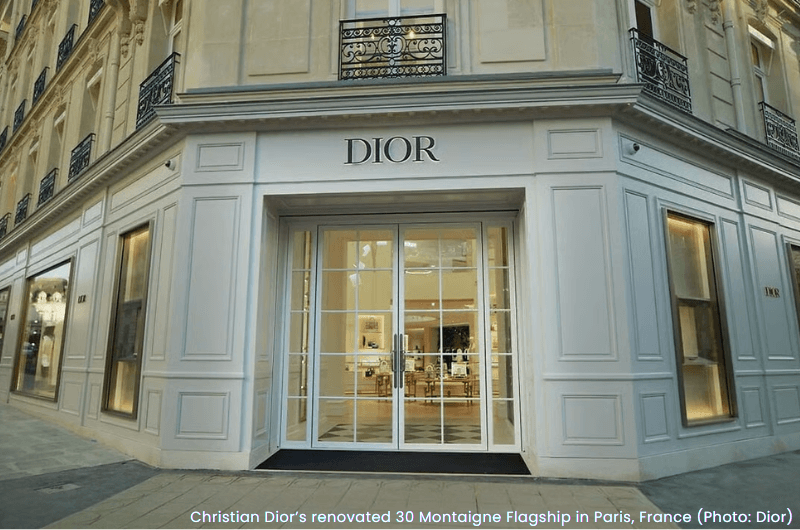
Luxury fashion just got its next big plot twist. In a historic move, Dior has tapped Jonathan Anderson to oversee all creative direction across its men’s, women’s, and couture divisions — a bold, sweeping appointment that hasn’t been seen since the legendary Christian Dior himself. Fashion insiders are calling it the biggest shakeup in high fashion since Phoebe Philo’s comeback — and perhaps the most ambitious creative consolidation in decades. Anderson, already hailed for his boundary-pushing tenure at Loewe and the cult-classic status of his namesake label JW Anderson, is known for challenging expectations while respecting heritage. At Dior, he inherits one of the most powerful fashion houses in the world — with the task of making it feel not just relevant, but revolutionary. Industry whispers suggest that Dior’s parent company, Moët Hennessy Louis Vuitton (commonly known as LVMH), is playing a bigger game than just a creative refresh. It’s a statement: that in an age where luxury needs to be fast-moving, future-focused, and editorially potent, a singular vision might just be the edge needed to lead. Anderson’s first full collection is already generating buzz, with rumors of experimental tailoring, dramatic silhouettes, and a reinvention of Dior’s classic codes. But beyond the runway, his leadership could set the tone for a new kind of creative power structure — one where fashion houses operate less like committees and more like auteur-driven film studios. For now, all eyes are on Paris — and one very sharp British designer who just became the most powerful man in fashion. The Author
Ulta Hits the Brakes on Target Store Expansion — Here’s What’s Really Going On
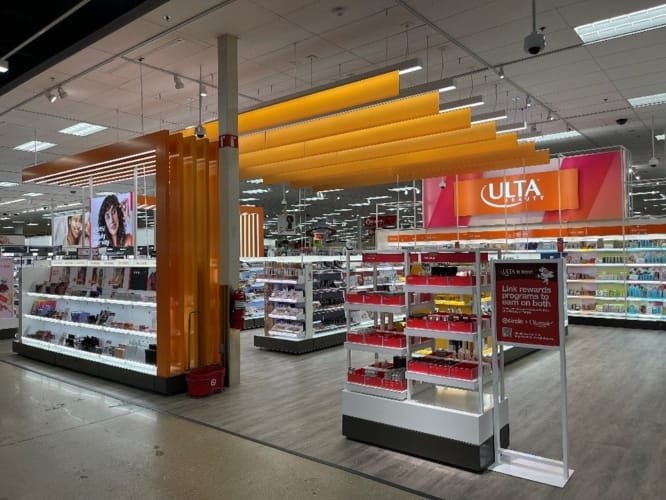
After a fast-paced rollout that brought Ulta Beauty to more than 600 Target locations across the U.S., the beauty giant is putting a pause on opening any new in-store shops — at least for now. Instead of chasing more square footage, Ulta says it’s going back to the drawing board to strengthen what’s already in place. Translation? The focus is shifting to boosting performance, refining customer experience, and making each location count. Why the Slowdown Matters This isn’t just a pause — it’s a pivot. In an era where brick-and-mortar retail is being redefined by smarter tech and evolving customer habits, Ulta’s move signals a shift in strategy: quality over quantity. With competitors like Sephora ramping up their own shop-in-shop experiences (hello, Kohl’s), it’s clear the beauty wars are still on — just playing out differently. For Ulta, the slowdown gives them time to analyze what’s working and what’s not in their partnership with Target, while avoiding overextending at a time when efficiency and experience matter more than ever. Zooming Out: The Bigger Retail Picture Retail experts see this as part of a larger trend. After several years of aggressive expansion across sectors, brands are being forced to fine-tune — tightening operations, improving margins, and doubling down on locations that actually drive results. In other words, this isn’t a retreat. It’s a recalibration. And in today’s hyper-competitive beauty space, slowing down might be the smartest power move of all. The Author