


Billions in New U.S. Investments Target Aerospace, Technology, and Manufacturing

A wave of newly announced investment commitments is directing billions of dollars toward aerospace, technology, manufacturing, and infrastructure projects in the United States. Leading the way is JetZero, which announced plans to invest $4.7 billion in next-generation aircraft development and production. The project is expected to expand manufacturing capabilities and support future innovation in the aerospace industry. Several other companies also unveiled new investments. Lunar Resources Inc. plans to commit $85 million to space-based technologies, while Nokia announced a $30 million investment in U.S. network infrastructure. Vulcaflex and Rideout Arsenal also revealed projects aimed at strengthening manufacturing and defense-related operations. Together, the announcements represent nearly $4.9 billion in planned investment across industries that are helping shape the future of the American economy. From aerospace and communications to advanced manufacturing and space technology, companies continue to expand in sectors expected to drive growth in the years ahead. Although many of the projects are still in the early stages, they could create jobs, increase production capacity, and encourage additional investment in the communities where they are built. For businesses and investors, the announcements are another sign that long-term confidence remains strong in industries focused on innovation, infrastructure, and next-generation technology.
$1.2 Billion Rare Earth Factory Planned for South Carolina
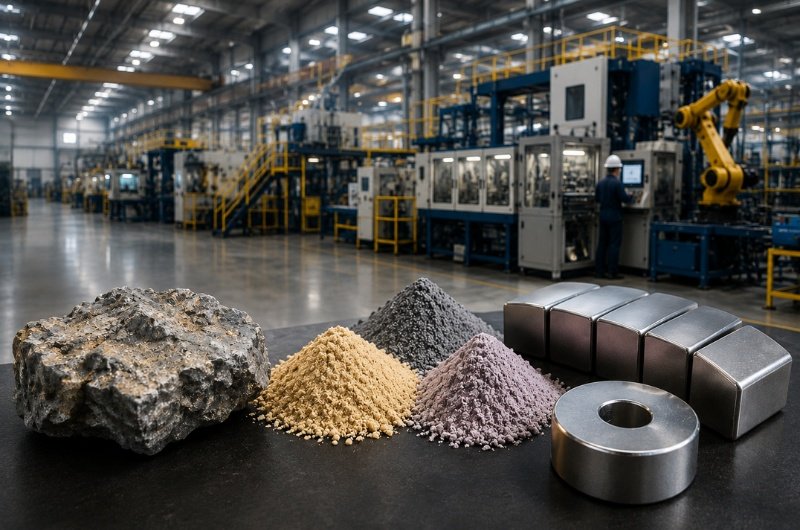
A major manufacturing investment is headed to South Carolina as USA Rare Earth announced plans to build a new rare earth metals and magnet manufacturing facility in Cherokee County, bringing approximately 490 jobs and a projected $1.2 billion investment to the region. The facility will be located at Bailey Park in Blacksburg and is expected to produce neodymium-iron-boron (NdFeB) permanent magnets and refined rare earth metals used in a wide range of advanced technologies. The project represents one of the largest manufacturing investments announced in South Carolina this year. Rare earth materials play a critical role in modern industry. They are used in electric vehicles, semiconductors, renewable energy systems, aerospace equipment, medical devices, advanced electronics, and defense technologies. As demand for these materials continues to grow, governments and manufacturers have been working to strengthen domestic supply chains and reduce reliance on overseas production. According to company officials, the new South Carolina operation will become a key part of USA Rare Earth’s expanding “mine-to-magnet” strategy, which aims to build a more complete rare earth manufacturing ecosystem within the United States. The facility is expected to complement the company’s existing operations while significantly increasing domestic production capacity. Construction activities are expected to begin in the coming months, with commissioning targeted for 2028. Once operational, the facility is expected to produce thousands of tons of rare earth magnets and metals annually, supporting industries ranging from defense and aerospace to artificial intelligence and energy infrastructure. The announcement comes as the United States continues to prioritize investments in critical minerals and advanced manufacturing. Rare earth elements have become increasingly important to economic competitiveness and national security, making domestic production a strategic focus for policymakers and businesses alike. The Readovia Lens The significance of this project extends far beyond South Carolina. Rare earth materials are essential components in many of the technologies driving the modern economy, from electric vehicles and renewable energy systems to AI infrastructure and defense equipment. As demand for advanced technologies accelerates, securing reliable domestic sources of critical materials has become a growing priority. Projects like this one highlight a broader trend of manufacturing investment returning to the United States as companies seek greater control over supply chains and production capacity in strategically important industries.
Costco’s Strong Quarter Highlights America’s Ongoing Search for Value
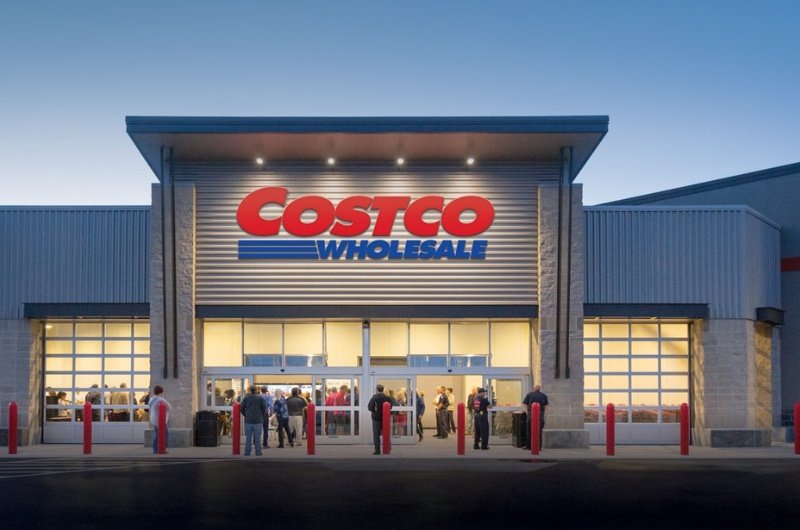
Costco’s latest earnings report offered a fresh look at how Americans are spending their money in 2026. The warehouse retailer reported quarterly revenue of approximately $70.5 billion, up roughly 12% from a year ago, as shoppers continued turning to bulk purchases, discounted fuel, and everyday essentials. The results suggest that even as economic conditions evolve, value remains a powerful force shaping consumer behavior. Behind the strong quarter is a trend that has become increasingly visible across the retail industry: consumers are still spending, but they are paying closer attention to value. Rather than eliminating purchases altogether, many households appear to be seeking out retailers that can help stretch their budgets further. For Costco, that strategy has long been central to its business model. Founded on a membership-based warehouse concept, Costco has built its reputation around offering quality merchandise at competitive prices. Today, the company operates hundreds of warehouse locations worldwide and serves millions of members who pay annual fees for access to its stores, services, and exclusive pricing. The model has helped create a loyal customer base that often returns for both necessities and discretionary purchases. The company’s continued growth may also reflect a broader shift in how consumers shop. Bulk buying, once associated primarily with large families and small businesses, has increasingly become part of mainstream household budgeting. As food, transportation, and everyday living costs remain important considerations for many Americans, warehouse clubs continue to offer an alternative to traditional retail shopping. While economic forecasts remain mixed, Costco’s latest quarter suggests that value-driven retailers remain well positioned. In an environment where consumers are carefully weighing every dollar, companies that can consistently deliver savings and convenience may continue to hold a competitive advantage.
Corporate America Is Quietly Rebuilding Around AI as Layoffs Continue

Corporate America’s race to adopt artificial intelligence is increasingly reshaping the workforce, as another wave of layoffs sweeps across major technology and business firms investing heavily in AI-driven operations and automation. Companies including Cloudflare, Meta, Amazon, and Coinbase have continued restructuring efforts in recent months while simultaneously expanding investments in artificial intelligence infrastructure, AI products, and operational efficiency initiatives. Executives across the industry are increasingly positioning AI as a long-term productivity engine capable of reducing costs and streamlining large portions of white-collar work. The shift is becoming more visible as businesses move beyond experimental AI projects and begin integrating the technology into customer service, software development, marketing, analytics, and internal operations. In many cases, companies say the goal is not simply replacing workers, but rebuilding workflows around faster and more automated systems. At the same time, the growing emphasis on AI efficiency is fueling broader concerns about the future of office jobs and the long-term stability of certain professional roles. Analysts say the transformation now underway could permanently alter hiring patterns across sectors that once appeared relatively insulated from automation pressure. While corporate leaders continue presenting AI as a tool for innovation and growth, the accelerating pace of restructuring is also reinforcing a new reality across corporate America: companies are increasingly treating AI as a central component of long-term corporate strategy.
Amazon Lands Major Meta Deal in New Race for AI Power

Meta has signed a major new agreement with Amazon Web Services, giving Amazon a high-profile win in the escalating fight to power the artificial intelligence era. The multiyear deal centers on Amazon’s custom Graviton chips and signals that, in the race for AI dominance, the spotlight is now on the infrastructure running behind it. The agreement calls for Meta to use tens of millions of Graviton processor cores over time, a massive scale that underscores how much computing power modern AI systems now require. For Amazon, the deal strengthens its position as both a cloud giant and a serious hardware player in a market long associated with specialized chipmakers. The broader significance goes beyond two companies. As AI demand surges, control of data centers, chips, and cloud capacity is becoming one of the most important power shifts in the global economy. The companies that provide the digital backbone may prove just as influential as the ones building consumer-facing AI products. The move also reflects a larger U.S. advantage in the worldwide AI contest. Many of the most important players in cloud computing, advanced chips, and frontier AI development remain American companies, giving the United States an outsized role in shaping how the next wave of technology unfolds. The Readovia Lens For readers and investors alike, the signal is clear: as the AI economy grows, the builders behind the scenes may become some of its biggest winners. Amazon may have just claimed a lion’s share of that future.
United Pitches American Airlines Deal That Could Redraw the Friendly Skies

United Airlines CEO Scott Kirby reportedly raised the idea of merging with American Airlines during discussions with Trump administration officials — a move that could dramatically reshape the U.S. airline industry if it ever advanced beyond the exploratory stage. No formal deal has been announced, and it remains unclear whether conversations moved beyond the concept itself. If such a merger were pursued, it would create one of the largest airlines in the world and significantly expand the combined carrier’s domestic and international reach. Supporters could argue scale matters in a global market where U.S. airlines compete with large foreign carriers on premium international routes. The timing is notable, as airline executives have also warned that rising fuel costs tied to Middle East tensions could eventually push fares higher and pressure profitability. But the political and regulatory obstacles would be enormous. U.S. airline consolidation has already reduced the field to a handful of dominant carriers, and any tie-up between two major legacy airlines would likely trigger fierce antitrust scrutiny over fares, routes, airport gates, and consumer choice. For travelers, the immediate impact is zero. Flights, loyalty programs, and schedules remain unchanged. Right now, this is a story about possibility. The Readovia Lens Even rumors of mega-mergers can move markets and shift expectations. For consumers, fewer competitors can mean less pricing pressure. For investors, bigger often sounds better — at least at first glance.
Access Risk: What Happens to Your Business If No One Can Log In?

There was a time when managing your life meant organizing a few key documents — a will, a bank account, an insurance policy, and maybe a safe deposit box. Today, life is digital. And for entrepreneurs and small business owners, that digital footprint is vast, complex, and often invisible to everyone else. But what happens if no one else can access it? It’s a growing issue that more professionals are beginning to recognize as access risk — the danger of critical accounts becoming unreachable when they’re needed most. From website hosting and payment processors to email platforms, social media accounts, and financial dashboards, the average business owner manages dozens of logins tied directly to their income and operations. But in the event of an emergency, many of those accounts could become inaccessible overnight — leaving loved ones locked out of critical systems with no clear path forward. The reality is simple: if no one else can access your accounts, your business can stall, your customers’ services can be disrupted, your income can stop, and your digital assets can be lost or mishandled. That’s why more professionals are beginning to treat their digital presence like any other asset — something that must be organized, documented, and responsibly shared. A secure list of accounts, usernames, and access instructions can make all the difference in a crisis, allowing a trusted person to step in, maintain operations, or properly close accounts if needed. This doesn’t mean writing passwords on a sticky note or leaving sensitive data exposed. Instead, it’s about creating a structured, secure system — whether through a password manager with emergency access features or a protected document stored in a safe location — that ensures continuity without compromising security. For entrepreneurs, this is a responsibility. The Readovia Lens The rise of digital life has quietly created a new category of risk: access risk. Businesses are still physical operations — but they are also networks of accounts, platforms, and credentials. Without a clear access plan, even a temporary disruption can create lasting damage. Smart, forward-thinking business operators are building systems that can continue without them — or be responsibly closed down in the case of an unexpected emergency.
Disney Enters a New Era as Josh D’Amaro Takes the Helm

The Walt Disney Company is entering a new chapter as Josh D’Amaro officially steps into the role of chief executive officer, succeeding longtime leader Bob Iger. The transition marks a pivotal moment for one of the world’s most influential entertainment companies. D’Amaro, a longtime Disney executive who previously led the company’s parks and experiences division, takes over at a time of both opportunity and pressure. While Disney’s global brand remains unmatched, the company faces growing competition in streaming, shifting consumer habits, and the broader impact of emerging technologies. Early signals suggest a focus on integration. D’Amaro has emphasized the importance of connecting Disney’s film, television, streaming, gaming, and theme park businesses more closely — a strategy designed to move faster and deliver more cohesive experiences across platforms. That approach reflects a broader effort to modernize Disney’s “flywheel,” where stories, products, and experiences reinforce one another in real time rather than across extended timelines. At the same time, D’Amaro inherits a complex landscape. Traditional television continues to decline, streaming competition remains intense, and the company must balance creative storytelling with financial performance. For Disney, the question is about execution. The company’s next phase will depend on how effectively it can align its vast portfolio and adapt to a rapidly changing media environment.
Global CEOs Shift From Expansion Mode to Risk Containment

Corporate strategy is undergoing a subtle but meaningful shift. After years of aggressive expansion, many global companies are now pivoting toward risk containment — tightening capital allocation, slowing hiring growth, and reinforcing balance sheets. The move reflects a more cautious economic outlook shaped by geopolitical volatility, higher borrowing costs, and shifting consumer behavior. Earnings reports this quarter reveal a common theme: disciplined spending and selective investment. Companies are prioritizing automation, efficiency, and core revenue drivers over splashy new ventures. AI adoption, in particular, is being framed less as experimentation and more as a cost-optimization tool. Investors appear to welcome the prudence. Markets have responded favorably to firms demonstrating operational discipline rather than ambitious overreach. The tone of corporate leadership has changed. The focus is no longer growth at all costs — it’s resilience.
Washington Post Begins Major Layoffs, Reshapes Newsroom Operations

The Washington Post has begun a significant round of layoffs that will reshape large parts of its newsroom, signaling one of the most consequential restructurings in the paper’s modern history. Staff were informed this week that job cuts would affect multiple departments, including the elimination of the paper’s sports desk, the closure of its Books section, and reductions in international reporting. Employees were notified through internal meetings and follow-up communications outlining the scope of the changes. Leadership described the layoffs as part of a broader effort to reduce costs and reposition the organization amid ongoing financial pressures. In addition to newsroom cuts, the paper is suspending its daily news podcast and reorganizing elements of its local and national coverage. While the total number of positions eliminated has not been publicly disclosed, the reductions are expected to impact a substantial portion of the newsroom. Several long-standing editorial sections central to the paper’s identity will no longer operate in their current form. The Readovia Lens The Washington Post’s decision to implement large-scale layoffs and dismantle several core newsroom sections underscores the deep challenges facing legacy media organizations as they contend with declining advertising revenue, shifting reader habits, and intensified competition in the digital news landscape. The restructuring marks a notable moment in the broader transformation of the U.S. media industry.