


Many Americans Feel Financially Squeezed as Everyday Costs Weigh on Household Budgets

As 2026 gets underway, many Americans say their personal finances feel increasingly strained, even as broader economic indicators suggest stability. Consumer confidence has softened in recent months, reflecting growing concern about rising living costs, job security, and the challenge of keeping household budgets balanced. For many families, the pressure isn’t tied to one single expense, but to the accumulation of everyday costs. Groceries, utilities, rent, insurance, and healthcare continue to take up a larger share of monthly income, leaving less room for savings or discretionary spending. While inflation has cooled from earlier highs, prices for essentials remain elevated compared with just a few years ago. Credit is also playing a bigger role in household finances. More consumers are relying on credit cards and short-term borrowing to manage routine expenses, not just major purchases. At the same time, fixed monthly obligations — including housing, transportation, and medical bills — are consuming a growing portion of take-home pay. Savings remain a weak spot for many households. Financial planners often point to emergency funds as a key buffer against unexpected costs, yet a significant number of Americans say they do not have enough set aside to comfortably handle a sudden expense. Without that cushion, even modest financial surprises can quickly create stress. The result is a financial landscape where many Americans feel less secure than headline economic numbers might suggest. For households managing tight budgets, the combination of higher costs, limited savings, and ongoing uncertainty continues to shape how people spend, save, and plan for the future. This one is very strong for American Wallet — timely, relatable, and evergreen. When you’re ready, we can: lock in the headline & meta description, or move straight into the Technology story to fully wrap the day. You’re finishing this lineup cleanly and confidently.
Credit Scores Explained: What Really Affects Your Score — and What Doesn’t

Credit scores play a central role in many financial decisions, from qualifying for a mortgage to securing favorable interest rates on loans and credit cards. Yet despite their importance, many consumers still misunderstand what actually influences their score — and what doesn’t. Here’s a clear breakdown of what truly matters when it comes to your credit score, and where common myths often lead people astray. What Really Impacts Your Credit Score Payment history remains the single most important factor in determining a credit score. Paying bills on time, every time, carries more weight than almost any other behavior. Even one missed payment can have a noticeable impact, especially if it becomes delinquent. Credit utilization is another major driver. This refers to how much of your available credit you’re using. High balances relative to your credit limits can signal risk to lenders, even if payments are made on time. As a general rule, using 30% or less of your available credit is often considered healthy, and keeping balances low relative to limits generally supports a stronger score. The length of your credit history also matters. Older accounts help demonstrate stability, which is why closing long-standing credit cards can sometimes do more harm than good. What Has Less Impact Than People Think Checking your own credit score does not hurt it. Soft inquiries, including those made when you review your own credit or receive pre-approval offers, have no impact on your score. Income level is also not a factor in credit scoring. While income may be considered by lenders during an application, it does not directly affect your credit score itself. Carrying a balance month to month is another common misconception. You do not need to pay interest to build credit. Paying your statement balance in full can still demonstrate responsible usage without incurring extra costs. Why Credit Scores Matter for Big Financial Decisions Credit scores influence the interest rates you’re offered, which directly affects long-term costs. A higher score can mean lower monthly payments and significant savings over time, especially for major loans like mortgages. Even modest improvements can make a meaningful difference. Understanding how scores work — and focusing on the factors that truly matter — is often more effective than chasing quick fixes. How to Strengthen Your Credit Over Time Improving a credit score is typically about consistency rather than speed. Paying bills on time, keeping balances manageable, avoiding unnecessary new credit, and maintaining older accounts can steadily strengthen your profile. It’s also important to remember that credit scores change over time. Short-term fluctuations are normal, and long-term habits matter far more than any single action. The Bottom Line Credit scores aren’t mysterious, but they are often misunderstood. Focusing on payment history, responsible credit usage, and long-term consistency can do far more for your score than reacting to myths or short-term swings. For consumers planning major financial moves — such as buying a home or refinancing debt — understanding how credit really works is one of the most practical financial tools available.
Markets Steady as Investors Weigh Global Signals From Davos

U.S. markets showed cautious stability as investors digested a wave of global economic signals emerging from the World Economic Forum in Davos, Switzerland, with attention focused on trade policy, geopolitical tensions, and the direction of major economies in 2026. Stocks moved modestly as traders balanced optimism around U.S. economic resilience against uncertainty tied to international relations and global growth. Safe-haven assets, including gold, continued to draw interest, reflecting a measured level of investor caution as world leaders outlined competing economic visions. Comments from global officials reinforced concerns about uneven growth across key regions, particularly in Europe, while U.S. policy signals emphasized domestic production, energy independence, and trade leverage as central pillars of economic strategy. Market analysts say investors are entering a period of recalibration, watching closely for signs that rhetoric from Davos will translate into concrete policy actions in the weeks ahead. Volatility remains possible as governments, central banks, and corporations respond to shifting global priorities. The Readovia Lens Early reactions from markets underscore how sensitive investor sentiment remains to political and economic signals. As leaders outline competing paths forward, markets are signaling a desire for clarity, stability, and follow-through — themes likely to define the economic narrative of 2026.
Gold Climbs to Record Highs as Investors Seek Stability

Gold prices climbed to new record levels on Wednesday, extending a rally driven by rising investor demand for safe-haven assets as markets weigh geopolitical tensions, shifting trade dynamics, and global economic uncertainty. The move higher comes as investors reassess risk following a series of high-profile global developments, including policy signals emerging from international leaders and ongoing concerns about economic direction in key regions. Gold, long viewed as a store of value during periods of instability, has benefited as markets look for protection against volatility. Analysts note that the rally reflects a broader recalibration underway across financial markets. While equities have shown mixed performance, demand for defensive assets has strengthened, suggesting investors are positioning cautiously as 2026 unfolds. Currency movements and uncertainty around future policy decisions have further supported interest in precious metals. Gold’s rise has been steady rather than abrupt, reinforcing the view that the move is rooted in longer-term sentiment rather than short-term speculation. Market participants are closely watching whether safe-haven demand remains elevated or begins to ease if global conditions stabilize. The Readovia Lens Gold’s surge to record highs highlights how uncertainty continues to shape investor behavior. As political and economic signals evolve, markets are signaling a preference for stability and resilience — a theme that may remain central as investors navigate the months ahead.
Markets, Rates, and Prices: What to Watch After Today’s White House Briefing

During today’s White House press briefing, President Donald Trump reviewed his administration’s 2025 accomplishments, highlighting progress on inflation, trade, taxes, drug pricing, manufacturing, and border security. For markets and households alike, the focus now shifts from the review itself to how — and when — these priorities translate into real financial outcomes. Here’s what matters most for consumers after today’s briefing. Inflation: How Markets and Households Interpret the Signal During the briefing, the president said, “There’s no inflation. There’s very little inflation.” Inflation has eased from earlier peaks, and recent data shows price growth slowing across several categories. At the same time, many households continue to feel pressure from higher prices compared to prior years, particularly for essentials such as housing, insurance, food, and utilities. In situations like this, markets tend to focus less on individual characterizations and more on how inflation trends evolve over time. Upcoming economic reports, wage data, and Federal Reserve commentary will play a central role in shaping expectations around interest rates and borrowing costs. Trade and Manufacturing: Big Numbers, Longer Timelines The president also pointed to a 62% reduction in the trade deficit and said that “next year we won’t have a trade deficit.” He highlighted domestic manufacturing activity, noting that “we have more plants being built than at any time in our country.” If sustained, changes in trade balances and manufacturing investment could support job growth and supply stability. For consumers, however, these shifts typically take time to influence wages, prices, and overall cost of living. Markets will look to future trade data releases and corporate earnings for confirmation. Drug Prices: A Direct Pocketbook Issue One of the most tangible topics addressed involved prescription drug costs. The president said drug prices had been slashed and would fall “more than ever before,” citing significant price differences between the U.S. and other countries. Lower drug prices would provide direct relief for millions of Americans, particularly seniors and those managing chronic conditions. For now, consumers should watch for policy details, implementation timelines, and how insurers and pharmacies respond before expecting meaningful changes at the pharmacy counter. Taxes and Take-Home Pay The briefing also highlighted what the president described as “the largest tax cuts in history,” including proposals for no tax on tips, no tax on Social Security, and no tax on overtime. If enacted and sustained, such measures could increase take-home pay for certain workers and retirees. Markets and households alike will be watching legislative progress, fiscal implications, and how these proposals interact with federal revenues and deficits. Deficits, Borders, and Broader Economic Signals The president also said the federal budget deficit was reduced by 27% in a single year and emphasized border security, stating that “for the last eight months, nobody came into our country illegally.” While these statements speak to broader policy priorities and confidence signals, financial markets tend to respond most directly to official fiscal data, government borrowing needs, and economic indicators over time. What Consumers Should Watch Next Rather than reacting immediately to political messaging, financially focused readers may want to keep an eye on the following indicators, that typically shape real-world financial outcomes more than any single briefing. Upcoming inflation and jobs reports Federal Reserve signals on interest rates Mortgage, credit card, and savings rate trends Legislative progress tied to tax and drug-pricing proposals The Bottom Line White House briefings can influence expectations, but household finances move on data, policy execution, and time. For consumers, the most practical approach is to stay informed, avoid overreaction, and focus on financial decisions within their control as broader economic signals continue to unfold.
Fixed vs. Adjustable-Rate Mortgages: Why Fixed Loans Are the Safest Bet for Most Buyers

Buying a home is one of the largest financial decisions most people will ever make. Yet one of the most important choices buyers face — fixed-rate versus adjustable-rate mortgages — is often misunderstood or rushed through during the excitement of house hunting. While adjustable-rate mortgages (ARMs) can look appealing at first glance, fixed-rate mortgages remain the safest and most predictable option for the vast majority of homebuyers. Here’s why. The Key Difference, Explained Simply A fixed-rate mortgage locks in your interest rate for the life of the loan. Your monthly principal and interest payment never changes, regardless of what happens in the broader economy. An adjustable-rate mortgage, on the other hand, starts with a lower introductory rate for a set period — often five, seven, or ten years — before adjusting periodically based on market conditions. Once that adjustment period begins, your payment can rise significantly. On paper, ARMs can look cheaper. In real life, they often introduce risk that many homeowners are unprepared for. Why Predictability Matters More Than a Low Introductory Rate Housing costs don’t exist in a vacuum. Property taxes rise. Insurance premiums increase. Maintenance costs are unpredictable. A fixed-rate mortgage removes at least one major variable from the equation. With a fixed loan: Your interest rate stays the same Your principal and interest payment remain stable Budgeting becomes easier Long-term planning is clearer Worth Noting If your property taxes and homeowners insurance are rolled into your monthly mortgage payment through an escrow account, that total payment can still increase over time. This typically happens when taxes or insurance premiums rise — not because your mortgage rate has changed. Even so, locking in a fixed interest rate protects the largest and most volatile portion of your housing cost, which is why fixed-rate loans continue to offer greater peace of mind for most buyers. The Hidden Risk of Adjustable-Rate Mortgages ARMs are often marketed with the promise that homeowners can refinance before the rate adjusts. But refinancing is never guaranteed. It depends on: Interest rate conditions Home values Credit scores Income stability Is Refinancing Guaranteed? If rates rise sharply or a borrower’s financial situation changes, refinancing may not be possible — leaving homeowners exposed to higher payments at exactly the wrong time. In many cases, ARM borrowers are betting on the future. Fixed-rate borrowers are planning for it. When an Adjustable Rate Might Make Sense There are limited situations where an ARM can be reasonable. These include: Buyers who are certain they will sell within a short time frame Households with significant financial buffers Investors using short-term financing strategies Weighing In Even if an ARM appears feasible, the risks should be clearly understood. For most families planning to stay in their homes for years, the potential downside often outweighs the initial savings. The Bottom Line A fixed-rate mortgage isn’t about chasing the lowest possible payment today. It’s about protecting yourself from uncertainty tomorrow. For buyers who value stability, long-term planning, and peace of mind — especially first-time homeowners — fixed-rate mortgages remain the safest and most responsible choice.
7 Quiet Money Moves Americans Are Making in 2026

While headlines often spotlight market swings, rate speculation, and headline-grabbing trends, many Americans are making quieter financial adjustments in 2026 — moves that don’t draw attention but may prove far more consequential over time. 1. Moving idle cash into accounts that actually earn Rather than letting money sit in low-interest checking accounts, more Americans are shifting cash into modern savings and cash-management options that generate meaningful returns while remaining accessible. This includes money-market accounts, certificates of deposit, and app-based tools such as Cash App’s savings feature, which currently offers a 3.25% yield. These quiet optimizations can add up without adding complexity. 2. Parking cash more intentionally Instead of constantly chasing the highest advertised yield, savers are prioritizing stability and simplicity. Fewer accounts, clearer access to funds, and predictable returns are increasingly valued as uncertainty around rate cuts and economic direction lingers. 3. Trimming expenses without formal “budgeting” Rather than rigid budgets, households are cutting recurring costs that quietly piled up over the years. Subscription clean-ups, fewer impulse purchases, and more mindful spending habits are becoming routine — even among higher earners. 4. Staying put in housing With home prices still elevated and mortgage rates easing unevenly, many homeowners are choosing patience over movement. Renovations, refinancing strategies, and long-term planning are replacing the once-common urge to upgrade quickly. 5. Reframing side income as protection, not identity Side hustles remain widespread, but the motivation behind them is shifting. Extra income is increasingly viewed as a financial cushion rather than a lifestyle badge. Instead of chasing constant growth, many are using side income to offset inflation, strengthen savings, or create flexibility — without turning every spare hour into a second career. 6. Rebuilding emergency funds with renewed urgency Emergency savings have re-entered the financial spotlight. Surveys show Americans heading into 2026 with a renewed focus on cash buffers, often using automation and higher-yield savings tools to rebuild financial resilience after several volatile years. 7. Treating debt reduction and credit health as strategy With credit card rates still elevated, paying down high-interest debt has become a proactive financial move rather than a reactive one. Improving credit scores, lowering balances, and strengthening borrowing profiles are increasingly seen as long-term investments in financial flexibility. The Wallet Perspective None of these moves feel dramatic — and that’s the point. In 2026, financial confidence is being built less through bold bets and more through restraint, structure, and intention. Americans aren’t abandoning ambition; they’re just giving it a seatbelt. Instead of chasing short-term wins, many are quietly building foundations sturdy enough to handle whatever comes next — without needing to check the market every five minutes.
Household Budgets Tighten as Everyday Costs Continue to Outpace Wage Growth

For many American households, the pressure on monthly budgets is no longer coming from one big expense, but from a steady accumulation of higher everyday costs. Groceries, utilities, insurance, and basic services continue to rise, leaving families with less flexibility even as inflation cools in headline numbers. Consumers report that routine purchases now require more planning, with many cutting back on discretionary spending to absorb higher essentials. Items once considered stable parts of a household budget—such as food staples and home utilities—have become less predictable, forcing families to rework spending priorities month by month. While wages have increased in some sectors, they have not kept pace with the cumulative impact of ongoing price increases. Financial planners note that this imbalance is pushing more households to rely on budgeting tools, short-term savings strategies, and stricter spending controls just to maintain stability. Retailers and service providers are also adjusting, offering smaller package sizes, subscription pricing, and targeted discounts as consumers become more price-sensitive. The shift signals a broader change in spending behavior, with value and necessity outweighing convenience and brand loyalty. As 2026 unfolds, the American wallet is being shaped less by economic headlines and more by lived experience—where managing everyday costs has become a central financial skill rather than an occasional concern.
Tax Season 2026: What’s Changing for Your 2025 Return
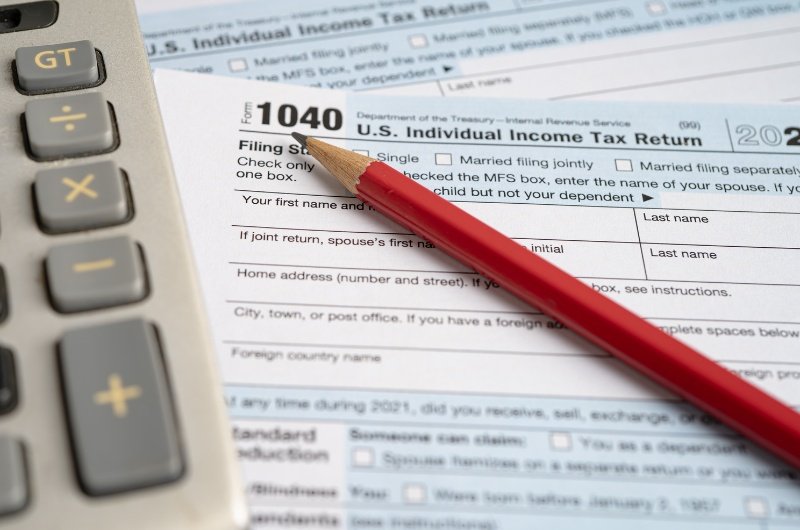
Tax season is arriving with a clear message from Washington: the government wants refunds and payments moving faster, safer, and more digitally than ever. For Americans filing 2025 tax returns in 2026, several updates stand out—not because they’re complicated, but because they change what “normal” looks like when you’re expecting a refund or planning deductions. The biggest operational shift is how refunds are delivered—and it’s coming straight from the top. An Executive Order signed by Donald Trump directs federal agencies to modernize payments to and from Americans by moving away from paper-based systems. In line with that order, the IRS is phasing out paper refund checks for individual taxpayers, steering filers toward direct deposit and other electronic payment methods designed to reduce fraud, delays, and administrative costs. Policy changes are also landing just as millions of households file. One of the most notable is a new deduction for car loan interest introduced under the One Big Beautiful Bill (OB3). Treasury and IRS guidance outlines a deduction that may apply even if you take the standard deduction, potentially benefiting taxpayers who purchased eligible new, made-in-America vehicles in 2025—subject to income limits and other qualifications. Even the basics have shifted. For the 2025 tax year, the standard deduction is higher across all filing statuses, and eligible seniors may qualify for an additional deduction under new rules. These changes mean taxable income calculations could look different for many filers before credits and other deductions are even factored in. The practical takeaway is simple: if you expect a refund, now is the time to ensure your electronic payment information is up to date. And if you made major financial decisions in 2025—such as buying a vehicle or transitioning into retirement—it’s worth taking a closer look at what you may newly qualify for. This tax season isn’t just about filing—it’s about adapting to a system that’s rapidly going digital.
The One Question Entrepreneurs and Side Hustlers Can’t Afford to Ignore in 2026

Entrepreneurs and side-hustlers don’t usually struggle with effort. They struggle with alignment. Days fill quickly with planning, posting, refining, researching, and building — yet the financial results don’t always reflect the work being done. Busy days can still end without progress where it matters most. The issue isn’t ambition or discipline. It’s that too much work never actually touches revenue. Tasks feel productive, but they don’t move money. Over time, that disconnect creates frustration, burnout, and the sense that something isn’t working — even when effort is constant. One question helps cut through that noise: how does today’s work connect to revenue? Not eventually. Not after everything is perfect. Today. When that question becomes part of daily decision-making, priorities shift. Work becomes more intentional. Time is spent differently. Revenue-connected work doesn’t always mean selling directly. It can mean pitching, following up, improving a conversion point, promoting something already built, onboarding a client, or refining a monetized page. The common thread is simple: the action creates a clear path between effort and income. The power of this approach compounds over time. One revenue-focused action per day may feel small, but over the course of a year, it adds up to 365 intentional actions tied directly to earning. Imagine that. Few businesses fail because they didn’t work hard enough. Many stall because too few days were spent doing work that actually moved money. Consistency in the right direction beats intensity without focus — every time. The Takeaway Before the day ends, ask one question: How did today’s work connect to revenue? Then make sure at least one action answers it clearly. Progress isn’t built all at once. It’s built daily — one intentional, revenue-connected task at a time. ——————– Recommended: The Skills That Will Matter More Than Capital in 2026