

China’s ‘Embodied AI’ Revolution: Humanoid Robots and Drones Reshape Daily Life

China is accelerating its use of “embodied AI”—real-world robots and drones powered by artificial intelligence—to transform daily life. In major cities like Shenzhen, food deliveries by autonomous drones have become increasingly common, while humanoid robots are showing up at tech expos, shopping centers, and even assisting with customer service. The AI momentum kicked into high gear thanks to homegrown models like DeepSeek’s R1, which rival global leaders despite running on less sophisticated chips. This success is fueling a push for open-source development, drawing global attention to China’s growing AI ecosystem. Shenzhen is at the heart of this wave. The city is fast becoming China’s AI capital, with strong government support, relaxed regulations, and booming innovation from both startups and tech giants. Robots—both humanlike and wheeled—are being tested in real-world settings, from logistics centers to care facilities. While some of the flashier robots are still working through mobility and coordination issues, the country is pressing ahead with its plans. Government funding is flowing into tech development as a strategic pivot away from weakening sectors like real estate and exports. There’s also been a shift in tone from China’s leadership. Recent signals from the top suggest a renewed embrace of tech entrepreneurship, after years of tightened control. That green light is giving innovators the confidence—and the runway—to dream even bigger.
RFK Jr. Moves to Ban Artificial Food Dyes Nationwide

In a bold move, Health and Human Services Secretary Robert F. Kennedy Jr. announced plans to eliminate eight remaining synthetic food dyes from the U.S. food supply within two years. The initiative follows a recent federal decision to ban Red No. 3, a dye linked to cancer in animal studies, with its removal from foods expected by 2027 and from medications by 2028. The targeted dyes are commonly found in products like cereals, ice cream, snacks, and yogurts. Kennedy’s plan aims to replace these additives with natural alternatives, although the details of enforcement are still being developed. This federal push aligns with actions already taken at the state level. California and West Virginia have passed laws banning certain food dyes in school meals, with West Virginia’s restrictions set to take effect this August. Meanwhile, at least 26 other states are considering similar measures. Although the evidence connecting synthetic dyes to serious health risks in humans remains inconclusive, studies have shown links to behavioral issues in children and cancer in animals. Kennedy’s proposal reflects a growing movement toward transparency in food labeling and a stronger focus on public health.
Is Cardinal Kevin Farrell The Likely Successor to Pope Francis?

As the Catholic Church mourns the passing of Pope Francis, attention is turning to the future leadership of the Vatican. With the world still processing the loss of the beloved Pope, speculation has begun swirling around Cardinal Kevin Joseph Farrell as a potential successor to lead the global faith. Farrell, a seasoned and respected figure within the Church, is often mentioned as one of the frontrunners to assume the papacy. Currently serving as the Prefect of the Dicastery for Laity, Family, and Life, Farrell has long been an advocate for reform, social justice, and inclusivity, aligning with many of the values that Pope Francis championed throughout his papacy. A Steady Hand in Times of Change Following Pope Francis’s passing, Cardinal Kevin Farrell has been appointed to serve as the interim manager of the Catholic Church, overseeing day-to-day operations until a new pope is elected. The temporary appointment speaks to the Vatican’s trust in his leadership during a period of mourning and transition. Farrell has spent much of his career emphasizing the importance of the laity’s role in the Church, advocating for a more inclusive approach to Catholic life. His leadership has focused on strengthening family life, supporting youth programs, and encouraging greater engagement between the Church and modern society. Farrell’s background as an experienced leader, especially in managing diverse global communities, positions him as a strong candidate to guide the Church through a period of reflection and renewal. Farrell’s candidacy for the papacy also reflects the Church’s need for a steady hand in times of upheaval. Following Pope Francis’s transformative reign, the Church is now looking for a leader who can continue his legacy of compassion and progress, while also fostering unity in the face of challenges from both within and outside the faith. A Unique Moment for the Catholic Church Though Farrell’s rise to power would be historic in many ways, including his role as an American-born cardinal, the global Catholic community remains divided on who would be the best fit for the papacy. As the College of Cardinals prepares to meet and vote on the next pope, all eyes will be on Farrell as one of the leading contenders to take on the immense responsibility of leading the Catholic Church. While no official announcement has been made regarding a successor, the conversation around Cardinal Kevin Farrell’s future as the next Pope reflects the critical moment of transition the Church is currently navigating. As the world watches, the next few days will be crucial in determining who will inherit the mantle of Pope Francis and shape the direction of the Church for generations to come.
Farewell to Pope Francis: Global Mourning as the Pope Passes Away at 88

Pope Francis, the 266th leader of the Roman Catholic Church and a transformative figure in modern Catholicism, passed away on Easter Monday, April 21, 2025, at the age of 88. He died at 7:35 a.m. local time in his residence at the Vatican’s Casa Santa Marta. The Vatican confirmed that his death resulted from a stroke, which led to a coma and irreversible cardiocirculatory collapse. Born Jorge Mario Bergoglio in Buenos Aires, Argentina, Pope Francis made history in 2013 as the first Jesuit pope, the first from the Americas, and the first non-European pontiff in over a millennium. His papacy was marked by a commitment to humility, inclusivity, and social justice. He was known for his progressive stances, including support for same-sex civil unions, environmental advocacy, and efforts to address the clerical sex abuse crisis. Despite facing health challenges in recent years, including a hospitalization for double pneumonia, Pope Francis remained active in his duties. He delivered his final public appearance during Easter celebrations, offering his traditional “Urbi et Orbi” blessing from a wheelchair. Following his death, the Vatican has initiated the traditional protocols for a papal transition. According to Church law, a conclave to elect the next pope is expected to convene between May 6 and May 11, 2025, unless all cardinal electors arrive in Rome sooner. In accordance with his wishes, Pope Francis will be buried in the Basilica of Santa Maria Maggiore in Rome, making him the first pope to be interred outside the Vatican since Pope Leo XIII in 1903.
Apple in the Hot Seat: DOJ Sues Tech Giant Over Alleged Monopolistic Moves

Apple, long admired for its sleek tech and loyal customer base, is now facing serious heat from the U.S. Department of Justice (DOJ). In a lawsuit filed earlier this spring, the DOJ accused the iPhone maker of unfairly blocking competition and locking consumers into its products in ways that go far beyond the usual brand loyalty. According to the suit, Apple has carefully crafted a “walled garden” that makes it difficult — and sometimes impossible — for rivals to compete. Whether it’s the green bubbles of non-iMessage users, limited smartwatch compatibility, or hurdles faced by third-party digital wallet services, the government says Apple is using its dominance not just to innovate, but to isolate. What’s at Stake At the heart of the lawsuit is a question: Has Apple crossed the line from innovation to domination? The DOJ argues that Apple’s control over iPhone software and hardware gives it the power to stifle competition, limit consumer choice, and ultimately keep prices high. They cite issues such as: iMessage exclusivity, which makes communication between iPhone and Android users less seamless. Limited access for third-party smartwatches, nudging consumers toward Apple Watches. Restrictions on digital wallets, which favor Apple Pay over others. If successful, the lawsuit could reshape how Apple designs and shares its tech — and even how its ecosystem works. It might also set a precedent for how other Big Tech companies operate. Apple’s Response? It’s Business as Usual – For Now Apple has pushed back, saying its ecosystem is built for privacy, security, and user experience — not control. The company warns that changes could weaken those protections and harm the very customers the DOJ says it’s trying to help. As of now, Apple continues to develop new devices and roll out software updates as usual, staying quiet about how this case might change the future.
Netflix Dodges the Drama: Trump’s Tariff Moves Won’t Kill the Vibe

Netflix isn’t sweating over Donald Trump’s proposed tariffs — and for good reason. The streaming giant isn’t slowing down — in fact, it’s thriving. With more than 300 million subscribers worldwide, Netflix continues to dominate the streaming landscape. The company started 2025 on a high note, adding a record-breaking 18.9 million new subscribers in the final quarter of 2024. Much of that momentum is translating directly to the bottom line. Netflix said its better-than-expected revenue was fueled by stronger-than-forecast growth in both subscriptions and ad dollars. Back in January, Netflix bumped up prices across all tiers — its standard plan now costs $17.99 a month, the ad-supported tier is $7.99, and the premium plan jumped to $24.99. Despite the increases, subscriber growth remained robust, signaling that loyal viewers are still willing to pay for top-tier content. This latest earnings report also marks a strategic shift. For the first time, Netflix opted to not disclose its quarterly subscriber numbers — a move signaling a transition in how the company measures success. Instead, Netflix says it will emphasize revenue, engagement, and other financial metrics moving forward. The state of Netflix is strong. Even in the face of shifting political winds and economic uncertainty, Netflix is making one thing clear: the binge is far from over.
Trump to Terminate IRS Direct File Program, Sources Say

The IRS Direct File program — a first-of-its-kind system allowing Americans to file their federal taxes directly with the agency, for free — is on the chopping block. According to sources familiar with the decision, the Trump administration plans to scrap the service, halting what had been hailed by some as a transformative step toward simpler, no-cost tax filing. An Experiment in Easy Filing Launched as a pilot in early 2024, the IRS Direct File program was available to select users in 12 states. It allowed eligible taxpayers with straightforward returns — mainly W-2 earners — to bypass third-party software and file directly with the federal government, entirely online and entirely free. The tool had been praised by public interest groups and lawmakers who have long called for more equitable tax filing options. For many who used it, the program worked — it was simple, intuitive, and didn’t try to upsell users or hide costs behind fine print. More than 140,000 taxpayers reportedly used the pilot service this season. Trump Admin Pulls the Plug Despite positive early feedback, President Donald Trump’s administration has made the decision to end the program, sources close to the matter confirmed. Though no formal announcement has been made, the move is expected to be finalized in the coming weeks. While the White House has yet to publicly justify the cancellation, the move lines up with longstanding opposition from tax preparation companies that have spent years lobbying against government-run alternatives. The IRS offering a free, no-frills service poses a direct threat to the private tax prep industry — an industry that profits handsomely from the complexity of the U.S. tax code. The Trump administration’s critics are already crying foul, claiming the decision prioritizes corporate interests over taxpayer convenience. “Free to File” — But Not for Long? Democratic lawmakers and consumer advocates have urged the administration to reconsider. “This is about giving Americans a fair and free way to file their taxes — not letting corporate lobbyists dictate federal policy,” said one congressional aide who requested anonymity. For now, the IRS has remained silent on the future of the program. A formal statement is expected once the administration finalizes its decision. What This Means for Taxpayers If the Direct File system is shut down, taxpayers in future years will be left with the usual set of options: use private software, hire a preparer, or navigate the complex forms on their own — none of which guarantee a free or painless experience. For those who saw Direct File as a long-overdue modernization of the tax system, this could mark a disappointing turn backward. The pilot showed what was possible. But politics may end the experiment before it ever truly begins. The Author
It’s Tax Day: How to File (or Extend) Before It’s Too Late

It’s Tax Day — the final buzzer for filing your 2024 federal tax return If you’re one of the millions who waited until the last minute, you’re not alone. According to the IRS, more than 19 million taxpayers typically file in the final week — and this year is no different. What happens if you miss the deadline? If you don’t file today, you could be hit with penalties and interest — unless you file for an extension by midnight. That gives you until October 15 to submit your return, but it doesn’t extend your payment deadline. If you owe money, the meter starts running now. How to file for an extension The easiest way? Submit IRS Form 4868 electronically through tax software like TurboTax or IRS Free File. It only takes a few minutes. Refund wait times are reasonable – so far. The IRS says the average refund this year is just over $3,000 — slightly higher than 2023. And if you’ve already filed? Most refunds are being processed within 21 days. Need last-minute help? The IRS website (IRS.gov) is open 24/7.
Home Improvement on Hold: Why Americans Are Rethinking Big Renovations in 2025

In 2025, many Americans are pressing pause on major home renovation projects. Economic uncertainties and high interest rates are leading homeowners to reconsider big-ticket upgrades like kitchen remodels and bathroom overhauls. Home Depot, a leading home improvement retailer, has observed this shift firsthand. The company reports that customers are postponing large-scale projects, citing the current economic climate and elevated borrowing costs as primary concerns. While some homeowners are still engaging in home improvement activities, there’s a noticeable trend toward smaller, budget-friendly DIY projects. The housing market’s stagnation also plays a role. With many homeowners locked into low mortgage rates from previous years, there’s less incentive to invest in significant renovations, especially when moving or refinancing isn’t on the horizon. Despite these challenges, the desire to enhance living spaces remains strong. Homeowners are finding creative ways to refresh their homes without breaking the bank, focusing on cost-effective updates and leveraging flexible financing options when necessary. As the economic landscape evolves, so too will home improvement trends. For now, the emphasis is on thoughtful, strategic upgrades that balance aspiration with affordability.
Milk, Moo, and Mutation? CDC Flags Bird Flu Concerns in Dairy Cows
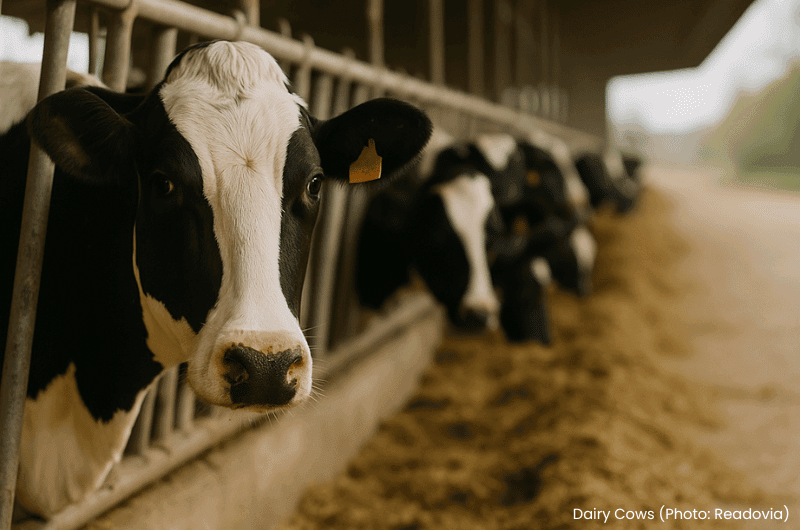
(Updated April 17, 2025) CDC warns of bird flu cases in dairy cows: what you need to know A new alert from the Centers for Disease Control and Prevention (CDC) has spotlighted an unexpected twist in this year’s flu season: bird flu cases in American dairy cows. A multistate outbreak of bird flu in dairy cows was first reported on March 25, 2024, marking the first time that the bird flu virus has been found in cows. Yes, you read that right. Cows. The virus in question, H5N1, is typically associated with avian populations. But recently, several U.S. dairy herds have tested positive for the virus, raising new questions about animal-to-animal transmission and, potentially, human exposure. So far, 17 states have confirmed outbreaks, and 1021 dairy herds have been affected. One human in Texas has been infected in connection to these new outbreaks. But the CDC assures the public that the milk supply remains safe — thanks to pasteurization, which kills viruses like H5N1. But the agency is urging heightened monitoring and better biosecurity on farms. “This is a wake-up call for both the agriculture and public health sectors,” said Dr. Linda Frederick, a CDC spokesperson. “Cross-species transmission is always a red flag, especially when it involves animals central to our food system.” The cases were first reported in Texas and have since popped up in other states including Kansas, New Mexico, and Idaho. The USDA has begun testing additional herds and is urging farmers to report any unusual symptoms or sudden drops in milk production. Why Now? Experts suspect that wild birds might have introduced the virus to cows via contaminated feed or water. While bird flu in cattle is rare, it’s not entirely unprecedented. However, this cluster is larger and more geographically spread than ever recorded before in the U.S. What About Milk? The FDA has reassured consumers that commercially sold milk is safe. All milk sold across state lines is required to be pasteurized, which effectively eliminates H5N1. That said, the agency is advising against raw milk consumption, which has long carried other health risks. “We’re seeing a lot of misinformation online,” said food safety analyst Jenna Ruiz. “This is not a crisis, but it is something to watch.” Next Steps While this outbreak may not immediately threaten human health, the CDC and USDA are coordinating with state-level agricultural departments to strengthen surveillance. Farms in affected regions may see increased inspections and temporary movement restrictions. “We can’t afford to be reactive anymore,” said Dr. Frederick. “The health of our animals, and our people, are too intertwined.” Readovia will continue to follow this story as it unfolds.