


Oracle Embeds Role-Based AI Agents into Fusion Cloud Workflow

Aimed at streamlining work across marketing, sales, and service, Oracle’s new AI agents bring intelligent decision-making directly into enterprise systems. Oracle is deepening its AI footprint with the launch of role-based AI agents built directly into its Fusion Cloud Applications suite — a move designed to transform how businesses operate across marketing, sales, and customer service. These agents act as embedded digital colleagues that can automate workflows, surface insights, and make data-driven recommendations in real time. Unlike many generic AI integrations, Oracle’s approach focuses on role-specific intelligence, meaning the system tailors its behavior to the needs of each user — whether that’s a marketing manager running campaign analytics or a customer service lead tracking performance metrics. The agents can execute multi-step tasks automatically, such as prioritizing leads or escalating customer issues, without requiring users to jump between dashboards or tools. The update underscores Oracle’s strategy to merge generative and operational AI, embedding intelligence natively into the daily flow of work rather than relying on standalone chatbot tools. This marks another step in the company’s push to compete with Salesforce, Microsoft, and SAP in the AI-driven enterprise software race. Oracle executives describe the rollout as a shift from “reactive dashboards” to “proactive intelligence,” positioning the platform as a true decision-making engine. Early partners have reported reductions in response time and faster approvals for cross-departmental processes. The Takeaway With role-based AI agents now built into Fusion Cloud, Oracle is positioning itself at the intersection of automation and enterprise strategy — where the next wave of business productivity will be powered not by data access, but by intelligent action.
Day 6: U.S. Shutdown Escalates — Markets, Jobs, and Data on Hold

The U.S. government shutdown is freezing vital economic data — leaving markets, analysts, and policymakers flying blind. The federal government’s shutdown entered its sixth day on Monday, paralyzing key agencies that release the nation’s most-watched economic data. Reports from the Bureau of Labor Statistics, Census Bureau, and Bureau of Economic Analysis — including the jobs report and inflation data — are all on hold until a funding agreement is reached. This unprecedented blackout of economic data is unsettling markets and businesses alike. Without regular updates on inflation, employment, and GDP, investors are operating without visibility into real-time trends — an issue that could distort everything from stock valuations to rate forecasts. Federal Reserve officials are also facing uncertainty. Economists warn that without reliable data, the Fed’s next policy decision could be based on incomplete information — potentially prolonging volatility. Meanwhile, hundreds of thousands of federal employees remain furloughed, amplifying political pressure in Washington. But negotiations remain stalled, with both parties blaming each other for the impasse. The political fallout is also growing. On Sunday night, President Trump confirmed that layoffs of federal workers were already underway, describing the action as part of the ongoing budget standoff. He again placed blame on Democrats for the impasse but offered no details about the scale or scope of the dismissals. According to the White House, thousands of federal employees could be permanently let go if the shutdown continues — an escalation that transforms a temporary funding lapse into a long-term employment crisis. In a separate move, Budget Director Russell Vought has frozen roughly $28 billion in infrastructure funding earmarked for New York, California, and Illinois — states with large Democratic constituencies and vocal critics of the president. The move effectively halts dozens of ongoing and planned projects, adding economic pressure to the regions most affected by the freeze. The Takeaway The shutdown is no longer just about delayed paychecks. It’s triggering layoffs, halted infrastructure projects, and widening the political divide over who bears the blame.
Government Shutdown Deepens as Senate Gridlocks
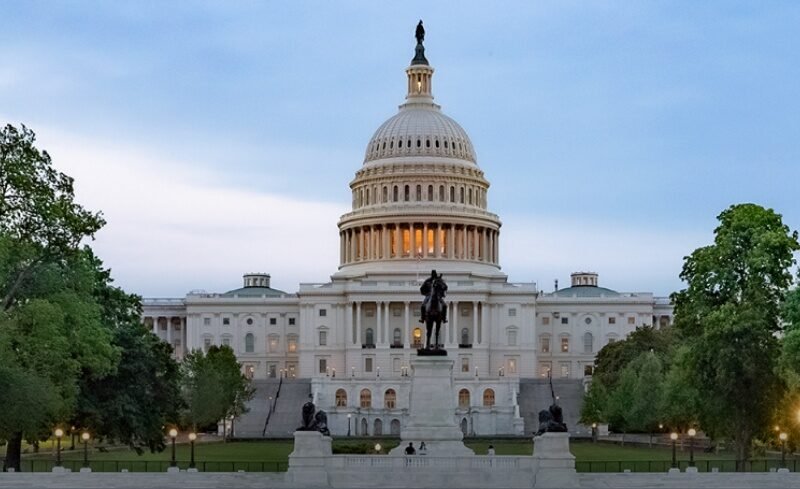
The federal government has entered its third day of shutdown, and the Senate remains locked in stalemate. Lawmakers are preparing votes on dueling proposals, but neither side expects passage. The impasse leaves hundreds of thousands of federal employees furloughed, with ripple effects across agencies and communities nationwide. Democrats are pushing a stopgap bill to extend funding temporarily, arguing it would protect essential services while negotiations continue. Republicans, meanwhile, are demanding steep spending cuts and changes to health subsidies, framing the fight as a test of fiscal discipline. The standoff has already shuttered national parks, slowed small business grants, and strained immigration processing. For federal workers, the shutdown has immediate consequences. Many are working without pay or facing delayed checks, while contractors and local businesses that depend on government activity are also feeling the strain. Economists warn that if the shutdown drags on, the damage will expand to consumer confidence, credit ratings, and markets. With neither party showing signs of compromise, Washington’s shutdown is less about governance than political leverage. Each side appears to be waiting for the other to break — while millions of Americans bear the cost of the deadlock.
Trump’s New Deal for Universities Raises Academic Freedom Alarms

A New Battle Over Academic Freedom Emerges as Nine Elite Institutions Weigh the Costs of Saying No Higher education in the United States is facing a test unlike any in recent history. President Trump has introduced a 10-point “academic deal” that links federal funding to sweeping institutional changes, from admissions criteria to the elimination of entire departments. For nine elite universities, the choice is stark: adapt to political pressure or risk losing critical support. For students, faculty, and families, the outcome could reshape what it means to learn — and teach — in America. The proposal, detailed in a White House letter this week, offers universities “preferred access” to billions in federal research dollars if they comply. Among the mandates: banning race and sex considerations in admissions, restructuring departments labeled “hostile” to conservative values, and tightening oversight of academic governance. Universities that agree would be invited to negotiate further terms; those that don’t would retain independence but forgo substantial funding advantages. Reactions have been swift and fierce. Faculty associations and university leaders argue the deal uses taxpayer dollars as a weapon to enforce political ideology. Legal experts warn that it may collide with the First Amendment, raising the prospect of one of the most consequential legal battles in the history of American higher education. Trump, for his part, has framed the plan as a strike against what he calls “elitist indoctrination,” casting it as a cultural victory for his supporters. Critics counter that the long-term costs could be devastating — from driving top researchers abroad to undermining U.S. universities’ global reputation for innovation and academic freedom. While the administration insists participation is voluntary, the stakes make the decision anything but simple. For the nine universities under pressure, the choice is no longer just about funding. It is about the very definition of higher education in America — and who gets to control its future. Between the Lines This fight reaches far beyond university boardrooms. By tying federal support to compliance with political mandates, the government is effectively deciding which perspectives deserve to flourish, and which are suppressed. The ripple effect touches students, professors, and families who may see programs cut, research stifled, or entire fields of study diminished. The question is no longer just who funds higher education — it’s who shapes its soul.
It’s Official — America Has Entered a Government Shutdown
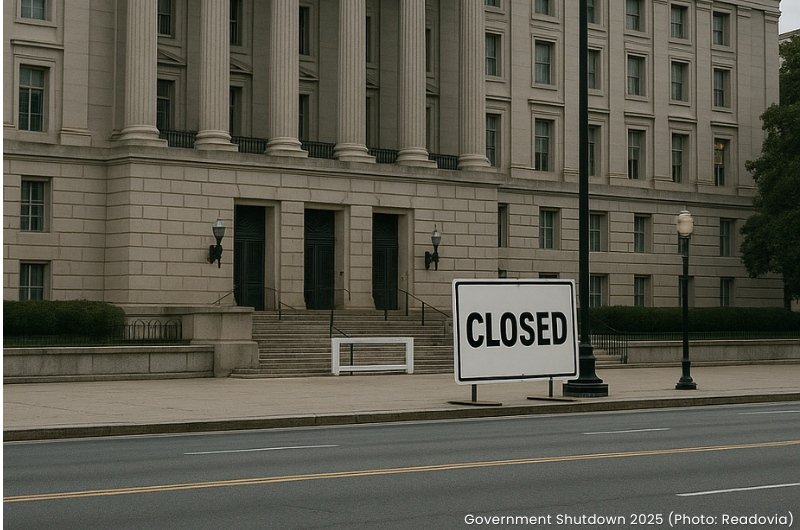
What just happened As of midnight, the U.S. federal government has officially entered a shutdown. Congress failed to pass a continuing resolution or full appropriations to keep agencies funded. Some services are deemed “essential” and will continue, though employees may work without immediate pay. Key consequences & impacts Furloughs & pay: hundreds of thousands of federal workers are being furloughed or left working without pay. Air travel disruption: the FAA will furlough about 11,000 employees, while roughly 13,000 air-traffic controllers must keep working despite not being paid. Suspended data & services: federal reporting, including labor statistics, and many agency operations will stall. National parks: many will remain open using recreation fees to fund skeleton operations, though visitor centers and full services may close. Longer-term risk: the White House has directed agencies to prepare for possible permanent cuts, not just temporary furloughs. Why this happened Policy standoff & demands: democrats insisted that any funding bill include health care provisions and reversal of certain cuts. Republicans pushed for a “clean” continuing resolution without additional measures. Senate blockage: the Republican CR failed to get the 60 votes needed to advance. New tactics: the administration has signaled a willingness to use the shutdown to reshape federal operations, urging agencies to plan beyond temporary furloughs. What to watch & what it means Duration matters: the costs — both human and economic — scale sharply with how long this lasts. Back pay guaranteed: by law, furloughed and “excepted” employees will receive retroactive pay once the shutdown ends. Next moves in Congress: any deal must clear both chambers and the president; negotiations will likely center on health care demands, spending levels, and program rescissions. Consequences for the public: expect delays in services, disruptions in travel, and ripple effects across sectors reliant on federal contracts or support. Political risks: public sentiment may turn sharply negative if the shutdown drags on, putting pressure on both parties. Between the Lines This shutdown goes beyond a routine budget standoff. The administration is openly floating the idea of permanent cuts to federal agencies, not just temporary furloughs. That marks a significant shift from shutdowns of the past, where the expectation was always a “pause, then reset.” If that strategy sticks, this could reshape the size and scope of government long after the funding fight ends. In short: the longer this goes, the more lasting the damage could be.
Corporate America’s Strain: Bankruptcies Mount as Costs Bite

Big businesses are falling. Amid rising input costs, tighter credit, and tariff pressures, multiple firms across industries are now seeking refuge in bankruptcy court — and the fallout is exposing weak links in an otherwise resilient economy. What’s happening First Brands, a major U.S. auto parts supplier, filed for Chapter 11 on Sept. 29, disclosing $10 billion+ in liabilities and a complex web of off-balance-sheet financing that appears to have broken down. The firm secured $1.1 billion in debtor-in-possession financing to keep operations running while it restructures. Its collapse rattled debt investors and triggered fears that similar stress could surface in adjacent sectors, especially in parts, automotive supply chains, and leveraged mid-market manufacturing. Other sectors are showing strain too: retailers, hospitality, and smaller manufacturers are reportedly facing rising defaults, squeezed margins, and delayed access to credit. Executives say many firms are being pushed to the edge by a confluence of high input prices, elevated interest rates, tariffs that inflate cost bases, and dwindling margins. The Bigger Picture The ripple effect risk is real: if key suppliers collapse, automakers and other downstream clients may face supply chain disruptions or price pressure. Investors are rethinking valuations: growth optimism may have masked underlying fragility. Credit markets may turn more cautious. Lenders will raise scrutiny, tighten terms, and demand more conservative debt structures. Policymakers could find pressure mounting: sectors under distress may lobby for tariff relief or stimulus to stabilize critical industries. What to watch The outcomes of First Brands’ restructuring: whether creditors recover, whether parts supply holds, and whether it becomes a template or cautionary tale. Whether other large manufacturers follow suit (auto, aerospace, heavy industry) in the next 6–12 months. How credit markets respond: tighter spreads? more defaults? more cautious lending? Whether policy (trade, tax, industrial subsidy) shifts to cushion sectors in distress.
JPMorgan Aims to Become the First Fully AI-Connected Megabank

JPMorgan Chase is embarking on an aggressive push to embed artificial intelligence into every facet of its operations, aiming to become the first true AI-connected megabank. What We Know So Far The bank has deployed its proprietary generative AI platform to over 200,000 employees, signaling a shift from pilots to full integration across business lines. It’s investing heavily in “agentic AI” systems that can carry out multi-step tasks autonomously—reducing manual workloads in credit, fraud, client support, and more. In practical terms, JPMorgan says its AI tools are enabling faster research, smarter underwriting, and more efficient operations—cutting weeks of work into hours. But the transformation isn’t without risk: compliance, model transparency, and integration with legacy systems remain major hurdles. If successful, JPMorgan’s AI blueprint could become a template for how banking gets reinvented in the next decade.
Trump’s Q3 (2025): Power Plays, Tech Showdowns, and a Government on the Brink
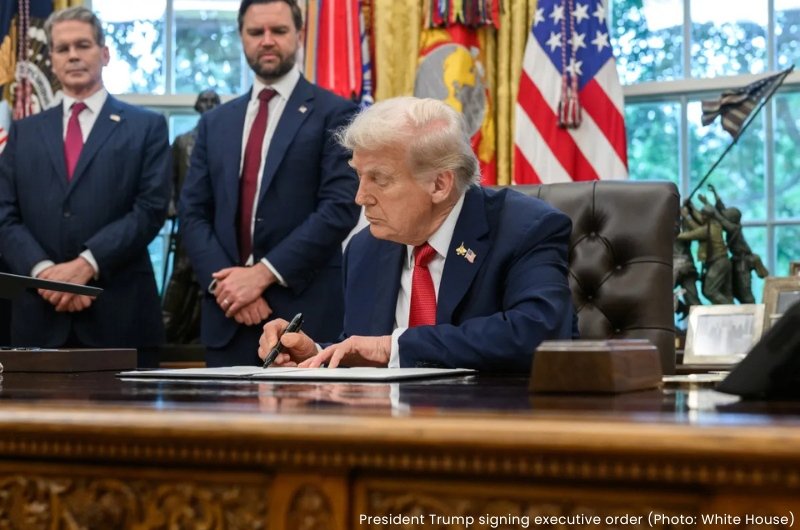
In Q3 of 2025, Trump accelerated domestic enforcement and executive action, won headline-grabbing concessions from Big Tech, leaned heavily on tariffs, and ended the quarter staring down a shutdown fight—with courts, state officials, markets, and Main Street businesses all reacting in real time. 1) Tech & the courts: Google and YouTube take center stage A federal court on Sept. 2 ordered significant remedies in the DOJ’s search-monopolization case against Google—curbing distribution practices and forcing data-sharing with rivals, while stopping short of a breakup. Google said it’s reviewing the decision and raised privacy concerns; the DOJ framed it as a major win. Then on Sept. 29, YouTube (Google) agreed to pay $24.5 million to settle Trump’s lawsuit over his 2021 account suspension after Jan. 6. The deal doesn’t require policy changes; most of the money is earmarked for outside projects outlined in the settlement reporting. Earlier this year, Meta and X reached separate settlements with Trump as well. 2) Domestic power moves: ICE, raids, and troops in major cities Immigration enforcement defined much of Q3. ICE intensified raids in Los Angeles and other sanctuary jurisdictions after the Supreme Court cleared restrictions in early September. The administration portrayed it as restoring federal control, but local leaders blasted the tactics as disruptive and destabilizing. By late September, the White House authorized National Guard and active-duty troops to back DHS operations in Los Angeles, Portland, and Chicago, marking one of the most aggressive federal deployments into domestic immigration enforcement in modern memory. Governors and mayors in affected states pushed back, accusing the administration of inflaming tensions and undermining community trust. Civil liberties groups warned of constitutional overreach, while Trump allies framed the show of force as proof he was delivering on campaign promises. 3) Executive orders & agency turbulence The White House continued governing heavily by executive action, including a late-quarter EO framed around safeguarding TikTok while asserting national-security controls (Sept. 25). At the same time, federal courts pushed back on personnel power: on Sept. 25, the D.C. Circuit declined to stay a district-court order reinstating FTC Commissioner Rebecca Slaughter after an attempted removal, citing precedent that protects for-cause officers. 4) The macro mood: growth, but a cliffhanger Markets closed the quarter with shutdown talks going to the wire. Even as some trackers pointed to solid real-time growth estimates near Q3’s end, the political impasse threatened immediate services and confidence heading into October. 5) Tariffs and bankruptcies: Main Street feels the squeeze The Trump administration doubled down on its tariff-first strategy in Q3, rolling out expanded levies on Chinese imports and threatening new duties on European autos. Officials pitched the moves as a way to protect American jobs, but the ripple effects hit supply chains and retailers already struggling with costs. At the same time, a string of high-profile bankruptcies underscored the fragility of corporate America under tightening credit and tariff pressure. Retail chains and mid-sized manufacturers were among those seeking Chapter 11 protection this summer, with executives citing rising costs and falling consumer demand. Together, the tariffs and bankruptcies painted a stark picture: an economy that looks strong on paper, but is increasingly brittle for companies caught in the crossfire. Between the Lines Consolidation of power: Court wins and ICE-led deployments show an executive willing to test institutional limits—while pushback from cities and courts reveals how contested those moves remain. Tech realignment: The Google search remedies and YouTube settlement make Big Tech a recurring stage for Trump’s agenda—part courtroom, part culture war, part competition policy. Economic flashpoints: Tariffs and corporate bankruptcies suggest a disconnect between headline growth and ground-level realities, sharpening the stakes heading into Q4. Q4 setup: A potential shutdown plus lingering litigation means volatility ahead; watch whether tariffs expand further and whether bankruptcies remain isolated or snowball. The Author
US Heads Toward First Shutdown in Six Years as Talks Collapse in Washington

For the first time in six years, the U.S. government is on the brink of shutting down. President Trump and his Democratic opponents left late-night talks with no deal in sight, despite Republicans pushing a stopgap plan to fund the government through late November. Democrats flatly refused, demanding healthcare protections and subsidy extensions as part of any agreement. Currently, Republicans and Democrats are advancing competing versions of a stopgap funding bill, also known as a continuing resolution (CR). Each side insists their version is the responsible path forward, while trading blame for the looming shutdown. The Republican plan focuses narrowly on extending funding into November, while Democrats argue no CR can move forward without concessions tied to healthcare and social safety nets. Standoff Over Funding & Healthcare Central to the impasse: Republicans insist any short-term spending bill stick to “clean” funding, separate from expanding or restoring health benefits. Democrats counter that any extension must include protections for expiring Affordable Care Act subsidies and rollback of cuts to Medicaid. Without compromise, hundreds of thousands of civil servants, national parks, federal courts, and countless agency functions could be suspended. Blame Game Unfolds Each side walked away pointing fingers. Vice President J.D. Vance predicted bluntly, “I think we’re headed to a shutdown.” Senate Democratic Leader Chuck Schumer summed up the situation: “We have very large differences.” Republican leaders earlier urged Democrats to accept a stopgap measure through November 21 to buy more time — but the Senate, where bipartisan support is required, rejected the GOP-led plan. Escalating Threats & Unusual Tactics In a bold gambit, Trump warned that a shutdown would allow his administration to carry out “irreversible” actions — cuts and program shifts that could not easily be undone. Congressional Democrats sharply protested. Some observers view it as signaling a willingness to use the shutdown itself as leverage. Meanwhile, Trump canceled an earlier scheduled meeting with Democrats, citing “unserious and ridiculous” demands. That move added tension and uncertainty to last-minute negotiations. The Stakes A shutdown has real consequences: Non-essential federal workers could face furloughs or worse if funding is not extended. Essential services like air traffic control and emergency response may still operate, but many public services would stop. Monthly economic data releases, small business loans, and federal grant programs may be delayed or suspended. Politically, the blame will be heavy. With midterms approaching, both Republicans and Democrats are vowing to pin responsibility on the other side. Final Word With Q4 beginning under the shadow of collapse, everything from federal paychecks to regulatory enforcement hangs in the balance. For millions of Americans, the shutdown threat isn’t just some random news headline — it’s a paycheck, a service, or a benefit put on hold.
Gucci’s New Chapter: Demna Steps In to Reignite Style

In March 2025, Gucci made a bold move: it tapped Demna (formerly the creative force behind Balenciaga) to become its new Artistic Director, effective July. This high-stakes appointment arrives during a turbulent period for the storied luxury house, as it seeks to reclaim relevance, energy, and cultural edge under a fresh vision. A Fresh Direction — and a High-Risk Assignment Gucci’s recent creative turnover has been swift and dramatic. Sabato De Sarno’s brief tenure ended amid weaker-than-expected sales and internal pressure. Demna arrives with both a reputation for provocation and a design language deeply rooted in streetwear, archive recontextualization, and cultural commentary. His challenge: to both honor Gucci’s heritage and push it into new visual territory — not an easy balance, especially for a brand as iconic and scrutinized as this. September Debut & Unconventional Reveal Instead of a runway show, Gucci rolled out Demna’s debut via a cinematic event. On September 23, 2025, during Milan Fashion Week, the brand premiered The Tiger—a short film co-directed by Spike Jonze and Halina Reijn, starring Demi Moore. Concurrently, Gucci dropped the La Famiglia lookbook and portrait capsule campaign. The film’s red carpet premiere functioned as a de facto fashion show, with guests wearing pieces from Demna’s first collection. The Stakes Are High Gucci is operating under significant pressure: Sales slump & brand fatigue: Gucci’s revenue has slipped, with critics arguing that the brand had grown too safe and repetitive under its last direction. Expectations for reinvention: Demna’s track record at Balenciaga — injecting relevance and cultural resonance — marks him as a provocative choice to shake up Gucci’s aesthetic. Audience and market alignment: Luxury consumers now expect storytelling, identity, and “why” as much as couture. A visual reboot is only part of Demna’s assignment — he must restore emotional connection. Risk of alienation: In leaning too hard into provocation, a legacy house can lose longtime customers. Balancing boldness with coherence will be critical. What to Watch Going Forward Next runway season: Will Demna stick with film and stories, or return to traditional formats? Retail execution & capsule drops: The limited-release La Famiglia items and boutique experiences will test demand. Archive reinvention: How deeply will earlier Gucci motifs be reinterpreted — Flora, monogram, horsebit — and will they feel renewed or recycled? Brand messaging: Will the narrative of Gucci’s identity (the family, the codes, the heritage) align consistently across marketing, campaigns, and collections?