

Google Launches Gemini 3 — A New Phase in AI Reasoning

Google Tuesday unveiled Gemini 3, its most advanced AI model yet, marking a major escalation in the agentic-AI race. The model introduces deeper reasoning, enhanced multimodal understanding, and brings coding and agent workflows into sharper focus. Gemini 3 is now available in the Gemini mobile app and via “AI Mode” in Google Search for general users. For developers and enterprises, access opens through the Gemini API, Google AI Studio and Vertex AI. A special “Deep Think” version is set to roll out to ultra-tier subscribers in the near term. From a capabilities standpoint, Google says Gemini 3 delivers “PhD-level” reasoning, out-performing previous models on benchmarks and enabling richer code generation, image and video analysis, and long-context memory. Under the hood, the release signals that AI is shifting from pure text assistants to full-scale agent ecosystems — agents that plan, act and iterate. For business leaders, the implications are substantial. The model’s emergence forces a rethink of tool stacks, talent needs and compute infrastructure. The race is no longer just about the model; it’s now about agent design, workflow orchestration and integration across modalities. Enterprises that move first may gain a competitive edge in turning AI from novelty into productivity. Key questions remain: will the elite features of Gemini 3 reach broad adoption? Can developers and organizations polish the “agent instinct” into reliable business workflows, rather than prototypes? As Gemini 3 rolls out, the next 6 – 12 months will test how much of the frontier AI hype becomes operational reality.
Congress Forces Release of Epstein Files in Overwhelming Bipartisan Vote
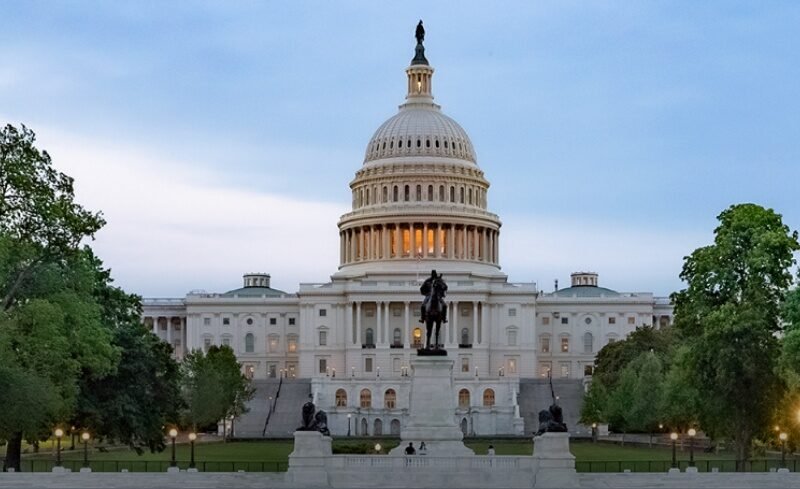
In a rare moment of unity in Washington, Congress has today voted to force the public release of the Jeffrey Epstein files. The measure passed the House by an overwhelming margin of 427 to 1, followed by immediate approval in the Senate. The bill now heads to President Trump, who has indicated he intends to sign it. The legislation requires the Department of Justice to release all unclassified documents related to Epstein and his network, a move many have sought for years. The push to release the files intensified in recent months, fueled by public demand for transparency surrounding the late financier who was convicted of sex crimes and connected to a long list of powerful public figures. For years, large portions of the Epstein case have remained sealed behind legal barriers and government discretion, leaving victims and the public without answers and creating widespread suspicion regarding who knew what and when. Unlike the vote for the budget, this vote was nearly unanimous, crossing party lines at a time when consensus in Washington is rare. The only dissenting vote came from a Republican lawmaker who argued that publishing the documents could risk exposing names that do not belong in the public record. Supporters of the measure say transparency is necessary for accountability and for restoring trust in institutions that have long been criticized for protecting the well connected. The release of these documents could have sweeping consequences. It may trigger legal action, political fallout, reputational damage, or renewed investigations. It is also possible that key information will remain hidden behind redactions or classified protections. What the files will reveal remains unknown, but expectations are high and pressure for full disclosure continues to grow. Next steps hinge on how quickly the Department of Justice moves to release the material and how much of it the public will actually see. For survivors and for a country demanding answers, the release represents a turning point in a case long associated with secrecy and power. More developments are expected within days, and the reaction will be national.
U.S. Drops Coffee Tariffs for Most Countries, Redefining Market Power for American Roasters

The Trump administration has removed import tariffs on green coffee beans from nearly all producing nations except Brazil, the world’s largest supplier. While U.S. roasters and importers will benefit from lower prices from Colombia, Honduras, and Asian growers, Brazilian producers are now hit with a steep 40 percent tariff, placing them at a sharp disadvantage in the American market. Industry analysts expect the shift to reshape sourcing strategies across the U.S. coffee sector, where Brazil previously accounted for a significant share of imports. Early indicators already show reduced shipments from Brazilian suppliers, and U.S. roasters are recalibrating blend portfolios in response to the pricing and supply pressure. The move arrives as coffee prices in the United States have climbed sharply, and the administration’s public message has emphasized both inflation relief and strategic realignment. This latest tariff action suggests trade is being leveraged not only for domestic consumer benefit, but also for geopolitical and supply-chain positioning. For Readovia’s focusing lens, the shift mirrors what is happening across business, technology, and content discovery: long-standing dependencies are becoming risks. Just as roasters must diversify sourcing beyond Brazil, publishers and creators must diversify reach beyond singular channels and platforms. Adaptability is becoming a survival trait. Eyes now turn to whether Brazilian exporters pursue a negotiated reversal, how the coffee industry communicates the origin story of new blends, and whether consumers embrace unfamiliar profiles on their morning tables. What happens next may offer both an economic test and a lesson in the power — and volatility — of strategic pivots.
Ukraine and France Sign Long-Term Deal for 100 Fighter Jets

Ukraine is set to make one of the largest military aircraft acquisitions in modern European history, securing a long-term agreement with France to obtain 100 Dassault Rafale fighter jets. President Volodymyr Zelenskiyy announced the deal in Paris, describing it as a major step toward rebuilding Ukraine’s air power as the war enters its third year. The delivery will take place over the next decade, beginning with training and initial systems support. The agreement extends far beyond aircraft. It includes air-defence systems, precision-guided munitions, drones and maintenance infrastructure that Ukraine has lacked since widespread damage to its air bases. For Kyiv, the package signals a shift from short-term emergency assistance toward long-range defence planning intended to restore full national capability. For France, the deal positions Paris as a central defence provider in Europe and strengthens its role in shaping the continent’s security future. It also represents a strategic industrial win for French defence manufacturers, accelerating production lines and securing multi-year investment in the Rafale program at a moment of rising global demand. The acquisition carries significant operational challenges. Ukrainian pilots will undergo extensive conversion training, runways will require upgrades and financing mechanisms must be finalized among European partners. Early estimates suggest a combination of government funding and international financial structures under discussion, including potential use of frozen Russian assets. The agreement marks a turning point in Ukraine’s defence planning, setting the foundation for its post-war air strategy. Delivery milestones, funding terms and Moscow’s response will shape how quickly the aircraft begin transforming Ukraine’s air capabilities — and how the balance of power shifts across the region in the years ahead.
Trump Reverses Course, Urges House Vote to Release Epstein Files

President Donald Trump has abruptly reversed his stance on the potential release of files connected to the late financier Jeffrey Epstein, publicly calling on House Republicans to support a vote that would make the records public. In a post on his Truth Social account, Trump wrote that lawmakers should “vote to release the Epstein files, because we have nothing to hide,” signalling a clear shift from his earlier position. The call for disclosure comes amid rising pressure inside the Republican Party and a growing bipartisan push to unlock long-sealed Justice Department records. Trump’s move appears aimed at taking control of a politically charged issue while attempting to unify Republicans who have been divided over how to handle the matter. For months, GOP leadership and prominent allies of the president resisted releasing the documents, portraying efforts to do so as a distraction from legislative priorities. The sudden reversal — ahead of a scheduled House vote — has exposed fractures within the party and prompted renewed debate about transparency and political risk. Strategists warn that the decision could influence public trust and shape voter perception heading into the next election cycle, particularly for incumbents who have struggled to define their stance. The pivot also highlights the challenge of maintaining party cohesion around an issue that has continued to draw intense public scrutiny. The upcoming vote will test Trump’s ability to shape legislative direction and determine whether his influence is enough to shift outcomes in a closely divided chamber. Lawmakers now face heightened pressure to pick a side as the debate over transparency, accountability, and political consequence reaches a pivotal moment.
Alphabet Shares Surge After Berkshire Makes Rare $4.9 Billion Investment

Alphabet Inc. shares rallied more than 5 percent on Monday after Berkshire Hathaway revealed a multi-billion-dollar equity stake in the tech giant. The investment, estimated at nearly $5 billion, represents one of the largest new positions taken by the conglomerate in recent years and arrives at a pivotal moment for the artificial intelligence race. The purchase adds approximately 17.85 million Alphabet shares to Berkshire’s portfolio and marks a notable move into the technology sector for the firm long known for its caution around companies perceived as difficult to project or value. The entry signals renewed confidence in Alphabet’s ability to evolve its business model amid accelerating competition in AI infrastructure and cloud computing. Market analysts say the investment reflects growing investor conviction in Alphabet’s long-term strategy, pairing its dominant digital-advertising business with major advances in generative AI, enterprise tools, and next-generation data systems. The move also comes as Alphabet intensifies spending to expand its computing capacity and AI-focused research pipelines. The market reaction was swift, with trading volume surging as investors interpreted the stake as a high-profile endorsement of Alphabet’s competitive positioning and growth prospects. The decision may also represent one of the final large commitments initiated under Warren Buffett’s leadership as Berkshire prepares for an eventual transition in senior management. Attention now turns to how Alphabet plans to deploy its strengthened market momentum, particularly in scaling its AI development roadmap and cloud expansion. Investors will be watching for updates on capital spending, revenue diversification beyond advertising, and competitive responses from other major technology companies in the months ahead.
Global Law Firms Announce Merger to Form Top-20 Powerhouse

Two major international law firms have announced a merger that will create one of the largest legal organizations in the world, combining more than 3,000 lawyers across 52 offices in 23 countries. The partnership between London-based Ashurst and U.S. firm Perkins Coie positions the newly unified entity among the world’s top 20 legal operations by revenue and geographic reach. The combined firm brings together core practices in corporate law, complex litigation, technology, energy, and financial services. With offices spanning North America, Europe, Asia, and Australia, the group is structured to support global clients facing cross-border regulatory and commercial challenges, including rapid changes in artificial intelligence governance, cybersecurity, and international trade. The merger reflects a growing consolidation trend across the legal industry as firms compete for multinational clients and navigate rising costs associated with talent, technology, and compliance. By pooling resources, Ashurst and Perkins Coie aim to increase operational efficiency, expand advisory services, and accelerate investments in digital systems and advanced legal-tech tools. For partners and clients, the integration is expected to reshape competitive positioning in high-value practice areas such as M&A, data privacy, and large-scale infrastructure projects. Industry analysts say the move could prompt additional consolidation among rival firms seeking similar global scale, especially those with limited footprint in the United States or Asia. The merger still requires regulatory and internal approvals, with full integration expected by late 2026. Leadership teams from both firms say they will prioritize culture alignment, technology migration, and unified branding over the next year. The legal sector will be watching closely to see how smoothly the transition unfolds — and how quickly the firm leverages its expanded platform to win market share.
No Payouts for Flight Delays — U.S. Ends Passenger Compensation Plan

The U.S. government has officially withdrawn a proposed rule that would have required airlines to pay passengers cash compensation for long flight delays, leaving millions of travelers with fewer consumer rights than those in much of the world. The move ends efforts to create financial accountability for airlines when delays are caused by issues within their control — such as staffing shortages, mechanical problems or operational breakdowns. Under the abandoned rule, passengers would have received automatic payments for significant delays that disrupted travel plans, vacations and work schedules. Similar systems already exist in the European Union and Canada, where compensation — sometimes hundreds of dollars — is standard when airlines cause major delays outside of extreme weather or air-traffic emergencies. In the United States, however, there is still no federal requirement that airlines compensate travelers for delays of any length. Airlines strongly opposed the proposed rule, arguing that mandatory payouts would raise costs and could ultimately increase fares. Industry groups also claimed the policy would be difficult to manage because determining which delays are controllable versus uncontrollable could lead to legal challenges. With the rule now ended, carriers avoid what they viewed as a significant financial burden. For travelers, the decision means that planning around delays remains a personal responsibility — not a guaranteed right supported by law. In a year where flight disruptions have surged across major airports, consumer advocates say passengers are once again left navigating long waits, missed connections and unexpected expenses without meaningful recourse. Outside of refunds for canceled flights and rebooking when seats are available, there are no federal protections when a flight is delayed. As the holiday travel season approaches, passengers may need to rethink how they prepare — allowing extra buffer time, purchasing travel insurance, monitoring real-time flight status and developing backup plans. Without mandated compensation, the burden — and the cost — continues to fall on the traveler. For many flyers, today’s decision may feel less like regulatory clarity and more like another reminder that the skies are not always friendly.
Magic Johnson Today Releases ‘Magic Sounds’ — A New Era of Therapeutic Audio

Earvin “Magic” Johnson has spent decades inspiring the world through athletic excellence, entrepreneurship and philanthropy. Today, he’s stepping into a new role — as a champion for emotional well-being. Johnson has introduced Magic Sounds, a six-track therapeutic audio album created in collaboration with Cigna Healthcare, designed to help listeners manage stress, reset emotionally and develop healthier mental-wellness habits. The project officially released today, with the first track, Bounce, now streaming across major platforms. Magic Sounds blends science-backed audio techniques — including guided rhythm, tonal frequencies and ambient sound elements — with accessible musical composition aimed at supporting calm, focus and emotional restoration. Far from a celebrity endorsement exercise, the project is rooted in Johnson’s own lived experience navigating intense public pressure and personal challenges throughout his career. He has spoken openly about how music served as a refuge and grounding tool during difficult seasons, and now he hopes to offer that same outlet to others. The launch arrives at a time when mental-wellness needs are accelerating across workplaces and communities. Traditional benefits such as therapy referrals and mindfulness apps, while valuable, are no longer sufficient by themselves. Companies facing burnout, disengagement and retention pressure are increasingly exploring multi-sensory wellness solutions that meet people where they are — through digital platforms and tools that fit real life rather than ideal schedules. Audio-based therapeutic experiences may represent the next frontier. What sets Magic Sounds apart is the convergence of cultural influence, clinical insight and strategic innovation. It signals a shift from wellness as a corporate perk to wellness as a meaningful experiential resource. Instead of lectures or motivational messaging, the project offers something designed to reach the nervous system directly — a small but significant contribution to reducing the invisible pressures many workers carry but rarely articulate. For workers, it’s a reminder that caring for the mind is no longer optional. For companies, it’s an invitation to rethink wellness as a strategic investment rather than a perk. And for the wellness industry, Magic Sounds may mark the start of a new arena — where cultural influence and evidence-based therapy merge to create something genuinely transformative. The next wave of mental-health support may not come from a couch or a clinic, but from the speakers right in front of us. And with that… we’re off to hit play. ————– Where to Get Magic Sounds Listen on your favorite streaming platform: Spotify Apple Music Amazon Music
The Relief Didn’t Last — Wall Street Slides as Tech Stocks Drop

The stock market’s brief rebound lost momentum today as major indexes fell sharply on growing doubts that the Federal Reserve will cut interest rates in December. The earlier bounce — largely driven by investor relief after the government shutdown ended — has now reversed, with the Nasdaq Composite falling roughly 1.44%, the S&P 500 dropping around 1.09%, and the Dow slipping about 1.24%. The decline follows a short-lived “relief rally,” a temporary jump in stock prices driven more by emotional optimism than by real economic improvement. The reversal was led by a sell-off in major technology stocks, including Nvidia, Palantir and Tesla — companies that have fueled much of 2025’s market momentum but now appear vulnerable to valuation pressure and profit-taking. Investors reacted sharply to new commentary from Federal Reserve officials who signaled that inflation remains too elevated to justify easing monetary policy, dampening expectations of a December rate cut that many traders had been counting on to support growth sectors such as AI and automation. Market strategists say this marks a meaningful psychology shift. After months of enthusiasm and momentum trading centered around artificial intelligence, investor behavior now appears to be rotating toward more defensive positioning and renewed focus on valuation discipline. Analysts say the momentum trade may be starting to unwind — a sign that speculative bets are giving way to fundamentals-based decision-making. The implications reach beyond Wall Street trading desks. For business leaders planning budgets, capital spending and hiring strategies based on expectations of cheaper borrowing, today’s market move is a reminder that the cost of money still matters — and so does pacing. Companies overly reliant on rapid-acceleration growth models or market optimism may find themselves needing to adjust expectations and risk tolerance. For investors and industry observers, today’s pullback may not simply signal a correction, but rather the beginning of a broader recalibration. The age of effortless gains may be ending — and the era of intentional, disciplined strategy may be returning. Momentum may move markets for a season, but fundamentals determine who lasts.