

FDA Goes All In on AI: A Government Tech Upgrade That Might Actually Work

In a move that’s turning heads across both healthcare and government sectors, the U.S. Food and Drug Administration (FDA) is going full throttle on artificial intelligence — and for once, the buzz may be justified. By June 2025, every FDA center and office will be plugged into AI-powered tools designed to streamline operations, speed up reviews, and bring the agency into the modern era. This isn’t a speculative pilot or a long-term roadmap. It’s a sweeping rollout, fueled by the surprising success of a small-scale test earlier this year. That test introduced generative AI into key workflows and yielded results too efficient to ignore — namely, a sharp reduction in time spent on repetitive administrative tasks like document summarization, meeting prep, and email drafting. The FDA’s Chief AI Officer (yes, we said “Chief AI Officer”), Vid Desai, said the agency will prioritize safety and transparency while expanding the program. The generative AI tools won’t be used to evaluate scientific evidence or issue product approvals. Instead, they’ll function as behind-the-scenes assistants — think AI that reads hundreds of pages in seconds so analysts don’t have to. Healthcare and tech experts are watching closely. This move could mark a meaningful shift in how federal agencies use emerging tech to serve the public, without the usual red tape. If the initiative succeeds, the FDA won’t just be catching up with the digital age — it’ll be proving that federal agencies can harness cutting-edge technology to streamline operations, improve oversight, and move faster without compromising standards. The Author
Trump Postpones EU Tariffs, Giving Markets a Breather — For Now

In a surprise move Tuesday morning, President Donald Trump announced that his administration will delay the planned 50% tariffs on European Union imports until July 9 — giving global markets a moment to exhale and opening a narrow window for last-minute diplomacy. The tariffs, which would have affected billions in goods ranging from automobiles to agricultural products, had investors and foreign leaders bracing for economic fallout. The Dow Jones responded immediately, jumping over 400 points in early trading as news of the delay spread. While Trump framed the decision as a goodwill gesture meant to “allow negotiations to proceed,” his tone remained firm. “They know what needs to happen,” he told reporters. “We’re giving them a little more time — but not much.” Analysts see the delay as both a strategic reset and a political maneuver. With inflation concerns still simmering and European leaders warning of retaliation, the move allows Trump to apply pressure without igniting a full-blown trade war — at least not yet. The White House confirmed that high-level talks between U.S. and EU trade officials are scheduled in the coming weeks, though sources say no major concessions have been made by either side. For now, markets are rallying. But behind the scenes, the clock is ticking — and July 9 is already marked in bold across Brussels and Wall Street. The Author
Strength Training Linked to Healthy Aging and Sharper Minds

It’s not just about fitness — it’s about staying sharp. A new wave of research is turning heads in the longevity space — and it’s not about pills, powders, or secret genes. It’s about strength training. A recent study led by Dr. Eric Topol at the Scripps Research Translational Institute examined over 1,400 adults in their 80s and beyond who exhibited remarkable cognitive and physical health. Dubbed “super agers,” these individuals shared one major commonality: a consistent routine of physical activity, particularly strength-based movement. The takeaway? It wasn’t superior genetics or lifelong luck — it was habit. Dr. Topol emphasized that regular strength training appeared to be the single most powerful intervention for preserving both mind and body well into later life. Unlike the grueling gym sessions often associated with the term, this kind of training doesn’t require heavy lifting or advanced equipment. In fact, many experts recommend simple movements using resistance bands, bodyweight, or light dumbbells a few times a week to build and maintain strength. The benefits are wide-ranging. Strength training supports bone density, stabilizes blood sugar, improves balance, reduces fall risk, and may even help ease symptoms of depression. The cognitive boost is equally impressive — research shows those who regularly engage in resistance exercises often report better focus, memory, and mental agility. As the science becomes clearer, the cultural shift is already underway. Strength isn’t just a fitness goal anymore — it’s a long-term health strategy. The Author
May Lifestyle Trends: Where Innovation Meets Nostalgia

What’s next for how we live, sip, and spend time in 2025. May 2025 has revealed a fascinating lifestyle shift — one where innovation and nostalgia are not clashing, but merging. From wellness habits to home design and social rituals, this month’s top trends suggest that people aren’t just chasing what’s new — they’re choosing what feels good. 1. “Skinimalism” Makes a Comeback — But SmarterAfter a brief flirtation with hyper-glam routines, many are returning to minimalist skincare — with a twist. Today’s pared-down regimens focus on multitasking products powered by science, sustainability, and AI skin diagnostics. 2. Low-ABV (low alcohol by volume) Beverages Are the New Brunch EssentialConsumers are sipping smarter. Sparkling botanical spritzers, mood-enhancing mocktails, and low-alcohol aperitifs are surging in popularity, especially among Gen Z and wellness-conscious millennials. The vibe? “Let’s toast — and still make that 7 a.m. workout.” 3. Comfort-First Design Is In — AgainDesigners are seeing a renewed love for ‘90s comfort mixed with clean, modern aesthetics. Think: rounded furniture, cozy lighting, and nostalgic color palettes with updated materials. The trend is equal parts retro and forward-looking. 4. Intentional Living Is the New LuxuryPerhaps the biggest trend of all is the mindset shift. Whether it’s analog hobbies, screen-free Sundays, or rethinking how we use space, people are prioritizing simplicity, presence, and values-driven choices. Many trace this lifestyle transformation back to the global reset brought on by COVID-19. The pandemic disrupted routines, reshaped homes, and forced a collective reevaluation of what truly matters. Now, several years later, that reevaluation is taking hold as lifestyle practice. The result? A slower, more considered approach to everyday life — and a redefinition of luxury as peace, purpose, and time well spent. The Author
Philadelphia Mass Shooting on Memorial Day Leaves 2 Dead, 9 Injured

What was meant to be a day of remembrance ended in tragedy. A Memorial Day gathering in Philadelphia turned deadly when gunfire erupted in Fairmount Park, leaving two people dead and at least nine others injured — including three teenagers. Authorities say the attack happened just after 11 p.m., shaking a peaceful community event and reigniting national conversations around gun violence in America. No arrests have been made as of Tuesday morning. Police are still searching for the suspect and reviewing surveillance footage. The motive remains unclear. Among the victims were a 14-year-old and two 16-year-olds, according to local officials. One man died at the scene, while another succumbed to injuries at a nearby hospital. “This was supposed to be a family-friendly holiday,” said one witness, “and now it’s a crime scene.” City leaders and advocacy groups have already begun calling for stricter firearm regulations and more visible public safety measures at large events. The shooting marks one of several mass shootings over the Memorial Day weekend nationwide — a trend that continues to draw national concern. From the Web: Philadelphia District Attorney’s Office Statement on Mass Shooting at Lemon Hill in Fairmount Park
Trump Eyes Harsh Sanctions as Russia Escalates Ukraine Assault

New tone, new stakes — and a sharp turn from Trump’s earlier approach. President Donald Trump is signaling a dramatic shift in his stance toward Moscow, declaring on Monday that he is “strongly considering” a fresh wave of sanctions and tariffs aimed at Russia. The move comes in response to what U.S. officials have called the most intense Russian aerial assault on Ukraine since the war began — a barrage involving over 350 drones and missiles and resulting in at least 13 civilian deaths. Trump’s announcement caught many off guard, especially given his historically measured rhetoric toward Russian President Vladimir Putin. But the latest surge in violence appears to have forced a policy recalibration — and perhaps, a political one too. “We’re watching this very closely,” Trump said from the White House, “and we will take action if needed.” He did not provide specifics but hinted at sanctions targeting Russia’s banking sector, energy exports, and possibly even tariffs on countries that continue to purchase Russian oil. The president’s remarks have drawn rare bipartisan agreement in Washington. Congressional leaders from both parties have expressed support for tougher measures, citing the need to send a clear message to the Kremlin after its latest aggression. Meanwhile, Russia has dismissed Trump’s comments as “emotional,” with state media framing the sanctions threat as a sign of U.S. weakness rather than resolve. Whether Putin believes that or not remains to be seen — but the geopolitical temperature is rising. Trump’s pivot could mark a new chapter in U.S.-Russia relations — one where Washington stops asking and starts pressuring. As usual, Trump’s instincts are as much political as they are strategic. But with air raid sirens wailing across Ukraine, the time for optics may be over. The Author
With Musk Out, Republicans Lose a Big Voice and a Bigger Wallet
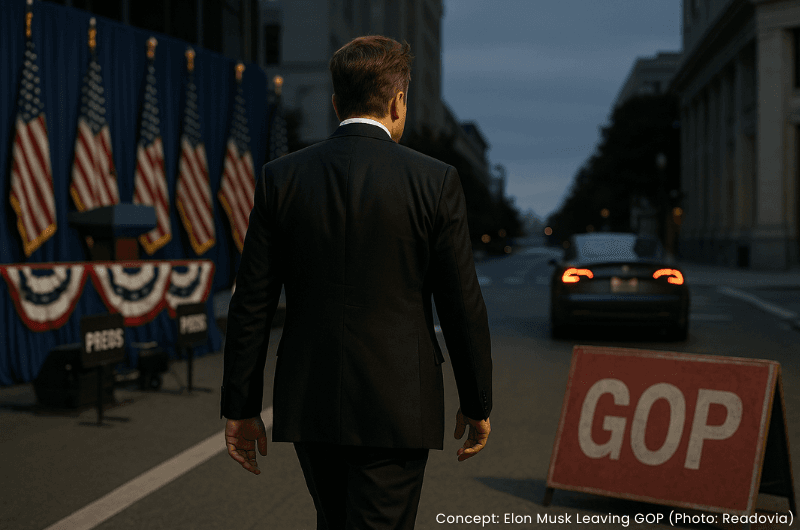
After pumping millions into Republican politics, the tech titan is tapping out — and the party is feeling it. The Republican Party just lost one of its biggest benefactors — and, arguably, its quirkiest — as Elon Musk signals a dramatic retreat from political spending. After pouring nearly $300 million into conservative causes during the 2024 election cycle, the Tesla CEO is now telling the GOP: Thanks, but I’m done. His reasoning? According to Musk himself, he’s already “done enough” in the political arena — and considering the financial firehose he turned on last year, it’s hard to argue. But not everyone is popping champagne. Republicans are privately scrambling over the loss of Musk’s mega-donations. His cash fueled everything from campaign ads to think tank strategy sessions (and possibly a few overpriced consultants who now need new clients). Most recently, he backed a conservative candidate in Wisconsin’s high-stakes Supreme Court race — a race that Democrat Susan Crawford won handily, despite Musk’s money machine. That loss may have sealed his decision to power down. Still, don’t assume Musk is vanishing from the political scene entirely. He remains involved in the Trump-aligned Department of Government Efficiency (known as DOGE) and maintains close ties to some within the president’s inner circle. Translation: he might be pulling the plug on donations, but he’s not logging off just yet. The GOP, meanwhile, finds itself in a tricky position: recalibrating without one of its most high-profile backers — who also happens to be known for tweeting before thinking and investing before blinking. Some political observers note that Musk’s departure removes both a major funding stream and a headline-generating personality. His unique blend of tech-world bravado and political disruption won’t be easily replaced — especially by a party still defining its post-Trump identity. Whether Musk’s departure helps the GOP clean up its image — or leaves it cash-starved and confused — remains to be seen. But for now, Republicans are staring down a post-Elon future… and wondering if there’s a new billionaire on deck. The Author
Harvard Wins Round One: Judge Blocks Trump Crackdown on International Student Enrollment

Federal Court Sides with Harvard in Showdown Over Student Visas In a second major legal defeat for the Trump administration this week, a federal judge on Friday issued a ruling that temporarily blocks the government from cutting off Harvard University’s ability to enroll international students — a move the school called “unconstitutional retaliation.” The decision by U.S. District Judge Allison Burroughs halts the Department of Homeland Security’s surprise effort to strip Harvard’s federal certification to host foreign students, pending the outcome of a newly filed lawsuit. The court’s response comes just days before graduation, as campus officials warned of mass legal and academic fallout. “Without International Students, Harvard Is Not Harvard” The university’s legal filing, submitted Friday morning, argues that the government’s actions violate the First Amendment and threaten the status of more than 7,000 foreign nationals currently enrolled at Harvard. Most are graduate students, many serving as lab assistants, researchers, teaching fellows, and even athletes — roles that anchor the university’s daily operations. “With the stroke of a pen, the government has sought to erase a quarter of Harvard’s student body,” the lawsuit reads. Officials said the decision would have an “immediate and devastating effect,” leaving international students in legal limbo — unable to transfer, unsure of their visa status, and uncertain whether they can stay in the country at all. The Accusations — and the Pushback The Department of Homeland Security, led by Secretary Kristi Noem, accused Harvard of fostering an “unsafe campus environment,” citing alleged violence toward Jewish students and ties to “anti-American, pro-terrorist agitators.” The agency also referenced claims of past coordination with the Chinese Communist Party, saying Harvard had trained members of a Chinese paramilitary group as recently as 2024. Harvard has denied the allegations and says it has already submitted thousands of data points in response to the government’s April request. The university called Noem’s latest demands “vague, retaliatory, and lacking legal basis.” What’s at Stake: Graduate Schools, Global Talent, and Harvard’s Future The impact of a full ban would be most severe at graduate-level programs, such as the Harvard Kennedy School (where nearly half of students are international) and the Harvard Business School (where roughly a third come from outside the U.S.). If the government’s move stands, Harvard warned it would be barred from admitting any new international students for at least the next two academic years — and unable to reapply for federal certification for at least 12 months after that. The ripple effects would be long-term. Harvard argued that even the threat of losing international student access could chill global applications: “Future applicants may shy away from applying out of fear of further reprisals,” the filing stated. “This Is Madness,” Says Former Harvard President The decision has already sparked outrage from academic and diplomatic circles. Lawrence Summers, former Harvard president and U.S. Treasury Secretary, said the policy would alienate rising global leaders and damage long-term U.S. interests. “Some small fraction of these students are going to go on to be prime ministers,” Summers wrote. “They’ve now been turned into enemies of the United States. This is madness.” Legal Questions and Political Backdrop Harvard’s lawsuit notes that the Department of Homeland Security failed to follow its own procedures for revoking a school’s visa eligibility, which are typically based on administrative failures — not politics. Historically, schools have lost certification for reasons like losing accreditation, failing to maintain basic facilities, or hiring unqualified instructors. Harvard’s case is different — and, the university argues, deeply political. In a separate but related legal battle, Harvard is also suing the federal government over $2 billion in funding cuts that it claims were politically motivated. The Battle is Not Over The court’s decision to block the administration’s crackdown is temporary, but the implications are massive: This isn’t just about visas — it’s about academic freedom, immigration policy, and the power of the executive branch to punish dissenting institutions. As of now, Harvard’s doors remain open to its international students. But the legal and political battle over who gets to walk through them is far from over.
Back to Class: Federal Judge Blocks Trump’s Attempt to Dismantle Department of Education, Orders Reinstatement of Fired Employees
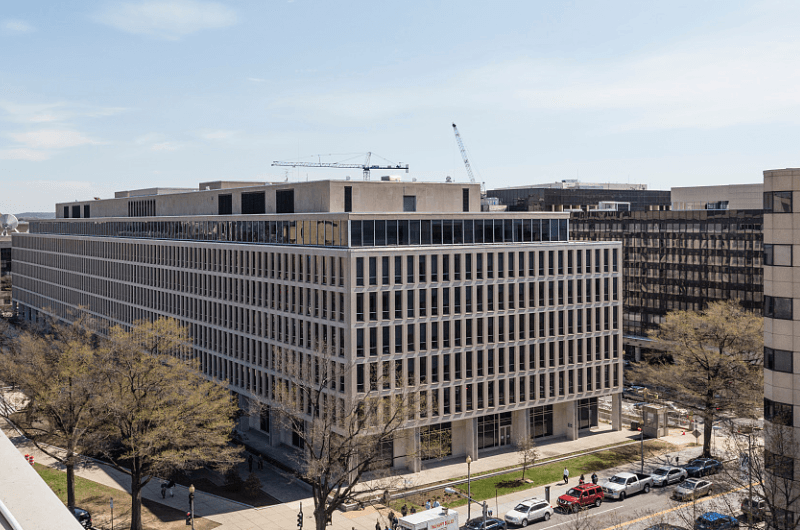
In a significant legal setback for the Trump administration, U.S. District Judge Myong Joun has issued a preliminary injunction halting President Donald Trump’s executive order aimed at dismantling the Department of Education. The ruling mandates the immediate reinstatement of approximately 1,300 employees who were laid off as part of the administration’s reduction-in-force announced in March . Judge Joun’s decision emphasizes that such a substantial reorganization of a federal agency requires congressional approval. He criticized the administration’s portrayal of the layoffs as a mere efficiency measure, stating that the actions effectively amount to dismantling the department without legislative authorization. The judge also blocked the administration’s plan to transfer key functions, including federal student loan management and special education programs, to other agencies. He highlighted concerns about the potential harm to students and educators, particularly those relying on federal aid and services . In response, the Trump administration has appealed the ruling, arguing that the executive branch has the authority to reorganize federal agencies to improve efficiency. However, critics contend that the administration’s actions overstep executive powers and undermine essential educational services. This ruling marks a pivotal moment in the ongoing debate over the scope of executive authority and the future of federal involvement in education. As legal proceedings continue, the Department of Education is required to restore its workforce and halt any further steps toward its dissolution.
Why America’s ‘Economic Recovery’ Doesn’t Feel Like One

The Numbers Look Fine. Life Doesn’t. The headlines say the economy is bouncing back. Unemployment is low. The stock market is up. Big tech is hiring again, and GDP growth looks stable. But ask anyone who’s tried to rent an apartment, buy groceries, or cover a medical bill lately, and you’ll hear a different story — one filled with shrinking budgets, rising anxiety, and the quiet feeling that the so-called “recovery” may be leaving real people behind. What the Data Doesn’t Say Inflation “slowed” — but prices never reset. Eggs aren’t $9 anymore, but they’re not $2 either. For many households, this is the new expensive normal. Wages are up — but so is everything else. While paychecks have grown in some sectors, housing costs, car insurance, childcare, and utilities have surged. Jobs are back — but they’re not the same. Many laid-off workers found jobs again… with lower pay, fewer benefits, or hybrid hours that stretch both time and wallet. The Psychological Gap Experts call it “vibecession” — the idea that people feel like the economy is still in trouble, even when the data looks stable. And it’s not just vibes. Credit card debt is at a record high. Savings accounts are shrinking. Renters are struggling to keep up. And while headlines focus on job growth, fewer jobs come with long-term security. “People aren’t just broke,” one social worker told Readovia. “They’re burned out — switching between apps just to track bills and splitting payments just to stay afloat. Every week feels like financial warfare.” Where It’s Hitting Hardest Young families facing daycare closures and rising food costs Renters navigating price hikes in cities and suburbs alike Boomer caregivers supporting both aging parents and adult children Freelancers and remote workers facing quiet layoffs and vanishing contracts Job seekers overwhelmed by a crowded, competitive market where dozens of applicants compete for every listing — and AI filters screen them out before a human ever looks The Whole Matter The economy may be “recovering” — but for millions of Americans, it doesn’t feel like relief. It feels like they’re still waiting to exhale. Until real recovery reaches rent, food, and basic security, the numbers alone won’t tell the full story. The Author