

Senate Narrowly Passes Trump’s “One Big Beautiful Bill” — Trump Pushes for House Approval by the 4th
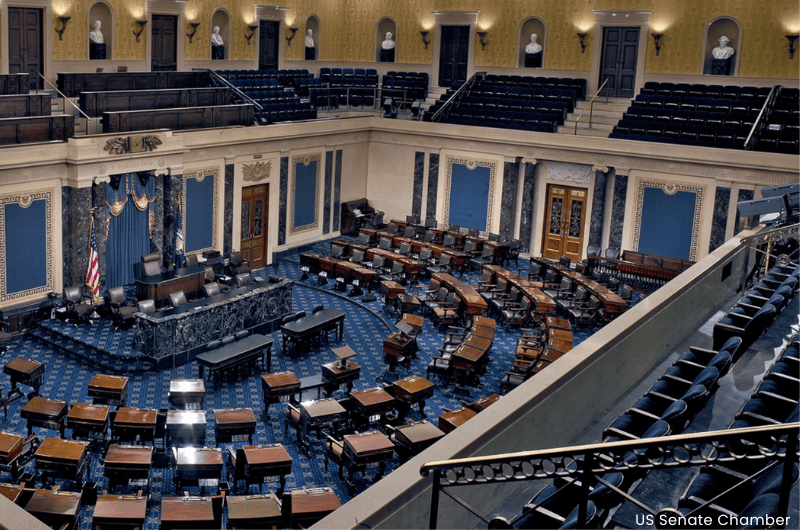
In a dramatic midnight session, the U.S. Senate narrowly passed President Donald Trump’s sweeping legislative package—dubbed the “One Big Beautiful Bill”—after weeks of internal division, fierce public debate, and mounting pressure from the White House. Vice President J.D. Vance cast the tie-breaking vote, pushing the bill through a 50–50 split in the Senate. It now heads to the House for a fast-tracked vote, with Trump reportedly urging GOP leadership to deliver final approval by July 4. The bill combines tax cuts, a $150 billion boost in military spending, major immigration crackdowns, and the elimination of federal funding for programs like Medicaid expansion, SNAP benefits, and Planned Parenthood. Supporters say the bill strengthens the economy and border security. Detractors call it a direct assault on the social safety net—and a potential trigger for long-term economic instability. A last-minute change saw the removal of a controversial provision that would have prevented individual states from regulating artificial intelligence. That reversal is being celebrated as a win for tech oversight advocates and state sovereignty. Despite the bill’s passage, deep fractures have formed within the GOP. Fiscal conservatives warned about the skyrocketing federal deficit, while populist hardliners praised the bill’s stance on immigration and its unapologetic re-centering of “America First” values. As the House prepares to vote, Democrats are expected to oppose the measure in full, while moderate Republicans remain on edge. Trump, meanwhile, has already declared victory online—calling the bill “a new American revolution.” The Author
Inflation Eases, but Spending Slows: Why the Economy Feels Stuck in Neutral

U.S. inflation is easing, but personal spending and income are both declining, creating uncertainty for American households. With interest rate cuts still on hold, the economy remains in a fragile balance. The numbers say inflation is cooling — but if you’ve walked through a grocery store lately, you know the reality feels a little more complicated. A dozen store-brand eggs might finally be back under $3, but overall prices are still pinching American wallets, even as spending starts to slip. According to the latest data, inflation rose just 0.1% in May, keeping the annual rate steady at 2.4%. Core inflation — which excludes food and energy — ticked up slightly, landing at 2.7% year-over-year. It’s not alarming, but it’s sticky enough to suggest we’re not out of the woods yet. Meanwhile, personal spending fell 0.1% in May — the second dip this year — and incomes dropped by 0.4%. For households already watching their budgets, this creates an uneasy tension: prices aren’t skyrocketing, but they’re not softening fast enough either. The Federal Reserve has kept interest rates steady, signaling caution but leaving the door open for cuts later this year. Economists are split on whether those cuts will happen this summer or closer to the holidays. For now, the U.S. economy is walking a tightrope — inflation is simmering down, but growth feels sluggish. Whether that carton of $2.69 eggs is a sign of relief or just a blip remains to be seen. The Author
The Price of Beautiful: What Trump’s Big Bill Could Really Mean for Everyday Americans
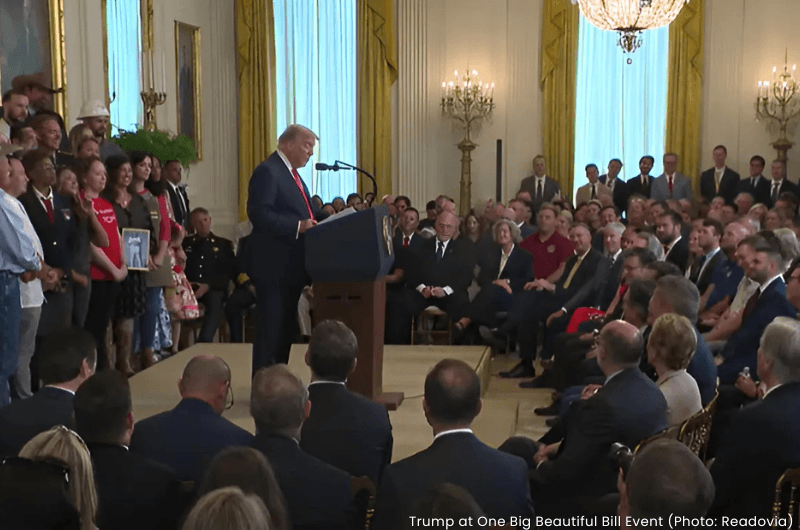
President Trump calls it the “One Big Beautiful Bill.” His administration says it’s the most pro-worker, pro-growth, and pro-America legislation in history. But for millions of Americans, especially those relying on public health care or food assistance, the beauty may come at a brutal cost. Proposed Work Requirements The bill proposes new work requirements for Medicaid and SNAP (food stamps), aimed at what Republicans call “able-bodied adults without dependents.” The White House frames this as common sense—“If you can work, you should”—but critics warn the reality isn’t so tidy. According to projections from the nonpartisan Congressional Budget Office (CBO), over 10.9 million people could lose Medicaid coverage under the new rules. Many of them are low-income workers juggling part-time jobs without benefits. Others are caregivers, people with undiagnosed disabilities, or those living in states without the infrastructure to verify employment quickly. And for some, losing coverage won’t just mean skipping a doctor’s visit—it could mean dying. The CBO estimates the bill could lead to over 51,000 avoidable deaths within a decade. “This isn’t fiscal policy—it’s a slow-motion public health crisis,” said Dr. Lila Fenwick, a rural hospital administrator in Georgia. “We’re already at the edge. These cuts could push us over.” A Gut Punch to Rural Health Care The bill touts protections for “rural hospitals,” but that’s cold comfort to health systems that rely on Medicaid reimbursements to stay afloat. Without them, many rural hospitals—especially in red states—face the risk of closure. For residents in these areas, that could mean driving hours for basic care. In emergencies, it could mean no care at all. “The same communities that cheered for Trump may be the ones hit hardest by this bill,” said policy analyst Tanya Ruiz. “It’s poetic, but not in a good way.” Food on the Line The bill’s new SNAP rules are likely to leave hundreds of thousands without access to food assistance. And while the White House says “jobs, not handouts” is the goal, employment doesn’t always guarantee food security—especially in low-wage sectors. For families living paycheck to paycheck, even a temporary loss of benefits could be catastrophic. And with no added funding for job training or placement services, critics say the bill sets people up to fail. A Tale of Two Narratives President Trump has taken to social media, calling the bill “a win for workers, a loss for waste, and a BEAUTIFUL day for America.” The White House insists the bill will increase take-home pay by $10,000 for the average worker, unleash $11 trillion in economic growth, and prevent the “largest tax hike in American history.” But none of those talking points erase the sobering truth: for millions of Americans, this bill isn’t about prosperity—it’s about survival. Why It Matters The debate over the One Big Beautiful Bill isn’t just about policy. It’s about priorities. Tax relief for some, hardship for others—and a country still reckoning with who gets left behind. As the Senate races to vote before the July 4th deadline, one thing is clear: this bill may be beautiful to some, but for others, it’s shaping up to be devastating. The Author
Remodeling This Summer? Here are 5 Things You Can Upgrade Before Fall Hits

Small changes now can make your home feel newer, smarter — and more livable year-round. Summer is peak season for home improvement, but before you get lost in Pinterest boards and paint swatches, here’s a better question: what upgrades will still matter six months from now? Whether you’re prepping to sell, saving on bills, or just ready to elevate your space, these five home upgrades deliver comfort, style, and ROI — no full reno required. 1. Smart Thermostat, Smarter Living Control your home’s climate from anywhere — and shave real dollars off your energy bill. Today’s smart thermostats learn your habits, adjust for weather, and optimize HVAC usage while you sleep, travel, or forget to turn things off. 2. Kitchen Faucet = Instant Glow-Up One of the fastest ways to modernize your kitchen? A new faucet. Sleek pull-down models or touchless designs bring a premium feel with minimal effort — and buyers notice. It’s the small detail that instantly signals “this home is updated.” 3. Drought-Resistant Landscaping From native grasses to gravel gardens and drip irrigation systems, eco-conscious yards are in — and you’ll thank yourself during late summer dry spells. Bonus: less mowing. 4. LED Everything It’s not just about the bulbs. Swap in dimmable LED fixtures with warm-tone options, and suddenly your space goes from glaring to glowy. Add motion sensors or timers for utility. Then layer in LED backlighting behind kitchen cabinets, bathroom mirrors, or bedroom headboards for a subtle, spa-like ambiance. 5. Entryway Efficiency Upgrade your locks, install a smart doorbell, and create a drop zone for keys, shoes, and mail. When the weather cools down and the online shopping ramps up, you’ll be glad you planned ahead. The Author
Supreme Court Ends Term with Major Rulings on Citizenship, LGBTQ+ Rights, and Judicial Power

The U.S. Supreme Court closed out its 2025 term today with a wave of high-impact rulings, taking aim at federal court authority, public school content, and even who gets to be considered an American. In one of the most consequential decisions, the Court limited the ability of federal judges to issue nationwide injunctions, a move that could dramatically affect how challenges to presidential policies are enforced. The 6–3 ruling, authored by Justice Amy Coney Barrett, reins in the reach of lower courts—marking a clear win for the executive branch and, by extension, President Donald Trump. Also on the docket: a challenge to birthright citizenship. While the Court stopped short of fully ending the 14th Amendment’s automatic citizenship protections, it left the door open for future reinterpretation. President Trump quickly took to social media to declare a “big, beautiful win.” The justices also weighed in on whether LGBTQ+ content can be restricted in public school libraries. They declined to force schools to remove books with LGBTQ+ themes, giving local school boards discretion over what stays on the shelves. The decision leaves room for continued debate—and possible legal battles—at the district level. In a fourth key case, the Court ruled on the future of a Louisiana congressional district, with big implications for racial gerrymandering and representation in southern states. Wrapping Up The final day of the term delivered rulings that touch every corner of American life, and will influence how laws are enforced, how communities are represented, and how rights are defined across the country.
The “Rich Mom” Look Just Got a Quiet Upgrade

Less effort. More impact. Here’s how summer 2025 is redefining luxury. Once defined by blazers, ballet flats, and iced lattes on the go, the “rich mom” aesthetic has quietly evolved — and we’re here for it. The term first took off on TikTok and Instagram, where creators poked fun at effortlessly stylish women who looked like they owned lake houses and had strong opinions about almond milk. But somewhere between the memes and the manicures, the look became aspirational — and now, in 2025, it’s fully formed and fashion-backed. Today’s version trades flashy status symbols for flowy co-ords, buttery fabrics, and just-woke-up hair that somehow still looks perfect. Think linen sets in warm neutrals, vintage designer handbags, and delicate gold jewelry worn like she didn’t think about it twice — even though she absolutely did. Her vibe? Luxe, low-key, and completely unfazed. She shops in-person, reads hardcover books, and has three shades of tinted SPF in her tote at all times. She doesn’t need logos to signal status. Her glow speaks volumes. What sets this version apart is confidence and curation — a kind of inherited aesthetic intuition that says, “I know what I’m doing, and I’m not here to convince you.” It’s elegance without the performance. And it’s everything right now. The Author
Hate Ozempic Injections? This New Weight-Loss Pill Might Be Your Game-Changer
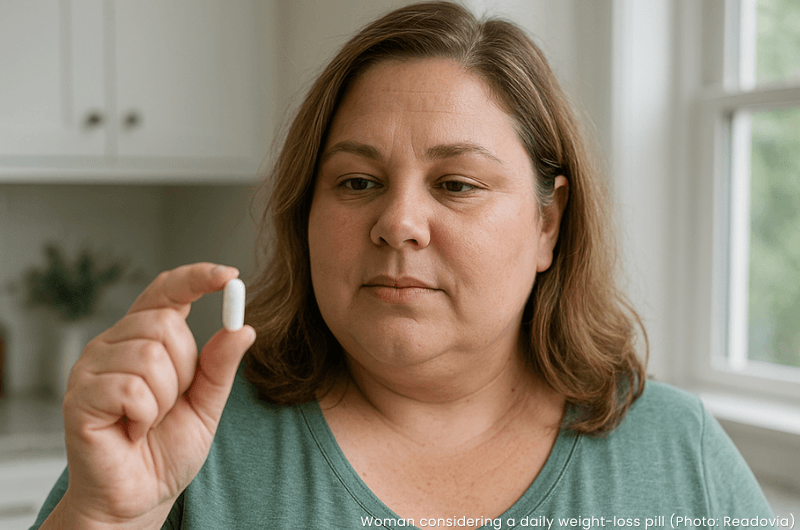
A new weight-loss pill from Eli Lilly could soon rival today’s most popular injectable drugs—without the needles. In a major Phase 3 study just unveiled, the pharmaceutical giant’s new oral drug, orforglipron, matched the performance of injectable heavyweights like Ozempic and Mounjaro for both weight loss and blood sugar control. And unlike those blockbusters, this one doesn’t require a needle—or a refrigerator. Participants taking the highest dose of orforglipron lost an average of 7.9% of their body weight over 40 weeks, edging out similar injectable treatments. A1C blood sugar levels dropped significantly, and side effects were on par with what’s already seen in the market: mostly nausea and occasional GI discomfort. Oral Convenience Disrupts the Needle Barrier This is where orforglipron could really change the game: it’s a pill. That alone could upend access, adoption, and equity in obesity care. No weekly injections. No refrigeration. No special storage. Just one tablet a day. It’s also easier to manufacture and distribute globally—making it far more viable in low-resource regions. For patients who are needle-averse (which, let’s be honest, is a lot of us), this format could be the deciding factor in starting and sticking with treatment. What This Means for the Market Fewer barriers = wider adoption. A pill could draw in patients who’ve resisted GLP-1s so far. Regulatory filings are coming. Lilly plans to seek approval for weight-loss use by late 2025. Other pharma players are on notice. Expect competitors to speed up their oral R&D pipelines—or scramble to catch up. The Takeaway Eli Lilly’s oral GLP-1 might not just compete with Ozempic and Mounjaro—it might redefine the space entirely. And while it’s not yet on shelves, the signal is clear: the future of obesity and diabetes care may soon come in a bottle, not a syringe.
Declared, Denied, Derailed: Trump’s Fake Ceasefire Claim
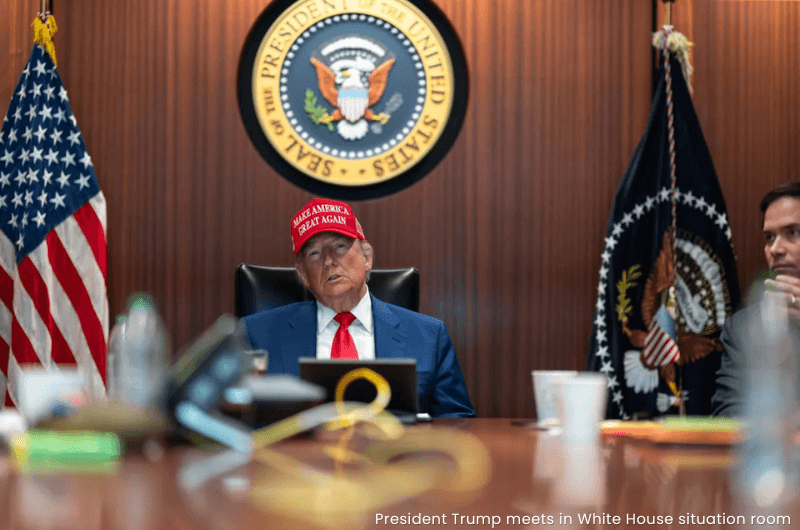
On Monday, June 23, President Trump took to his social media platform, Truth Social, to make a bold announcement: Israel and Iran, he claimed, had agreed to a “complete and total ceasefire.” The post quickly gained traction, sparking a mix of surprise, skepticism, and confusion. But within hours, it was clear the claim had no basis in fact. Neither Israel nor Iran confirmed any such agreement—and both countries continued military operations despite Trump’s statement. In the hours that followed the post, Israeli officials said they had briefly paused strikes at Trump’s request—but then accused Iran of firing missiles shortly after the so-called ceasefire began. Iran, for its part, denied launching any attacks and made it clear there was no deal—only a willingness to hold fire if Israel did the same. Iranian diplomat Abbas Araghchi stated unequivocally: “There is NO ‘agreement’ on any ceasefire.” Instead, the situation appeared to be a one-sided Israeli pause, not a mutual de-escalation. By early Tuesday, that temporary pause had ended with a bang—literally. Explosions were reported in Tehran as Israeli missiles targeted what they described as “high-value assets.” Iran condemned the strikes and again denied any aggression on their part. No formal negotiations, ceasefire documents, or international acknowledgments backed up Trump’s claims. Pressed about the contradiction while aboard Air Force One, Trump doubled down. He insisted both sides had violated the ceasefire, possibly “unintentionally,” before going on a tirade: “They don’t know what the **** they’re doing,” he said of Israeli and Iranian officials. Trump blamed both nations for undermining what he continued to describe as “his” agreement—even though neither side ever publicly agreed to anything. In truth, there was no ceasefire. There was no peace deal. Just a claim from the U.S. president and a few hours of murky restraint followed by renewed violence. Ultimately, Trump seized the moment to cast himself as peacemaker—positioning a temporary lull as the result of his diplomacy. But the facts on the ground told a different story: one where both nations were still very much at war, and Trump’s declaration didn’t just jump the gun—it ignored the battlefield entirely. The Author
Cybersecurity Jobs Surge as AI Threats and Talent Gaps Collide

The cybersecurity industry is in hiring overdrive. With global threats mounting and AI-driven attacks on the rise, U.S. companies posted over 514,000 cybersecurity job openings in the past year alone—a 12% increase compared to the year prior. From Silicon Valley startups to federal contractors, organizations are urgently hunting for talent that can defend the digital frontier. This spike is especially visible in the IT channel, where companies like Abnormal, GoTo, Verkada, Infosys, SEI, and MGT are all recruiting for a range of roles—from cloud security engineers to threat intelligence analysts and AI-focused penetration testers. Cybersecurity is no longer a niche IT specialty—it’s one of the hottest areas of tech hiring. The demand is being driven by three key trends: 1. The talent gap isn’t going away.While vacancy growth has slowed slightly from its pandemic-era peak, there are still millions of unfilled cybersecurity roles worldwide. In the U.S., there simply aren’t enough qualified professionals to meet the volume and complexity of today’s digital threats. 2. AI is reshaping the threat landscape.Cybercrime is getting faster and more automated. Companies are now seeking cybersecurity experts who understand AI—not just how to defend against it, but how to use it in offense and defense. Think red team AI engineers, SOC automation analysts, and even “AI evangelists” for internal security teams. 3. The degree barrier is finally cracking.According to a recent report from ISC², more than half of entry-level cybersecurity roles are now being filled through internships and apprenticeships, not four-year degrees. Employers are prioritizing certifications, hands-on experience, and soft skills like adaptability and curiosity over diplomas. This isn’t just a temporary hiring spree—it’s a structural shift. With cybercrime estimated to cost the global economy over $10 trillion annually by 2025, companies are doubling down on defense. The smartest firms are widening their hiring pipelines and rethinking what a cybersecurity hire looks like—casting a much broader net for talent. For anyone with tech experience—or even curiosity—this may be the best time in a generation to break into the field of cybersecurity. The Author
Iran Strikes U.S. Military Base in Qatar as Israel Conflict Escalates

The Middle East edged closer to full-scale regional conflict on Monday as Iran launched a missile strike targeting Al Udeid Air Base in Qatar, a key hub for U.S. forces. The attack, described by Iran’s Revolutionary Guard as “devastating and powerful,” was quickly intercepted by Qatar’s air defense systems. No casualties have been reported. Qatar responded by closing its airspace and urging citizens to shelter in place, a rare move for the usually stable Gulf state. Iran reportedly provided Qatar with a warning in advance—an indication it aimed to avoid civilian casualties while still delivering a direct message to the United States. The strike marks a significant escalation. Though U.S. forces have come under fire before, this is the first confirmed instance in the current conflict of Iran directly targeting a U.S. installation. Other Gulf nations, including Bahrain and Kuwait, have also closed their airspace in response to rising tensions. Meanwhile, Israel continues airstrikes inside Iran and southern Lebanon. Israeli officials say recent targets included Hezbollah-affiliated sites and strategic installations believed to be involved in weapons transfers. The situation remains fluid. U.S. bases in Iraq and Syria have reportedly been placed on high alert amid chatter of additional threats. The Pentagon has yet to announce any formal response to the Iran strike. Why It Matters A direct Iranian strike on a U.S. base elevates the conflict beyond proxy warfare. Airspace closures in Qatar, Bahrain, and Kuwait signal rising instability across the Gulf. Iran’s pre-strike warning suggests a complex mix of aggression and calculation. Israel’s ongoing strikes deepen fears of a widening warfront with regional and global implications. What We’re Watching Any retaliatory move by the United States or its allies Civilian impacts across Gulf nations from restricted airspace Potential diplomatic responses from the UN, EU, or regional powers Oil market volatility and travel restrictions stemming from the crisis The Author Related: U.S. Enters Iran-Israel War with Direct Strike on Nuclear Sites Did Trump Just Start A War without Congress?