


Mass Shooting at Bondi Beach Kills at Least 15 in Sydney

At least 15 people were killed and dozens more wounded in a mass shooting Sunday evening at Sydney’s Bondi Beach, where hundreds had gathered for a Hanukkah celebration near the iconic shoreline, Australian authorities said. Police said two armed men opened fire on attendees in a park area near the beach, turning what had been a festive community gathering into a scene of panic and violence. Officers responded quickly, killing one suspect at the scene and taking the second into custody in critical condition. Authorities later classified the attack as an act of terrorism targeting the Jewish community during the first day of the holiday. Investigators identified the attackers as a father and his adult son, who officials said acted alone and were not part of a broader terror network. Authorities said they expect to bring criminal charges against the surviving suspect once his medical condition allows. At least 38 people remain hospitalized, with victims ranging in age from 10 to 87. Emergency responders described chaotic scenes as families and children fled amid gunfire. Authorities said the older suspect, a 50-year-old man, was shot and killed by police. His 24-year-old son remains hospitalized in a coma. The father had lived in Australia for decades after arriving on a student visa in the late 1990s and legally possessed a firearm through a recreational hunting license. Neither suspect had a known criminal history, though the younger man had previously come to the attention of police several years ago. Intelligence officials said no evidence of radicalization had been found at that time. Police also confirmed that two improvised explosive devices were discovered at the scene and safely disabled. A bystander who intervened and disarmed one of the attackers was seriously injured and remains hospitalized. Officials praised his actions, saying his bravery likely saved lives. National leaders condemned the attack and said discussions are underway about strengthening Australia’s gun laws, including potential limits on firearm ownership and tighter licensing requirements. Authorities said the investigation remains ongoing and that additional details will be released as they become available.
Home Price & Mortgage Outlook for 2026

As Americans head into 2026, housing market forecasts point toward a year of gradual stabilization rather than dramatic shifts. After years of sharply rising prices and elevated borrowing costs, analysts now expect slower home price growth, modestly lower mortgage rates, and incremental improvements in affordability for prospective buyers. National projections suggest home prices will continue rising next year, but at a much slower pace than in recent years. Instead of double-digit gains, growth is expected to flatten in many regions, signaling a cooling market that may ease pressure on buyers who have been priced out. Mortgage rates, while still elevated by historical standards, are expected to drift lower in 2026. Analysts anticipate rates settling into a more manageable range, offering modest relief for borrowers without returning to the ultra-low levels seen during the pandemic era. Affordability is likely to improve gradually rather than dramatically. Slower price growth combined with steady wage gains could help stabilize monthly housing costs, though high interest rates and limited inventory will continue to challenge many households. Sales activity is expected to remain mixed. Some markets may see renewed buyer interest as conditions improve slightly, while others—particularly those that overheated in recent years—could experience price corrections as inventory builds and demand softens. Overall, 2026 is shaping up to be a transitional year for U.S. housing. While the market is unlikely to swing decisively in favor of buyers, the era of runaway price growth appears to be fading, replaced by a more balanced landscape where patience and regional strategy matter more than timing alone.
IRS Staffing Shortages Could Make the 2026 Tax Season a Rough One

As Americans prepare for the upcoming tax season, growing concerns are emerging over the Internal Revenue Service’s ability to handle the workload. Deep staffing reductions across the agency, including reports that some departments are operating with as little as one-third of their normal workforce, are raising red flags about delays and service disruptions in 2026. The IRS has lost a significant number of employees over the past year through retirements, buyouts, and budget-driven cuts. While workforce reductions have affected the agency broadly, internal operations tied to taxpayer assistance, return processing, and backend support have been hit particularly hard. The timing is notable, coming just as tax filings are expected to rise and rules continue to grow more complex. Fewer staff members could translate into longer wait times for taxpayers seeking help, slower processing of returns, and delays in issuing refunds. Call centers may struggle to keep up with demand, and taxpayers facing issues or errors could find it harder to reach a live representative during critical filing windows. The strain may also extend beyond customer service. Reduced staffing could limit the agency’s ability to conduct audits, resolve disputes, and manage compliance efforts efficiently, potentially affecting both revenue collection and enforcement consistency. For taxpayers, the message heading into 2026 is one of caution and preparation. Filing early, double-checking returns, and avoiding last-minute submissions may become more important than ever as the IRS navigates a tax season with fewer resources and rising demands.
Disney Files Lawsuit Against Google for Using Copyrighted Characters
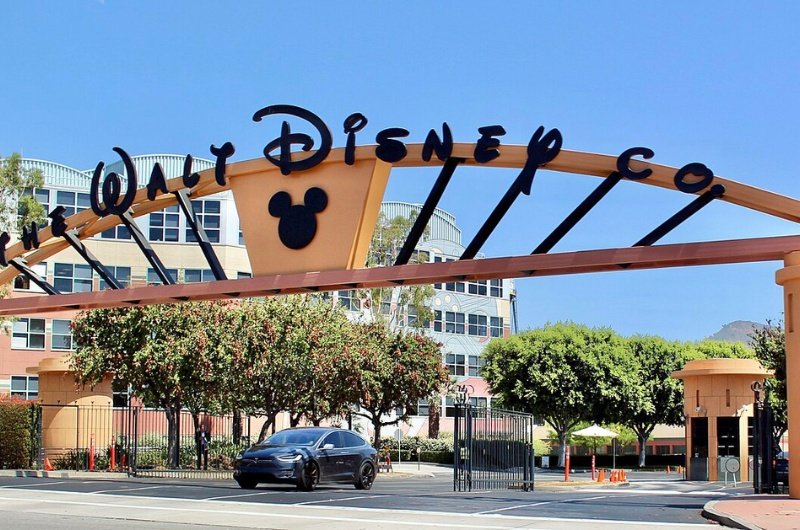
The Walt Disney Company has filed a lawsuit against Google’s parent company, Alphabet, alleging that the tech giant’s artificial intelligence systems unlawfully used Disney’s copyrighted characters and story assets without permission. The complaint marks one of the most consequential confrontations to date between a major entertainment conglomerate and a leading technology firm over the business risks created by generative AI. Disney claims that Google’s AI models can generate content that closely resembles iconic characters and franchises, suggesting that proprietary material was used in training datasets without licensing agreements. The company argues that such practices undermine its intellectual property portfolio — a core revenue driver that supports films, streaming, merchandising, and theme parks worldwide. The legal action comes at a pivotal moment for the entertainment industry. As AI systems become increasingly capable of mimicking artistic styles, voices, and visual identities, legacy media companies are scrambling to safeguard their creative assets and renegotiate how content may be used in emerging technologies. Disney has already begun exploring structured licensing partnerships with selected AI developers, signaling that it views controlled collaboration — not unrestricted use — as the path forward. For Google, the lawsuit introduces fresh uncertainty around how generative AI models source and process training data. If courts side with Disney, tech companies may face new financial and operational burdens, including licensing fees, dataset audits, and revised development practices to prevent unintentional reproduction of copyrighted material. The outcome of the case could reshape the economics of AI development and set a precedent for how intellectual property is valued, licensed, and protected in the digital era. With billions of dollars in creative assets at stake, the battle between Disney and Google is poised to influence strategy across both Hollywood and Silicon Valley for years to come.
White House Prepares AI Rulebook to Replace State Laws

The White House is preparing to issue a sweeping executive order that would create a single national framework for artificial intelligence regulation — a move aimed at replacing the growing patchwork of state-level AI laws with one unified federal standard. Administration officials argue that the rapid growth of AI requires consistent rules that give developers and businesses clarity across all 50 states. President Trump has recently emphasized this point in a social media post, saying the United States continues to lead global AI development but warning that progress could slow if individual states begin imposing their own approval processes. He argued that fragmented oversight would complicate innovation and signaled that a national standard is needed to keep the U.S. competitive. He also announced that he plans to sign a “One Rule” executive order later this week to establish a single federal system. The forthcoming order is expected to override many existing or proposed state regulations in favor of centralized federal authority. Supporters say this shift will help companies scale AI technologies nationwide without navigating a maze of conflicting local rules, strengthening America’s position in the global technological race. Opponents argue that the move could diminish state autonomy and weaken protections that local governments have created around privacy, algorithmic fairness, and consumer safety. Some legal analysts also question whether such a substantial regulatory overhaul can be achieved through executive action alone, rather than through Congress. Reactions within the industry remain mixed. Many companies welcome the idea of predictable, uniform standards, while civil liberties groups worry that preemption could roll back safeguards developed at the state level. The administration has suggested that the rulebook will balance innovation with responsible development, though the specific provisions have not yet been released. The final text of the executive order is expected soon. If enacted, it would mark one of the most consequential shifts in U.S. AI governance to date — redefining the boundary between federal oversight and state authority while shaping the future of American innovation.
How Social Media and Shopping Are Quietly Rewiring Gen Z Spending Habits

For years, Gen Z was framed as the generation most likely to spend impulsively, driven by social media trends and viral shopping culture. But new patterns suggest a shift is underway. While platforms like TikTok and Instagram still influence what young consumers buy, they are also reshaping how and why Gen Z spends — often in more cautious and intentional ways. Social media remains a powerful discovery engine, exposing users to products, brands, and lifestyles at unprecedented speed. But unlike earlier generations, Gen Z consumers are increasingly resistant to pressure-driven splurging. Many are blending inspiration with restraint, using social platforms to research purchases, compare alternatives, and delay buying rather than act immediately. Economic realities are playing a role in that recalibration. Higher living costs, student debt concerns, and job-market uncertainty have made younger consumers more selective. Instead of frequent impulse purchases, many are prioritizing versatility, resale value, and long-term usefulness. Thrift culture, secondhand marketplaces, and “no-buy” or “low-buy” challenges have gained traction alongside influencer marketing. At the same time, Gen Z is redefining what counts as a worthwhile purchase. Experiences, wellness, digital tools, and self-improvement products often outrank traditional status symbols. Social media reinforces this shift by elevating narratives around financial transparency, budgeting, and lifestyle sustainability — content that resonates with a generation navigating adulthood under economic pressure. The result is a quieter but meaningful rewiring of consumer behavior. Gen Z hasn’t rejected shopping culture, but it has reshaped it, blending influence with skepticism and aspiration with caution. As social platforms continue to evolve, so too will the spending habits of a generation learning to balance visibility, value, and financial survival in real time. ————– Related: No-Buy 2025: How Gen Z Is Redefining Spending in a Volatile Economy
New National Men’s Health Initiative Under Consideration

Federal health officials are weighing the creation of a national men’s health initiative, a move that could mark a significant shift in how the U.S. addresses longstanding health disparities affecting men across age groups. The proposal, currently under discussion within the Department of Health and Human Services, would aim to improve outcomes in areas where men consistently lag behind, including preventive care usage, chronic disease management, mental health support, and life expectancy. Men are statistically less likely than women to seek routine medical care, a pattern that health experts say contributes to higher rates of preventable illness and early death. Supporters of the initiative point to persistent gaps in screenings, vaccination rates, and early intervention, particularly among working-age men. Mental health has also emerged as a central concern, with men accounting for a disproportionate share of suicide deaths nationwide, despite being less likely to access counseling or treatment. If launched, the initiative could involve targeted public health campaigns, expanded research funding, and partnerships aimed at reducing stigma around men’s health and encouraging earlier engagement with healthcare providers. Officials have emphasized that the effort would complement existing public health programs rather than replace them. While still in the exploratory phase, the proposal reflects a growing recognition that one-size-fits-all health strategies may fail to address gender-specific risks and behaviors. Any formal rollout would require further review and coordination, but the discussion itself signals a broader shift toward more tailored approaches to public health in the U.S.
Supreme Court Weighs Case That Could Redefine Presidential Power
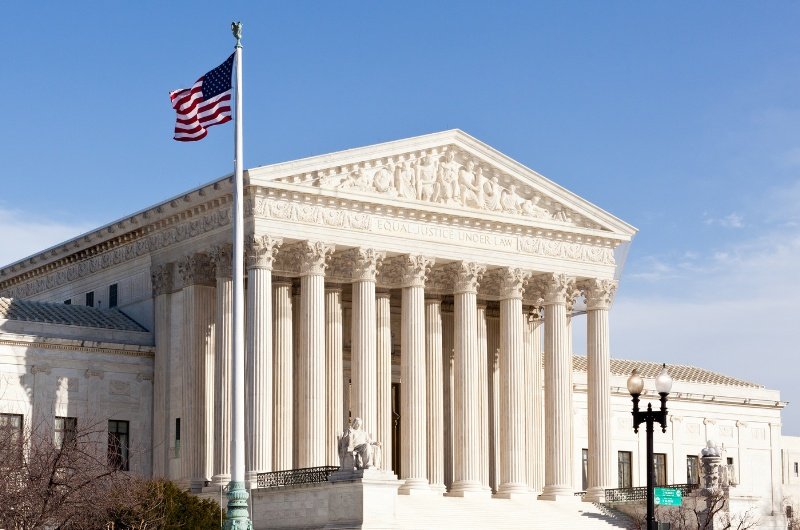
The U.S. Supreme Court is reviewing a major case that could reshape how much authority future presidents have. The case, Trump v. Slaughter, was argued on Monday, December 8, and has drawn national attention as the Court considers how far federal agencies can go when carrying out presidential directives. The dispute began when several states and private groups challenged agency actions they say stretched beyond what the law allows. They argue that presidents have leaned too heavily on executive agencies to push policies without clear approval from Congress. Supporters of the current system say presidents need flexibility, especially during emergencies when the government must act quickly. They warned that tightening agency powers too much could slow the country’s ability to respond to crises ranging from natural disasters to national-security threats. During Monday’s arguments, the justices questioned both sides on how a ruling might affect future administrations. While the Court has recently shown interest in narrowing agency authority, the tone of the questioning offered no clear indication of the final outcome. A decision is expected sometime next year. Legal experts say the ruling could have a long-lasting impact on how presidents govern and how federal agencies carry out national policy in the years ahead.
President Trump Unveils $1 Million “Gold Card” Visa Program
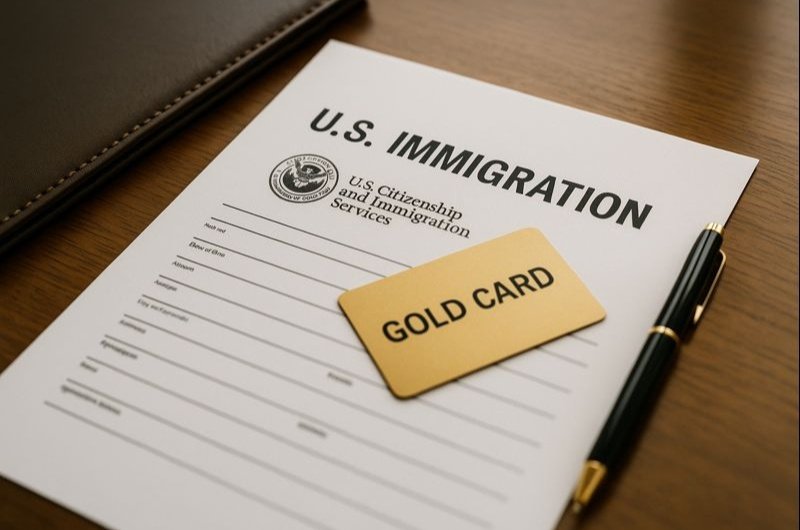
President Donald Trump’s administration has launched a new immigration pathway designed to fast-track U.S. residency for wealthy foreign applicants willing to make a seven-figure financial contribution. The initiative, known as the Gold Card, went live this week through a dedicated federal website where applicants can begin the process. Under the program, individuals seeking the Gold Card must first submit a non-refundable processing fee and undergo a background check. Once cleared, they can obtain the visa by making a $1 million contribution. A corporate variant allows companies to secure cards for key employees at a higher price per applicant. Officials describe the initiative as a strategy to bring capital and high-value talent into the U.S. economy. Administration leaders say early interest has been strong, suggesting the program could generate significant revenue. They argue that the Gold Card will help the United States compete for global investors and entrepreneurs, especially at a time when economic growth and innovation remain central policy priorities. Critics, however, warn that the new pathway effectively creates an immigration track available only to the wealthy, with some legal analysts noting that the structure may face judicial scrutiny. Questions have also been raised about whether executive action alone is sufficient to establish a new visa classification without additional authority from Congress. The Gold Card bears similarities to the long-standing EB-5 investor program but removes many of its job-creation requirements, shifting the focus toward direct financial contributions. As the rollout progresses, the program is expected to spark intense debate over fairness, legality, and the future of U.S. immigration policy.
Winter Storm Intensifies Over Great Lakes, Bringing Travel Delays Across Northeast
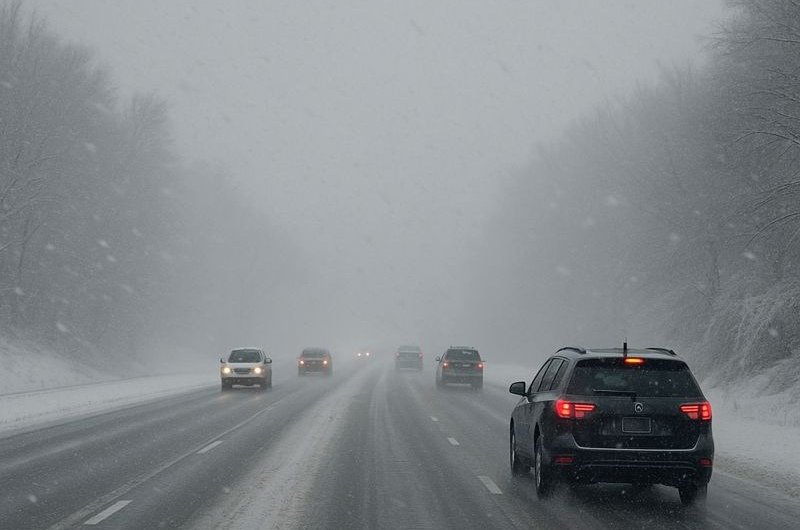
A powerful winter storm that swept through the Midwest earlier this week has now shifted into the Great Lakes and Northeast, bringing strong winds, fresh snowfall, and challenging travel conditions to millions of residents. The system’s core is currently centered over Michigan and tracking northeast through the day. Forecasters say gusts could reach up to 65 mph in parts of the Great Lakes region, creating blowing snow, reduced visibility, and hazardous road conditions. Snowfall totals vary widely, with heavier bands forming over areas downwind of the lakes as colder air continues pushing in behind the storm. While the Midwest experienced the storm’s initial impact days earlier, today’s conditions are hitting the Great Lakes and interior Northeast most directly. Winter Weather Advisories and Winter Storm Watches are in effect for parts of upstate New York and Pennsylvania, where the storm is expected to intensify through the afternoon and evening. Air travel has already been affected at airports in Detroit, Cleveland, and Buffalo, with airlines warning of additional delays as snow bands shift and winds strengthen. Travelers heading into the region are encouraged to monitor airline updates and prepare for changing conditions. Meteorologists expect the storm to gradually weaken late tonight into Friday, though lingering snow showers and wind gusts may continue to disrupt travel. Officials across affected states are urging motorists to use caution and remain alert to updated forecasts as crews work to keep highways clear.