

The One Question Entrepreneurs and Side Hustlers Can’t Afford to Ignore in 2026

Entrepreneurs and side-hustlers don’t usually struggle with effort. They struggle with alignment. Days fill quickly with planning, posting, refining, researching, and building — yet the financial results don’t always reflect the work being done. Busy days can still end without progress where it matters most. The issue isn’t ambition or discipline. It’s that too much work never actually touches revenue. Tasks feel productive, but they don’t move money. Over time, that disconnect creates frustration, burnout, and the sense that something isn’t working — even when effort is constant. One question helps cut through that noise: how does today’s work connect to revenue? Not eventually. Not after everything is perfect. Today. When that question becomes part of daily decision-making, priorities shift. Work becomes more intentional. Time is spent differently. Revenue-connected work doesn’t always mean selling directly. It can mean pitching, following up, improving a conversion point, promoting something already built, onboarding a client, or refining a monetized page. The common thread is simple: the action creates a clear path between effort and income. The power of this approach compounds over time. One revenue-focused action per day may feel small, but over the course of a year, it adds up to 365 intentional actions tied directly to earning. Imagine that. Few businesses fail because they didn’t work hard enough. Many stall because too few days were spent doing work that actually moved money. Consistency in the right direction beats intensity without focus — every time. The Takeaway Before the day ends, ask one question: How did today’s work connect to revenue? Then make sure at least one action answers it clearly. Progress isn’t built all at once. It’s built daily — one intentional, revenue-connected task at a time. ——————– Recommended: The Skills That Will Matter More Than Capital in 2026
Rewiring Goal-Setting for 2026

Every new year begins with ambition. It also tends to begin with pressure — long lists of resolutions, carefully written goals, and the quiet belief that this is the year everything must change. But by February, many of those goals fade, not because people lack discipline, but because they took on too much at once. The problem isn’t motivation. It’s overload. When multiple goals compete for attention, focus becomes fragmented and progress slows. Instead of building momentum, people often find themselves managing expectations, juggling priorities, and feeling behind before the year truly gets started. Focus, it turns out, isn’t a personality trait — it’s a strategy. Goal-setting needs a reset. Rather than aiming for ten major changes, the smarter approach for 2026 is choosing just one primary goal — or at most two. The real shift happens when a goal moves beyond intention and into action. Instead of asking what you want by December, ask what progress should look like by March — and what can realistically be done each week to move closer to the goal. Big goals don’t fail because they’re unrealistic; they fail because they aren’t supported by simple action steps that carry them forward until they are achieved. Success in 2026 isn’t about urgency or reinvention. It’s about clarity. Fewer goals create more room for follow-through, more confidence in decision-making, and a calmer relationship with time. This year doesn’t need to be bigger. It needs to be intentional. The Takeaway If you’re setting goals for 2026, consider focusing on one or two goals that truly matter — and commit just as seriously to the action steps required to achieve them. Goals without action remain intentions. Write down the steps, make them specific, and build them into your weekly to-do lists. Clarity sets direction. Action carries goals across the finish line.
FBI Prevents Alleged ISIS-Inspired New Year’s Eve Attack in North Carolina

U.S. authorities say they prevented a potential ISIS-inspired attack planned for New Year’s Eve in North Carolina, charging an 18-year-old with plotting violence against civilians and responding law enforcement officers. According to federal officials, the suspect was arrested before the attack could be carried out following an investigation led by the Federal Bureau of Investigation and the U.S. Department of Justice. Authorities allege the teen had discussed plans to target up to 20 people and had expressed allegiance to ISIS, though officials emphasized the suspect acted alone and was not directed by any foreign terrorist organization. Investigators say the case highlights the continued threat of online radicalization, particularly among young people. Law enforcement officials noted that digital platforms remain a key pathway for extremist content and recruitment efforts, even as traditional terror networks face increased pressure abroad. The thwarted plot underscores ongoing concerns about domestic security as the United States enters 2026. While officials credit proactive monitoring and investigative work with preventing violence, the case raises broader questions about how extremist ideologies circulate online and how law enforcement can intervene before plans escalate into action. Federal authorities said the suspect will face charges related to terrorism-inspired threats and weapons offenses. No injuries were reported, and officials stressed that there was no broader, coordinated threat tied to the alleged plot. The incident serves as a reminder that domestic terrorism threats continue to evolve, often emerging from decentralized, online environments rather than organized cells. As policymakers debate the balance between civil liberties, digital surveillance, and public safety, cases like this one are likely to shape security discussions throughout the year.
AI’s Rapid Growth Could Push Smartphone and PC Prices Higher in 2026

Artificial intelligence is reshaping the technology industry in ways that extend far beyond software. As demand for AI computing power accelerates, the hardware required to support it is becoming more expensive — and consumers may begin to feel the effects this year. Much of the pressure stems from the massive infrastructure needed to train and operate advanced AI systems. Data centers built to support AI workloads require large amounts of memory and specialized components, drawing supply away from the consumer electronics market. That shift is creating tighter availability for key parts used in smartphones, laptops, and personal computers. As component costs rise, manufacturers face difficult choices. Some may absorb a portion of the added expense, but others are expected to pass higher costs on to consumers. For shoppers, that could mean higher prices for new devices or fewer discounts compared with previous years. The trend arrives at a time when many consumers are already being selective about technology upgrades. While innovation continues, the pace of must-have device features has slowed, making price increases more noticeable. Buyers may hold onto phones and computers longer, repair existing devices, or delay upgrades altogether. Looking ahead, AI’s impact on hardware pricing highlights an often overlooked side of technological progress. While software capabilities advance rapidly, the physical resources required to power them remain finite. In 2026, the growth of artificial intelligence may not just change what devices can do — it may also influence how much consumers pay to use them.
Readovia Celebrates A Successful First Year & Pauses for Winter Break

As we head into the Christmas and New Year’s holiday week, the Readovia team is stepping away from the newsroom to enjoy time with loved ones, celebrate meaningful traditions, and embrace the rest and reflection this season invites. This pause comes at the close of Readovia’s first full year in publication. After officially launching in December 2024, 2025 marked our inaugural year of consistent reporting, editorial refinement, and audience growth. Over the past twelve months, Readovia established its voice, expanded coverage across the topics shaping modern life, and built a growing community of readers who value clarity, context, and thoughtful journalism. With deep gratitude for you — our loyal readers and supporters from the very beginning — we’re pausing publication from Christmas Eve through New Year’s Day. We’ll return on January 2 with fresh stories, insightful coverage, and a renewed commitment to meaningful reporting in the year ahead. Of course, should a major breaking story arise, we’ll be here to cover it — pajamas and all. Until then, all of us at Readovia wish you peace, warmth, safe travels, and memorable moments that matter most. Happy Holidays, — Jewel Perry, Editor-in-Chief and The Readovia Team
Justice Department Releases New Epstein Files, Drawing Scrutiny Over Redactions
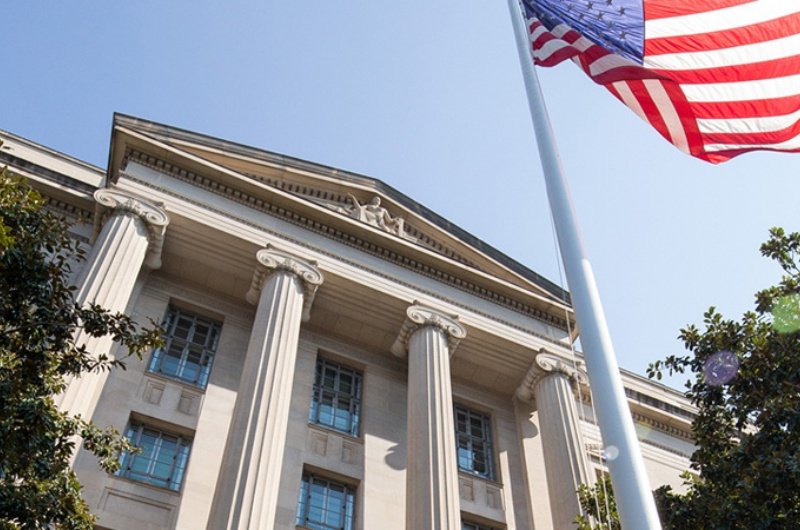
The U.S. Justice Department on Tuesday released a new batch of records connected to the late financier Jeffrey Epstein, unveiling tens of thousands of pages of documents and video files tied to the federal investigation that has long drawn public scrutiny. The release, which includes flight logs, internal communications, and investigative materials, adds new detail to Epstein’s network of high-profile contacts from the 1990s and early 2000s. Among the disclosures is documentation indicating that former President Donald Trump traveled on Epstein’s private jet multiple times during that period, a figure higher than previously acknowledged in public reporting. Despite the volume of material released, the documents are heavily redacted, prompting immediate criticism from lawmakers, victims’ advocates, and transparency groups. Survivors of Epstein’s abuse have expressed frustration that key names, dates, and contextual details remain obscured, arguing that the redactions limit accountability and public understanding of how Epstein was able to operate for years. Members of Congress from both parties questioned whether the Justice Department’s release fulfills the intent of recent transparency legislation aimed at making Epstein-related records public. Several lawmakers signaled that further action, including hearings or legal challenges, could follow if additional information is not disclosed. The Epstein case continues to cast a long shadow over the U.S. justice system, raising unresolved questions about prosecutorial decisions, elite influence, and institutional accountability. While the latest release sheds new light on Epstein’s connections, it has also intensified calls for a more complete accounting of one of the most notorious criminal cases in recent American history.
Powerball Jackpot Soars To $1.7 Billion

The U.S. Powerball jackpot has climbed to an astonishing $1.7 billion, setting the stage for a record-setting Christmas Eve drawing that has captured attention nationwide. The latest round of play produced no jackpot winner, allowing the prize to swell further after Monday night’s drawing. Several tickets matched five numbers to secure million-dollar wins, but the grand prize remains unclaimed — and growing. The odds of winning remain extraordinarily slim, roughly 1 in 292 million, yet the holiday timing has fueled ticket sales and renewed enthusiasm. Winners will ultimately face a choice between a long-term annuity paid out over decades or a one-time cash option estimated at just over $780 million, a sum that would instantly reshape any financial reality. The current jackpot ranks among the largest in U.S. lottery history, joining a short list of billion-dollar Powerball runs that have captured the public imagination. In a year marked by economic uncertainty and rising costs, the swelling jackpot has become a shared moment of optimism — a reminder of possibility, however remote. Beyond the headline figure, the extended rollover highlights the unique tension at the heart of lottery culture: the promise of sudden transformation set against the certainty of long odds. With the next drawing scheduled for Christmas Eve, millions of Americans may head into the holiday holding a ticket — and a fleeting sense of what-if — as the year comes to a close.
U.S. Moves to Block New Foreign-Made Drones Over National Security Concerns

U.S. regulators are moving to block approvals for new foreign-made drones, citing growing national security concerns tied to data collection and surveillance risks. The action targets future models produced by several overseas manufacturers, including industry-leading drone maker DJI, and marks a significant escalation in Washington’s scrutiny of consumer and commercial drone technology. Under the new restrictions, federal authorities will no longer grant approvals required for new drone models to enter the U.S. market. While drones already in use will not be affected, the move effectively freezes future sales and imports unless manufacturers meet stricter security standards. Officials have long warned that drones equipped with cameras, sensors, and location tracking capabilities could pose risks if sensitive data is accessed or transmitted outside the United States. The latest step reflects broader efforts to reduce reliance on foreign technology in areas deemed critical to national security. The decision could have wide-ranging implications for hobbyists, photographers, construction firms, agriculture operators, and public safety agencies that rely on drones for daily operations. DJI, which dominates the U.S. drone market, has consistently denied allegations that its products pose security threats and says customer data is protected. The drone restrictions arrive amid a larger push to tighten controls on foreign-made technology used in American airspace, communications, and infrastructure. As enforcement expands, consumers and businesses may soon see fewer choices — and higher costs — when it comes to next-generation drone hardware.
U.S. Halts Construction on Five Offshore Wind Projects Over National Security Concerns

The U.S. government has paused construction and leases for five major offshore wind projects along the East Coast, citing national security concerns that turbine blades and large offshore structures could interfere with military radar systems. The move disrupts projects already underway and introduces new uncertainty for one of the nation’s most ambitious renewable energy sectors. Interior Secretary Doug Burgum said the pause will allow federal agencies to work with developers and state partners to evaluate potential radar interference and other risks. Several of the affected wind farms were in active development and had already begun on-site construction. The halted projects include Revolution Wind, Vineyard Wind 1, Sunrise Wind, Empire Wind, and Dominion Energy’s Coastal Virginia Offshore Wind. Combined, they represent billions of dollars in investment and were expected to generate clean energy for hundreds of thousands of homes once operational. Political and Industry Response The decision drew rapid responses from both energy companies and political leaders. Supporters of offshore wind development warn that halting construction could jeopardize job growth, delay clean-energy timelines, and undermine regional commitments to renewable power. Supporters of the pause argue that ensuring military readiness must take priority. They point to concerns that large turbine blades and reflective offshore towers can affect radar performance, which is essential for tracking aircraft, detecting threats, and maintaining coastal defense operations. A New Flashpoint in U.S. Energy Policy The suspension arrives at a time when energy strategy, national security, and regulatory oversight are becoming increasingly intertwined in national politics. With construction halted, developers and state officials are assessing the economic impact and awaiting further federal guidance on whether — and how — the projects can resume. The move sets the stage for a broader debate over how the nation balances clean-energy ambitions with defense and security considerations heading into a pivotal election year.
U.S. Faces Early, Severe Flu Surge as ‘Super Flu’ Strains Hit Multiple States

The United States is facing an unusually early and aggressive flu season, with what health officials are calling a “super flu” strain driving sharp increases in cases and hospitalizations. Several states are reporting influenza activity far above normal levels for December, raising concerns as holiday travel accelerates. Hospital admissions for influenza have climbed rapidly in recent weeks, prompting heightened alerts at medical centers nationwide. States in the Mountain West, South, and Northeast — including Colorado, Louisiana, and New Jersey — are seeing some of the fastest growth in flu-like illness. Early analysis suggests the dominant H3N2 strain may be spreading more easily this season, contributing to the nationwide surge. Millions Already Affected Nearly 3 million Americans are believed to have fallen ill so far, with the overall burden continuing to rise ahead of the typical January–February peak. Hospitals in several regions report increased admissions among older adults and young children, who remain most vulnerable to severe illness and complications. Symptoms and What to Watch For Symptoms of the circulating strain mirror classic influenza signs — fever, persistent cough, body aches, headaches, congestion, and fatigue — but clinicians note that some patients are experiencing more severe respiratory symptoms than usual. Health professionals are urging people to seek early testing and treatment, especially those at higher risk. Health Officials Urge Prevention Public health officials continue to emphasize vaccination for anyone six months or older who hasn’t yet received a flu shot. Even when the circulating strain evolves, vaccination remains one of the most effective defenses, reducing the risk of severe illness and hospitalization. They also encourage simple preventive measures: washing hands regularly, staying home when sick, covering coughs and sneezes, and wearing a mask in crowded indoor settings if symptoms appear. A Potentially Difficult Holiday Season With millions of Americans traveling and gathering for the holidays, health experts warn the flu wave could intensify in the coming weeks. Hospitals nationwide are preparing for higher patient volumes as flu, RSV, and other respiratory viruses circulate concurrently.