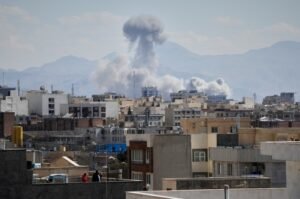

Washington is entering a new phase of tension over the Iran conflict as the United States moves additional troops and military assets into the Middle East, even as resistance to a deeper war grows at home. The question is how far the U.S. is willing to go without losing support in Congress and among the public.
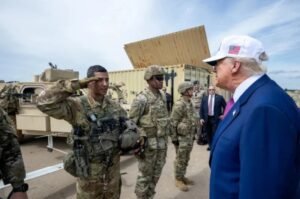
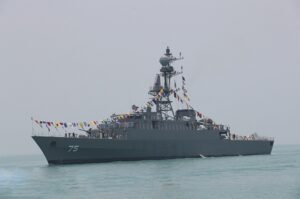
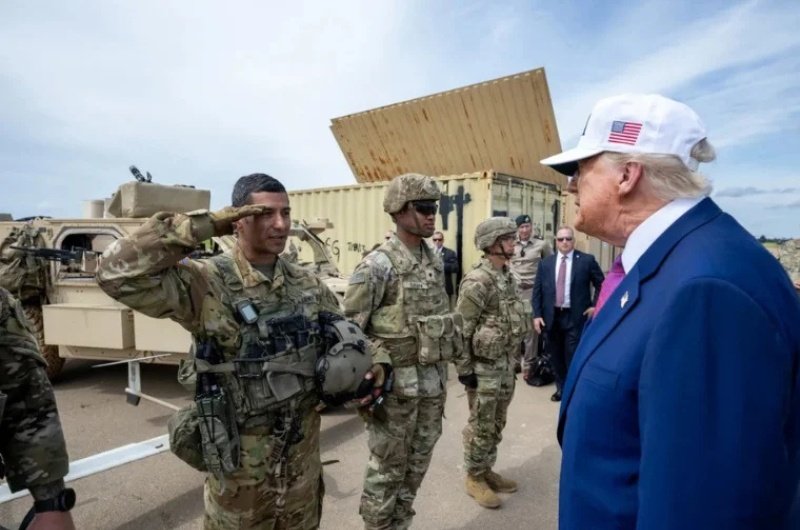
The military buildup is becoming increasingly visible. Additional Marines, paratroopers, and naval forces are being positioned across the region, giving the United States greater flexibility as the situation evolves. While officials have not committed to a ground war, the movement of forces is expanding the range of options — and raising new concerns in Washington.
Those concerns are beginning to surface more openly. Lawmakers from both parties are questioning whether the current trajectory could lead to deeper involvement, particularly without a clearly defined end goal. Some are emphasizing the need for Congressional oversight, signaling that any significant escalation could trigger a broader debate over war powers and executive authority.
Public sentiment is also playing a role. Many Americans remain wary of entering another prolonged conflict, and support for sending ground troops appears limited. That hesitation is shaping the political environment, making it more difficult for leaders to justify any major expansion of military involvement.
Even within traditionally supportive circles, there are signs of restraint. Backing remains stronger for targeted military actions, but support drops when the conversation turns to boots on the ground. That divide reflects a broader reality: while there may be agreement on applying pressure, there is far less consensus on committing to a larger war.
As the conflict continues, the United States is trying to balance two competing pressures — maintaining a strong position abroad while managing growing caution at home. But as more forces move into place and the situation becomes harder to contain, that balance is becoming increasingly difficult to hold.
——————–
Related:
U.S.–Iran Tensions Rise as Ceasefire Efforts Stall and Conflict Intensifies
Trump Issues Iran Ultimatum, Then Delays Strikes as Conflict Nears Breaking Point
Top U.S. Counterterrorism Chief Resigns, Says Iran Posed “No Imminent Threat”
Iran Closes Strait of Hormuz After Strikes, Threatening Global Oil Supply
BREAKING NEWS: U.S. and Israel Strike Iran; Supreme Leader Reported Dead as Region Erupts