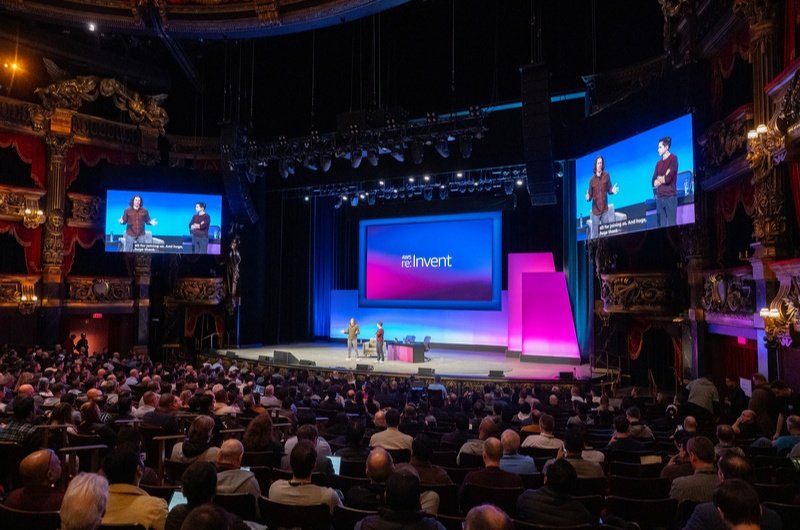
When AWS closed out its flagship cloud conference in Las Vegas today, the message was unmistakable: AI is quickly becoming the center of enterprise technology. At re:Invent 2025, Amazon unveiled a sweeping lineup of tools, chips, and intelligent services that together signal a new phase in computing: one where AI is embedded deeply into business infrastructure rather than added on top of it. For companies, developers — and ultimately everyday users — this marks a turning point in how modern software will be built and operated.
At the heart of AWS’s announcements is a major push into what it calls agentic AI — autonomous systems designed to make decisions, plan tasks, and manage complex workflows without constant human oversight. These aren’t simple chatbot assistants. They are persistent agents capable of acting for hours or even days, coordinating processes across cloud applications, and adapting to new information as they work. AWS also introduced its next-generation Nova models, a new tool for building custom enterprise AIs, and advanced silicon designed to run massive workloads with greater efficiency and lower cost.
One of the most striking shifts showcased at re:Invent is the move toward fully automated business operations. Customer-service platforms can now deploy AI agents that not only interact with callers but analyze context, determine next steps, and complete follow-up tasks end-to-end. Legacy software systems can be modernized more quickly using AI-driven refactoring tools. And for developers, new cloud-native workflows promise to eliminate much of the repetitive labor involved in deployment, testing, and maintenance — potentially freeing teams to focus more on innovation.
But even with stunning technical progress on display, a lingering question remains: Are enterprises ready? Building and deploying autonomous agents at scale requires strong data governance, risk controls, and internal trust — areas where many organizations are still catching up. Some early adopters will sprint ahead, but for others, the transition to AI-driven infrastructure may unfold gradually as companies learn how to balance efficiency with oversight and accountability.
For the broader tech world — and for consumers who will eventually use the products powered by these systems — AWS re:Invent 2025 signals a clear direction for the future. AI will not be a feature. It will be the foundation. As 2026 approaches, the landscape is shifting fast toward intelligent apps, self-operating cloud systems, and business processes driven by autonomous logic. In short: the next era of technology is already here.