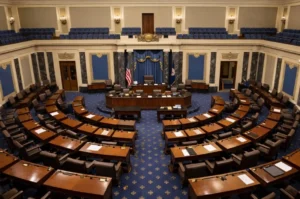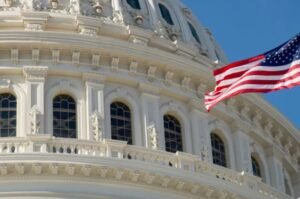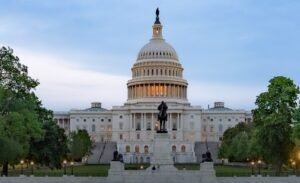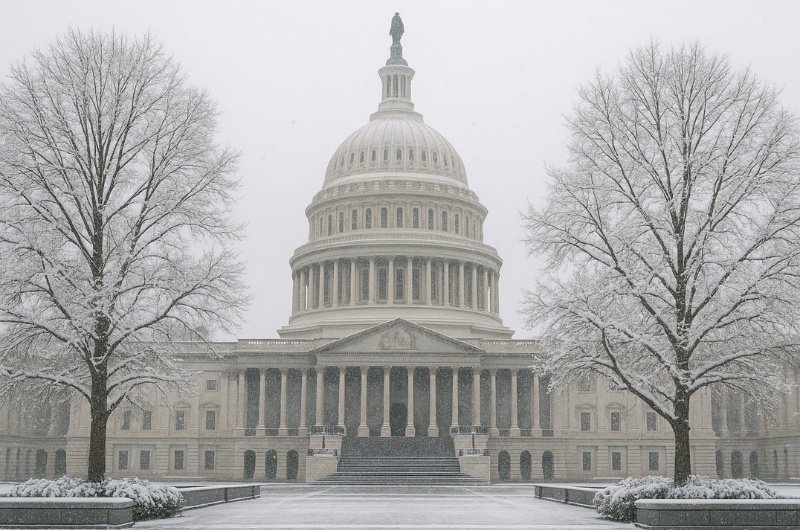
Congress is once again racing against the clock as another government funding deadline looms. Lawmakers have yet to finalize the full slate of appropriations bills, and without action, large parts of the federal government could grind to a halt. The political urgency has escalated as both chambers face mounting pressure to avoid a shutdown that would reverberate across the economy and disrupt essential public services.
Earlier this year, the House passed a temporary funding measure to keep the government open, but long-running disagreements in the Senate have stalled progress. Deep divides remain over spending levels and policy riders, making even short-term compromise difficult. What started as routine budget negotiations has quickly transformed into one of the most consequential fiscal standoffs of the year.
If Congress fails to reach a deal in time, the impacts would be immediate. Hundreds of thousands of federal workers could face furloughs or unpaid work. Non-essential agencies may pause or scale back operations, while delays could ripple through federal programs, grants, research institutions, and state-level services that depend on federal support. The uncertainty alone carries economic consequences, unsettling markets and eroding public trust in Washington’s ability to govern effectively.
This latest standoff reflects a deeper, long-term problem: Congress has struggled for decades to pass all of its required spending bills on schedule. Instead, lawmakers have grown increasingly reliant on stopgap measures and last-minute negotiations, creating a cycle of recurring fiscal crises. The pattern underscores not only partisan polarization but also the structural fragility of the federal budgeting process itself.
As the deadline approaches, the stakes couldn’t be clearer. Congress can strike a deal — even a temporary one — to keep the government running, or allow ideological battles to push the country into another disruptive shutdown. For millions of Americans who rely on federal services, the clock is ticking, and the consequences of inaction would be felt far beyond Capitol Hill.