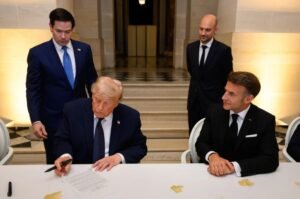



The Trump administration’s negotiations with Harvard University are close to being finalized, according to comments from the Secretary of State this week. The announcement signals a potentially consequential turning point in a months-long dispute over federal research funding and academic governance.
The discussions are part of a broader push behind what the administration calls the Compact for Academic Excellence, a proposed framework that ties access to federal funds to policy changes on free speech enforcement, campus governance, and transparency standards. Several major universities — including Brown — publicly rejected the compact earlier this year following sharp criticism from faculty, alumni and student groups. Harvard has remained engaged in negotiations, though under significant pressure from lawmakers and federal agencies.
At the center of the ongoing talks is the question of funding: access to billions of dollars in federal research and program grants, which support everything from scientific innovation and medical research to financial aid initiatives. Administration officials have suggested that an agreement would require structural commitments from Harvard, potentially including reforms in admissions oversight, disciplinary transparency and protections for political and ideological expression on campus.
Supporters of the compact argue that universities receiving federal dollars should demonstrate higher accountability and responsiveness to students, taxpayers and public governance standards. Critics counter that the compact blurs the line between legitimate oversight and political interference, threatening academic independence and the ability of universities to govern themselves without federal pressure.
The outcome of the negotiations is expected to set an influential precedent for the relationship between elite universities and Washington. Whether Harvard accepts or rejects the compact could reshape higher-education funding models, research competitiveness and campus policy nationwide. With expectations rising and tensions escalating across academic institutions, the resolution of this deal may determine the future balance between federal authority and university autonomy.