Heart rate variability is becoming one of the wellness world’s most closely watched numbers, as smartwatches, fitness rings, and recovery apps push stress tracking into everyday life.
Known as HRV, the metric measures small variations in time between heartbeats. While that may sound technical, researchers have long viewed HRV as a window into the autonomic nervous system, which helps regulate the body’s response to stress, rest, recovery, and physical strain. Research has also explored HRV monitoring as a way to better understand stress patterns tied to burnout and overall recovery.
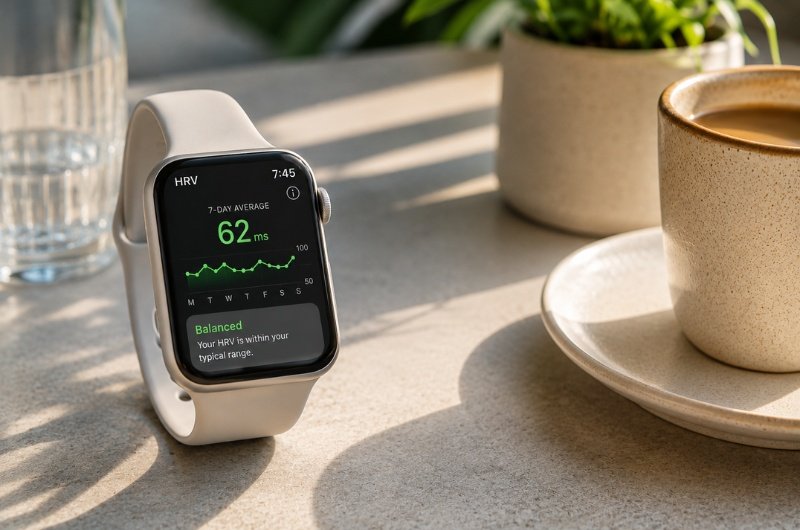
The growing interest is being fueled by wearable devices that now place HRV alongside sleep scores, resting heart rate, steps, and recovery data. For many users, the appeal is simple: stress can feel invisible until it shows up as exhaustion, poor sleep, irritability, or illness. HRV gives people a way to observe daily signals that may affect overall wellness.
Experts caution, however, that HRV should not be treated like a universal scorecard. A “good” number can vary widely based on age, genetics, fitness level, sleep, illness, medication, alcohol use, and everyday stress. Instead, many wellness professionals say the more useful pattern is personal — whether someone’s HRV is rising, falling, or remaining unusually low compared with their own baseline.
That may be one reason HRV is gaining traction beyond athletes and biohackers. In an era shaped by burnout, overstimulation, and always-on work culture, more people are looking for ways to better understand how stress may be affecting the body before it becomes impossible to ignore.