


Trump Pushes Apple to Keep iPhone Production in the U.S.

Donald Trump has a message for Apple: stop building iPhones in India. At a recent business summit, Trump told CEO Tim Cook he wants more of the company’s production to stay in the U.S. — not move overseas. Trump expressed his concerns directly to Cook, stating, “I had a little problem with Tim Cook yesterday. He is building all over India. I don’t want you building in India.” Apple’s Strategic Shift Apple has been progressively shifting its manufacturing operations to India, aiming to reduce dependence on Chinese factories amid escalating U.S.-China trade tensions. Reports indicate that Apple plans to move the assembly of all iPhones sold in the U.S. to India by the end of 2026. Economic Implications Trump’s remarks come at a time when India is emerging as a significant player in the global tech manufacturing sector. In 2024, iPhone exports from India reached a record $12.8 billion, marking a 42% year-on-year rise. Potential Impact on Apple’s Operations If Apple heeds Trump’s request, it could face challenges in meeting production targets and managing costs. The company’s diversification strategy aims to mitigate risks associated with geopolitical tensions and supply chain disruptions. Looking Ahead As Apple navigates this pressure from Washington, the tech world is watching closely. The company’s next move could influence how U.S. tech giants balance global operations with domestic expectations. The Author
Pentagon Begins Removing Transgender Troops as Trump Directive Takes Effect

The U.S. military has begun enforcing a controversial policy that will remove up to 1,000 transgender troops from active service. The directive follows a recent Supreme Court ruling and an executive order signed by President Donald Trump in January, which bans individuals from serving in the military if their gender identity differs from their biological sex at birth. According to an internal Pentagon memo, active-duty personnel have until June 6 to voluntarily identify for discharge, while reserve members face a deadline of July 7. After that, involuntary separations will begin. Critics say the move undermines the service of qualified individuals who have risked their lives for the country. LGBTQ+ advocacy groups have condemned the policy as discriminatory and dangerous, calling it a rollback of hard-won rights under prior administrations. Supporters of the policy argue that it is necessary to maintain unit cohesion and reduce medical costs. The new directive stems from Executive Order 14183, which Trump signed shortly after taking office in his second term. It revives and expands a similar ban issued during his first presidency — one that was later reversed under President Biden. Public opinion on the issue has shifted. A recent Gallup poll shows support for transgender military service has dropped from 71% in 2019 to 58% in 2025, highlighting growing polarization on social policy under the current administration. For the affected troops, however, the decision is more than political — it’s personal. Many now face abrupt career changes, loss of benefits, and the emotional toll of being pushed out of service simply for who they are. The Department of Defense has not indicated whether it will provide transition support or legal resources for those impacted. The Author
NYC Mayor Eric Adams Meets with Trump Following Corruption Case Dismissal
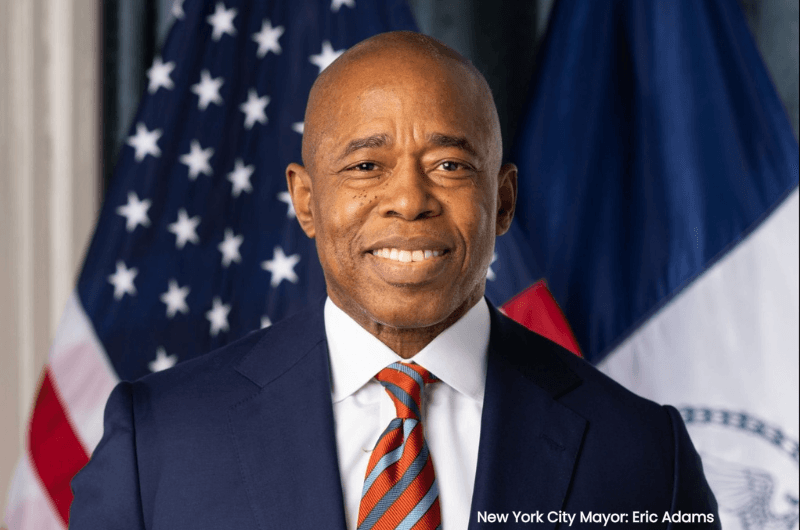
New York City Mayor Eric Adams met with President Donald Trump in Washington on Friday, marking a high-profile return to the national stage just weeks after a federal judge formally dismissed a corruption case against him. The two leaders met behind closed doors to discuss what Adams described as “city priorities,” including federal funding for infrastructure, public housing, and transportation upgrades. Details of the meeting were sparse, but Adams characterized the conversation as “productive.” The timing of the meeting has raised eyebrows. Just a month ago, a federal judge approved the Justice Department’s request to dismiss a criminal case that had accused Adams of accepting illicit campaign contributions and gifts from Turkish officials. The charges, which Adams denied, included allegations that he helped fast-track the opening of a Turkish diplomatic building that failed to meet fire code inspections. The DOJ’s decision to drop the case prompted resignations from two prosecutors and renewed concerns about political interference in high-level investigations. Critics have accused the Biden administration of cutting a backroom deal to protect Adams — an accusation both the White House and the mayor’s office deny. Adams’ political transformation has also drawn attention. Once a centrist Democrat, Adams has shifted right in recent months, embracing stricter immigration enforcement and public safety crackdowns. He’s even floated the idea of running for reelection as an independent — a move that would make him one of the most visible bipartisan figures in American politics. For now, Adams appears focused on rebuilding his image — and his influence — through proximity to power. Whether this marks the start of a strategic alliance with Trump or just a brief detente remains to be seen.
DHS Agents Visit D.C. Restaurants Demanding I-9 Records, Stirring Fear Among Workers

(Updated May 9, 2025) A surprise wave of federal immigration enforcement swept through Washington, D.C., this week, as agents from the Department of Homeland Security (DHS) visited over 100 local restaurants in a single day. The unannounced inspections, which began Tuesday morning, left restaurant owners, employees, and patrons stunned — and raised new concerns about the Trump administration’s aggressive immigration tactics. Among the establishments visited were popular eateries like Chef Geoff’s, Millie’s, Pupatella, and Ghostburger. In each case, agents requested I-9 employment verification forms but made no arrests. Some restaurants were told agents would return within days to collect additional documentation. The visits were part of a broader “worksite enforcement” initiative, according to DHS. In a statement, the agency said the operation was designed to ensure businesses comply with U.S. immigration and employment laws. However, many restaurant owners described the visits as disruptive and intimidating. Bo Blair, owner of Millie’s in Spring Valley, said eight agents entered his restaurant through multiple doors just as it was opening for lunch. “They asked to speak to employees,” Blair said. “We told them no.” The agents then requested employee records, which were not kept on-site. The sudden inspections have had immediate consequences Some employees have not returned to work, citing fear and uncertainty. “Two people didn’t come into work today,” Blair noted. “We’re concerned with people being too scared to come into work.” D.C. Mayor Muriel Bowser expressed strong disapproval of the raids “I have heard those reports. I’ve been getting them all morning. I am disturbed by them,” Bowser said. “It appears as though ICE is at restaurants, or even at neighborhoods, and it doesn’t look like they’re targeting criminals, and it does look like they’re disrupting.” The Restaurant Association of Metropolitan Washington also criticized the approach Shawn Townsend, the association’s president, stated, “There is a sense of fear. It’s alarming, it’s concerning. Immigrants make up a large amount of workers in our restaurants in the district. I think there could have been a better way to get the information that these ICE agents, from what I’m told, were looking for.” This enforcement action is part of the Trump administration’s intensified efforts to bolster border security and enforcement within the U.S. These operations have included visible warnings of future raids and community apprehension that led to canceled Cinco de Mayo celebrations. As the city grapples with the aftermath, many are left questioning the broader implications. The raids have not only disrupted business operations but have also instilled fear within immigrant communities, highlighting the human cost of such enforcement strategies.
Trump and Starmer Sign US-UK Trade Deal — But Call It ‘Just the Beginning’

A new trade chapter may be opening — but no one’s calling it a final draft. Today, President Donald Trump and UK Prime Minister Keir Starmer signed a preliminary US-UK trade agreement that both sides hailed as a step toward stronger economic ties. The deal, unveiled in a joint press conference, includes tariff reductions on key goods such as steel, aluminum, and automobiles — a notable development amid years of fluctuating post-Brexit trade relations. While the White House framed the deal as a “historic milestone,” other U.S. officials were quick to temper expectations, calling the agreement “the end of the beginning” rather than a sweeping resolution. Key details — including future negotiations on digital trade, agriculture, and financial services — remain unresolved. What’s in the deal? Tariffs on U.S.-made steel and cars entering the UK will be eased British-made aluminum and EV components will receive expanded access to U.S. markets A commitment to further negotiations aimed at reducing red tape for small and mid-sized exporters What’s not in the deal? No movement yet on contentious agricultural standards No clarity on data privacy or tech-sector regulation No full free-trade agreement — at least not yet Why now? Both leaders face intense domestic pressure: Trump is seeking to boost his economic credentials ahead of a likely re-election bid, while Starmer is aiming to stabilize the UK’s trade posture post-Brexit and amid sluggish growth. Critics on both sides say the deal is heavy on symbolism and light on substance. Still, it marks a rare moment of international cooperation in a polarized political year. What comes next? A second round of talks is expected in the fall, with negotiators hoping to broaden the agreement into a more comprehensive economic partnership. For now, though, Trump and Starmer are content to call it progress — and signal that the “special relationship” still has room to grow.
Netflix Dodges the Drama: Trump’s Tariff Moves Won’t Kill the Vibe

Netflix isn’t sweating over Donald Trump’s proposed tariffs — and for good reason. The streaming giant isn’t slowing down — in fact, it’s thriving. With more than 300 million subscribers worldwide, Netflix continues to dominate the streaming landscape. The company started 2025 on a high note, adding a record-breaking 18.9 million new subscribers in the final quarter of 2024. Much of that momentum is translating directly to the bottom line. Netflix said its better-than-expected revenue was fueled by stronger-than-forecast growth in both subscriptions and ad dollars. Back in January, Netflix bumped up prices across all tiers — its standard plan now costs $17.99 a month, the ad-supported tier is $7.99, and the premium plan jumped to $24.99. Despite the increases, subscriber growth remained robust, signaling that loyal viewers are still willing to pay for top-tier content. This latest earnings report also marks a strategic shift. For the first time, Netflix opted to not disclose its quarterly subscriber numbers — a move signaling a transition in how the company measures success. Instead, Netflix says it will emphasize revenue, engagement, and other financial metrics moving forward. The state of Netflix is strong. Even in the face of shifting political winds and economic uncertainty, Netflix is making one thing clear: the binge is far from over.
Trump to Terminate IRS Direct File Program, Sources Say

The IRS Direct File program — a first-of-its-kind system allowing Americans to file their federal taxes directly with the agency, for free — is on the chopping block. According to sources familiar with the decision, the Trump administration plans to scrap the service, halting what had been hailed by some as a transformative step toward simpler, no-cost tax filing. An Experiment in Easy Filing Launched as a pilot in early 2024, the IRS Direct File program was available to select users in 12 states. It allowed eligible taxpayers with straightforward returns — mainly W-2 earners — to bypass third-party software and file directly with the federal government, entirely online and entirely free. The tool had been praised by public interest groups and lawmakers who have long called for more equitable tax filing options. For many who used it, the program worked — it was simple, intuitive, and didn’t try to upsell users or hide costs behind fine print. More than 140,000 taxpayers reportedly used the pilot service this season. Trump Admin Pulls the Plug Despite positive early feedback, President Donald Trump’s administration has made the decision to end the program, sources close to the matter confirmed. Though no formal announcement has been made, the move is expected to be finalized in the coming weeks. While the White House has yet to publicly justify the cancellation, the move lines up with longstanding opposition from tax preparation companies that have spent years lobbying against government-run alternatives. The IRS offering a free, no-frills service poses a direct threat to the private tax prep industry — an industry that profits handsomely from the complexity of the U.S. tax code. The Trump administration’s critics are already crying foul, claiming the decision prioritizes corporate interests over taxpayer convenience. “Free to File” — But Not for Long? Democratic lawmakers and consumer advocates have urged the administration to reconsider. “This is about giving Americans a fair and free way to file their taxes — not letting corporate lobbyists dictate federal policy,” said one congressional aide who requested anonymity. For now, the IRS has remained silent on the future of the program. A formal statement is expected once the administration finalizes its decision. What This Means for Taxpayers If the Direct File system is shut down, taxpayers in future years will be left with the usual set of options: use private software, hire a preparer, or navigate the complex forms on their own — none of which guarantee a free or painless experience. For those who saw Direct File as a long-overdue modernization of the tax system, this could mark a disappointing turn backward. The pilot showed what was possible. But politics may end the experiment before it ever truly begins. The Author
Trump’s First 30 Days A Whirlwind – White House Says He’s Just Getting Started
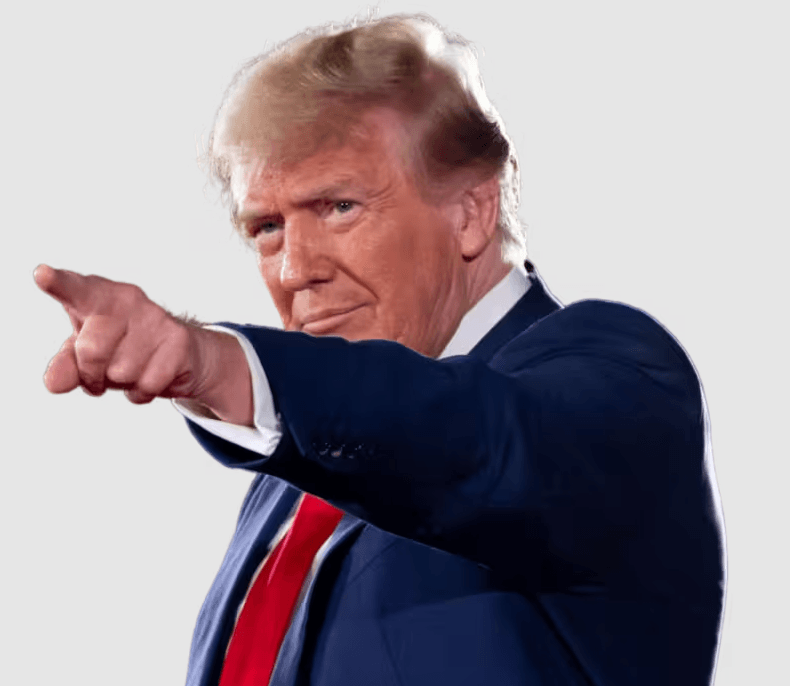
Second Term Begins with A Bang President Donald J. Trump has wasted no time in making sweeping changes during the first month of his second term. From securing the nation’s borders to reshaping trade policies and foreign relations, his administration has implemented aggressive measures aimed at fulfilling his campaign promises and restoring what he calls “America First” policies. Here’s a deep dive into the key actions taken so far. Here’s a recap of Trump’s work during his first 30 days in office – according to the White House. Securing America’s Borders One of President Trump’s most urgent priorities has been tackling illegal immigration. He declared a national emergency at the southern border, leading to an immediate deployment of military personnel, including the elite 10th Mountain Division. This decision has already yielded a dramatic 85% reduction in illegal border crossings within just ten days. His administration has doubled down on enforcement measures: Laken Riley Act Signed: This new law mandates the detention of illegal immigrants arrested or charged with theft or violent crimes. End of “Catch and Release”: The policy that allowed illegal immigrants to remain in the country while awaiting hearings has been scrapped. Termination of CBP One App: Previously, this app facilitated the entry of over a million illegal immigrants, but it is now discontinued. No More Taxpayer-Funded Benefits for Illegal Immigrants: Federal resources will no longer be allocated to providing welfare, healthcare, or housing assistance for those who entered illegally. Accelerated Deportation Flights: Criminal illegal immigrants are being swiftly removed from the country. To further address security concerns, the administration designated gangs like MS-13 and Tren de Aragua as Foreign Terrorist Organizations, enabling law enforcement to take a more aggressive stance against them. Additionally, a new agreement with New York City Mayor Eric Adams allows federal immigration officers to operate at Rikers Island, expediting the deportation of illegal alien criminals. Economic and Trade Policy Overhaul President Trump has revived his hardline stance on trade, implementing new tariffs to protect American industries and workers. 25% Tariff on Goods from Mexico and Canada: Designed to push these countries to take stronger action on border security and drug trafficking. 10% Tariff on Chinese Imports: A continuation of Trump’s efforts to reduce reliance on China and bring manufacturing jobs back to the U.S. Following initial resistance, Mexico and Canada agreed to reinforce their border security efforts, leading to a temporary pause on the new tariffs. The administration is also addressing birthright citizenship, ordering an end to the practice that grants automatic U.S. citizenship to children of non-citizens born in the country. Additionally, the U.S. Refugee Admissions Program has been suspended to reassess national security concerns. Reasserting American Strength in Foreign Policy On the international stage, President Trump has reversed several policies of the previous administration: Cuba is Once Again Labeled a State Sponsor of Terrorism: This designation reinstates strict economic sanctions. Support for Israel’s Settlements Restored: Sanctions imposed on Israeli settlers have been lifted. Withdrawal from the Paris Climate Agreement and WHO: In a move to focus on national interests, Trump has once again exited global agreements he believes undermine U.S. sovereignty. Mexico City Policy Reinstated: Federal funding for international organizations that provide abortion-related services has been revoked. Legal and Administrative Crackdown Trump’s Department of Justice is cracking down on cities and states that refuse to enforce immigration laws: Lawsuits Filed Against Sanctuary Cities: These jurisdictions are being sued for failing to comply with federal law. Funding Revoked for Non-Compliant States: Federal funds are being pulled from any city or state that does not enforce immigration laws. The Whole Matter President Trump has started his second term with a forceful approach to governance, emphasizing border security, economic protectionism, and a reassertion of American power on the world stage. His policies are already having measurable impacts, from drastically reducing illegal crossings to strengthening America’s economic position. With these sweeping changes, it’s clear that Trump is just getting started in his mission to reshape the country according to his “America First” vision.
Trump Enforces Major Changes, Job Cuts – Americans Protest
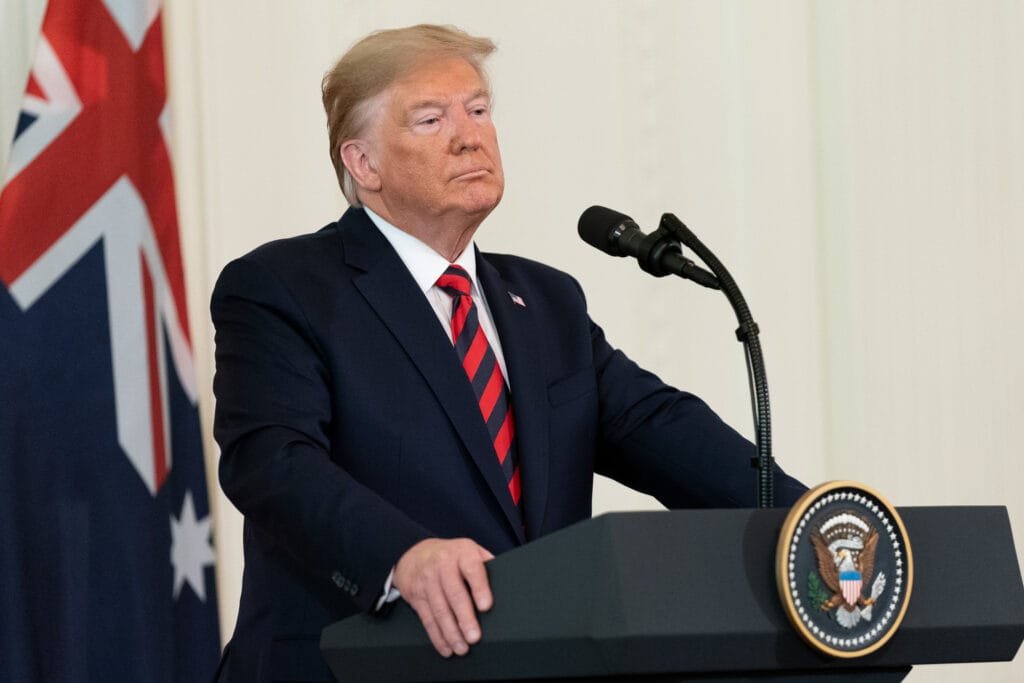
In his first month back in office, President Donald Trump has made swift and dramatic changes to the federal government. His administration has implemented new policies, sparked national protests, and removed thousands of federal workers from their positions. Here’s a look at the major developments so far. Government Restructuring and Policy Shifts One of President Trump’s first moves was placing a hiring freeze on federal agencies, preventing most new hires unless deemed essential. His administration has also focused on reducing government size, cutting budgets, and eliminating positions considered unnecessary. A controversial decision was the appointment of Elon Musk to lead a newly created agency, the Department of Government Efficiency (DOGE). Musk, known for his business ventures, has taken an aggressive approach to downsizing, particularly targeting agencies like the Department of Energy and USAID. However, the legality of his appointment has been challenged, and lawsuits are already in motion. Nationwide Protests Erupt The rapid pace of these changes has led to widespread public outrage. Across the country, protests have erupted, with many government workers voicing concerns over job security and the impact of mass layoffs. San Francisco saw a particularly large demonstration, where people gathered to criticize cuts they fear will weaken essential services. A growing movement among federal workers, operating under the slogan “Hold the line, don’t resign,” encourages employees to stay in their roles to prevent further dismantling of government institutions. Activists argue that privatization and deep budget cuts could result in inefficiency and a decline in the quality of public services. Federal Workforce Reductions The Trump administration’s effort to streamline government operations has already resulted in thousands of job losses. The Department of Veterans Affairs has let go over 1,000 employees, leading to concerns about how it will continue to provide services to former military personnel. The Department of Education has also seen major cuts, with at least 60 employees dismissed, particularly in areas related to civil rights and student financial aid. Meanwhile, the Small Business Administration has reduced its workforce by nearly 20%, terminating around 720 employees. What Comes Next? With just under 30 days in office, Trump’s policies are already reshaping the federal government. His administration promises that these changes will create a more efficient system, while critics argue they threaten essential services and public sector stability. As protests continue and legal battles unfold, the next few months will determine the long-term effects of these actions.
Trump poised for unrestricted leadership
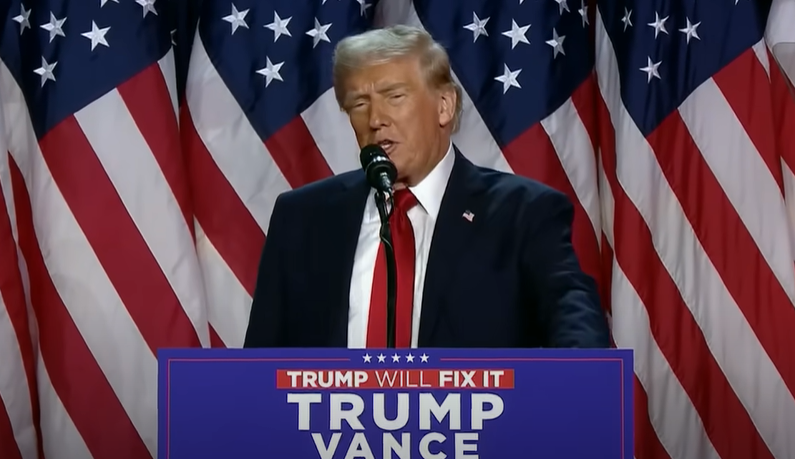
Donald Trump has made history once again. Nearly eight years after his surprising win over Hillary Clinton, and four years after Joe Biden’s term removed him from office, Trump is ready to return to the White House. With a strong showing in key early voting states and improved support across the country, Trump declared he has a “powerful mandate” to lead. “This will truly be America’s golden age,” he told a cheering crowd in West Palm Beach, Florida. A Stronger Conservative Movement Trump’s victory signals a continued shift in U.S. politics toward conservative populism—a movement that began with his 2016 election and appeared at risk after his 2020 defeat. Now, this movement looks stronger than ever. Trump now has the chance to build a new administration and act on the promises he’s made for a brighter American future. This administration will also be supported by a Republican-controlled Senate, which makes confirming Trump’s political appointees easier, including his Cabinet and judges. Although results for the House of Representatives aren’t final, Trump predicted a Republican win there too. Having a Republican-led Congress will help him advance his plans, including a complete federal overhaul by appointing loyalists to key positions across the government. Joining Trump in his administration are big names like billionaire Elon Musk, vaccine skeptic Robert F. Kennedy Jr., former Democrat Tulsi Gabbard, entrepreneur Vivek Ramaswamy, and others in his unique coalition. Four Years to Fulfill Promises Trump has also pledged new tariffs to protect U.S. industries, targeted tax breaks, and large-scale deportation of undocumented immigrants. On foreign policy, he promises to quickly end conflicts in Ukraine and Gaza, focusing on America’s interests. By January, his administration will handle these global challenges. Vice President Kamala Harris, Democrats, and some of Trump’s former advisors warn that his policies may disrupt the economy and society, possibly even affecting global stability. They worry that a second Trump term could be even less restrained than his first. Trump himself admitted his second term might “be rough at times,” but he promised good results in the end. A majority of voters, it seems, agreed. With a Republican Congress, Trump could reverse many of the policies from the last four years and pass conservative laws on taxes, spending, trade, and immigration, aiming to leave a lasting mark on government. A Remarkable Comeback Trump’s victory marks a surprising comeback for someone who left office after the January 6 incident, seemingly with his reputation in trouble. After intense criticism from both Democrats and some Republicans, Trump spent four years working his way back to the top. During that time, he faced legal challenges, including criminal indictments, felony convictions, civil judgments related to assault claims, and major fines for his business. Yet, he pushed forward, securing the Republican nomination and focusing on his campaign. Though his rallies could sometimes be unfocused, Trump built a skilled team. Polls showed voters trusted him on immigration and the economy, and his campaign stayed on these issues. Being aligned with voter concerns proved crucial, as many Americans—and people in democracies worldwide—were increasingly anti-incumbent. Trump’s campaign mobilized rural voters and cut into Democratic strongholds in urban areas. Preliminary exit polls show he even gained ground with younger, Hispanic, and Black voters, groups that usually vote Democrat. Although Trump’s team initially struggled when Biden left the race, leaving him to face Kamala Harris, he soon found his stride, riding the wave of anti-incumbent sentiment back to the White House. Now, with four more years ahead, Trump has a more organized political team ready to turn his promises into lasting policies. We’ll be following his presidency closely, and reporting on his progress here at Readovia. Related Podcast Trump Reclaims White House Throne Donald Trump has defeated Kamala Harris and will return to the White House in January 2025. Sources attribute Trump’s victory to key wins in swing states and suggest that inflation may have been a contributing factor. In this discussion, we highlight the significance of Trump’s victory, including his position as the first convicted felon to win the presidency.