


Readovia Exclusive – Inside ChatGPT: The AI That’s Quietly Powering a Digital Revolution

From Homework to Headlines — Meet the AI You Didn’t Know You Were Already Using Whether it’s drafting emails, explaining complex topics, generating code, or writing social media posts, ChatGPT has quickly become one of the most widely used — and least understood — tools on the planet. With over 100 million active users worldwide, this conversational AI, developed by OpenAI, is now a silent co-worker in homes, schools, startups, and Fortune 500 companies alike. How It Works (In Plain English) ChatGPT is built on something called a “large language model.” Picture feeding a supercomputer thousands of books, websites, and academic papers, then teaching it how to respond like a human in real time. The most advanced version, GPT-4, can handle a range of tasks including writing, explaining, summarizing, translating, and even analyzing images and data in certain formats. What makes it so powerful is that it doesn’t just retrieve information — it can write, explain, brainstorm, generate original content, and assist users across nearly every field imaginable. It can even think with you — in real time. Is There Just One ChatGPT? Not Even Close ChatGPT isn’t a single AI personality fielding questions for the entire planet. Instead, millions of individual instances are created — and quietly shut down — every day, each focused solely on one user’s request. And when we say “shut down,” we don’t mean anything dramatic. It’s simply how the system saves computing power once a session ends.Each conversation disappears when it’s over — unless memory is enabled, allowing the AI to remember past chats and respond in a more personalized way over time. Where You’ll See ChatGPT Next In apps, search engines, and websites In classrooms, creative studios, and corporate dashboards”” As a writer, analyst, assistant, tutor, or translator — depending on the need And this is just the beginning. OpenAI is already working on GPT-5, which is expected to offer even more advanced reasoning, personalization, and multi-modal capabilities later this year. The Takeaway You don’t need to be a tech expert to benefit from ChatGPT. In fact, many people using it every day don’t fully realize just how deeply it’s shaping the way we learn, create, and make decisions. In a world obsessed with productivity and speed, ChatGPT isn’t just another tool — it’s quietly becoming part of the way we think. The Author
Beyond the Scale: Why Ozempic-Style Drugs May Reshape Modern Medicine
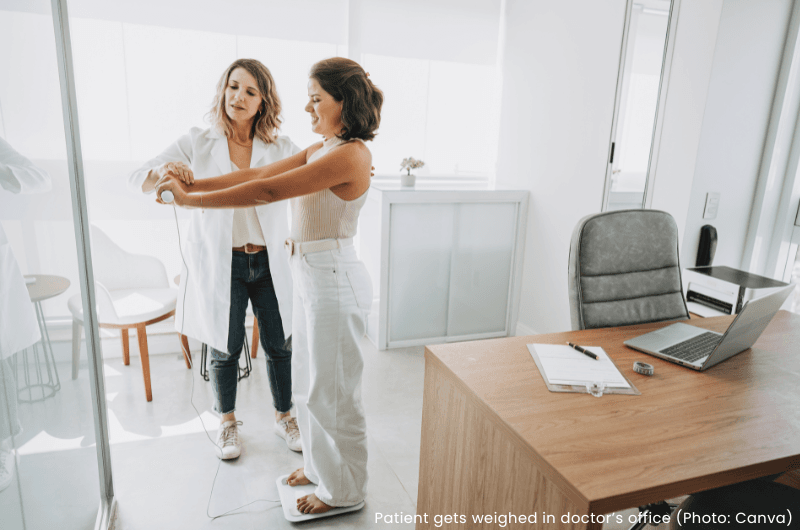
From Weight Loss to Whole-Body Health Originally created for diabetes, drugs like Ozempic, Wegovy, and Mounjaro have taken the health world by storm for their ability to help patients lose weight. But in 2025, scientists are discovering these medications could do far more than shrink waistlines. Doctors are now studying their effects on heart health, addiction, fertility, and even Alzheimer’s — signaling what may be the dawn of a new era in metabolic medicine. The Science Behind the Shift These medications belong to a class known as GLP-1 receptor agonists. They work by mimicking a hormone that helps regulate appetite, blood sugar, and digestion. The result? Less hunger More stable blood sugar Slower digestion, which leads to fewer cravings One woman who spoke to Readovia said she was prescribed Ozempic for her type 2 diabetes back in 2018. She wasn’t trying to lose weight — but year after year, the pounds fell off. “I just wasn’t very hungry,” she said. “I used to eat two or three slices of pizza. Now I’m lucky to finish one.” Treating More Than Obesity Clinical trials are now underway to explore these medications in treating: Heart disease and stroke prevention Polycystic ovary syndrome (PCOS) Alcohol and nicotine addiction Cognitive decline Sleep apnea and hormonal imbalances Some researchers are calling it a “metabolic reset button” — a way to address the root causes of multiple chronic conditions, not just the symptoms. But There’s a Catch These drugs are expensive, and insurance coverage remains uneven. One woman told Readovia she requested Ozempic — or a similar option — specifically for weight loss. While her doctor was supportive, the pharmacy later informed her that her insurance denied coverage for the prescription. Her experience isn’t uncommon, especially for patients seeking off-label use. There are reported side effects. Some users report nausea, fatigue, or muscle loss. And debate continues over who truly needs the medication — and who might be seeking a shortcut in a wellness-obsessed world. Still, the momentum is clear: Ozempic-style medications are no longer just about losing weight — they’re becoming a cornerstone of modern preventive medicine.
Layoffs, Pay Cuts, and Empty Carts: How America Is Quietly Adjusting to an Uncertain Future

In an unsettling new chapter of America’s evolving economy, government workers across the country are facing unexpected job cuts — and even those who have managed to hold on are not unscathed. One federal employee said that although she was allowed to keep her position, it came with a crushing condition: a 40% pay cut. “It was either accept the cut or lose the job entirely,” she said. “At this point, something is better than nothing.” As news of the government layoffs spreads, everyday Americans are bracing for what feels like a slow, cautious shift into an uncertain future. Shoppers, workers, and businesses are adjusting in real time, tightening their spending but continuing to find ways to participate in the economy — just more carefully. The job market, once competitive, is now cutthroat Conversations with job seekers reveal a grim reality: even before the government layoffs, many jobs listed on LinkedIn and other job sites were attracting 100+ applicants almost immediately. With the addition of those re-entering the job market and scrambling to find employment, the landscape feels even more crowded and daunting — and the sense of urgency has never been higher. Small businesses are feeling the pressure too. A local nail salon owner told Readovia he has noticed a subtle but meaningful change: while loyal customers are still coming in for manicures and pedicures, they’re spacing out their visits — now booking appointments every three to four weeks instead of every two. “It’s different, but at least they’re still coming”, he said with cautious optimism. “We’ll adjust. We have to.” Even grocery shopping habits tell a story of adaptation At a popular local supermarket, a striking sight revealed itself in the parking lot: bins of full-sized shopping carts sat empty, while bins for the smaller carts were full. It’s a small but telling detail — shoppers are buying less at a time, sticking closer to necessities, and adjusting their habits in subtle but profound ways. Despite the tensions and tightening belts, the resilience of the American spirit is still visible. People aren’t disappearing from the economy — they’re finding new rhythms within it. Whether by trimming budgets, adjusting schedules, or making smarter choices about where and how to spend, Americans are signaling that while the future may feel murky, they aren’t giving up. As government workers, small business owners, and everyday families navigate these shifting tides, one thing is clear: America is adjusting — cautiously, carefully, and determinedly.