

Trump Administration Seizes Control of D.C.’s Union Station

The Trump administration has assumed control of Union Station, Washington, D.C.’s main transportation hub, transferring management from Amtrak to the Department of Transportation. The move marks the latest step in a sweeping federal takeover of the nation’s capital, which has already seen law enforcement powers shifted away from local authorities. Union Station, just blocks from Capitol Hill, has long been a focal point for both commuters and visitors. While federal officials described the site as deteriorating and unsafe, critics argue the station has already undergone significant improvements in recent years, including the clearance of homeless encampments and progress on a $10 billion expansion project announced last year. The change in oversight is being framed as part of a broader campaign to reshape the capital’s infrastructure and security under direct federal control. For supporters, the move signals an effort to impose order and modernization on a high-profile landmark. For opponents, it is yet another example of centralized authority displacing local governance in Washington. Union Station’s new status underscores a defining theme of the administration’s approach to the city: visible, high-impact assertions of control that blend politics, symbolism, and power over some of the capital’s most iconic spaces.
FEATURE: Analyzing Elon Musk’s Strategic Firings at the CFPB: Benefit or Risk?
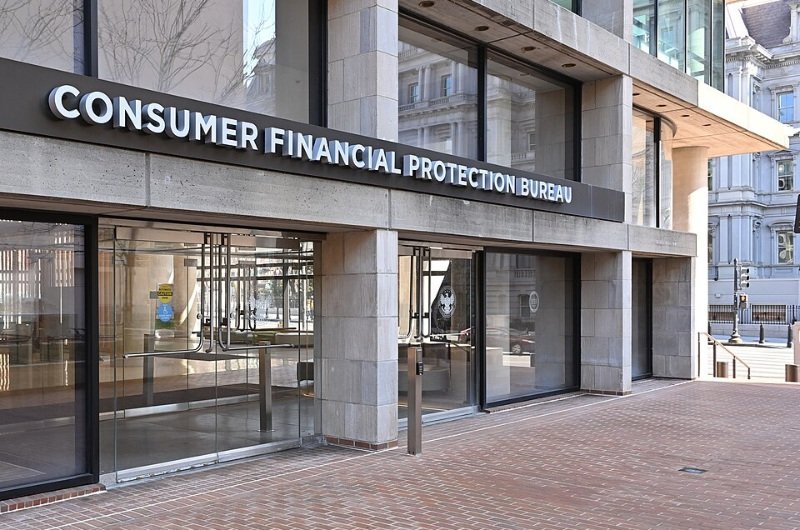
The Consumer Financial Protection Bureau (CFPB) is a pivotal regulatory agency established in response to the financial crisis of 2008, with the primary goal of protecting consumers from unfair, deceptive, or abusive practices in the financial sector. Its functions extend to overseeing financial institutions, enforcing consumer laws, and fostering transparency and fairness in financial transactions. Given the crucial role the CFPB plays in ensuring accountability within the financial sphere, any significant changes in its leadership or operational methodologies are likely to have wide-ranging implications for both consumers and financial entities alike. Recently, Elon Musk gained attention for his strategic firings at the CFPB, a move that has stirred considerable debate among both business and regulatory circles. These actions are particularly notable given Musk’s influential persona within the tech and automotive industries, leading to questions regarding the intersection of his entrepreneurial ambitions and regulatory governance. His motivations may be rooted in a desire to reshape regulatory frameworks that may hinder innovation or market competition, particularly in sectors where Musk has vested interests, such as finance and technologies associated with electric vehicles and space exploration. This intersection between Musk’s business interests and the regulatory environment of the CFPB demands careful examination. The repercussions of such strategic firings are not confined to organizational dynamics; they are emblematic of broader trends in how entrepreneurial leaders engage with regulatory bodies. As we delve deeper into Musk’s motivations for these actions, it will become imperative to consider both the immediate and long-term effects these changes may have on the regulatory landscape and consumer protections that the CFPB is designed to uphold. Understanding this nuance will be key to analyzing whether Musk’s approach serves as a benefit or a risk to the financial sector and its consumers. Overview of the CFPB: Mission and Functions The Consumer Financial Protection Bureau (CFPB) was established in response to the 2008 financial crisis, with the primary mission of protecting consumers in the financial sector. Created by the Dodd-Frank Wall Street Reform and Consumer Protection Act of 2010, the CFPB aims to ensure that consumers have access to fair and transparent financial products and services. It is tasked with regulating and overseeing a wide array of financial organizations, including banks, credit unions, mortgage servicers, and payday lenders, ensuring that they adhere to federal laws regarding consumer protection. One of the CFPB’s central objectives is to provide consumers with the necessary tools and information to make informed financial decisions. This includes implementing regulations that promote transparency in financial transactions, developing educational resources, and offering recourse mechanisms for consumers to address grievances against financial institutions. The bureau also performs critical functions such as rulemaking, enforcement, and supervision in order to mitigate unfair, deceptive, or abusive practices in the financial services industry. By prioritizing consumer rights, the CFPB seeks to create a more equitable marketplace. In addition to its protective functions, the CFPB also serves as a watchdog within the financial industry. It collects and analyzes data on consumer financial practices, which helps in identifying trends and emerging risks. This empirical knowledge informs the bureau’s regulatory decisions and helps guide legislative initiatives aimed at improving financial consumer protections. For corporations, including those associated with figures like Elon Musk, the implications of CFPB regulations can be profound. Businesses must navigate the complexities of compliance to avoid penalties and to uphold their reputation as responsible entities in the eyes of consumers. Understanding the mission and functions of the CFPB is essential for analyzing Musk’s strategic firings within the context of potential regulatory conflicts and corporate governance. A Closer Look at Elon Musk: Business Ventures and Influence Elon Musk is a prominent entrepreneur whose ventures span multiple industries including automotive, aerospace, and technology. His most notable companies, Tesla and SpaceX, have revolutionized their respective fields but also intersect with complex regulatory frameworks, such as those enforced by the Consumer Financial Protection Bureau (CFPB). At the helm of Tesla, Musk has led the company to become a global leader in electric vehicles, pushing the boundaries of sustainable transportation while navigating various financial regulations. These regulations are crucial as they govern consumer protection laws that impact the automotive financing ecosystem. SpaceX, founded by Musk in 2002, has redefined the aerospace industry with a focus on reducing space travel costs and enhancing accessibility to space. The intersection of SpaceX with regulatory oversight becomes evident when considering its involvement in federal contracts and partnerships. A clear understanding of the implications of financial regulations is essential, as failure to comply could jeopardize lucrative contracts or funding opportunities, ultimately influencing the company’s growth trajectory. Furthermore, Musk’s influence extends beyond these companies, impacting the tech industry at large. His ventures often inspire innovation, prompting competitors to adapt and thrive under the evolving landscape shaped by new technologies and changing consumer expectations. However, as the leader of such influential enterprises, Musk also faces potential vulnerabilities linked to the CFPB’s regulations. Any strategic decision made by him or the companies under his guidance may bear scrutiny, especially concerning consumer financial services. Musk’s approach to managing these regulatory challenges is critical in determining how his businesses navigate risks while seizing growth opportunities in a climate that emphasizes consumer protection. The Rationale Behind Musk’s Firings at the CFPB Elon Musk’s decision to implement strategic firings at the Consumer Financial Protection Bureau (CFPB) has garnered significant attention and raised various questions regarding the underlying motivations. At the core of these actions lies Musk’s goal to reshape the organization to better align with his vision for the financial regulatory landscape. One of the primary justifications Musk employed for these firings is the belief that a streamlined workforce within the CFPB would allow for a more agile and responsive regulatory body, capable of adapting to the rapidly evolving financial technology sector. An interpretation of Musk’s approach suggests that he views the firings as a necessary step toward reducing the existing regulatory scrutiny that his businesses may face. By replacing key personnel with individuals who are more aligned with his business philosophy,