


Trump Administration Announces Two-Year Closure of Kennedy Center
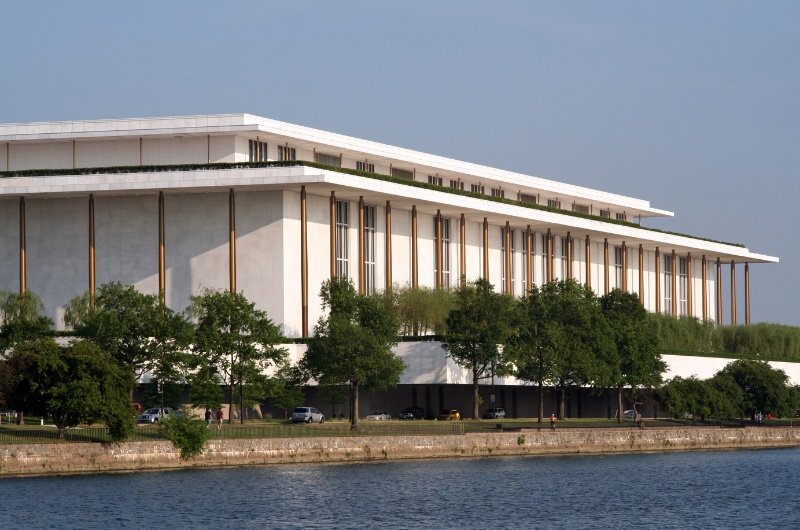
The Trump administration announced plans to close the John F. Kennedy Center for the Performing Arts for up to two years, citing the need for extensive renovations to the nationally recognized cultural institution. The decision immediately sparked concern across the arts community, with critics questioning both the timing and the broader implications for public access to federally supported cultural spaces. Administration officials said the closure would allow for long-delayed infrastructure upgrades, including mechanical systems, accessibility improvements, and structural repairs. The Kennedy Center, which hosts thousands of performances each year, is a major cultural landmark in Washington and receives significant federal support alongside private donations. Artists, performers, and arts advocates responded swiftly, warning that a prolonged shutdown could disrupt programming, displace performers, and weaken the country’s cultural ecosystem. Several organizations expressed concern that alternative venues may not be able to absorb the scale of performances typically housed at the center, particularly for national and international acts. The announcement also raised political questions, as the Kennedy Center operates under a public-private model and is overseen by a board that includes presidential appointees. Critics argue that decisions affecting such a prominent cultural institution warrant broader consultation and transparency, while supporters of the closure say renovations are necessary to preserve the venue’s long-term viability. The John F. Kennedy Center for the Performing Arts, which opened in 1971, has long been viewed as a symbol of American artistic achievement. As plans for the closure move forward, attention will turn to how the administration balances infrastructure needs with the center’s role as a living, accessible space for the arts.
Federal Agents Identified in Fatal Minneapolis Shooting, Renewing Calls for Accountability
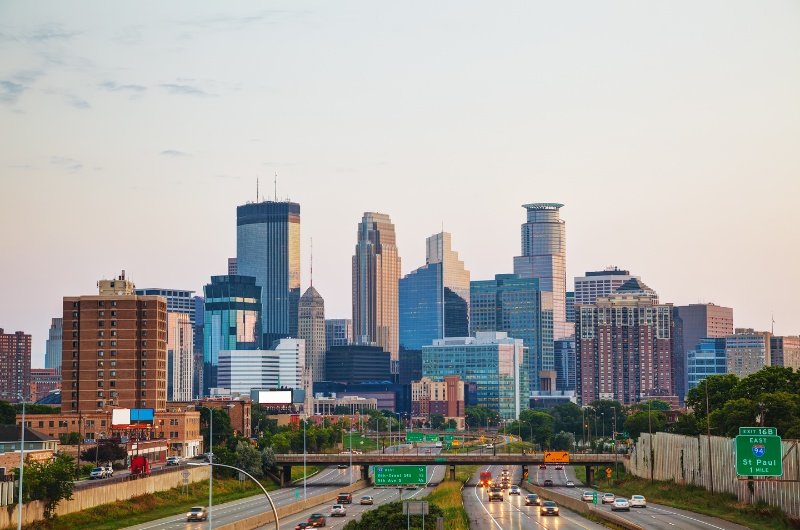
Federal immigration officers involved in a fatal shooting in Minneapolis have been identified, intensifying scrutiny of federal law enforcement operations and the use of force during domestic enforcement actions. The incident, which occurred during a large-scale federal operation, has sparked protests and renewed calls for transparency and accountability. The shooting took place in south Minneapolis during an immigration enforcement surge that brought armed federal agents into multiple neighborhoods. The individual who was killed, a local resident, died following a confrontation with officers. Details surrounding the encounter remain under investigation, and questions persist about the circumstances that led to the use of lethal force. In the days following the shooting, officials confirmed the identities of the officers involved after initially withholding their names. The delay drew criticism from community leaders and civil rights advocates, who argued that public trust depends on timely disclosure when law enforcement actions result in civilian deaths. Both officers have been placed on administrative leave, consistent with standard procedure in fatal use-of-force cases. The U.S. Department of Justice is reviewing the incident, including whether civil rights violations may have occurred. Local officials have also called for independent oversight, emphasizing the need for clarity around the scope of authority exercised by federal agencies operating outside traditional border regions. The case has fueled broader debate over the role of U.S. Customs and Border Protection and other federal entities conducting enforcement actions in major cities. As demonstrations continue and investigations move forward, the shooting has become a flashpoint in the national conversation about federal policing, accountability, and the balance between enforcement and community safety in Minneapolis.
FBI Seizes Hundreds of Boxes of 2020 Election Records in Fulton County, GA
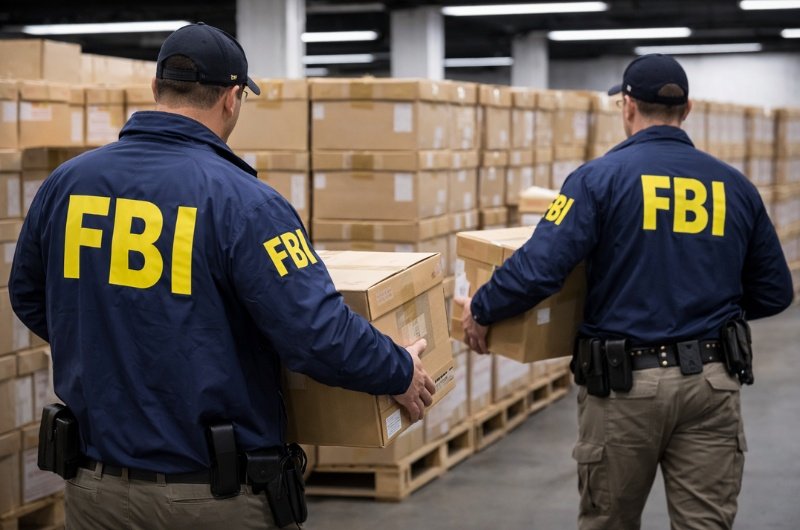
Federal authorities have seized hundreds of boxes of election materials from Fulton County, Georgia, as part of an ongoing investigation tied to the 2020 presidential election. According to county officials, FBI agents executed a sealed, court-authorized search warrant at the county’s elections operations facility, removing an estimated 700 boxes of materials. The records reportedly include ballots, ballot images, tabulation data, and other election-related documents from the 2020 cycle. The Justice Department has not publicly detailed the scope or purpose of the seizure, and the warrant remains sealed. Fulton County leaders said they were not given advance notice and expressed concern about the lack of transparency surrounding the operation, calling it an unusual federal action involving local election infrastructure. The seizure immediately drew national attention, reopening scrutiny around the 2020 election — particularly in Georgia, one of the most closely contested states in that race. While Republicans have framed the move as a lawful investigative step, Democrats and election officials have raised questions about oversight, process, and precedent. Federal authorities have not indicated when, or if, additional information will be released. County officials say they are reviewing their legal options and awaiting further clarification from the Justice Department.
Government Shutdown Risk Grows as Immigration Enforcement Fight Escalates
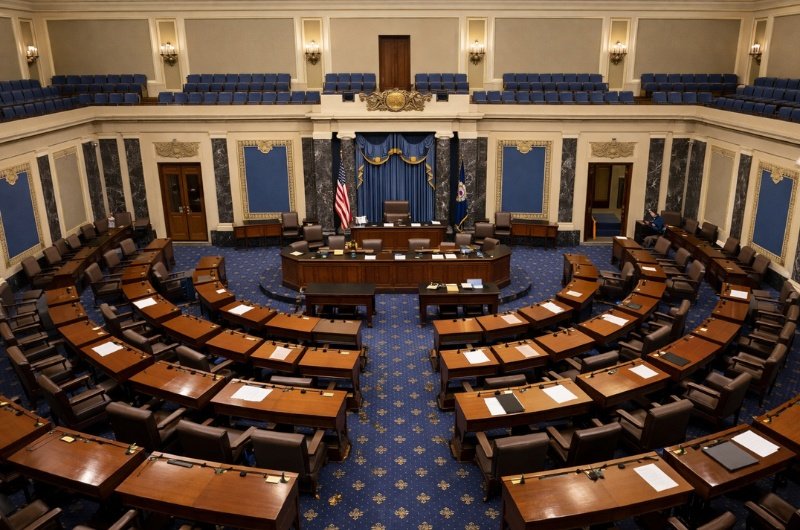
A partial U.S. government shutdown is increasingly likely as lawmakers remain locked in a high-stakes standoff over immigration enforcement policy and federal funding for the Department of Homeland Security. Senate Democrats have signaled they are prepared to block a key spending bill unless the Trump administration agrees to new accountability measures for Immigration and Customs Enforcement. The dispute has pushed budget negotiations to the brink, with current federal funding set to expire within days. What’s at Stake If Congress fails to reach an agreement before the deadline, parts of the federal government could shut down, disrupting agency operations and delaying services. Democrats are calling for stricter rules governing immigration enforcement, including limits on the use of face coverings by agents, expanded body camera requirements, and clearer standards for arrests and use of force. The demands come amid heightened national scrutiny of immigration operations following several controversial enforcement actions that have fueled protests and public debate in multiple cities throughout the country. Political Impasse Republicans have pushed back against restructuring the spending bill to include the proposed changes, arguing that immigration enforcement policy should not be tied to must-pass funding legislation. Efforts to separate Homeland Security funding from the broader budget package have been discussed, but no agreement has been finalized. As negotiations continue behind closed doors, lawmakers are bracing for the possibility that talks could collapse, triggering a shutdown that would add fresh instability to an already tense political climate. Bottom Line Even a partial shutdown would have real consequences, halting some federal operations and intensifying pressure on both parties as the immigration debate collides with the government’s basic ability to function. What began as a policy dispute over immigration enforcement has evolved into a broader budget showdown, with the risk of a government shutdown now squarely in view.
Lingering Ice and Severe Cold Weather Continue to Disrupt Daily Life, School, and Travel
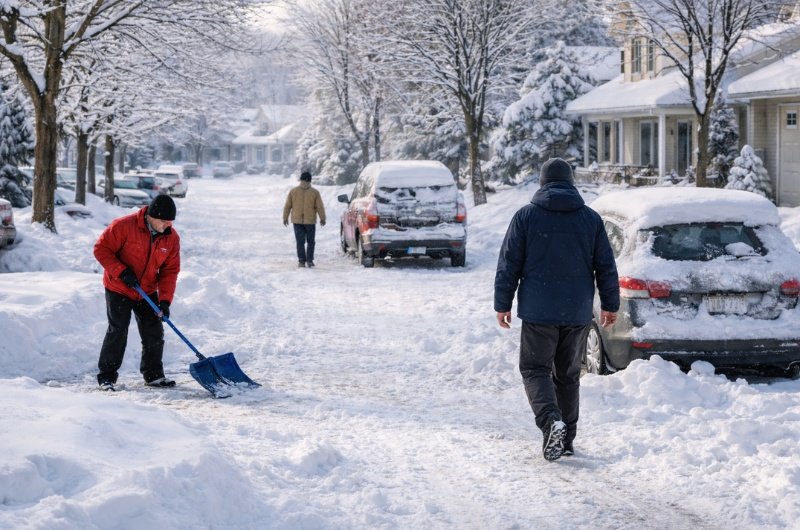
A prolonged stretch of severe winter weather is continuing to disrupt daily life across large parts of the United States this week, as snow, ice, and dangerously cold temperatures force school closures, travel delays, and widespread interruptions to normal routines. While the heaviest snowfall has passed in some regions, lingering ice and sustained below-freezing temperatures are keeping many communities effectively shut down. In parts of the Midwest and Northeast, school districts have closed campuses from Monday through Thursday, citing ongoing safety concerns. Officials say the decision is not solely about snow-covered roads, but also the risk posed by extreme cold. In many communities, children walk to school or wait outdoors for buses, making exposure to freezing temperatures and wind chills a serious concern during early morning hours. Transportation networks remain strained as icy road conditions slow travel and contribute to ongoing flight delays and cancellations. Even where snow removal is underway, refreezing overnight temperatures have left untreated roads slick and hazardous, particularly during commute times. Local officials are urging residents to limit travel where possible as cleanup efforts continue. The cold snap has also placed pressure on utilities and emergency services. Heating demand has surged as temperatures remain well below seasonal averages, while municipalities work to maintain power reliability and keep roadways passable. Residents are being encouraged to check on vulnerable neighbors and prepare for continued disruptions as the cold persists. Forecasters warn that although the storm system itself is easing in some areas, the combined effects of snowpack, ice, and prolonged cold could continue to impact schools, travel, and local infrastructure through the end of the week, underscoring how winter weather can extend far beyond the initial snowfall. Weather forecasters are monitoring another potential winter storm system that could move into parts of the country this weekend, raising the possibility of additional snow and ice in areas still recovering from this week’s conditions. While forecasts are still developing, residents should stay alert for updates as the situation becomes clearer. Readovia will continue to follow the latest developments and keep readers informed.
When What Americans See Conflicts With What They’re Told

The killing of Alex Petti during a federal immigration operation in Minnesota over the weekend has ignited a familiar and deeply unsettling national debate: what happens when official statements do not appear to align with what the public can plainly see. In a press briefing following the incident, the Department of Homeland Security described a confrontation that, according to authorities, justified the use of deadly force. But video footage circulating online has prompted many Americans to question whether the events involving Petti unfolded as described. According to federal officials, Petti posed a threat during the operation and resisted law enforcement. Video recorded at the scene, however, appears to show a markedly different sequence of events, one that has fueled public skepticism and intensified scrutiny. The footage, widely shared and closely examined, has become central to how the public understands the incident, raising questions that extend beyond a single encounter. At the heart of the controversy is not only what happened in Minnesota, but how Americans are being asked to reconcile competing versions of reality. In an era where video evidence is often immediate and unavoidable, public trust increasingly depends on whether official narratives can withstand direct visual comparison. When there appears to be a gap between what authorities assert and what citizens believe they are seeing, confidence in institutions erodes quickly. Calls for transparency have grown in the days since the shooting. Civil rights advocates, community leaders, and several lawmakers are urging an independent investigation to establish a clear and verifiable account of the events. They argue that credibility cannot be restored through statements alone, but through an open process that allows evidence, including video, to be reviewed impartially. The incident also unfolds amid heightened national tensions surrounding immigration enforcement and the role of federal agents in local communities. For Immigration and Customs Enforcement, the moment underscores a broader challenge: maintaining public trust while operating in environments where nearly every interaction may be recorded, replayed, and questioned in real time. Ultimately, this case is not just about one operation or one life lost — it is about whether truth is established through evidence or dictated through statements, and whether public trust can survive when Americans are asked to doubt what they have already seen with their own eyes.
No Work, No School, No Shopping: Minnesota Residents Shut Down Daily Life in ICE Protest Blackout
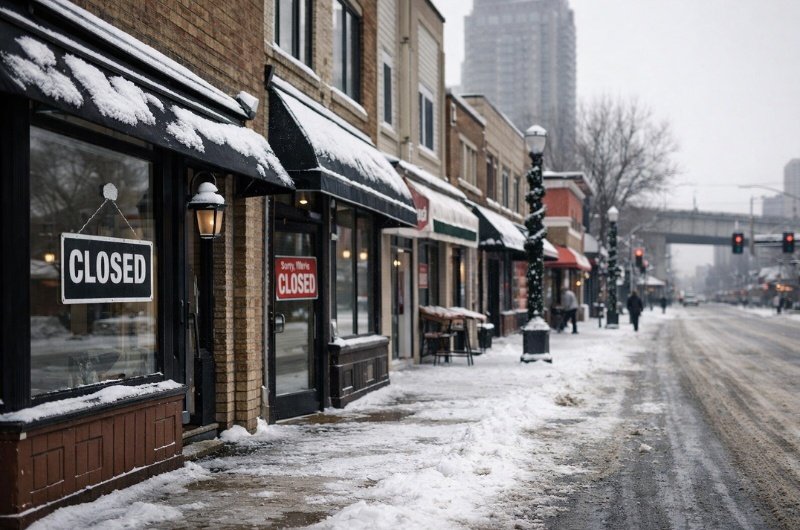
Parts of Minnesota slowed noticeably today as residents across the state participated in an “economic blackout,” a coordinated protest urging people not to work, shop, or attend school in response to increased federal immigration enforcement. The action, centered in the Minneapolis–St. Paul area but extending statewide, led to business closures, reduced foot traffic, and canceled activities. Some small businesses closed in solidarity, while others reported fewer customers as residents stayed home or joined demonstrations. Organizers say the goal is to show how closely immigrant communities are tied to Minnesota’s economy and daily life. Rather than focusing on marches alone, the blackout aims to apply economic pressure by pausing normal routines and highlighting the broader impact of immigration enforcement on local communities. Schools, transit schedules, and public services were affected in some areas as officials urged residents to remain cautious, especially with extreme winter weather conditions. Law enforcement agencies remained present, though most of the disruption has been economic rather than confrontational. Organizers say similar actions could spread to other states. As the day continues, the scale of participation may influence how businesses and policymakers respond to the growing debate over immigration enforcement and its economic consequences. ——————– Related: ICE Memo Sparks Uproar: Immigration Officers Authorized to Enter Homes Without Judicial Warrants Minnesota Sues Trump Administration Over Immigration Operations in Twin Cities Minnesota Seeks Answers After Fatal ICE Shooting in Minneapolis
Trump Hosts Board of Peace Signing in Switzerland Amid Mixed Global Reactions
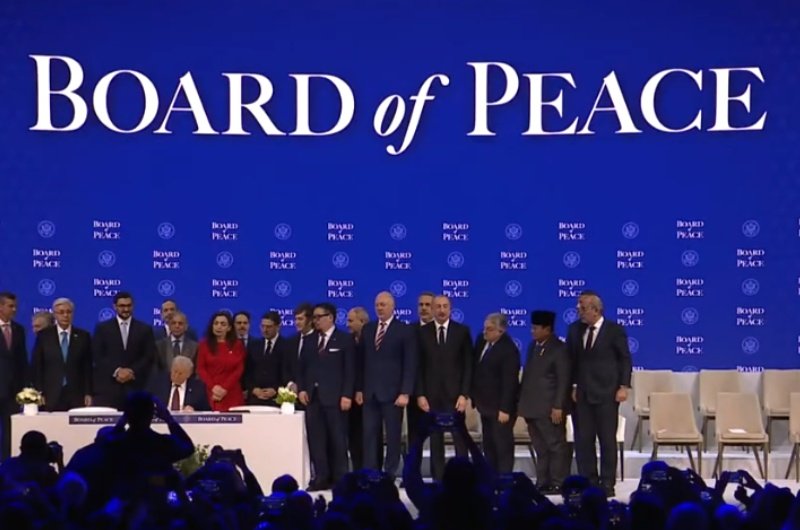
Davos, Switzerland — President Donald Trump today formally launched his new foreign-policy initiative, the Board of Peace, hosting a high-profile signing ceremony aimed at overseeing the reconstruction of Gaza and promoting long-term stability in conflict-affected regions. The ceremony, held during the World Economic Forum in Davos, marked the official debut of the Board, which the White House describes as a framework to restore dependable governance, promote peace, and coordinate post-conflict rebuilding efforts. Trump said the initiative is initially focused on Gaza but emphasized that its mandate could expand to address broader global challenges. Speaking after the signing, Trump reiterated his view that existing international institutions have failed to fully realize their potential. He said the Board of Peace could complement the work of the United Nations, adding that he has long believed the U.N. has “tremendous potential” that has not been effectively used. According to Trump, roughly 30 of the 50 countries invited to participate have signed onto the policy so far. Support has been strongest among nations in the Middle East and parts of the Global South, while several major allies have chosen not to sign at this stage. Notably, the United Kingdom, France, and Italy have declined to join the initiative, citing concerns about the Board’s structure, scope, and long-term implications. Their absence underscores lingering skepticism among traditional U.S. allies about how the Board of Peace would operate alongside established international bodies. Trump acknowledged the mixed response but framed the launch as an opening step rather than a finished project. “This can spread to other things,” he said, signaling that the Board’s role could evolve beyond Gaza as additional nations assess whether to participate. As questions remain about governance, enforcement authority, and coordination with existing institutions, today’s signing nevertheless marks a significant new chapter in U.S. foreign policy — one that could reshape how post-conflict reconstruction and peacekeeping efforts are approached in the years ahead.
ICE Memo Sparks Uproar: Immigration Officers Authorized to Enter Homes Without Judicial Warrants
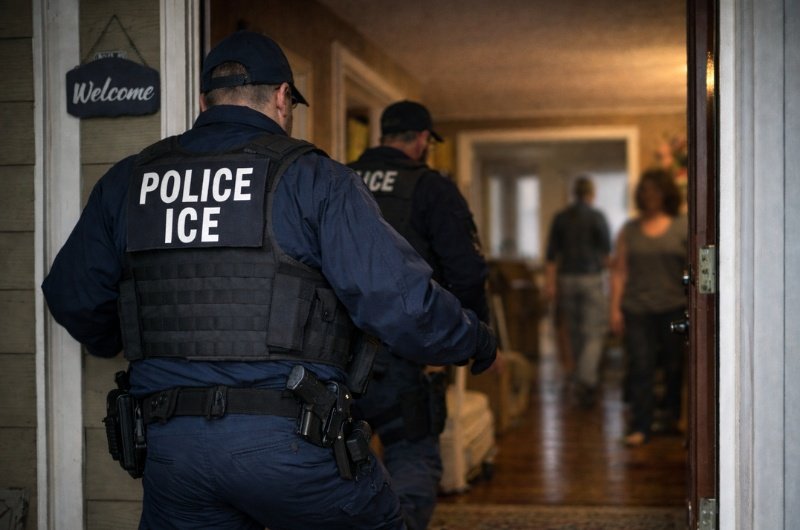
A newly disclosed internal memo has authorized U.S. Immigration and Customs Enforcement (ICE) officers to enter private homes to arrest individuals with final orders of removal without a judge-signed warrant, triggering swift concern among legal experts and civil-rights advocates. The guidance instructs officers that an administrative warrant approved internally by the agency is sufficient to enter a residence and carry out an arrest. Officers are directed to knock and announce their presence and may use what the memo describes as “necessary and reasonable” force if entry is refused. For decades, constitutional practice has generally required judicial warrants for law enforcement to enter homes, reflecting Fourth Amendment protections against unreasonable searches and seizures. Legal scholars note that administrative warrants, unlike those issued by a judge, do not involve independent judicial review. Civil-rights groups warn the policy weakens longstanding safeguards and could significantly expand federal enforcement authority inside private residences. Critics argue the change increases the risk of wrongful entry, escalates tensions during enforcement operations, and may invite legal challenges over constitutional limits. Federal officials have defended the memo as a lawful tool for carrying out immigration enforcement, but questions remain about oversight, safeguards, and how broadly the policy will be applied. As scrutiny intensifies, the memo is already fueling debate over the balance between immigration enforcement and civil liberties.
UPDATED: Potentially Historic Winter Storm to Slam Southern Plains Through Mid-Atlantic This Weekend
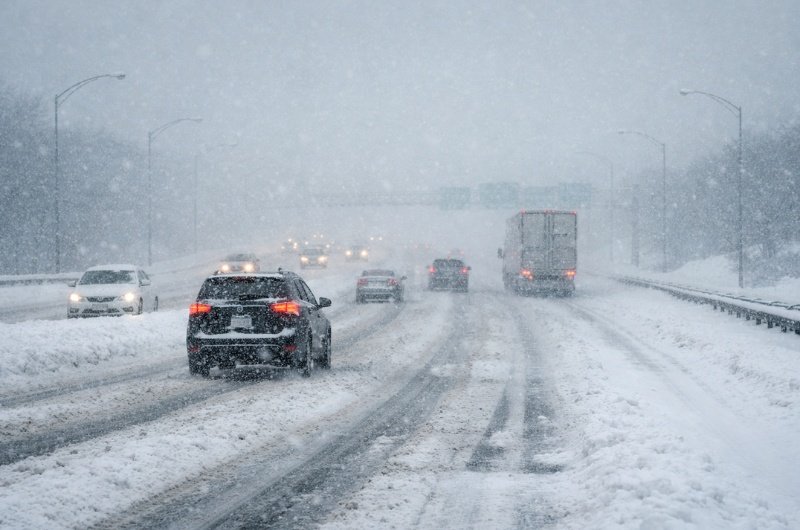
UPDATE: FRIDAY AFTERNOON (23 JAN 2026) The winter storm system continues to expand, with additional states now under advisories as snowfall totals increase across parts of the Midwest and Northeast. Forecasts show heavier accumulations in some areas than initially expected, prompting widespread school closures, government office delays, and disruptions to local services as the storm moves through the region. A potentially historic winter storm is forecast to bring heavy snow, sleet, freezing rain, and dangerously cold conditions across a wide stretch of the United States this weekend, raising concerns about travel disruptions, power outages, and public safety from Friday through Sunday. Forecasters warn that significant snow accumulation is possible across large portions of the storm’s path. In parts of the Southern Plains and Lower Mid-South, snowfall totals could reach 12 inches or more, with some areas potentially seeing 10 to 16 inches if the heaviest bands persist. Localized higher totals are not out of the question where conditions align. Across the Mid-Atlantic, widespread snowfall is expected, with some areas facing accumulations exceeding one foot by the time the storm exits. In locations where snow continues over multiple phases, totals could climb rapidly, making travel increasingly dangerous through the weekend. Farther south, freezing rain and sleet remain major concerns. Ice accumulation could weigh down trees and power lines, increasing the risk of power outages, particularly in regions that are less accustomed to severe winter weather and prolonged freezing conditions. Behind the storm, an Arctic air mass is expected to surge south, ushering in some of the coldest temperatures of the season. Sub-freezing conditions could linger for days, keeping snow and ice in place and slowing recovery efforts. Bottom Line From Texas to the East Coast, residents should prepare for significant winter impacts, including heavy snow that may exceed a foot in some areas, dangerous ice accumulation, and hazardous travel. Officials are urging the public to monitor local forecasts closely and limit travel where possible as conditions evolve. ——————– Recommended: Surviving the Next Blackout: How to Prepare for Power Outages Before They Strike