


BREAKING NEWS: U.S. and Israel Strike Iran; Supreme Leader Reported Dead as Region Erupts
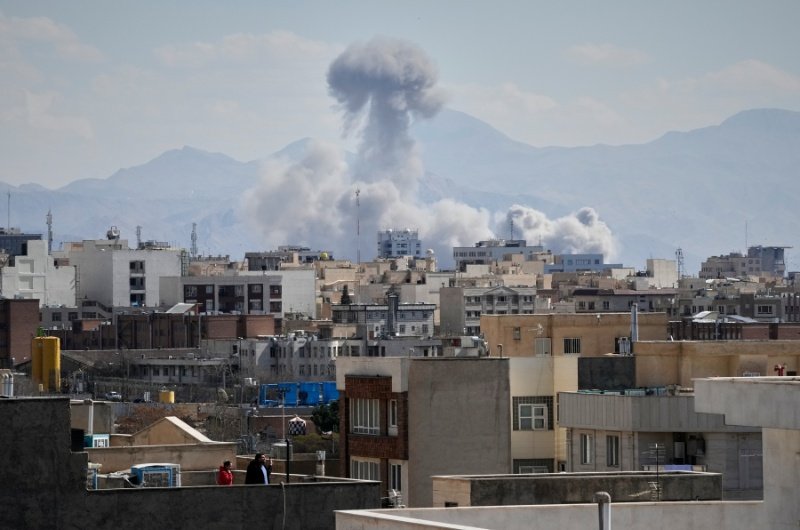
A coordinated military strike by the United States and Israel has dramatically escalated tensions in the Middle East, with reports confirming that Iran’s Supreme Leader, Ayatollah Ali Khamenei, has been killed in the operation. The surprise attack targeted high-level leadership compounds and military infrastructure after weeks of U.S. force buildup across the region. President Trump ordered the strike and later released a video statement in the early morning hours explaining the decision. He said a significant number of Iran’s top decision-makers were eliminated and described the operation as necessary for regional stability. Republican leaders have largely voiced support for the action, while many Democrats are signaling concern and are expected to push for limits on any further military escalation. In the hours following the attack, Iran launched retaliatory strikes across parts of the region. Explosions lit the night sky in multiple locations as missile and drone activity intensified. Civilian casualties have been reported, adding to fears of a broader and more prolonged conflict. Inside Iran, reactions appear mixed. In some areas, reports describe people celebrating in the streets following the death of the country’s longtime leader. In other areas, scenes of mourning and uncertainty are unfolding as questions swirl about who will assume control and how Iran’s government will respond next. The situation remains fluid, with global leaders urging restraint as markets and militaries brace for what could become one of the most consequential geopolitical turning points in decades. ——————– Related: Iran Closes Strait of Hormuz After Strikes, Threatening Global Oil Supply
World Economic Forum CEO Børge Brende Steps Down Following Epstein Scrutiny
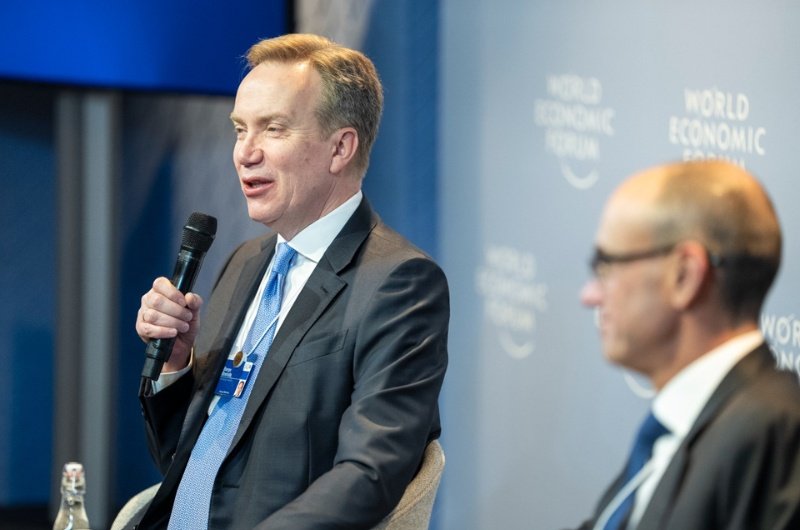
Børge Brende has resigned as president and CEO of the World Economic Forum, stepping down Thursday after mounting scrutiny over previously disclosed interactions with convicted sex offender Jeffrey Epstein. Brende, who has led the Forum since 2017 and previously served as Norway’s foreign minister, said he made the decision after careful consideration and in the interest of allowing the organization to move forward without distraction. His tenure included overseeing annual gatherings in Davos that convened heads of state, CEOs, academics, and civil society leaders to address global economic and geopolitical challenges. The renewed attention stems from U.S. Justice Department materials that revealed Brende attended several business dinners with Epstein in 2018 and 2019 and exchanged communications during that period. Brende has said he was unaware of the full scope of Epstein’s criminal conduct at the time and expressed regret that he did not scrutinize the relationship more closely. Earlier this month, the Forum initiated an independent review to assess the matter. According to the organization’s leadership, the review did not uncover additional concerns beyond what had already been publicly reported. Still, the growing public focus on past associations with Epstein created reputational pressure for global institutions and their leaders. The Forum’s board has appointed Managing Director Alois Zwinggi as interim president and CEO while it begins the search for a permanent successor. The leadership transition comes at a sensitive moment for the organization, as it seeks to maintain credibility and influence amid heightened global scrutiny of elite networks and governance standards. Brende’s departure adds to a broader pattern of institutional fallout linked to the ongoing release of Epstein-related records. While no criminal charges have been brought against him, the episode underscores how even limited past associations are reshaping leadership conversations across politics, finance, and global policy circles.
Clintons Testify in Epstein Probe as Congressional Scrutiny Intensifies
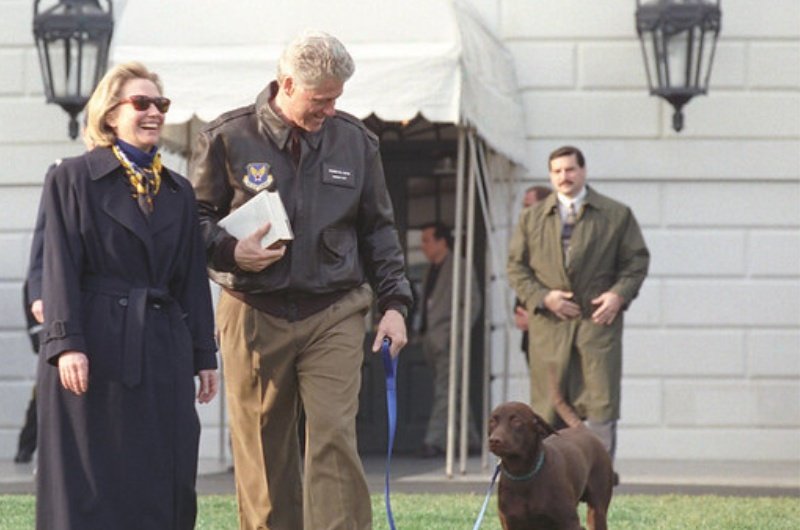
Former President Bill Clinton and former Secretary of State Hillary Clinton are facing renewed national attention this week as both provide sworn testimony in the congressional investigation tied to convicted sex offender Jeffrey Epstein. The depositions, conducted by the Republican-led U.S. House Oversight Committee, are part of a broader probe into Epstein’s network and the federal government’s handling of related investigations. Hillary Clinton testified in a closed-door session in New York, with Bill Clinton scheduled to follow. The proceedings are being recorded and transcribed, with lawmakers expected to release portions publicly. Neither Clinton has been charged with wrongdoing, and both have denied knowledge of Epstein’s criminal conduct. The inquiry is focused on uncovering what high-profile associates knew and whether federal agencies mishandled aspects of the case. Committee Chair James Comer has argued that testimony from prominent political figures is necessary to understand how Epstein maintained access to elite circles for years. Republicans say the depositions are about transparency and accountability. Democrats have countered that the investigation risks becoming politically selective, noting that Epstein had connections across party lines, business, and academia. Bill Clinton has previously acknowledged flying on Epstein’s private jet during the early 2000s for trips connected to foundation work, while maintaining he was unaware of Epstein’s crimes. Hillary Clinton has stated she never met Epstein directly and has characterized the investigation as politically motivated. Recently released Justice Department materials include photographs and travel logs but have not resulted in new charges against the Clintons. The testimony marks a rare moment in which a former president is compelled to answer questions under oath in a congressional setting. While the depositions are not criminal proceedings, they add another chapter to the long-running public examination of Epstein’s network and the institutions that failed to stop it sooner. Transcripts are expected to fuel further political debate in the days ahead.
Powerful Winter Storm Blasts Mid-Atlantic, Shutting Down Schools & Travel
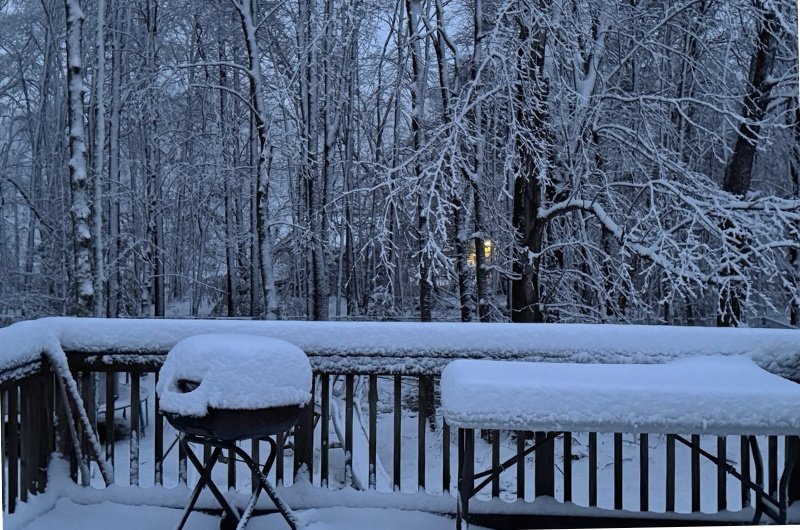
A powerful winter storm is sweeping across the Mid-Atlantic and Northeast, bringing heavy snowfall, dangerous travel conditions, and widespread disruptions. Forecasters say parts of the region are experiencing snowfall rates as high as 2 to 3 inches per hour, rapidly reducing visibility and overwhelming road treatment efforts. While snow began falling Sunday afternoon, the system is intensifying as it pushes north. Areas of New York and New Jersey have already seen more than a foot of snow, and some areas are forecast to receive as much as 20 – 24 inches before the storm tapers off. The combination of heavy accumulation and gusty winds has led to school closures, flight cancellations, and treacherous road conditions across multiple states. Wet, dense snow is clinging to trees and power lines in some communities, raising the risk of scattered outages. Officials are urging residents to avoid unnecessary travel as plow crews work to keep primary roads passable. With temperatures hovering near or below freezing, untreated surfaces may remain icy even after snowfall slows, extending impacts into the evening commute.
Supreme Court Rules Trump Tariffs Unlawful, Billions Could Be Returned

The Supreme Court of the United States ruled Friday that former President Donald Trump overstepped his legal authority when he used emergency powers to impose sweeping tariffs on imported goods. In a 6–3 decision, the Court concluded that the 1977 International Emergency Economic Powers Act does not grant the president broad authority to unilaterally set tariff rates, effectively invalidating those duties. The tariffs had been implemented as part of a wider trade strategy aimed at countering foreign economic practices and strengthening U.S. negotiating leverage. The administration argued that emergency economic authority allowed for aggressive action. The Court disagreed, holding that while presidents may respond to international crises, the power to levy taxes — including tariffs — ultimately rests with Congress unless clearly delegated. The ruling places a substantial amount of collected revenue into legal uncertainty. Federal agencies gathered an estimated $175 billion under the affected tariff programs. Businesses that paid those duties are now expected to pursue reimbursement through administrative and judicial channels, though the timeline and mechanism for any refunds remain unclear. The decision also reshapes the boundaries of executive trade power moving forward. While the White House has indicated it may rely on other statutory tools to maintain certain trade measures, the Court’s opinion reinforces that emergency authority cannot be expanded beyond the limits set by lawmakers. For markets and policymakers alike, the message is significant: the Constitution’s separation of powers applies fully to economic policy, and even sweeping trade initiatives must operate within clearly defined legal guardrails. ——————– Related: Supreme Court Rules Trump Tariffs Unlawful, Billions Could Be Returned
Former Prince Andrew Arrested in Expanding Epstein Investigation

British authorities have arrested Prince Andrew in connection with an expanding investigation tied to his past association with Jeffrey Epstein. The former senior royal was detained on suspicion of misconduct in public office and later released under investigation, meaning no formal charges have been filed at this stage. Police confirmed that properties linked to Andrew were searched as part of the probe. Officials have not disclosed full details of the allegations, but the case reportedly centers on whether confidential information may have been improperly shared during his tenure as the United Kingdom’s trade envoy years ago. Prince Andrew was stripped of his royal duties and military titles in the aftermath of the Epstein scandal and has consistently denied wrongdoing. The latest development reopens public scrutiny of the royal family and raises new legal questions about accountability at the highest levels of British public life. Buckingham Palace has indicated that the matter is being handled by law enforcement and that the legal process will proceed independently.
Trump-Led ‘Board of Peace’ Pledges Billions for Gaza Reconstruction
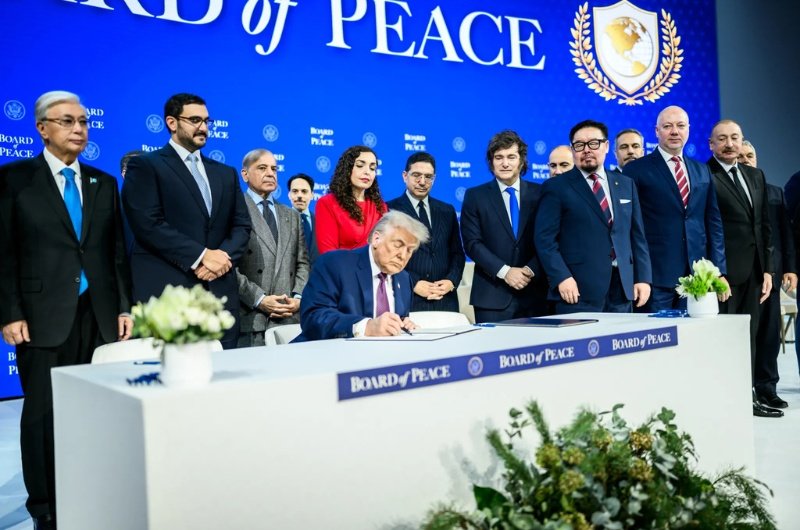
Member nations of the Trump-backed “Board of Peace” have pledged more than $7 billion in aid for Gaza, signaling a major financial commitment toward relief and reconstruction efforts. The funding is intended to support humanitarian relief, infrastructure rebuilding, and long-term stabilization efforts in the region. The Board of Peace was introduced as a mechanism to oversee ceasefire implementation and coordinate reconstruction following years of conflict. Participating nations committed billions collectively, positioning the initiative as a fast-moving alternative to more traditional diplomatic frameworks. However, the effort has sparked debate among Western allies and global institutions. Critics argue that the board could sidestep established international processes, while supporters say a new structure is necessary to break longstanding diplomatic deadlocks. Reconstruction plans remain closely tied to security conditions on the ground. Israeli officials have emphasized that major rebuilding efforts cannot proceed without guarantees related to demilitarization and long-term stability.
DHS Spokesperson Tricia McLaughlin Resigns Amid Political Backlash Over Immigration Enforcement
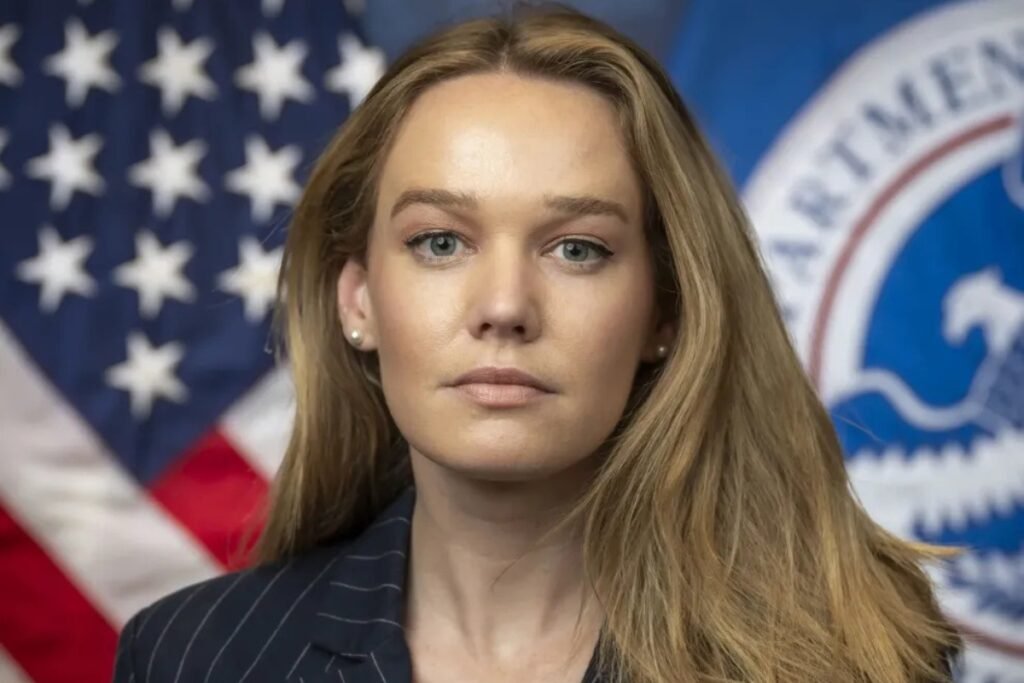
The Department of Homeland Security’s chief public affairs official, Tricia McLaughlin, announced her upcoming departure this week as political pressure intensifies over controversial immigration enforcement actions, particularly high-profile ICE raids that have drawn sharp criticism from lawmakers and community advocates. McLaughlin, who served as assistant secretary for public affairs, became one of the most visible voices defending the administration’s immigration policy and DHS operations. Her role involved explaining and justifying a range of enforcement strategies, from expanded removal efforts to federal deployments in cities grappling with public safety concerns. Her resignation comes at a challenging moment for DHS, which has recently faced public scrutiny and legal challenges tied to immigration enforcement actions that critics say have exceeded acceptable standards. The controversy has drawn attention from both sides of the political aisle, making DHS messaging one of the most fraught areas of the administration’s public communication strategy. In announcing her departure, McLaughlin described her time at DHS as an honor and said she was proud of her work communicating complex policy issues to the public. A department statement echoed that sentiment, praising her professionalism and dedication, and expressing appreciation for her service under difficult circumstances. McLaughlin’s exit is expected to take effect later this week, and DHS officials have said her deputy will assume the spokesperson role pending a permanent appointment. The transition comes as lawmakers question the department’s communication practices and demand greater transparency about enforcement priorities and decision-making. The timing of the resignation also dovetails with broader tensions over immigration policy in Washington. Recent enforcement operations carried out by Immigration and Customs Enforcement (ICE) have been met with protests and legal challenges in several major cities. Advocates have criticized the raids as heavy-handed, while supporters argue they are necessary to uphold immigration laws and public safety. DHS leadership has defended its authorities and actions, but the messaging challenges have been palpable as the department seeks to balance enforcement objectives with mounting public and political scrutiny. As the department moves forward, the departure of one of its principal communicators highlights the elevated stakes in how immigration policy is portrayed and understood by the public. With new leadership stepping into the communications role, all eyes will be on how DHS articulates its priorities amid ongoing debate.
Fire Weather Threatens Central U.S. as Warmth and Wind Elevate Risk

Unseasonably warm temperatures, dry vegetation, and strengthening winds are creating elevated fire weather conditions across parts of the central United States, prompting warnings from meteorologists and local officials as communities brace for potential wildfire outbreaks. Forecasters say the combination of above-average temperatures and gusty afternoon winds significantly increases the risk of fast-moving grass and brush fires. Even minor ignition sources — including sparks from vehicles, machinery, or unattended outdoor burns — could quickly spread under current conditions. The threat stretches across portions of the Plains and Midwest, where recent stretches of limited precipitation have left fuels unusually dry for mid-February. Fire weather alerts and advisories are in effect in several areas, urging residents to avoid outdoor burning and use caution with any activity that could generate sparks. While a cooler pattern is expected later in the week, officials warn that today’s warm, breezy conditions create a narrow but potentially dangerous window for fire activity. Emergency managers are encouraging residents to monitor local advisories and report smoke or fire immediately.
BREAKING NEWS: Rev. Jesse Jackson, Civil Rights Icon and Presidential Trailblazer, Dies at 84
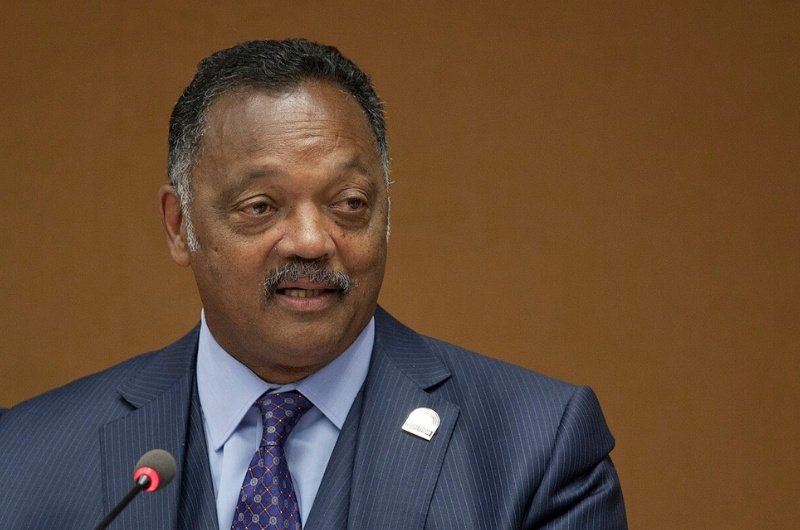
The Rev. Jesse Jackson, a towering figure of the modern civil rights era and a pioneering presidential candidate, has died at the age of 84. For more than five decades, Jackson stood at the intersection of activism, politics, and faith, helping shape the national conversation on race, economic justice, and political representation. A close associate of Dr. Martin Luther King Jr. during the 1960s, Jackson emerged from the civil rights movement as one of its most visible successors. He later founded what became the Rainbow PUSH Coalition, an organization dedicated to advancing economic opportunity, voter participation, and corporate accountability. Through marches, negotiations, and public advocacy, he positioned himself as both a protest leader and a power broker. Jackson made history with his 1984 and 1988 campaigns for the Democratic presidential nomination. His 1988 run, in particular, expanded the political coalition within the party and demonstrated the growing influence of Black voters in national elections. While he did not secure the nomination, his campaigns opened doors for future candidates and reshaped expectations about who could seek the nation’s highest office. In recent years, Jackson faced health challenges, including Parkinson’s disease, yet remained a symbolic presence in civic life. His passing closes a chapter that linked the moral urgency of the 1960s civil rights struggle with the evolving political landscape of modern America.