


Americans Are Falling Behind Less — New Data Shows Credit-Card Delinquencies May Be Stabilizing

After two years of steadily rising household financial strain, a new batch of data suggests the pressure may finally be easing. According to analysts reviewing recent Federal Reserve and commercial bank reports, consumer-debt delinquency rates — especially on credit cards — appear to be leveling off after months of sharp increases. It’s a tentative shift, but one that could signal that American households are regaining some ability to manage their monthly bills. Economists attribute this improvement to a handful of converging factors. Wage growth has remained steady, and hiring continues to hold up enough to support household cash flow. Some families have also adjusted their budgets after a year of elevated prices, trimming discretionary spending to keep up with core obligations. These shifts, while modest, have helped prevent delinquencies from climbing further. Still, the picture is far from universally positive. Analysts caution that delinquencies have not fallen back to pre-pandemic levels — they have simply stopped getting worse. Many households continue to carry record-high balances, and the share of borrowers with little to no emergency savings remains significant. In other words, the stabilization is real, but it’s fragile. Lenders, meanwhile, remain watchful. Banks have reported that although missed payments are no longer spiking, customers are taking longer to pay down their balances. Some issuers have tightened credit standards or increased monitoring of higher-risk accounts. These moves reflect a recovery still in its early stages — one that could easily reverse if job growth weakens or borrowing costs stay elevated. For now, the takeaway is cautiously optimistic: Americans may be turning a corner on the worst of their credit-card stress. But with balances still high and savings thin, the path forward depends heavily on whether wages hold steady, inflation continues to cool, and interest-rate cuts materialize in the months ahead.
AI Is Getting Its Own App Store — And It’s About to Explode

A new wave of “AI app stores” is emerging across the tech landscape, and it’s reshaping how people will discover, build, and monetize artificial intelligence. The idea is no longer theoretical — both mainstream app stores and dedicated AI marketplaces are rapidly evolving into distribution hubs for intelligent apps, custom agents, and full-scale automation tools. Analysts say this shift mirrors the early days of the mobile app boom, but the stakes — and earning potential — are even higher. Traditional app stores are already seeing the first surge. AI-native apps like Perplexity, DeepSeek, and a growing ecosystem of personal assistants, image generators, and automation tools are topping download charts on Apple’s App Store and Google Play. What used to be niche experimental tools are now polished consumer-ready products, signaling that AI is transitioning from novelty to mainstream utility. At the same time, entirely new marketplaces are being built for the AI economy. Platforms like the H2O AI App Store allow organizations to create, deploy, and manage their own machine-learning applications without assembling complex infrastructure. OpenAI is rolling out its own GPT Store, where creators will be able to publish custom AI agents — everything from writing assistants to travel concierges — and earn revenue from their use. A wave of emerging “agent marketplaces” is going even further, offering AI workers designed to perform tightly scoped tasks like scheduling, inbox management, trip planning, or data analysis with almost no human oversight. The implications are enormous. These platforms lower the barrier to entry for building AI-powered tools, enabling both individuals and businesses to participate in what many expect to be the next trillion-dollar creator economy. Instead of writing full applications from scratch, developers can assemble agents like modular building blocks, dramatically speeding up development cycles and reducing costs. And for consumers, the marketplaces make advanced AI more accessible than ever, putting sophisticated capabilities just one click — or one command — away. If the momentum continues, the AI app store could become the central hub of the next digital era, shaping how software is created, distributed, and monetized. The winners will not just be the companies building the platforms, but the creators who learn to harness them — much like the early pioneers who built the first wave of mobile apps. The difference this time is that the apps won’t just respond to users. They’ll increasingly think, act, and build on their behalf.
AI Assistants Are Quietly Replacing Traditional Search

AI assistants are rapidly becoming the first stop for millions of people seeking answers online. Tools like ChatGPT, Gemini, Claude, and Perplexity now deliver streamlined summaries, personalized context, and direct instructions that sidestep the need to sift through search results. Traffic data across the web shows a quiet but unmistakable decline in traditional search activity, particularly for informational queries where AI responses are faster and more convenient. Tech analysts say the shift began in early 2024 and accelerated sharply in 2025 as AI tools became integrated into operating systems, mobile keyboards, browsers, and productivity suites. Instead of “searching,” users increasingly ask AI assistants to find, generate, or decide things for them. Google itself has acknowledged the trend by rolling out more AI-first features and experimenting with reduced-link answer panels — a move that has drawn mixed reactions from publishers. For consumers, the upside is obvious: instant answers and less noise. For platforms dependent on search traffic, the change has been disruptive. Multiple analytics firms have reported year-over-year declines in organic search referrals, particularly for how-to content, factual lookups, and news summaries. Some publishers are already restructuring their content strategies around AI visibility rather than search visibility. AI companies also see opportunity. Perplexity, for example, has positioned itself as an “answer engine,” combining AI reasoning with curated citations from verified sources — a hybrid model gaining traction with younger users. Other platforms are leaning on personalization, enabling assistants to remember preferences, previous queries, and long-term tasks. The shift isn’t sudden, but it is structural. As AI assistants absorb more of the informational workload, traditional search engines are becoming less central to everyday online navigation. For publishers, marketers, and platform operators, the next phase of the internet will belong not to who ranks highest — but to who earns visibility inside AI-driven answers.
AI Goes All-In: Corporate Adoption Accelerates with OpenAI–Accenture Deal

The age of “nice-to-have AI pilot projects” may be ending. A newly announced enterprise partnership between OpenAI and global consulting giant Accenture will deploy advanced AI tools, including ChatGPT Enterprise, to tens of thousands of employees — signaling a turning point in how major firms integrate artificial intelligence into daily operations. Rather than experimenting at the edges, companies are beginning to embed AI directly into the core infrastructure of work. Under the deal, Accenture consultants will use AI across everyday functions, from internal productivity and research assistance to client-facing deliverables and large-scale transformation projects. The message is clear: AI is no longer being framed as a supplement or an innovation showcase — it is evolving into operational infrastructure and competitive necessity. That shift is expected to ripple across industries. For businesses, enterprise-scale AI offers efficiency gains, faster execution, and the potential for new strategic advantages among early adopters. For employees, it represents both opportunity and disruption: workers who learn to partner with AI may accelerate their careers, while others risk displacement as routine tasks become automated. But the move comes with significant challenges. As AI moves from experimentation into mission-critical systems, companies must confront questions around governance, accuracy, bias, and compliance. Overreliance on automated systems or failure to manage risk could have real consequences — especially as regulatory scrutiny increases globally. For business and operations leaders, the moment marks a sharp pivot. The question is no longer whether AI will transform work — but how fast organizations can adapt, balance innovation with accountability, and build strategies that scale without losing the human core of enterprise performance.
Thanksgiving Costs Are Rising — But Families Are Tweaking Tradition, Not Canceling It

Thanksgiving dinner is feeling a little different this year, and not just because turkey prices are climbing. Families across the country are adjusting their holiday plans — rethinking menus, scaling back portions, and leaning into shared creativity instead of big-ticket shopping lists. While many households will still put a turkey at the center of the table, more people are choosing smaller birds, inviting collaborative cooking, or replacing pricey dishes with crowd-pleasing alternatives. Grocery stores are offering strategic discounts to keep customers loyal, but shoppers are quickly discovering that the real savings come from flexibility and teamwork, not waiting for a last-minute deal. The shift is also reshaping expectations. Instead of the pressure to deliver a magazine-perfect feast, hosts are embracing simpler menus, potluck-style gatherings, and honoring recipes passed down through generations. It’s a move away from perfectionism and toward connection — a reminder that the heart of Thanksgiving isn’t the scale of the spread, but the people seated around it. For many, this year is becoming a master class in thoughtful planning. Buying ingredients earlier, comparing options and splitting responsibilities among family members isn’t new — but this year, it’s quickly becoming the strategy of choice. And in homes across America, the real luxury is time spent together — not whether the table looks like last year’s Instagram post. Thanksgiving has always been about gratitude, but this season feels especially intentional. A year of economic uncertainty is teaching families how resilient they really are, proving that tradition isn’t defined by price tags, but by love, laughter, and the stories shared long after the dishes are cleared.
Is Gray the New Black Friday?

Black Friday has long been celebrated as the biggest spending day of the year — a symbol of door-buster chaos, deep discounts and overflowing carts. But this year, a different tone is emerging. Economic uncertainty, higher prices, and cautious consumer sentiment are reshaping the holiday shopping landscape, leading many to wonder whether the frenzy is fading and a new era of measured, selective spending has arrived. Industry forecasts project that total U.S. holiday sales could exceed the $1 trillion mark for the first time. But growth estimates tell a more complex story, rising only modestly from last year and reflecting the tension between aspiration and reality. Shoppers are spending, but with far more restraint. And while analysts point to consumer resilience, many families are navigating inflation, job pressure and reduced financial confidence — and their buying behaviors are shifting accordingly. The Readovia Perspective The optimistic sales forecasts may not fully align with the economic mood on the ground. After the government shutdown and months of escalating economic stress, we question whether predictions of record-breaking consumption can hold. A holiday season built on tighter budgets and intentional decisions feels more believable than one defined by runaway spending. That shift is transforming Black Friday itself. Instead of chasing massive markdowns and impulse buys, shoppers are comparing more aggressively, delaying decisions and prioritizing purpose. Discounts are smaller, inventory moves slower and consumers are increasingly willing to walk away. The winners this year won’t be the loudest or the cheapest retailers — they’ll be the ones offering real value, trustworthy quality and clear reasons to buy. For many, Black Friday has become less about splurge-driven celebration and more about strategic planning. The new shopping strategy: buy what truly matters, not whatever flashes in a banner ad. A slower, steadier and more intentional rhythm is emerging — and in many ways, it reflects where the country stands right now. Maybe gray is the new Black Friday. We’ll be watching.
When Everyone Got Sick — I Didn’t

So often, when people get sick, they search for complex answers — supplements, powders, treatments, protocols. But sometimes, support for the body comes from the simplest habits. One of the most unexpectedly powerful wellness rituals I’ve encountered is something many people already have in their kitchen: black tea. Like most quiet, daily practices, its impact isn’t always obvious in the moment. You may not feel a dramatic difference right away. Instead, it works subtly in the background — supporting the body, reinforcing its defenses, and showing up when it’s needed most. I learned this firsthand in my late twenties. We had a guest staying with us for a weekend who became seriously ill with a fast-moving virus. Within days, nearly everyone in the house came down with it — fever, exhaustion, the works. Everyone except me. When I tried to make sense of it afterward, one small detail stood out. I had a daily habit no one else shared: a cup of black tea every afternoon. Nothing elaborate. Just hot tea with a splash of half-and-half. There’s science that helps explain why that habit may have mattered. Black tea contains polyphenols, flavonoids, antioxidants, and L-theanine — compounds associated with immune support, reduced inflammation, and cellular protection. Tea also supports gut health, which research increasingly links to immune function. It isn’t a cure-all. But as part of a consistent routine, it can help the body stay prepared. The benefits extend beyond immunity. Many people experience steadier focus, calmer energy, improved digestion, and cardiovascular support — without sugar spikes, stimulants, or expensive supplements. In a world filled with overcomplicated wellness advice, it’s easy to overlook the power of something simple and time-tested. There’s a reason tea holds such a revered place in British culture. It’s woven into daily life, not treated as a trend. Sometimes the most effective health practices aren’t dramatic. They’re consistent. They’re small. They’re daily. And if my experience taught me anything, it’s that a simple cup of black tea can quietly support resilience — strengthening the body from the inside out, one ordinary afternoon at a time.
The Re-Emergence of Phones That Do Less
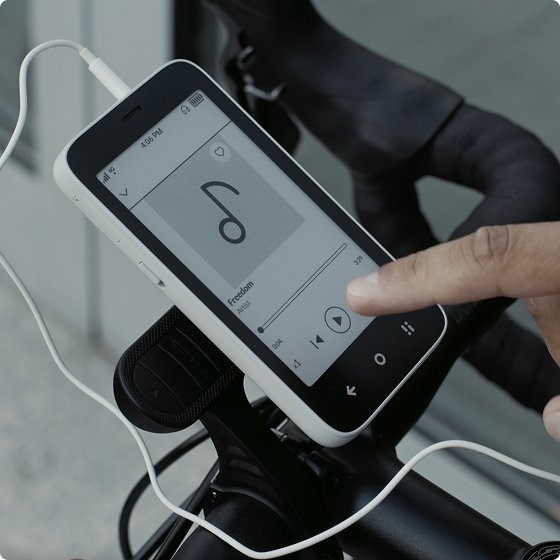
A growing number of consumers are trading in feature-packed smartphones for minimalist “digital-detox” devices designed to reduce constant stimulation and reclaim focus. Instead of high-resolution displays, infinite apps, and algorithm-driven feeds, these deliberately simple phones prioritize calling, texting, and basic tools — offering an escape from the flood of notifications that define modern digital life. The appeal is rooted in fatigue. After years of screen-time overload, remote work culture, and the mental strain of life lived through apps, many users are seeking technology that supports intentional living rather than dominating it. Minimalist phones often use E-Ink displays that mimic paper, limit app availability, and remove social-media platforms entirely. For some buyers, the shift is less about abandoning technology and more about creating healthier boundaries with it. Advocates of the movement say the benefits are measurable: more face-to-face interaction, deeper concentration, better sleep, and a renewed sense of calm without the constant pull to check a screen. Some users describe minimalist devices as a way to regain control, noting that modern smartphones often function more as attention-capture machines than productivity tools. Where owning the newest high-powered phone once symbolized status, the new luxury is the freedom to step away from digital noise. The trend is not without compromise. Minimalist phones can be expensive for what they offer, often costing more than mid-range smartphones while delivering a fraction of the features. Navigation, banking, email access, and photography may still require a separate full-function device, and the shift can feel jarring for those who rely on smartphones for work or travel. For that reason, many adopters choose a hybrid lifestyle — using a minimalist phone during evenings, weekends, or intentional break periods. Whether the movement becomes mainstream or remains a niche lifestyle choice is still unclear. But as more people prioritize mental health, time sovereignty, and real-world presence, digital-detox devices are becoming a symbol of a new kind of aspiration: technology that intentionally steps out of the way. In a world wired for constant connection, the ability to disconnect — even temporarily — may be the most valuable feature of all.
Uber Partners with Starship to Launch Advanced Autonomous Delivery Robots in the UK
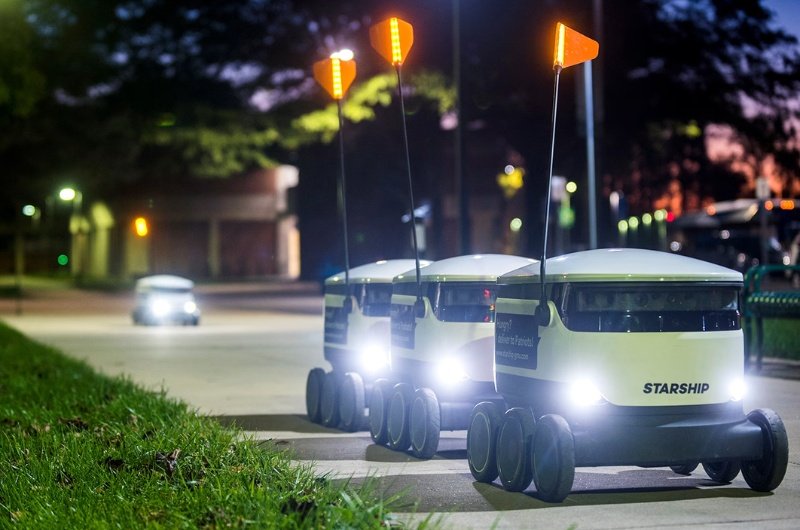
Uber Eats announced a new partnership with Starship Technologies this week, introducing advanced autonomous sidewalk-delivery robots that will begin operating in select UK cities starting in December. The agreement brings together Uber’s massive food-delivery network with what many analysts describe as the most mature, widely-deployed delivery-robot platform in the world — marking a shift from small-scale pilot programs to a larger commercial rollout. Starship Technologies has spent years developing and scaling ground-based delivery robots capable of navigating sidewalks and pedestrian traffic with minimal human oversight. Its compact six-wheel units have already completed millions of deliveries across hundreds of campuses, corporate sites, and city neighborhoods internationally. Built to operate at Level 4 autonomy, the robots are designed to function without direct human control within defined service areas — a capability that sets them apart from many emerging competitors still reliant on remote monitoring or assistance. Under the new partnership, Uber customers in the UK will be able to order meals as usual through the Uber Eats app and choose robot delivery where available. Once dispatched, the robot travels independently to the destination using onboard cameras, radar, sensors, and machine-learning navigation. Customers can track their robot in real time and unlock the insulated storage compartment with a secure code once it arrives at their doorstep. Early service regions include Leeds and Sheffield, with additional cities expected to follow as infrastructure and adoption expand. While Uber has already experimented with autonomous delivery partnerships in the United States, the collaboration with Starship represents a substantial technological upgrade. By leveraging a partner with a proven fleet already operating at scale, Uber positions itself at the forefront of last-mile transformation rather than simply testing emerging concepts. Industry watchers say the move could accelerate broader acceptance of robotic delivery, particularly in densely populated areas where short-distance vehicle trips contribute heavily to congestion and emissions. Looking ahead, Uber and Starship have signaled plans to expand to additional markets in Europe and eventually into the United States. Questions remain around regulatory frameworks, labor implications, weather resilience, and the pace of consumer trust — but if successful, the rollout could signal the beginning of a fundamental shift in how goods travel to homes and businesses.
Google Launches Gemini 3 — A New Phase in AI Reasoning

Google Tuesday unveiled Gemini 3, its most advanced AI model yet, marking a major escalation in the agentic-AI race. The model introduces deeper reasoning, enhanced multimodal understanding, and brings coding and agent workflows into sharper focus. Gemini 3 is now available in the Gemini mobile app and via “AI Mode” in Google Search for general users. For developers and enterprises, access opens through the Gemini API, Google AI Studio and Vertex AI. A special “Deep Think” version is set to roll out to ultra-tier subscribers in the near term. From a capabilities standpoint, Google says Gemini 3 delivers “PhD-level” reasoning, out-performing previous models on benchmarks and enabling richer code generation, image and video analysis, and long-context memory. Under the hood, the release signals that AI is shifting from pure text assistants to full-scale agent ecosystems — agents that plan, act and iterate. For business leaders, the implications are substantial. The model’s emergence forces a rethink of tool stacks, talent needs and compute infrastructure. The race is no longer just about the model; it’s now about agent design, workflow orchestration and integration across modalities. Enterprises that move first may gain a competitive edge in turning AI from novelty into productivity. Key questions remain: will the elite features of Gemini 3 reach broad adoption? Can developers and organizations polish the “agent instinct” into reliable business workflows, rather than prototypes? As Gemini 3 rolls out, the next 6 – 12 months will test how much of the frontier AI hype becomes operational reality.