


General Motors Announces $20 Billion Stock Buyback as Quarterly Profits Rise
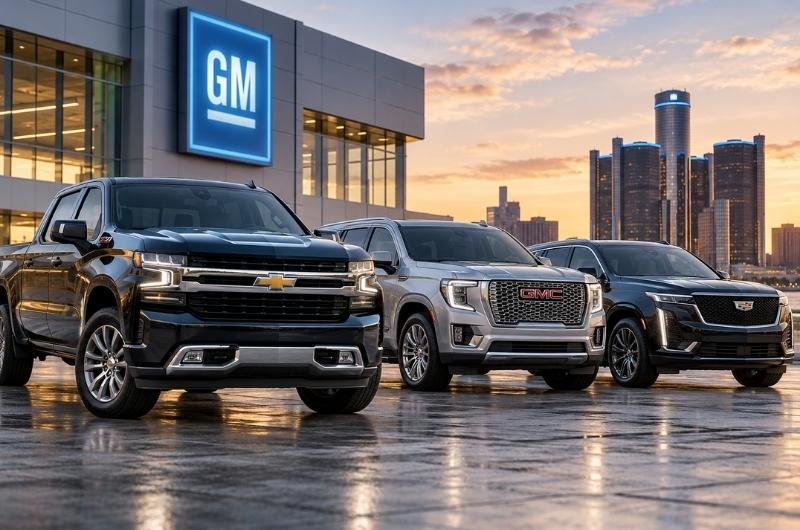
General Motors announced a new $20 billion stock buyback program Tuesday after reporting stronger third-quarter earnings, signaling confidence in its financial position even as investors reacted cautiously to the automaker’s outlook for the remainder of the year. The Detroit-based company reported $50 billion in revenue for the July-through-September quarter, up approximately 3% from a year earlier. Net income attributable to shareholders reached $3.3 billion, while adjusted operating earnings climbed to $4.1 billion, an increase of nearly 22% compared with the same period last year. GM’s board approved the $20 billion multiyear share-repurchase authorization after the company completed an earlier $6 billion buyback program announced in January. Share repurchases allow companies to reduce the number of shares available in the market and can increase earnings per share. GM also declared a quarterly dividend of 18 cents per share, payable in December. Despite the stronger results, GM shares declined Tuesday as investors assessed its updated financial guidance and mounting industry costs. The automaker narrowed its projected 2026 adjusted operating earnings to between $14.5 billion and $15.5 billion. Although the revised range maintained the midpoint of its earlier forecast, it offered limited additional upside following the quarterly earnings report. Chief Executive Mary Barra highlighted the company’s investment in upcoming Chevrolet, GMC, and Cadillac vehicles, along with its expanding software and services business. GM expects continued pressure from inflation and operating costs, but its latest results underscore the importance of profitable trucks and SUVs as the company balances traditional vehicle production with investments in electric vehicles and new technology.
Schneider Electric to Buy U.S. Software Company PTC for $22.6 Billion
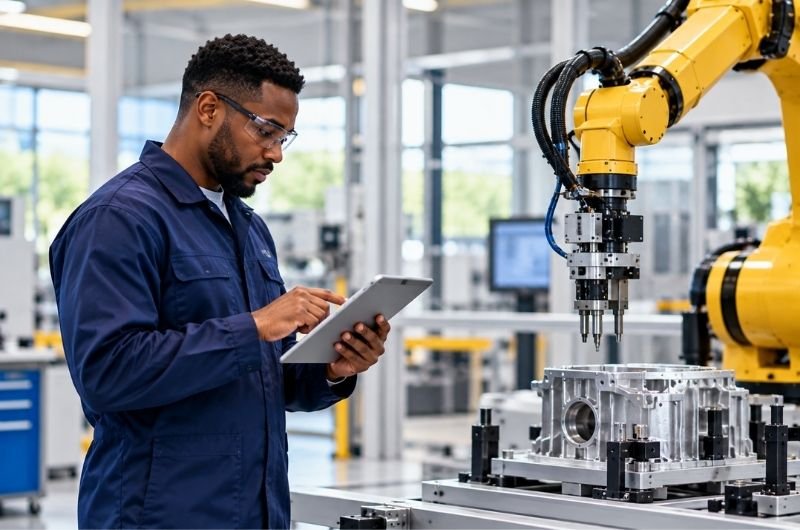
French energy and industrial technology company Schneider Electric has agreed to buy U.S. software maker PTC for about $22.6 billion, marking the largest acquisition in Schneider’s history. Under the deal announced Monday, Schneider will pay $205 in cash for each PTC share. That represents a premium of about 42% over PTC’s closing price before the deal was announced. PTC develops software used by manufacturers to design products, manage engineering information and oversee products throughout their life cycles. Schneider says combining those tools with its existing automation, energy-management and industrial software businesses will strengthen its position as companies increasingly use artificial intelligence and digital systems to operate factories and other facilities. The acquisition is also part of Schneider’s broader push into software and AI-related technology. The company has benefited from rising investment in data centers and electrical infrastructure, but investors reacted cautiously to the size and price of the PTC deal. Schneider shares fell about 9% in European trading Monday. The transaction is expected to close in the third quarter of 2027, subject to regulatory approvals and other closing conditions. If completed, the acquisition would significantly expand Schneider’s software business while giving it a larger role in the technology manufacturers use to design, build and manage increasingly connected industrial operations. The Readovia Lens Schneider is making a $22.6 billion bet that the next phase of industrial growth will be driven by more than electrical equipment. By combining energy, automation and software, the company is positioning itself to capture more of the spending flowing into AI-powered factories, data centers and other increasingly digital infrastructure.
Nike Plans More Job Cuts as Sales Slide and Turnaround Struggles Continue
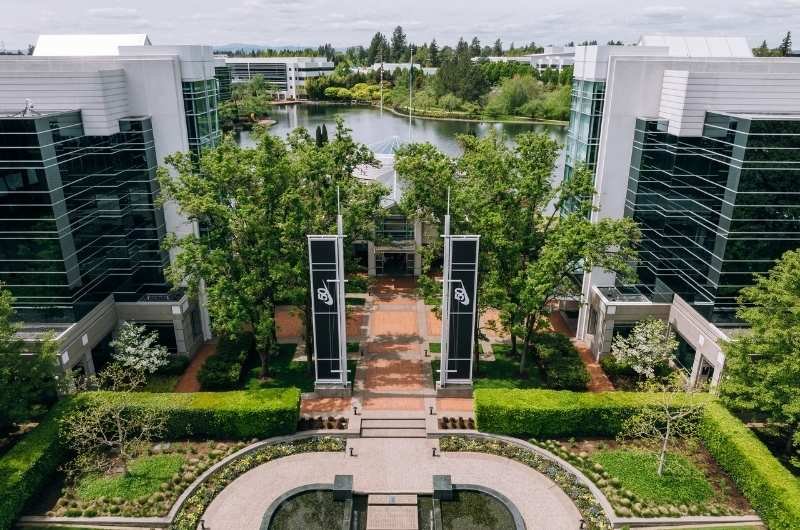
Nike is preparing another round of job cuts as the sportswear giant launches a major restructuring aimed at lowering costs while it works to reverse declining sales. The company has not said how many workers will lose their jobs. The changes are part of a new program called Pace, which Nike expects to save about $2.5 billion through fiscal 2031. Nike plans to simplify its global operations, reorganize its business into three geographic regions and open a new campus in India. The company expects about $1 billion in charges connected to the restructuring, primarily from employee-related costs. The overhaul comes as Nike’s sales continue to fall. Revenue dropped 4% to $11.2 billion during its latest quarter, while Nike Direct sales fell 8% and digital sales dropped 13%. The company now expects revenue to decline by a high-single-digit percentage for its full 2027 fiscal year. China remains one of Nike’s biggest trouble spots. Revenue in Greater China fell 22% from a year earlier, or 26% when currency changes are removed. Nike is also trying to strengthen its Sportswear and Jordan businesses as consumers face more choices from competing athletic brands. CEO Elliott Hill, who returned to Nike in 2024 to lead its turnaround, said the company has made progress in its performance-sports business but still has more work to do. The latest restructuring shows Nike is now pairing its effort to create stronger products with a push to become a smaller, less expensive company.
The $111 Billion Warner Bros.-Paramount Mega-Merger Just Moved a Step Closer

Paramount Skydance’s massive plan to buy Warner Bros. Discovery may be getting closer to the finish line as the company works to settle a lawsuit that could stop the $111 billion deal. California and 11 other states sued to block the merger because they believe putting the two giant entertainment companies together could reduce competition. Paramount and California officials are now discussing a possible settlement. The talks reportedly include a promise to invest $1.5 billion in California film and television production and plans to produce 30 movies a year. The deal recently cleared another hurdle. Federal regulators approved a plan that would allow investment funds from Saudi Arabia, Qatar and the United Arab Emirates to put money into the combined company. The foreign investors would not have voting power or control over how the company is run. The merger would put some of America’s best-known entertainment and media brands under one company. That would include Warner Bros., Paramount Pictures, HBO, CNN, CBS and Comedy Central, along with major streaming and cable businesses. The states fighting the deal say one company controlling so many properties could weaken competition. Paramount argues that becoming larger would help it compete with today’s biggest streaming companies. A settlement has not been reached, and the states’ lawsuit is still active. But the latest talks remove some of the uncertainty surrounding the deal and could bring Paramount and Warner Bros. Discovery closer to completing one of the biggest entertainment mergers ever attempted. The Readovia Lens In this deal, the biggest change would be the sheer amount of entertainment and media placed under one company. Movies, television networks, streaming services and news organizations watched by millions of people could share the same corporate owner. The merger is not finished yet, but the latest talks bring Paramount and Warner Bros. Discovery another step closer to making it happen.
Warren Buffett Steps Down as Berkshire Hathaway Chairman After More Than 50 Years
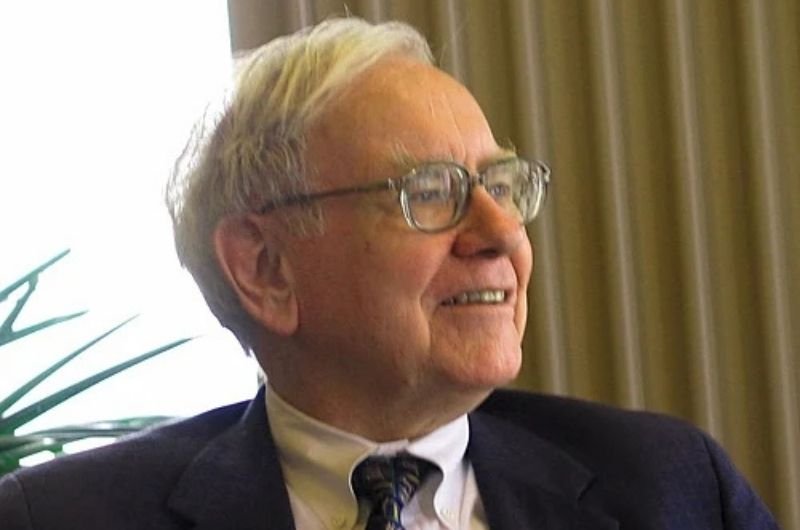
Warren Buffett has stepped down as chairman of Berkshire Hathaway, completing a historic leadership transition at the company he transformed from a struggling textile business into a conglomerate worth more than $1 trillion. Buffett, 96, becomes chairman emeritus effective immediately and will remain on Berkshire’s board of directors. His son, Howard Buffett, who has served as a Berkshire director since 1993, succeeds him as chairman. The change comes after Buffett relinquished the CEO position and longtime Berkshire executive Greg Abel took control of the company at the beginning of this year. Abel will continue running Berkshire, while Howard Buffett’s role as chairman will center on protecting the corporate culture and values his father developed over more than six decades. Warren Buffett took control of Berkshire in 1965 and served as chairman beginning in 1970. Under his leadership, the former textile company grew into an enormous collection of businesses that includes GEICO, BNSF Railway, energy and industrial operations, along with a massive portfolio of stocks and U.S. Treasury securities. Buffett said he remains confident in Berkshire’s future and plans to continue providing his judgment and perspective as a member of the board. The transition leaves day-to-day leadership with Abel while keeping both Warren and Howard Buffett involved in Berkshire’s governance. The Readovia Lens Warren Buffett’s departure from the chairman’s seat marks the end of an extraordinary era in American business, but Berkshire has spent years preparing for this moment. The bigger test now is whether the company’s unusual combination of decentralized management, long-term investing and corporate independence can endure without Buffett occupying either of its two top leadership positions.
Michael Dell Is Betting $7.7 Billion on Reinventing the Insurance Business
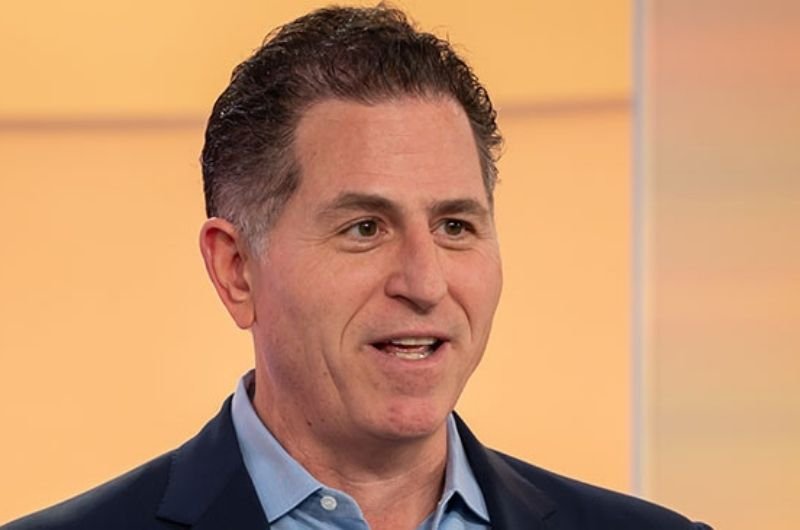
Michael Dell’s family investment firm is backing a $7.7 billion deal to take The Baldwin Group private, placing a multibillion-dollar bet on using advanced technology and artificial intelligence to reshape a traditional corner of the insurance industry. DFO Management, the investment firm for Dell, and Sequence Holdings announced Monday that they will acquire Baldwin in an all-cash transaction. Baldwin shareholders will receive $32.50 per share, an approximately 88% premium to the company’s unaffected closing price on June 17, before reports emerged that a potential deal was being explored. But the size of the premium is only part of the story. The buyers intend to give Baldwin long-term capital and engineering resources to accelerate investments in technology and AI. Taking the company private could allow those investments to unfold without the quarterly earnings pressures and stock-price scrutiny that public companies routinely face. Baldwin is already a sizable player in insurance, providing risk management, insurance advisory and technology-enabled underwriting services to businesses and individuals. The company reported $492.9 million in second-quarter revenue, up 30% from a year earlier. Sequence, meanwhile, has built its strategy around acquiring established service businesses and modernizing them with proprietary software. The transaction is expected to close in the first quarter of 2027, subject to shareholder and regulatory approvals. Eligible Baldwin employees will also have an opportunity to retain an ownership stake after the company becomes private, while DFO and Sequence pursue their longer-term transformation strategy. The Readovia Lens Dell’s involvement makes the Baldwin deal about considerably more than insurance. It is a major wager that some of the biggest opportunities for AI and modern software may lie inside established industries that have been operating for decades — and that rebuilding those businesses away from the pressures of public markets could unlock the next stage of growth.
Chime Is Buying a Bank — a Major Shift for One of America’s Biggest Fintech Companies

Chime is taking a major step toward becoming a full-fledged banking company, agreeing to acquire longtime partner Stride Bank in a $590 million cash deal that would bring much of the financial infrastructure behind Chime’s popular banking services directly under its control. The deal may surprise some Chime customers because although the company offers checking accounts, debit cards, credit-building products and other financial services, Chime itself has not traditionally been a bank. Instead, banking services have been provided through federally regulated partner banks, including Stride, which has worked with Chime for more than seven years. Under the agreement, Chime will acquire Stride’s parent company, Central Service Corporation. Once the transaction closes, Stride will become Chime Bank, N.A. and operate as a wholly owned subsidiary of Chime. The acquisition gives Chime access to Stride’s national bank charter and provides a faster route to owning the banking infrastructure behind its services than applying for a new charter from scratch. Chime says the combination should allow it to develop products faster, expand lending and reduce its reliance on outside banking partners. The company expects more than $100 million in net financial benefits from lower partner-bank fees, expanded lending products and lower funding costs. Chime currently serves more than 10 million active members. The transaction is expected to close during the first half of 2027, pending regulatory approval and other closing conditions. Chime plans to consolidate its banking activities under Stride after the deal closes, marking a significant evolution for a company that built its business largely by offering a digital alternative to traditional banks. The Readovia Lens Chime’s decision to buy one of the banks that has powered its services represents more than another fintech acquisition. It moves Chime closer to becoming the kind of institution it originally set out to challenge, combining its consumer-facing technology and millions of members with a nationally chartered bank operating underneath it.
Chevron Plans $7 Billion Venezuela Expansion to More Than Double Oil Production

Chevron is making one of the largest corporate commitments yet to rebuilding Venezuela’s oil industry, with plans for more than $7 billion in investment over five years and a goal of more than doubling its production in the country. The U.S. oil giant announced new agreements covering its three Venezuelan joint ventures, including improved commercial, fiscal and legal terms and additional development acreage in the country’s massive Orinoco Belt. Chevron expects the investments to increase production to approximately 600,000 barrels per day compared with 2026 levels. The expansion represents a major corporate step following the broader U.S. push to increase oil production in Venezuela. Chevron has operated in the country for more than a century and remains the only major U.S. oil company with a significant operating presence there. Its Venezuelan joint ventures have already increased combined production by about 15% this year. Venezuela holds the world’s largest proven crude-oil reserves, but years of underinvestment, deteriorating infrastructure and international sanctions have left production far below historical levels. Chevron’s new acreage includes additional areas in the Orinoco Belt, where some of the country’s largest oil resources are concentrated. The Readovia Lens The significance of Chevron’s announcement is not simply the size of the investment. A major U.S. oil producer is now putting billions of dollars behind Venezuela’s return as a larger energy supplier. If Chevron reaches its 600,000-barrel-a-day target, substantially more Venezuelan crude could eventually enter the market — but rebuilding production on that scale will take years, making any effect on U.S. gasoline prices a longer-term possibility rather than an immediate benefit for drivers.
Uber Is Cutting 3,300 Jobs in Major Workforce Overhaul

Uber is cutting about 3,300 jobs worldwide as the ride-hailing giant moves to simplify a workforce that executives say has become too complicated as the company has grown. The reduction amounts to roughly 10% of Uber’s global workforce and is the company’s largest round of layoffs since 2020. The restructuring will reach across the organization, with Uber reducing management positions, combining some teams and eliminating smaller groups that have accumulated as the business expanded. The overhaul will also dramatically reduce remote work at Uber. The company plans to concentrate more of its workforce around major office hubs, including New York and San Francisco, while limiting fully remote positions to about 1% of employees. Most workers currently classified as remote will be expected to relocate within commuting distance of an Uber office. The cuts come despite strong recent financial performance. Uber reported $14.2 billion in second-quarter revenue last month, up 12% from a year earlier, while operating income climbed 30% to $1.9 billion. Customers completed 3.9 billion trips during the quarter, an 18% increase, and the company said it added more first-time users during the previous 12 months than in any comparable period over the past five years. Uber is simultaneously directing more attention toward the next phase of transportation, including autonomous vehicles. CEO Dara Khosrowshahi has described autonomous technology as an important part of the company’s future, with Uber working to position its platform as a major marketplace for robotaxi operators. The company said the workforce restructuring is intended to simplify operations and free resources for future growth and innovation.
Kohl’s Has Now Posted 18 Straight Quarters of Falling Comparable Sales
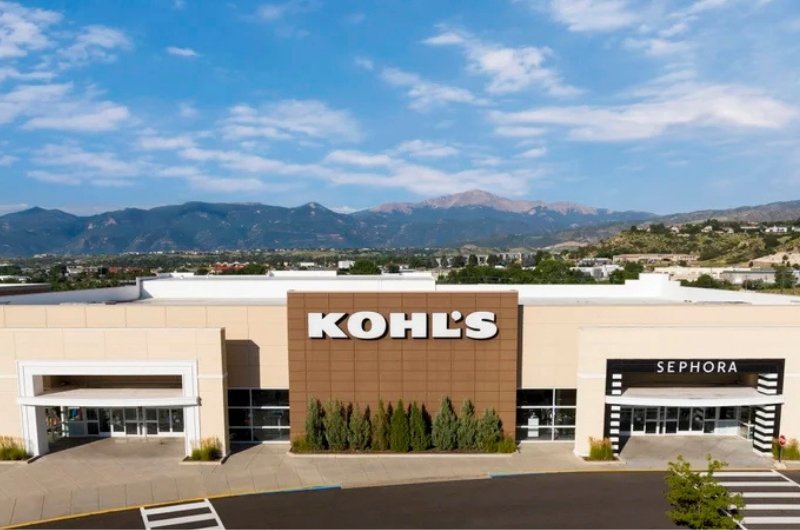
Kohl’s has now gone 18 consecutive quarters without comparable-sales growth, a remarkable stretch that underscores how difficult it has been for the department-store chain to bring shoppers back despite years of turnaround efforts. Comparable sales fell another 0.9% in the second quarter, while net sales also declined 0.9% to $3.3 billion, Kohl’s reported Wednesday. The company saw stronger demand for categories including home goods and youth apparel, but weaker spending on women’s clothing and skincare weighed on overall results. The latest decline was considerably smaller than the 4.2% drop Kohl’s reported during the same quarter last year, suggesting that some parts of its turnaround are gaining traction. The company has been adding more coupon-eligible brands, investing in its own labels and emphasizing value as it competes for increasingly selective shoppers. Kohl’s also raised its full-year profit forecast, but the improved outlook includes a significant one-time boost. The retailer received approximately $150 million in tariff refunds during the quarter, with about $100 million flowing through gross margin. Kohl’s now expects adjusted earnings of $1.80 to $2.40 per share for the year, up from its previous forecast of $1.00 to $1.60. The larger challenge remains getting sales growing again. Kohl’s expects full-year net and comparable sales to range from flat to a 1.5% decline, while the company prepares to restart up to $100 million in share repurchases. After 18 straight quarters of falling comparable sales, even stabilizing the top line would represent a meaningful change in direction.