


Chasing the Sun: The Best Island Escapes to Leave Winter Behind
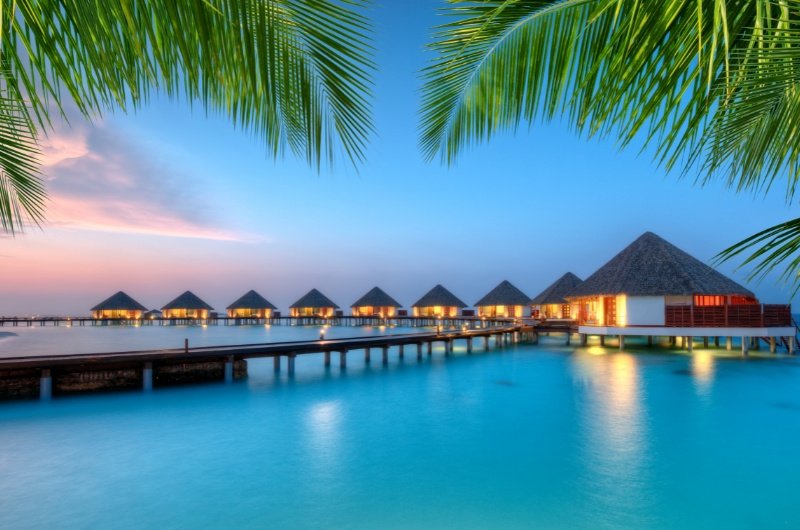
Winter has a way of wearing people down. Short days, cold mornings, and gray skies make the idea of turquoise water and warm sand feel less like a luxury and more like a necessity. For travelers looking to trade coats for swimsuits, island destinations remain some of the most reliable winter escapes. Turks and Caicos Turks and Caicos tops the list for travelers seeking calm, refinement, and some of the Caribbean’s most striking beaches. Grace Bay’s powder-soft sand and crystal-clear water deliver effortless luxury without the party-heavy atmosphere found elsewhere. It is a favorite for couples, honeymooners, and travelers who want true downtime. Aruba For those who value sunshine above all else, Aruba is one of the safest winter bets. Its dry climate means very little rainfall, even in peak travel season. Wide beaches like Eagle Beach pair well with lively restaurants, shopping districts, and resorts that cater to both relaxed and active travelers. St. Lucia If drama and romance are part of the appeal, St. Lucia stands apart. The island’s volcanic peaks, lush rainforests, and hillside resorts create a setting that feels intimate and cinematic. It is ideal for travelers who want their winter escape to feel immersive and unforgettable. Maui Travelers who want flexibility and convenience will find it in Maui, where winter brings warm waters, peak whale-watching season, and endless variety. From luxury resorts to scenic drives and waterfalls, Maui balances natural beauty with accessibility, all without the need for a passport. The Bahamas Rounding out the list, The Bahamas and Barbados both offer reliable winter warmth with distinct personalities. The Bahamas excels at easy access and postcard-perfect waters, while Barbados blends beach life with a refined cultural and culinary scene that feels polished but never stiff. Quick Picks: Find the Right Island Fast Best for Luxury & Relaxation: Turks and Caicos Best for Sunshine with Minimal Rain: Aruba Best for Romance & Scenery: St. Lucia Best No-Passport Option: Maui, Hawaii Best Quick Getaway from the U.S.: The Bahamas Best Culture + Beach Balance: Barbados A Final Word Whether you’re craving uninterrupted beach days, a romantic change of scenery, or simply a reset from winter’s gray routines, island getaways offer a proven escape. From the quiet elegance of Turks and Caicos to the cultural polish of Barbados, these destinations deliver warmth, beauty, and perspective when it’s needed most. Sometimes, the best way to survive winter is to step out of it entirely.
TSA Introduces New $45 Identity Verification Option for Travelers Without REAL ID Starting February 1
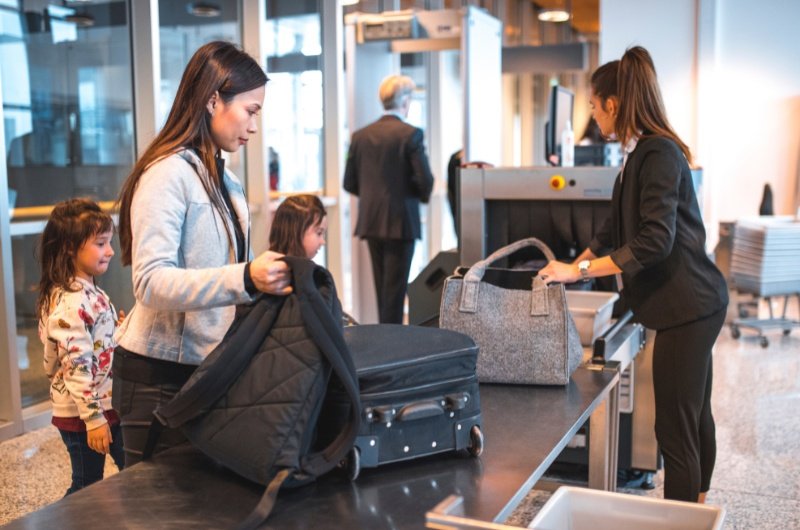
Travelers who haven’t upgraded to a REAL ID will soon have a new fallback when passing through airport security. Beginning February 1, 2026, the Transportation Security Administration (TSA) will allow passengers without a REAL ID-compliant license to pay a $45 on-site identity verification fee, giving them a same-day option to complete airport screening rather than being turned away. The new fee is designed as a temporary bridge as the federal REAL ID mandate moves closer to full enforcement. Under the updated process, passengers who arrive without REAL ID will undergo a more extensive identity check performed directly by TSA officials. The agency says the $45 charge reflects the additional time, staffing, and verification steps required. While the new option allows travelers to proceed through security, TSA emphasized that it is not a substitute for obtaining the federally compliant ID ahead of the May 7, 2025 deadline. Millions of Americans are expected to travel in 2025 without a REAL ID-compliant license, raising concerns about delays and screening disruptions—especially during peak travel seasons. The new fee-based alternative could help ease congestion at security checkpoints, particularly at major airports where traveler volumes remain above pre-pandemic levels. For passengers, the change introduces both flexibility and cost. Those relying on the $45 verification process should expect longer screening times and additional documentation requirements. TSA still recommends that travelers update to a REAL ID as soon as possible to avoid the fee and streamline future airport security experiences. With the mandate less than four months away, the agency is preparing for a final nationwide push to educate travelers. The new fee option may help prevent last-minute travel disruptions, but TSA’s message remains clear: the easiest and least expensive route is still upgrading to REAL ID before enforcement begins.
Holiday Travelers Braces for Turbulence as Post-Shutdown Ripple Effects Hit U.S. Airports
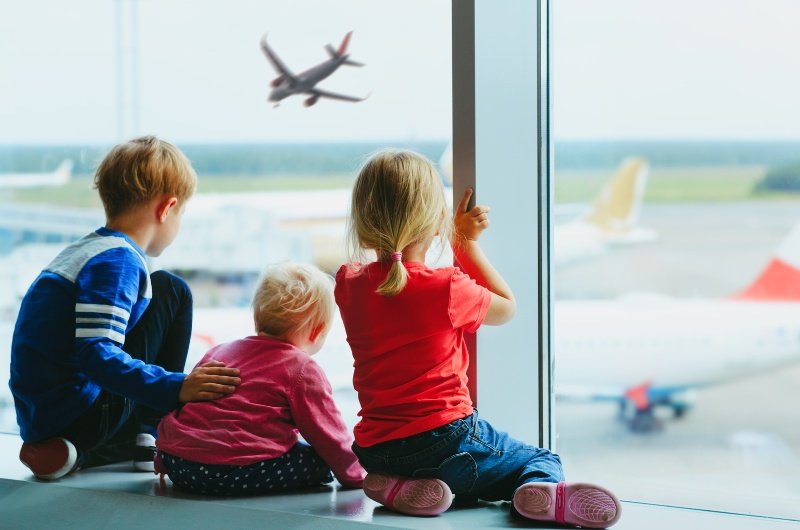
With the holiday season approaching, a surge in travel demand is colliding with lingering effects of the recent government shutdown, creating a complicated landscape for travelers and carriers alike. Airports and airlines are preparing for one of the busiest travel periods in years, but the shutdown’s ripple effects — including staffing shortages, delayed approvals and strained operations — are adding extra pressure across the system. Passengers are already noticing longer lines, limited seat availability on popular routes and higher-than-expected fares. Some airports are still working through operational bottlenecks created during the shutdown, which paused regulatory functions and slowed progress on staffing, equipment certifications and infrastructure adjustments. This year’s travel rush is also reshaping traveler behavior. Many passengers are adjusting their travel routines — departing on less-popular days, choosing alternative airports and even pairing rail or car segments with flights to avoid congestion. Flexibility is becoming the new advantage. For travelers this season, the takeaway goes beyond finding the cheapest ticket — it’s about traveling smarter. People now want practical strategies to stay ahead of disruptions, from building flexibility into their plans to knowing their options when delays or cancellations hit. The value is shifting from bargain hunting to confident, resilient planning. As airlines and airports ramp up for the holiday push, one thing is clear: being proactive and anticipating potential complications will be the difference between a chaotic journey and a smooth one. Planning for buffers, managing expectations and staying informed can help turn a high-pressure travel season into a manageable and even enjoyable experience. ——— Related: Bus and Train Bookings Surge as Air Travel Disruptions and Uncertainty Continue
No Payouts for Flight Delays — U.S. Ends Passenger Compensation Plan

The U.S. government has officially withdrawn a proposed rule that would have required airlines to pay passengers cash compensation for long flight delays, leaving millions of travelers with fewer consumer rights than those in much of the world. The move ends efforts to create financial accountability for airlines when delays are caused by issues within their control — such as staffing shortages, mechanical problems or operational breakdowns. Under the abandoned rule, passengers would have received automatic payments for significant delays that disrupted travel plans, vacations and work schedules. Similar systems already exist in the European Union and Canada, where compensation — sometimes hundreds of dollars — is standard when airlines cause major delays outside of extreme weather or air-traffic emergencies. In the United States, however, there is still no federal requirement that airlines compensate travelers for delays of any length. Airlines strongly opposed the proposed rule, arguing that mandatory payouts would raise costs and could ultimately increase fares. Industry groups also claimed the policy would be difficult to manage because determining which delays are controllable versus uncontrollable could lead to legal challenges. With the rule now ended, carriers avoid what they viewed as a significant financial burden. For travelers, the decision means that planning around delays remains a personal responsibility — not a guaranteed right supported by law. In a year where flight disruptions have surged across major airports, consumer advocates say passengers are once again left navigating long waits, missed connections and unexpected expenses without meaningful recourse. Outside of refunds for canceled flights and rebooking when seats are available, there are no federal protections when a flight is delayed. As the holiday travel season approaches, passengers may need to rethink how they prepare — allowing extra buffer time, purchasing travel insurance, monitoring real-time flight status and developing backup plans. Without mandated compensation, the burden — and the cost — continues to fall on the traveler. For many flyers, today’s decision may feel less like regulatory clarity and more like another reminder that the skies are not always friendly.
Bus and Train Bookings Surge as Air Travel Disruptions and Uncertainty Continue

With airports facing extended delays and flight cancellations tied to the government shutdown, many travelers are rediscovering the ground routes they once ignored. Amtrak and major intercity bus carriers are reporting a surge in bookings as Americans seek reliability — and a little less turbulence — in how they move across the country. Ridership on select long-distance Amtrak routes has climbed sharply in recent days, with Northeast Corridor trains running near capacity. Bus operators including Greyhound and Megabus have also seen double-digit growth as frustrated passengers opt for overland travel rather than risk a cancelled flight or closed terminal. The shift comes at a time when domestic air travel has become one of the shutdown’s most visible casualties. FAA staff shortages have forced flight reductions and tightened schedules, particularly at regional airports. For many, the appeal of buses and trains lies not only in avoiding cancellations, but in reclaiming a more predictable — and often less expensive — way to travel. The Readovia Lens This temporary transportation pivot could have lasting effects. Travelers who discover convenience in rail or coach service may rethink how they plan short- and mid-distance trips even after the skies clear. The pandemic already proved that behavior can change quickly; the shutdown may be another catalyst for rediscovering what slower, steadier travel has to offer.
Avoiding the Chaos: What Travelers Need to Know About U.S. Flight Disruptions This 2025 Holiday Season
As millions of Americans prepare for holiday travel, the skies are showing early signs of stress. Between ongoing staffing shortages, lingering federal shutdown impacts, and weather-related challenges, flight disruptions are once again testing the patience of passengers — and the resilience of the airline industry. A Perfect Storm in the Skies The 2025 holiday travel season arrives amid a complex mix of operational strain and public frustration. Major U.S. airports are reporting longer-than-usual wait times, while airlines scramble to manage cascading schedule changes. Air-traffic-control staffing levels remain below pre-pandemic benchmarks, and mandatory overtime is creating fatigue within critical teams. Even a single staffing gap can ripple across the system, forcing flight delays that snowball throughout the day. At the same time, unpredictable autumn weather in key hubs like Chicago, New York, and Denver has added uncertainty — turning ordinary travel days into logistical puzzles. The Numbers Tell the Story Industry trackers show hundreds of cancellations and thousands of delays nationwide on peak travel days. While many flights still operate smoothly, the margin for error has narrowed. When infrastructure, personnel, or weather fail to align, travelers feel the impact immediately — from missed connections to extended tarmac holds. For business travelers and families alike, that means building in extra flexibility. Direct flights are still the most reliable option, while connections through congestion-prone hubs may invite risk. What Airlines Are Doing — and What You Can Do Airlines are adding standby crews, offering flexible rebooking options, and in some cases trimming non-essential routes to preserve reliability. But travelers also have a role to play. A handful of simple steps can make the difference between a delay and a derailment. Readovia recommends: Check flight status early and often. Use airline apps and live trackers for real-time updates. Arrive earlier than usual. Staffing shortages can slow security and boarding. Know your rights. Familiarize yourself with rebooking, refund, and delay-compensation policies. Pack strategically. Carry-ons minimize lost-luggage risk when connections change last-minute. A Bird’s-eye View For the airline industry, this moment is about restoring public confidence. The pandemic reshaped both workforce dynamics and traveler expectations, and passengers have grown less tolerant of operational chaos. As automation expands across scheduling, maintenance, and customer communication, airlines are being pushed to balance efficiency with accountability. Meanwhile, for passengers, awareness is the best defense. Understanding why disruptions occur — and how to plan around them — transforms frustration into control. The Takeaway If you’re flying this holiday season, expect busier airports, tighter schedules, and less room for error. With preparation and flexibility, most trips will still go smoothly — but the era of guaranteed on-time travel has not yet returned. For now, staying informed and staying calm may be the most important carry-ons you bring aboard.
New Haven Named One of 2026’s Must-Visit Cities as Travelers Seek Fresh American Experiences
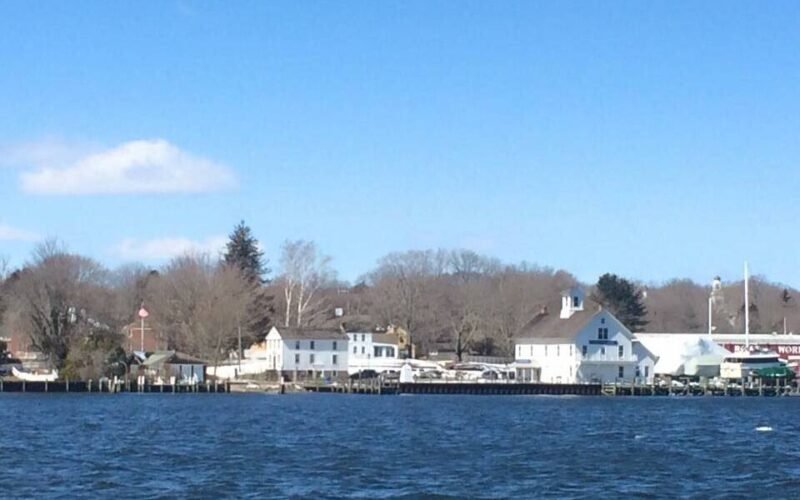
Smaller destinations are stealing the spotlight — and New Haven is leading the charge. New Haven, Connecticut, is having a moment. Once known mainly for its ivy-covered university and signature pizza, the city has landed on Skyscanner’s list of Top 10 Global Trending Destinations for 2026, earning the No. 8 spot — and marking a major shift in how Americans are traveling. According to the report, flight searches to New Haven jumped nearly 40 percent in the first half of 2025 compared with last year. The data reveals a growing appetite for “second-city” travel — where curious explorers skip the predictable big-city itineraries in favor of smaller, character-rich places that deliver culture without the crowds. Why New Haven Is Trending New Haven’s resurgence is rooted in its arts, architecture, and authenticity. Travelers are drawn to its walkable downtown, thriving restaurant scene, and diverse creative energy that feels distinctly New England — but refreshingly modern. Once visitors arrive, they find a mix of cultural depth and casual charm: the Yale University Art Gallery and Beinecke Rare Book Library for the intellectually inclined; boutique hotels and trendy cafés for weekenders; and, of course, legendary pizzerias that locals argue rival anything in New York. Domestic Escapes The buzz around New Haven reflects a broader travel movement — one defined by intentional exploration and value-driven choices. Post-pandemic travelers are embracing shorter, domestic escapes that balance novelty with affordability. Instead of bucket-list landmarks, they’re seeking experiences that feel local, livable, and undiscovered. Industry experts suggest that cities like Providence, Asheville, and Santa Fe may follow suit as travelers crave destinations that blend access, culture, and comfort. The Takeaway New Haven’s moment in the spotlight signals a new era for American travel — one where smaller cities compete on creativity, cuisine, and character rather than name recognition. For those looking to experience it before the world catches on, now might be the perfect time to book that weekend getaway — and maybe a table at Wooster Street’s most famous pizza joint.
Longevity Travel: The Next Wave in Luxury & Wellness Getaways

From blue-zone retreats to biohacking resorts, a new era of travel is emerging — one that promises not just escape, but extension. The Rise of Longevity-Focused Escapes For decades, luxury travel has sold serenity. Now it’s selling years. From the Mediterranean cliffs of Sardinia to the high-altitude spas of the Swiss Alps, travelers are booking experiences that promise not only relaxation but regeneration. The trend — dubbed “longevity travel” — fuses cutting-edge science with holistic wellness. Guests undergo DNA-based health assessments, biohacking sessions, and nutritional optimization programs, all under the guidance of medical professionals. The goal isn’t merely to recharge; it’s to reset the body’s biological clock. At the forefront are resorts offering longevity diagnostics, IV infusions, circadian therapy, and blue-zone-inspired diets. Think five-star hotels with health labs instead of minibars, and mindfulness coaches replacing traditional concierges. From Destination to Data Unlike classic wellness retreats, longevity travel is built on measurable results. Many properties now offer health dashboards that track sleep cycles, inflammation markers, and metabolic performance during a guest’s stay. In Costa Rica’s Nicoya Peninsula — one of the world’s famed blue zones — private villas partner with nutritionists who craft menus using ingredients sourced within a five-mile radius. In Iceland, spa lodges offer geothermal immersion therapy to improve cardiovascular function. In Thailand and Bali, resorts are adopting wearable integrations that sync with medical-grade health tech to monitor real-time progress. These experiences are data-driven yet deeply personal — appealing to the modern traveler’s desire for both luxury and longevity. The Psychology of Living Better, Not Just Longer Longevity travel is about more than biological age. It taps into a growing cultural shift: people want their experiences to add meaning as much as years. Guests aren’t chasing immortality — they’re chasing vitality. For the travel industry, it’s an evolution from self-care to life optimization. And for travelers, it’s proof that the most valuable souvenir isn’t a keepsake — it’s a measurable improvement in health, mood, and longevity markers. The Future of the Longevity Itinerary Industry analysts predict that longevity travel will expand beyond resorts and spas into cruise lines, eco-retreats, and even business travel. Some hotels are already incorporating sleep sanctuaries, oxygen therapy pods, and “recovery menus” for jet-lagged executives. In an era where wellness has become both lifestyle and currency, the next luxury frontier is simple — feeling younger longer. And as technology continues to merge with travel, the idea of returning from vacation biologically younger might not be fantasy for much longer.
Mystery Cruises: The Luxury Travel Trend to Watch for 2026

For years, luxury travel has been defined by meticulous planning: curated itineraries, hand-picked resorts, and destinations chosen months in advance. But as travelers crave deeper experiences — and a little thrill — a bold new concept is setting sail: mystery cruises. These voyages invite guests aboard without revealing exactly where they’re headed, transforming the journey itself into the ultimate luxury. Unlike traditional cruises, mystery itineraries unfold in real time. Guests may board in Barcelona and wake up two days later in an undisclosed Mediterranean gem or set sail from Miami with no idea which private island awaits them. The secrecy adds an element of anticipation that no itinerary can match. Luxury operators like Uniworld and Windstar are already experimenting with these surprise-driven sailings, with bookings opening now for 2026. What makes mystery cruises resonate with the modern traveler is the marriage of indulgence and intrigue. Suites are as opulent as ever, dining is world-class, and onboard wellness experiences rival five-star resorts. But instead of instagramming every port weeks in advance, guests embrace the unknown. For high-end travelers, this shift is about luxury reframed as curiosity, the rarest commodity in an over-scheduled world. And there’s business potential, too. For travel brands like Travelocity, mystery cruises offer a new way to engage customers who want more than just a trip — they want a story to tell. Expect exclusive booking opportunities, limited sailings, and packages designed for discerning adventurers who want to be the first to say: I sailed into the unknown, and it was unforgettable. Mystery cruises may be trending, but for 2026, they’re shaping up to be the defining symbol of a new era of luxury travel: one where the best destination is the one you didn’t see coming.
Calmcations: The New Wave of Silent Luxury Escapes

In today’s hyper-connected world, even vacations have become noisy. Travelers are bombarded with social feeds, over-scheduled itineraries, and the pressure to capture every moment for the perfect post. But a new luxury travel trend is rewriting the rules: calmcations. These quiet escapes are built on the idea that the rarest indulgence isn’t five-star dining or designer suites — it’s stillness. Resorts from Nantucket to Hawaii are leaning into this shift, creating curated experiences that put silence, reflection, and wellness at the center of the journey. What sets calmcations apart is their intentional design. Guests are invited to power down devices, step into serene landscapes, and embrace restorative practices ranging from forest bathing and guided meditation to biofeedback sessions tailored for deep relaxation. At the Greydon House in Nantucket, travelers check into rooms stripped of TVs and tech, while at Sensei Lānaʻi in Hawaii, visitors move through calming gardens, spa rituals, and nutrition programs built to reset the body and mind. It’s luxury, but reimagined — where well-being, not Wi-Fi, is the main amenity. This shift also reflects a larger cultural moment. After years of wellness chatter, travelers are no longer satisfied with surface-level spa treatments or a single yoga class by the pool. They’re seeking immersive, meaningful experiences that deliver a true sense of renewal. For high-end resorts, calmcations have become a differentiator — appealing to discerning guests who value depth over dazzle, substance over spectacle. It’s a trend that redefines status: the ability to unplug, to disappear, to step away from noise. For the modern explorer, calmcations are more than a pause; they’re a recalibration. They answer a craving that’s growing louder in a restless world — the need for space, silence, and a deeper connection to self. In that way, calmcations may be less of a fleeting travel fad and more of a blueprint for the future of luxury escapes.